






































Project Background of Commercial and Industrial Energy Storage
A food processing factory located in a commercial park in Kenya is mainly engaged in food export. Constant temperature control in cold storage is critical for product quality and cold chain safety.
Due to the unstable local grid, voltage fluctuations and sudden power outages may cause cold storage compressors to stop operating, resulting in temperature changes inside the cold room. This may not only cause food spoilage, but also lead to order delays and serious financial losses.
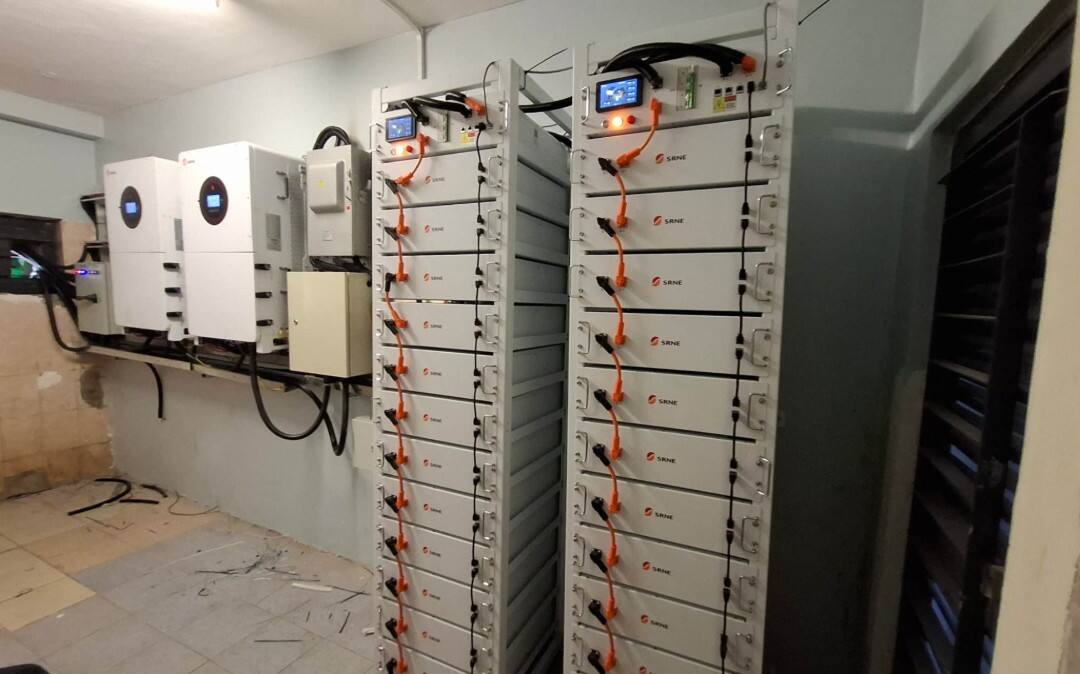
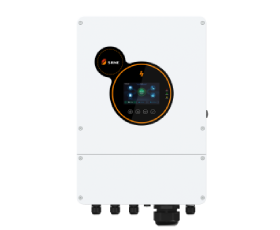
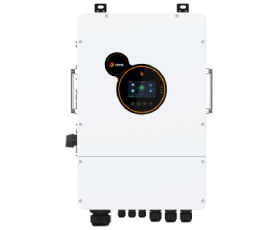
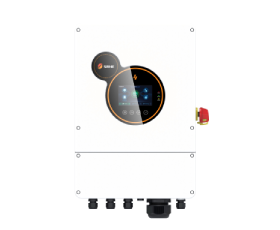
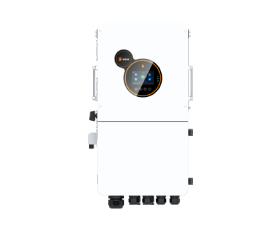
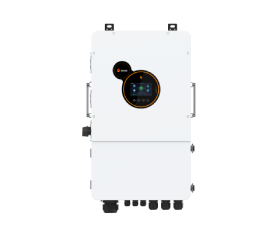
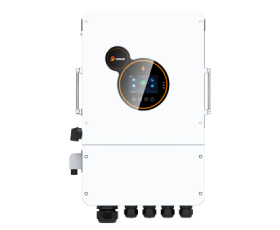
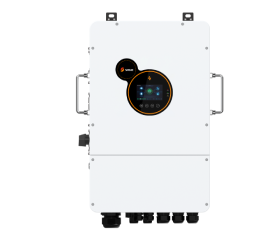
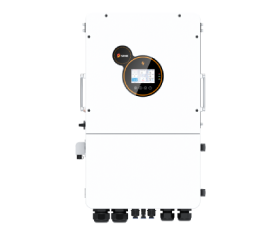
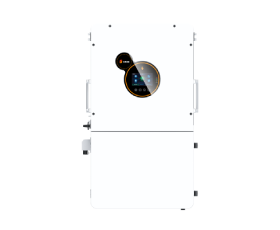
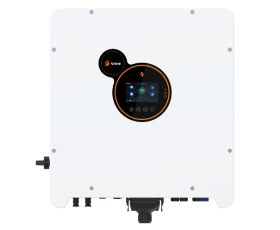
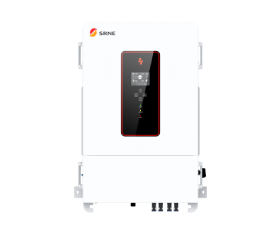
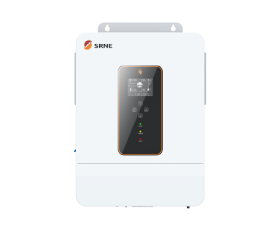
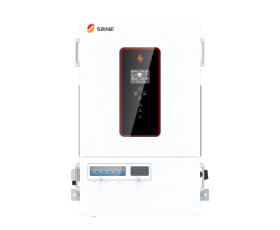
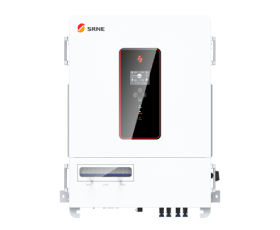
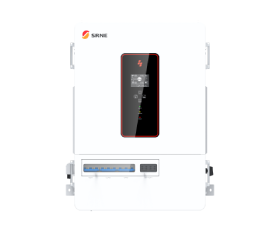
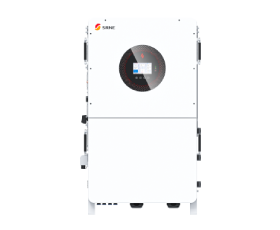
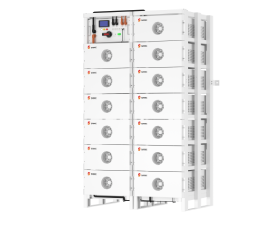
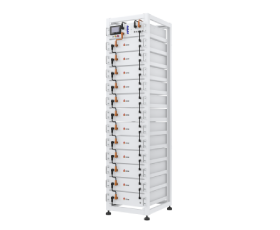
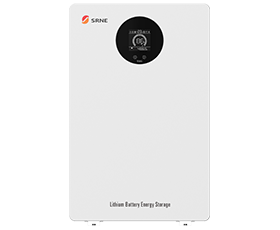
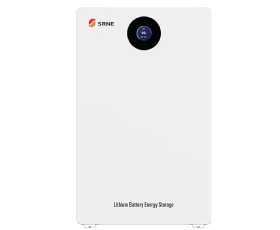
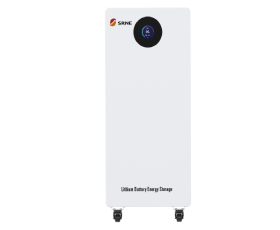
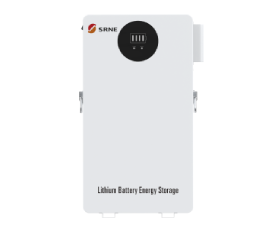
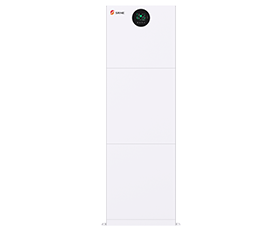
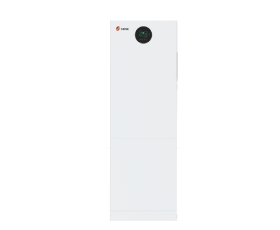
To improve power reliability and maintain stable cold chain operation, the factory installed a 120kW / 122kWh commercial and industrial energy storage system provided by SRNE. The system uses IESP three-phase hybrid inverters and Ket energy storage batteries.
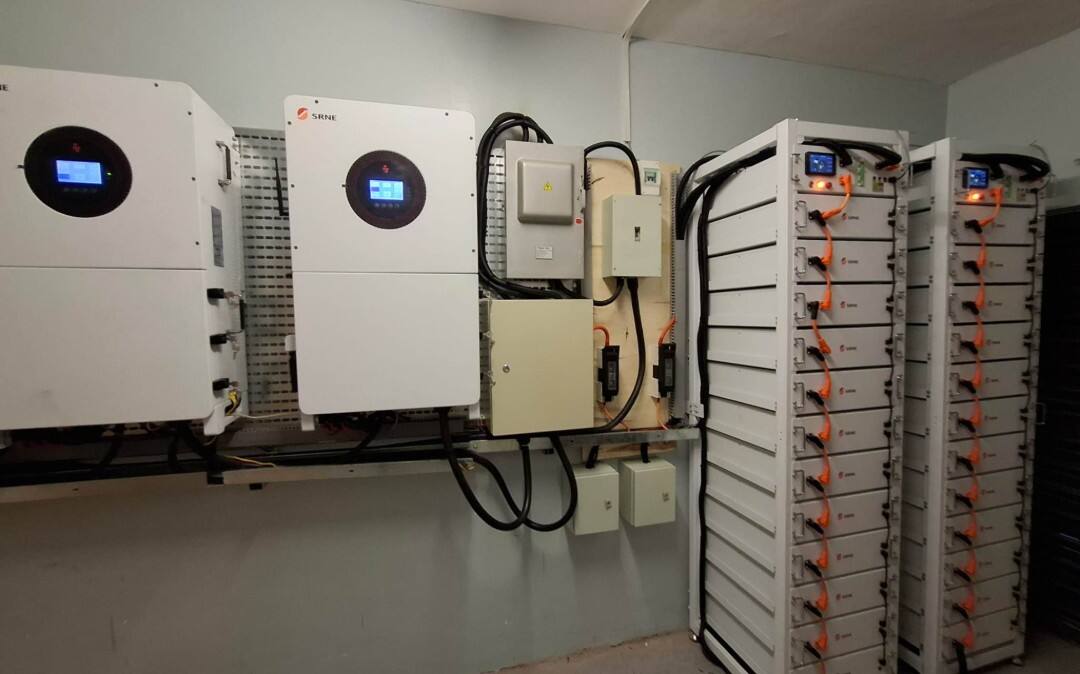
SRNE IESP Commercial Energy Storage System Configuration
Item | Configuration |
Project Location | Kenya |
Application Scenario | Food Processing Factory |
System Type | Commercial & Industrial Energy Storage System |
Inverters | 2 × IESP 60kW Three-phase Hybrid Inverters |
Energy Storage Batteries | 2 × Ket 61kWh Energy Storage Batteries |
Total Inverter Power | 120kW |
Total Battery Capacity | 122kWh |
Main Applications | Cold Storage Backup Power, Stable Power Supply, Peak Shaving |
Cold Commercial Backup Power Solution
SRNE designed a commercial and industrial energy storage solution for the food processing factory. The system helps the factory maintain stable cold storage operation under unstable grid conditions and reduce operational risks caused by power abnormalities.
In daily operation, the system can provide power support for the factory’s main electrical loads, especially refrigeration equipment and cold storage compressors. Cold storage is the core power application in this factory, so stable power supply is essential for maintaining constant temperature and ensuring food storage safety.
When the grid is stable, the system can coordinate grid power supply and battery charging according to the factory’s real-time load demand. During off-peak electricity periods, the batteries can first store low-cost electricity and then release it during peak electricity periods to supply key loads such as refrigeration units and temperature control systems.
When voltage fluctuations or sudden power outages occur, the energy storage system can automatically switch to battery backup mode. With UPS-level millisecond switching, the system can quickly take over the power supply for key loads and keep condensing units, evaporator fans, and cold chain monitoring systems operating continuously.