







































200A Hybrid Charging for the 12kW Pro
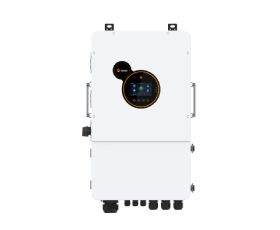
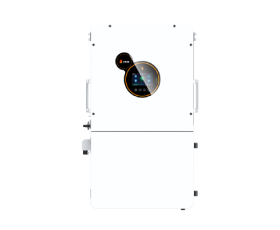
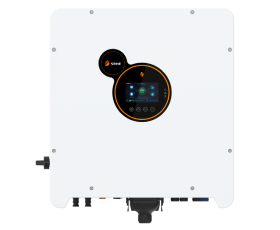
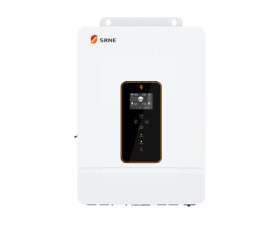
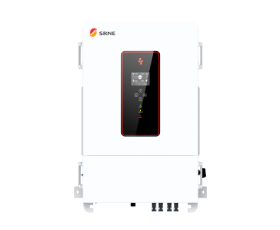
A 200A hybrid-charging ceiling lets the 12kW ASP-Pro replenish a large 48V battery bank more quickly when PV and AC charging are available together. ASP48120S200-Pro is rated for up to 200A hybrid charging, while grid or generator charging reaches 150A.


63A Grid Bypass for High-Load AC Operation
The ASP-Pro 63A grid bypass allows substantial utility-fed load to pass through without treating bypass current as battery-inverter output. The Pro datasheet lists a 63A bypass overload current on the grid input.
Extend Backup Time with a Dedicated Generator Input
A dedicated generator input gives the ASP-Pro an additional energy source when solar production is low or battery reserve must be conserved during a long outage. Smart Load compatibility can then prioritize selected loads within the configured operating mode, while generator behavior follows the product manual and system settings.


Use a Larger 13.2kW PV Array Across Two MPPTs
The ASP-Pro can accept 13.2kW of PV on a 12kW inverter, leaving more solar energy available for daytime loads and battery charging without increasing AC rated output. The array is split across two 6.6kW MPPT inputs, each rated at 22A with a 125–425V tracking range and 500V open-circuit limit, so two string groups can be tracked independently.
Control External-Load Reverse Power with Anti-Backflow
External-load anti-backflow control keeps power from flowing unintentionally toward the specified load-side connection when PV, battery and AC sources are active together. The ASP-Pro datasheet lists External Load Anti-Backflow Protection as a dedicated control function, giving installers a clearer way to manage power direction in supported operating modes.
2x Peak Output for High-Inrush Loads
The 24kVA peak allowance gives the 12kW ASP-Pro extra starting margin for pumps, compressors and other short-duration high-inrush loads. Continuous load planning still uses the 12kW rated output, so the surge figure adds startup capability rather than redefining normal power.
OVERVIEW
Download
Datasheet
User Manual
FAQ

What does having two MPPTs change in a real installation?

Two independent trackers allow two PV groups to operate at different electrical maximum-power points. That is useful when roof sections face different directions, have different shading patterns or use strings that cannot be combined efficiently on one tracker. For an off grid solar inverter, the benefit is more flexible array design rather than simply “more solar.” Each string still has to stay within the voltage and current limits of its assigned MPPT, and the total PV size should be checked against the exact 8kW or 12kW model.
How should the 2× output figure be used when sizing loads?
Treat it as short-duration startup reserve, not as continuous capacity. The 8kW model is rated at 8kW with a listed maximum output of 16kVA, while the 12kW model is rated at 12kW with 24kVA maximum output. That can help the single phase inverter start pumps, compressors or other inductive loads that briefly demand more power than their running level. Normal load planning should still stay within the rated output, and actual motor inrush should be compared with the inverter’s peak capability.
Is a 12kW inverter sufficient for a home with a workshop and water pump?
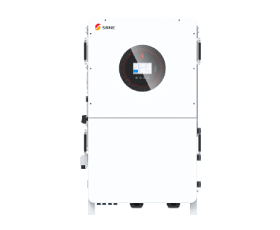
It depends on how much power the property uses at the same time. The ASP 12kW off grid inverter provides 12kW of continuous output at 230V single-phase, with a maximum short-duration output of 24kVA. This makes it a potential option for properties combining residential appliances with workshop tools or pumping equipment. For example, a household drawing 4kW while workshop equipment consumes another 5kW would have approximately 3kW of rated output remaining before accounting for additional loads and startup currents. The inverter also specifies a 6HP motor-load capacity. However, a large pump or compressor may require substantially more power during startup than during normal operation. For mixed residential and workshop installations, checking which equipment operates simultaneously is more useful than selecting the inverter based on total appliance wattage alone.
Can the ASP 12kW inverter use a generator when the grid is unavailable?
Yes. A dedicated generator interface allows an external generator to serve as an additional AC energy source when solar generation is insufficient or battery reserves are running low. For a remote property, this can be particularly useful during prolonged cloudy weather. Instead of relying entirely on oversized battery storage, the system can use generator power according to its configured operating mode. The ASP 12kW solar inverter and charger supports up to 150A of grid or generator battery charging current on the DC side. Actual charging power must be adjusted to the generator's available capacity, especially when household or workshop loads are operating simultaneously. The generator's voltage, frequency and output capacity should be checked against the inverter's accepted input specifications before installation.
What is the difference between 150A generator charging and 200A hybrid charging?
These two specifications describe different charging conditions. The 150A limit applies to battery charging from an accepted grid or generator source, while the 200A figure represents the maximum hybrid charging current when supported charging sources are used together. This distinction matters when planning a 48V battery system. A generator alone cannot be assumed to deliver the full 200A hybrid charging capability. When integrating the 48v inverter with lithium battery storage, the actual charging current must also remain within the battery manufacturer's limits. For example, a battery bank rated for a maximum charging current of 120A should not be configured to accept 200A simply because the inverter supports that higher value. Battery capacity, BMS settings and the availability of solar and AC input all affect the practical charging configuration.
How can time-sharing charging and discharging settings help manage energy use?
Time-sharing settings allow operators to configure charging and discharging behavior for different periods, making it possible to manage stored energy according to expected consumption and available power sources. For example, a property with predictable evening electricity demand may prioritize maintaining battery reserves during the day, then use stored energy during selected periods. Where a suitable external AC source is available, charging behavior can also be coordinated with the intended operating schedule. In an off grid solar system, this flexibility is useful when daytime solar generation, generator availability and household consumption do not occur at the same time. However, time-based settings do not increase the amount of energy stored in the battery. The selected schedule must still account for battery state of charge, expected loads and the remaining energy required for essential equipment.
What does External Load Anti-Backflow Protection actually control?
External Load Anti-Backflow Protection is intended to control unwanted reverse power flow at the specified external-load connection under supported operating conditions. This becomes relevant when solar generation, battery discharge and an external AC source are managed within the same installation. Without appropriate power-flow control, energy may travel toward a connection where reverse flow is not intended. For the ASP 12kW off grid solar inverter, this function should be understood as a specific external-load control feature rather than a general guarantee of grid-export compliance. Installers should confirm the required wiring, sensing or control accessories and the supported operating modes in the installation manual. Whether additional export-limiting equipment is required depends on the complete system architecture and local regulations.
Can the ASP 12kW inverter be installed outdoors or in a semi-open equipment area?
The product is rated IP20 and specified for indoor installation only. It should not be mounted where rain, wind-driven moisture, condensation or excessive dust can reach the equipment. This matters for installations in agricultural buildings, remote cabins and workshops, where electrical equipment is sometimes placed under an open shelter rather than inside a protected room. The 12kw inverter uses built-in fan cooling and has a specified operating temperature range of -10°C to 55°C, with output derating above 45°C. The installation location therefore needs suitable ventilation, protection from environmental exposure and sufficient space for heat dissipation. If the project requires outdoor installation, a properly engineered protective enclosure or a purpose-built outdoor-rated inverter should be considered, subject to the manufacturer's installation requirements.