













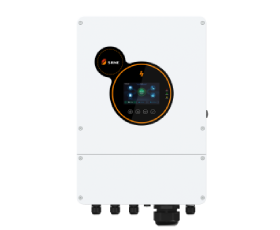
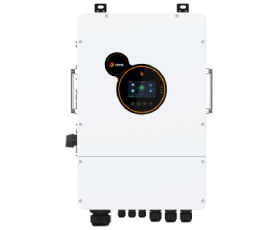

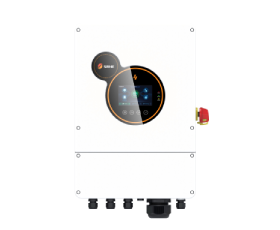
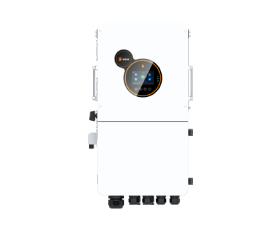

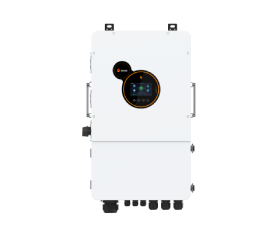

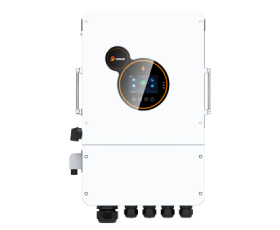

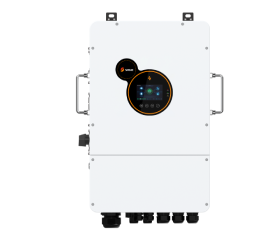
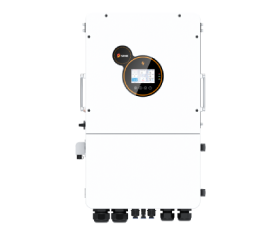

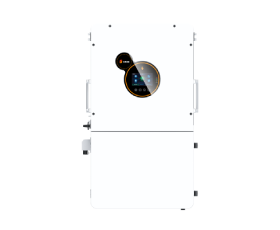
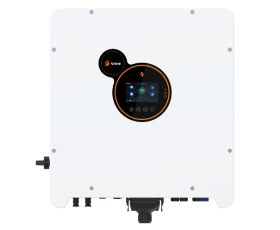


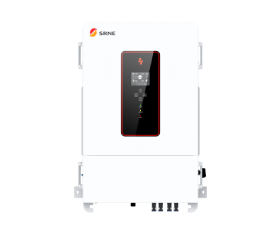
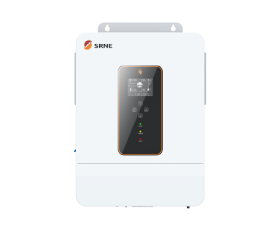
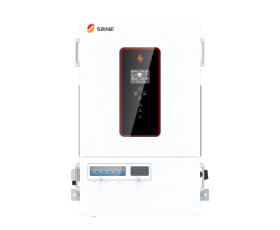

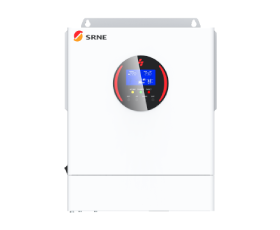

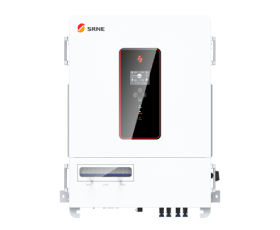
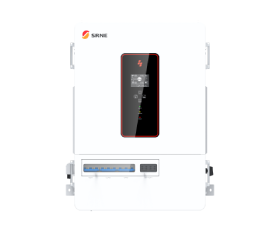









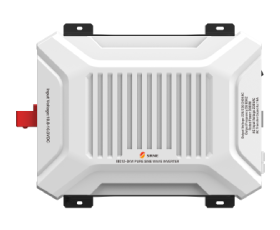

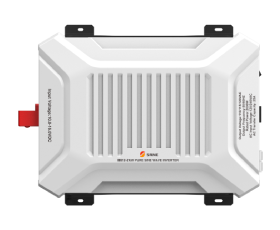
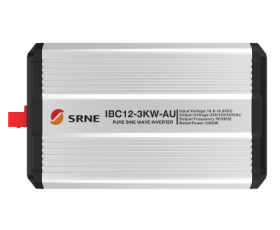
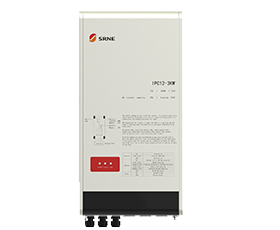








230V Output up to 12kW
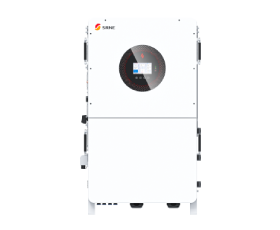
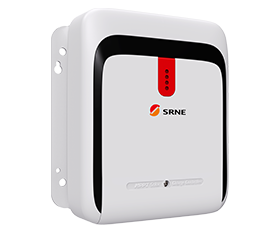
The ASP 8–12kW off grid inverter supplies 8kW or 12kW at 230Vac. Up to 2× short-duration output adds startup headroom for pumps, compressors and other demanding residential loads.
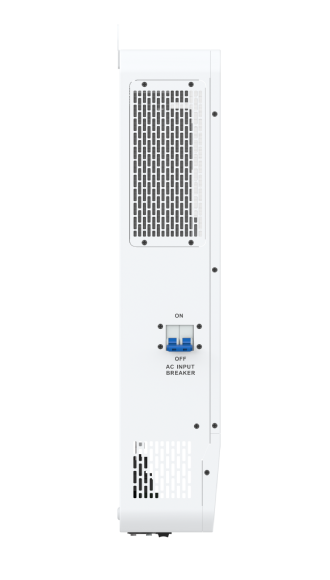
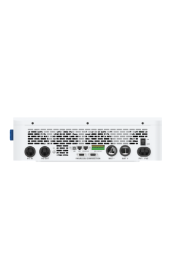
48V Battery with 180–200A Hybrid Charging
A 40–60Vdc battery range keeps storage on a low-voltage platform. Hybrid charging reaches 180A at 8kW and 200A at 12kW, helping this 48V inverter recover larger battery banks faster.
Dual MPPT for Separate Solar Arrays
Two independent MPPT inputs let PV sections track separately. The 12kW model supports up to 13.2kW PV input, giving the 12kW inverter more solar capacity for daytime loads and battery charging.
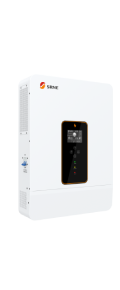

Larger Off-Grid Homes
For properties that need more than a typical 5–6kW system but still use 230Vac single-phase distribution, the off grid solar inverter provides 8kW or 12kW continuous output without requiring a three-phase panel. This suits larger homes, rural residences and workshops with substantial daily electricity demand.
Pumps and Startup-Heavy Equipment
The 8kW model lists 5HP motor capacity and the 12kW model 6HP, while short-duration output reaches 16kVA and 24kVA. That gives the single phase inverter useful starting reserve for pumps, compressors and similar inductive loads, although actual inrush current should still be checked before sizing.
Solar, Battery and AC Backup
Two MPPTs, a 48V battery bank and accepted AC input can work together in one off grid solar system. Typical 10ms switching helps supported loads transition when the AC source drops, while the ASP 8–12kW off grid inverter continues from battery and solar according to the selected mode and available energy.
ASP 8–12kW Single-Phase Off-Grid Power OVERVIEW
Download
Datasheet
User Manual
FAQ

Which model is better for a property with a large pump and moderate household load?

The answer depends on the pump’s starting current, not only its running wattage. SRNE lists motor capacity of 5HP for the 8kW model and 6HP for the 12kW model, together with 2× short-duration output. If the pump is the dominant startup load, the 8kW inverter may already be sufficient when the measured inrush and simultaneous household demand remain inside its limits. The 12kW model adds more continuous and peak headroom, but it should be selected from a load schedule rather than simply choosing the larger rating.
Is the 10ms transfer time the same as a UPS guarantee for every device?
No. SRNE lists a typical 10ms switching time, which is intended to reduce interruption when an accepted AC source is lost and the inverter takes over. Many household loads can ride through a brief transfer, but sensitive controls, networking equipment or certain motor drives may have stricter requirements. When the ASP 8–12kW off grid inverter is used for critical backup, the essential-load list should be reviewed device by device rather than assuming that every connected appliance responds identically.
What does having two MPPTs change in a real installation?
Two independent trackers allow two PV groups to operate at different electrical maximum-power points. That is useful when roof sections face different directions, have different shading patterns or use strings that cannot be combined efficiently on one tracker. For an off grid solar inverter, the benefit is more flexible array design rather than simply “more solar.” Each string still has to stay within the voltage and current limits of its assigned MPPT, and the total PV size should be checked against the exact 8kW or 12kW model.
How should the 2× output figure be used when sizing loads?
Treat it as short-duration startup reserve, not as continuous capacity. The 8kW model is rated at 8kW with a listed maximum output of 16kVA, while the 12kW model is rated at 12kW with 24kVA maximum output. That can help the single phase inverter start pumps, compressors or other inductive loads that briefly demand more power than their running level. Normal load planning should still stay within the rated output, and actual motor inrush should be compared with the inverter’s peak capability.
Does the 48V battery platform become a limitation at 12kW?
It can handle the power class, but battery-side current becomes important. The series operates from 40–60Vdc and the 12kW model supports up to 200A hybrid charging. Under heavy loads, a 48V inverter can draw substantial current, so battery capacity alone is not enough; the BMS, cables, disconnects and overcurrent protection must also support the required current. This is one reason the battery bank should be sized from both energy demand and current capability instead of only from the desired backup hours.
Why would I choose the 12kW ASP instead of using two smaller inverters?
A single 12kW unit keeps the AC output architecture simpler when one inverter can cover the expected continuous load and startup demand. The ASP48120S200-H provides 12kW rated output and up to 24kVA short-duration output, so it can serve a high-demand 230Vac system without immediately moving to parallel equipment. A 12kW inverter also concentrates PV and battery management in one unit. Two smaller units may still make sense when redundancy, staged expansion or a different distribution strategy is more important than a simpler single off-grid inverter design.