













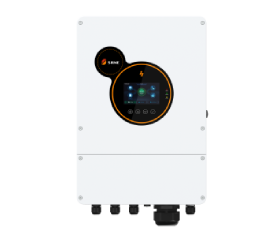
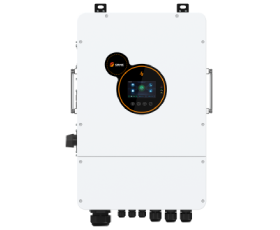

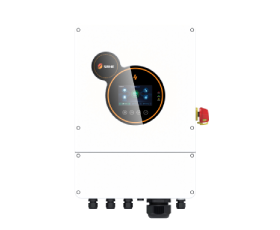
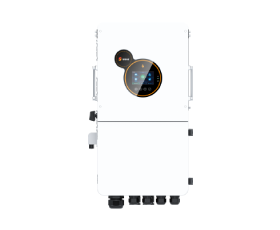

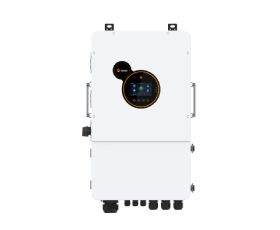

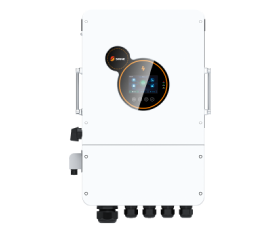

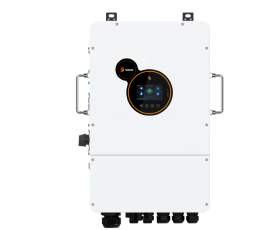
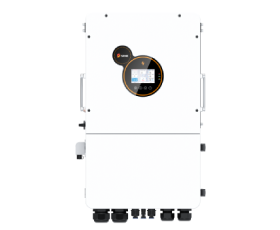

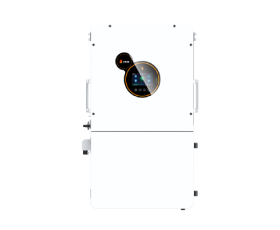
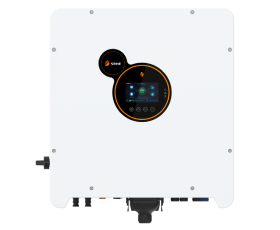
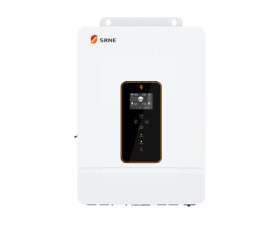

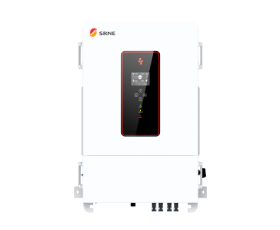
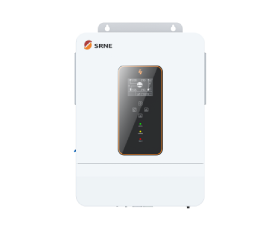
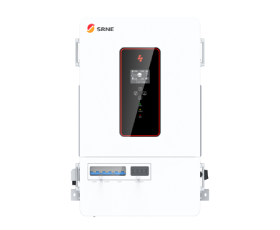

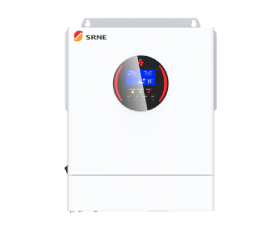

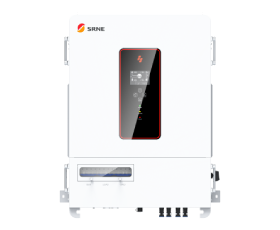








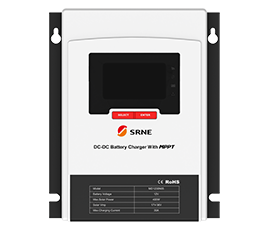

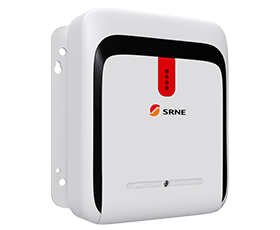
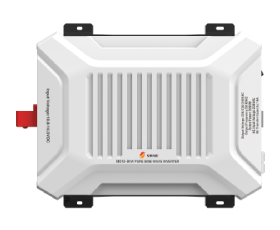

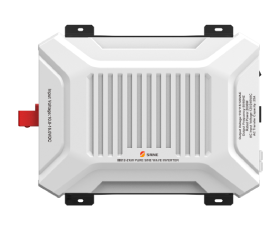








48V Battery Bank for Native 230/400Vac Off-Grid Output
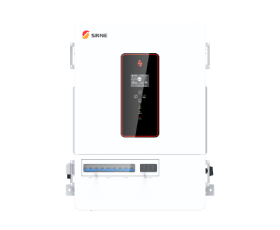
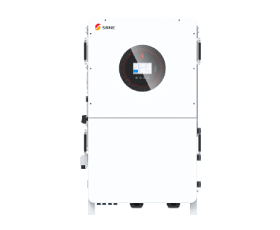
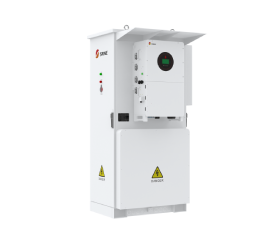
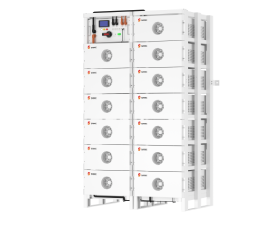
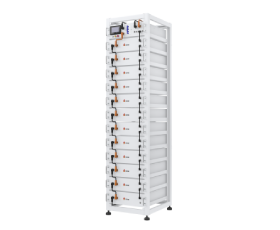
A 48V battery bank can be retained while the inverter supplies native three-phase AC, avoiding the need to move the storage side to a high-voltage battery architecture. The ASP 8–12kW EU three-phase series combines a 48V low-voltage battery platform with 230/400Vac three-phase pure sine-wave output for larger homes, workshops and light-commercial off-grid systems using 48V lithium or lead-acid storage.


260A Hybrid Charging on the 12kW Off-Grid Model
The 12kW ASP SH3 reaches 260A hybrid charging, reducing recovery time for large 48V battery banks after sustained three-phase loads. Battery-side charging scales with model size: maximum hybrid charging is listed at 180A for 8kW, 220A for 10kW and 260A for 12kW.
18kW Solar Capacity for the 12kW SH3 Model
The 12kW ASP SH3 can accept an 18kW PV array, leaving more solar energy available for daytime three-phase loads and battery charging; the 800V ceiling also supports longer strings. The 12kW version accepts up to 9kW + 9kW of PV across two MPPT channels, while the 8kW and 10kW models scale at 6kW + 6kW and 7.5kW + 7.5kW.


2x Peak Output for Three-Phase Starting Loads
The peak-power allowance is most valuable during brief startup events, giving inductive loads extra inrush margin without redefining continuous output. Rated output is 8kW, 10kW or 12kW, while SRNE lists maximum output at 16kVA, 20kVA and 24kVA respectively.
Scale the Three-Phase Off-Grid System to 72kW
Parallel operation allows capacity to grow in stages while keeping the same inverter family and control architecture. Up to six units can be connected, reaching 72kW when six 12kW units are configured correctly.
Recover Dormant Lithium Batteries from More Than One Source
Dual lithium-battery activation gives the ASP SH3 more than one way to wake a compatible battery from a dormant or protected state, reducing dependence on a single available source during recovery. Its multiple charging modes then coordinate PV, grid/generator and battery conditions after the battery is active.
OVERVIEW
Download
Datasheet
User Manual
FAQ

Can this inverter supply both 230V single-phase and 400V three-phase loads?

Yes. The ASP 8–12kW three phase inverter provides 230/400V AC output, allowing appropriately connected single-phase and three-phase equipment to operate within the same electrical distribution system. In a typical installation, 400V three-phase power may be used for workshop machinery or agricultural pumps, while 230V circuits supply lighting, control equipment and smaller appliances. However, the distribution arrangement matters. Single-phase circuits must be connected according to the inverter's output wiring requirements, and their demand must remain within the permitted load on each phase. Before installation, confirm the voltage, frequency and phase requirements of the connected equipment rather than relying on its total wattage alone.
Should I choose the 8kW, 10kW or 12kW model for a three-phase property?
The appropriate model depends on total power consumption, the distribution of loads across three phases and the starting requirements of connected equipment. The ASP 8–12kW off grid inverter range offers rated outputs of 8kW, 10kW and 12kW, with published rated phase outputs of approximately 2.6kW, 3.3kW and 4kW respectively. For example, a site with 7kW of total demand may appear suitable for the 8kW version. However, if several single-phase appliances are concentrated on one phase, that phase may exceed its rating before the system reaches 8kW overall. Installers should therefore prepare both a total-load calculation and a phase-by-phase load schedule. The 12kW model provides more available capacity, but choosing a larger inverter does not eliminate the need for correct load distribution.
Can the inverter start a three-phase water pump or other motor-driven equipment?
The series supports motor loads rated up to 5HP on the 8kW model and 6HP on the 10kW and 12kW models. Maximum short-duration output is listed at 16kVA, 20kVA and 24kVA respectively, providing additional capacity for brief starting events. When using a 3 phase inverter to operate pumps, compressors or workshop machinery, motor starting current deserves particular attention. A motor can draw substantially more current during acceleration than during continuous operation, especially with direct-on-line starting. For an agricultural pumping installation, the pump's rated power, starting method, acceleration time and other operating loads should be assessed together. A soft starter or variable-frequency drive may be useful where starting demand exceeds the available peak output.
How much solar capacity can be connected to the two MPPT inputs?
PV input capacity varies by model. The 8kW version supports up to 12kW, the 10kW version supports 15kW, and the 12kW version accepts up to 18kW of solar input. The largest model divides its PV allowance into two independent MPPT channels, each rated for up to 9kW. This allows separate array groups to be connected where their electrical characteristics and installation conditions make independent tracking useful. For an off grid solar inverter, PV string configuration should be calculated using the selected modules' operating voltage, current and temperature-adjusted open-circuit voltage. The series specifies a maximum PV voltage of 800V, but the applicable MPPT operating and input-current limits must also be respected. An 18kW PV array does not turn the 12kW inverter into an 18kW AC source. Additional PV capacity can contribute to daytime energy production and battery charging within the system's operating limits.
Can a 48V battery system support three-phase loads, and how does charging capacity differ?
Yes. The inverter uses a nominal 48V battery platform while producing 230/400V three-phase AC output. This allows compatible low-voltage lithium or lead-acid battery storage to be used without moving to a high-voltage battery architecture. Charging capability depends on the selected model. Maximum hybrid charging current is 180A for 8kW, 220A for 10kW and 260A for 12kW. When configuring a 48v inverter, the battery bank must support both the expected discharge current and the selected charging limits. A battery system with sufficient stored energy may still be unsuitable if its BMS cannot deliver the current required during high-power operation. For properties operating three-phase equipment throughout the day, battery sizing should consider the operating schedule, expected solar generation and the amount of energy required when sunlight is unavailable.
What happens if the three phases are not carrying equal loads?
Unequal phase loading can occur when a property combines three-phase machinery with independently operated 230V circuits. For example, lighting and office equipment may be concentrated on one phase while other phases supply smaller loads. The ASP 8–12kW three phase solar inverter has published rated phase outputs of 2.6kW, 3.3kW and 4kW for the respective models. These values provide an important reference when planning how single-phase circuits are distributed. Unlike the total three-phase output rating, the per-phase rating helps identify whether a particular phase may become overloaded. The available product specifications do not establish a separate 130% or 150% phase-imbalance allowance for this series. Installers should therefore follow the model's published phase limits and relevant manual requirements rather than assuming the overload characteristics of another ASP product apply.
Can the system be expanded beyond 12kW without changing inverter series?
Yes. Parallel operation supports up to six compatible units, allowing the total installed inverter capacity to increase as the site's electrical demand grows. Six 12kW units provide a combined nominal output rating of 72kW. This can be useful for an off grid solar system that begins with a limited number of loads but may later add equipment, additional buildings or higher-power machinery. Expansion requires more than connecting additional inverters. Battery discharge capability, AC distribution, communication between units and protection devices must be designed for the intended combined output. If future expansion is likely, planning the battery system and electrical infrastructure from the beginning can make the transition to a larger three-phase installation more practical.