













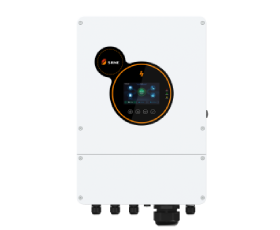
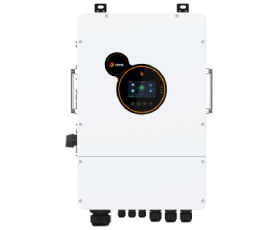

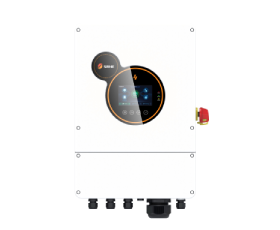
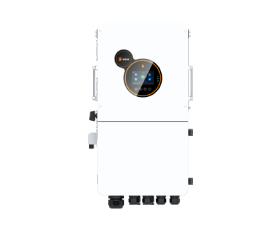

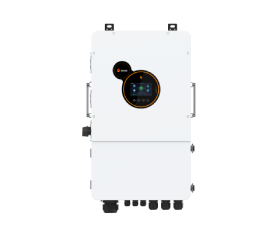

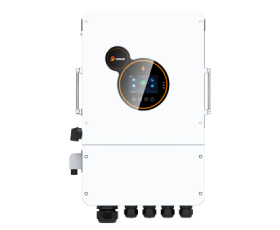

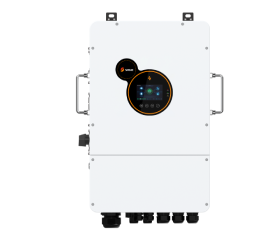
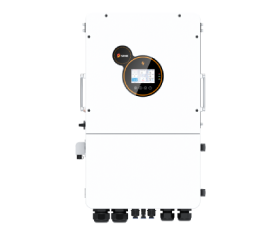

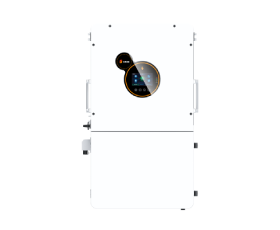
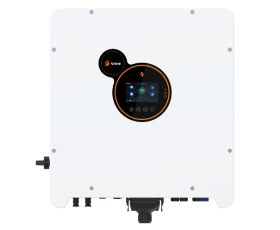


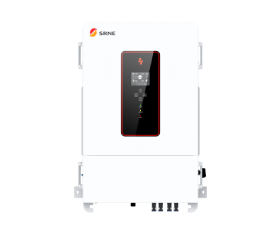
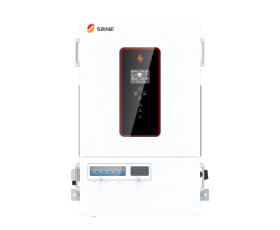


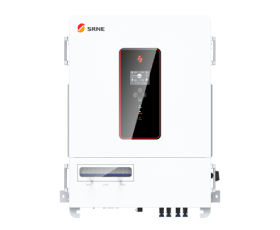
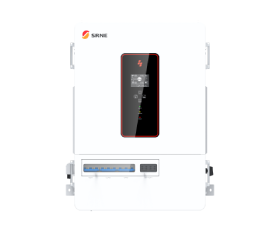

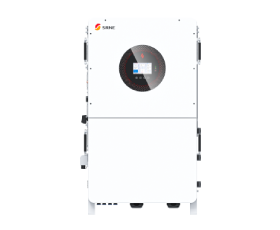





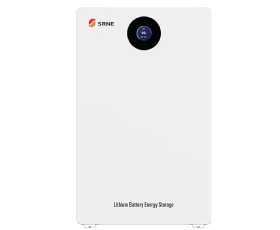
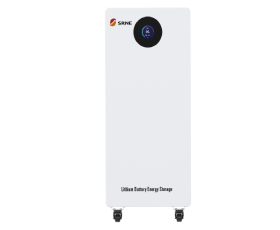
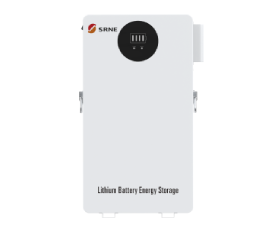
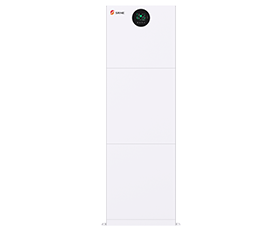
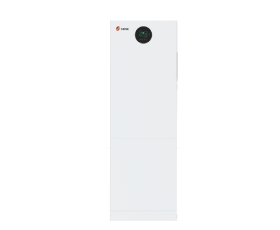



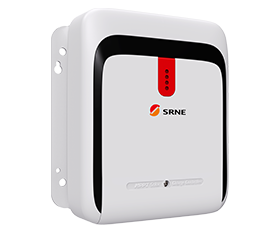










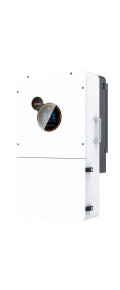
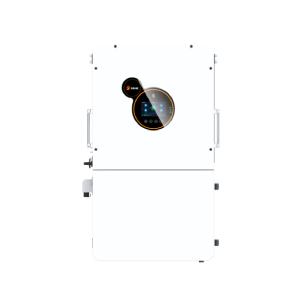
HESP 15-18kW
Three Phase Low Voltage Hybrid Inverter
US | Three Phase | 3 MPPTs

Three MPPT Zones for Larger Arrays
The HESP 15-18kW three phase hybrid inverter uses three MPPTs rated up to 26A each. PV input reaches 24-28.8kW, giving this mppt hybrid inverter more freedom to separate large array sections.
Support for Uneven Three-Phase Loading
The three phase inverter supports uneven phase loading rather than identical demand on every phase. Rated output is 15-18kW, with 30-36kW peak capability for mixed loads and short starting events.
High-Current 48V Storage and 200A Bypass
The battery range remains 40-60Vdc and the 18kW model reaches 350A charge/discharge. A 200A grid bypass lets the 48V inverter carry heavy grid-fed loads without routing the same power through the battery path.

Multi-Orientation PV Layouts
Three trackers let installers assign strings to different roof planes or array sections. Where east, west and south-facing modules cannot share one operating point, the three phase solar inverter can keep those PV groups electrically independent within each tracker’s limits.
Sites with Uneven Phase Demand
Large homes, farms and light-commercial buildings rarely draw identical power on all three phases. The 3 phase hybrid inverter can be planned around the actual phase distribution while retaining short-term peak reserve for equipment that starts abruptly.
Grid, Generator and Battery Coordination
A generator input, high battery-current capability and the 200A bypass create more options than simple battery backup. The hybrid inverter with generator input can coordinate weak-grid periods, generator-supported charging and heavy grid-fed demand instead of treating each source as emergency-only.
HESP 15-18kW US Three-Phase Hybrid Inverter OVERVIEW
Download
Datasheet
FAQ

How should generator use be planned on this platform?

The dedicated generator connection is most useful when generator operation is intentionally coordinated with battery state, load demand and grid availability. It can support charging during long outages or low-solar periods, but the generator should not be sized only to the inverter’s AC rating. In a hybrid inverter with generator input system, the expected simultaneous load plus charging demand, generator voltage quality and charging limits should be reviewed together so the generator is not asked to supply more than it can sustain.
How should the 15kW, 16kW and 18kW models be differentiated?
The models do more than change the AC nameplate rating. Maximum PV input increases from 24kW to 25.6kW and 28.8kW, while peak output rises from 30kW to 32kW and 36kW. The largest model also reaches the highest battery-current capability. A HESP 15-18kW three phase hybrid inverter should therefore be chosen by the combination of phase demand, PV field size and battery-current requirement instead of selecting the highest wattage by default.
Why does an 18kW inverter need special attention on a 48V battery platform?
Because power is high while battery voltage remains low, DC current becomes a major design constraint. On the 18kW variant, the published hybrid charge/discharge ceiling is 350A. A 48V inverter at this level needs battery modules, busbars, cables, BMS settings and overcurrent protection that can safely support the intended continuous and short-duration current. A large kWh figure alone does not prove that the battery bank can deliver the required power.
What is the practical role of the 200A grid bypass?
The bypass path allows accepted grid power to serve substantial AC demand directly instead of making the battery and inverter stage carry every watt. This is different from battery discharge capacity: it is an AC-side path used when the grid is available. On a solar hybrid inverter project with heavy daytime loads, the 200A bypass can reduce unnecessary battery throughput while still keeping storage available for outages or energy-management objectives. Breakers, conductors and the incoming supply must still be sized for the actual bypass current.
What does uneven phase loading change in system planning?
A three-phase site does not necessarily consume one-third of its power on each phase. Kitchens, pumps, workshop equipment and other branch circuits can create very different phase loads during the day. The HESP platform is designed to accommodate that imbalance rather than requiring a perfectly symmetrical load profile. With a three phase inverter, panel schedules and the largest expected phase load should be checked individually, especially when several high-demand circuits may operate at the same time.
When do three MPPT trackers make a real difference?
Three trackers matter when the PV field cannot be treated as one or two identical electrical groups. Separate roof orientations, unequal string lengths or array sections with different operating conditions can each be assigned to their own MPPT. The datasheet lists 26A + 26A + 26A maximum PV input current and maximum PV input of 24kW, 25.6kW and 28.8kW across the series. For a mppt hybrid inverter, that reduces the need to force unlike strings onto the same tracking channel and gives the designer more room to organize a large array.