













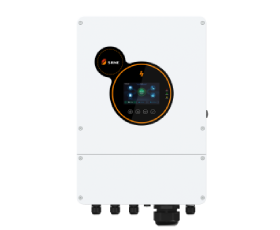
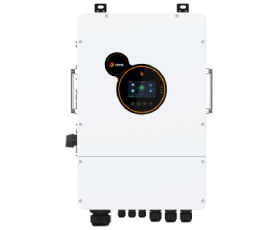

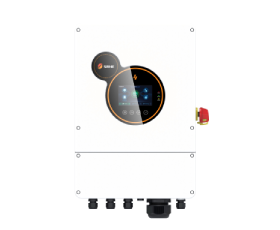
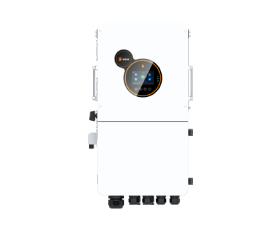

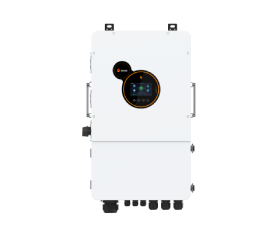

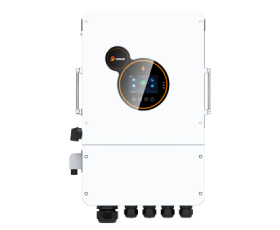

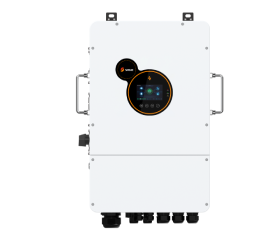
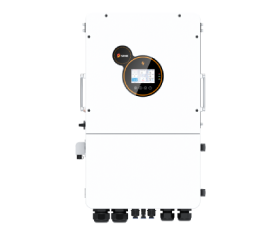

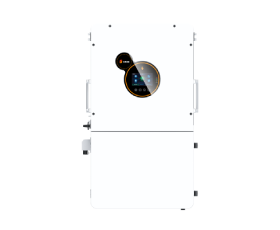
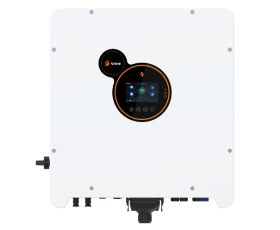


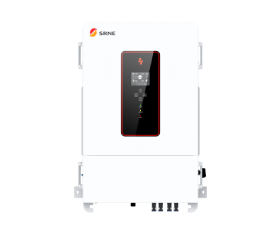
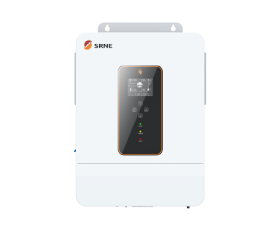
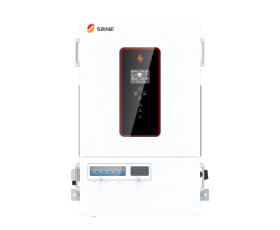

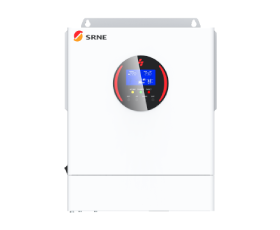

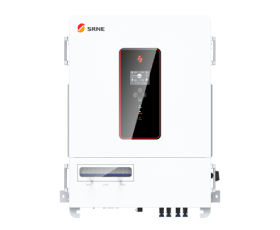
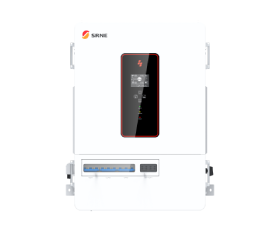

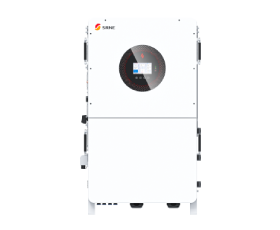





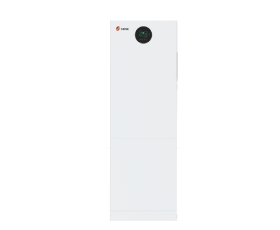



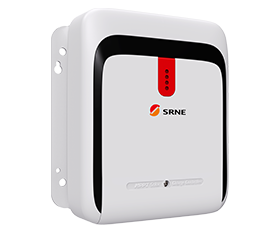
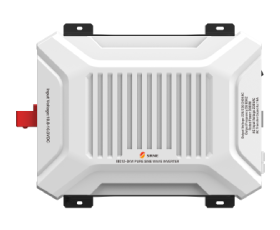

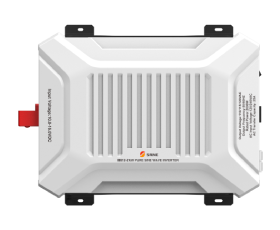
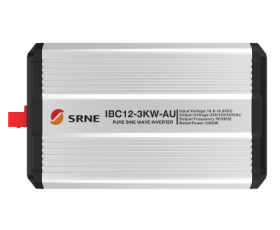
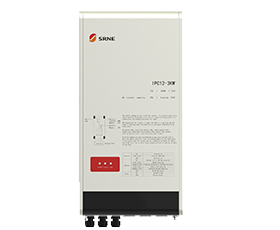
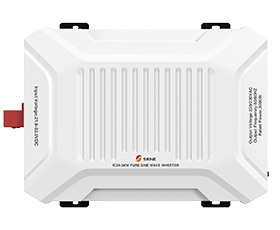
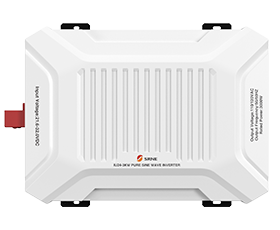







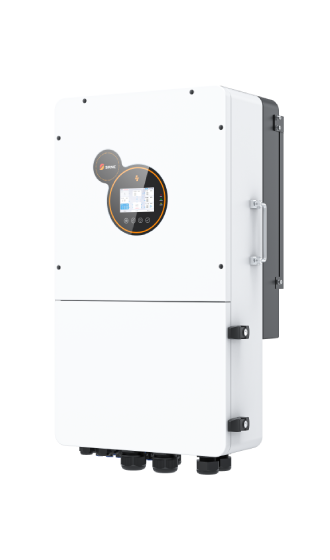
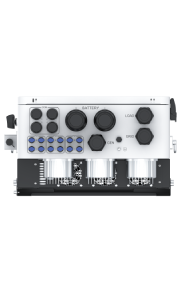
HESP 14-18kW
Single/Split Phase Low Voltage Hybrid Inverter
EU | Single Phase | 3 MPPTs

Up to 380A on a 48V Battery Platform
The HESP 14–18kW single phase hybrid inverter reaches up to 380A charge/discharge on the 18kW model, supporting high-power storage while retaining a 40–60Vdc battery architecture.
Three 42A MPPTs for Large PV Arrays
Three 42A MPPTs and a 2+2+2 string layout suit high-current modules and multi-array roofs. PV input reaches up to 28.8kW, giving the solar hybrid inverter substantial solar headroom.
2× Peak Output and Nine-Unit Expansion
Each model provides up to 2× rated peak output for 10 seconds, while 1–9 unit parallel operation supports staged growth. The single phase inverter gains both startup reserve and an expansion path.


Large Homes Staying on 230V Single Phase
The 14kW, 16kW and 18kW models deliver high AC power without changing the site to three-phase output. This makes the hybrid solar inverter suitable for larger homes, villas and light-commercial properties that have heavy loads but retain a 230Vac single-phase electrical architecture.
Large Roofs with High-Current PV Modules
Three 42A MPPTs allow the PV field to be divided across multiple roof planes or string groups while accommodating higher-current modules. With PV input up to 1.6× rated AC power, hybrid inverters for solar in this range can provide more daytime generation for simultaneous loads and battery charging.
High-Capacity Backup with Staged Expansion
Two-level battery buck-boost topology, 2× peak output and up to nine parallel hybrid inverters support projects with high battery current and future growth. The 48V inverter can also wake from grid, PV or generator input, adding recovery options after shutdown or deep battery discharge in a large storage system.
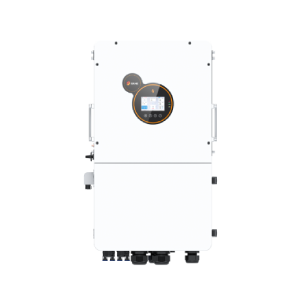
HESP 14–18kW Single Phase Hybrid Inverter OVERVIEW
Download
Datasheet
User Manual
FAQ

Why offer 14–18kW on a single-phase platform instead of moving to three phase?

Some large homes and light-commercial sites have high power demand but are still built around 230Vac single-phase service. The HESP 14–18kW EU range lets those projects add solar and battery capacity without changing the load-side architecture to obtain more inverter power. A single phase inverter at this rating still requires careful conductor, breaker and utility-side planning because AC current is high. The product is therefore most relevant where the site genuinely needs high single-phase capacity rather than where three-phase distribution would be more appropriate.
What does 380A battery throughput mean for the 18kW model?
It indicates the maximum charge/discharge current supported by the larger model on its 48V battery platform. At 18kW, a low-voltage battery system can carry very high current, so the battery BMS, parallel battery modules, conductors, busbars, fuses and disconnects become central design elements. A 48V inverter should not be paired with a battery bank only because the nominal voltage matches. The storage system also needs enough current capability and thermal margin to support the inverter’s real operating demand.
Why are three 42A MPPTs useful with modern solar modules?
Many newer modules have higher operating current than older designs, and large roofs may include several array orientations. Three MPPTs with up to 42A per tracker allow the PV field to be divided into separate operating groups while accommodating higher-current strings. The solar hybrid inverter supports a 2+2+2 string arrangement and PV input up to 22.4kW, 25.6kW or 28.8kW depending on model. String voltage and current must still be checked against each MPPT rather than only against total array wattage.
Does 1.6× PV oversizing mean the inverter can output 1.6× its rated AC power?
No. The higher PV allowance increases available solar energy across weaker irradiance and can support simultaneous load plus battery charging, but AC output remains limited by the inverter’s rating. For example, the 18kW model accepts up to 28.8kW PV while its rated AC output remains 18kW. Hybrid inverters for solar often allow DC-side oversizing for energy yield, but the array still has to remain within voltage, current and tracker limits. Oversizing should be designed around local irradiance and clipping expectations.
What is the benefit of the two-level battery buck-boost topology?
SRNE identifies this topology as a way to reduce current ripple and electrical stress during high-current battery operation. That matters as charge and discharge current rises into the hundreds of amps, because ripple and switching stress can influence thermal behavior and component loading. In a high-power hybrid inverter, the battery stage is doing more than simple voltage conversion; it has to manage large bidirectional power flow between storage and the AC/PV system. The topology supports that task; correct battery and cabling design remains essential.
Why does three-source wake-up matter in a residential storage system?
A deeply discharged or shut-down system may not always have every source available at the same time. HESP 14–18kW EU can be activated from grid, PV or generator input, giving the installer more recovery paths than a design that depends on only one source. This is useful for large HESP 14–18kW single phase hybrid inverter systems in weak-grid or backup-focused applications. It does not replace correct low-battery protection; instead, it makes restart and recovery more flexible after an outage or deliberate shutdown.