























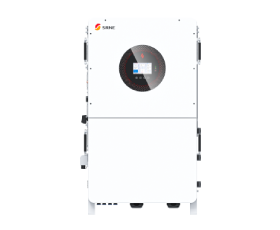


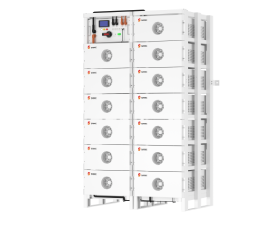
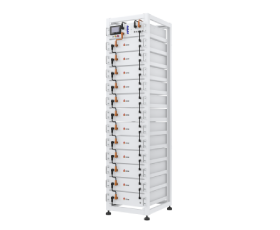


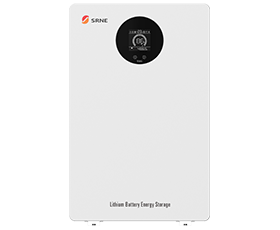

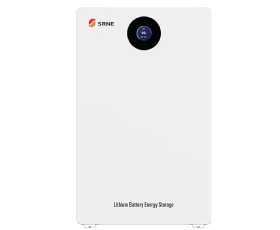
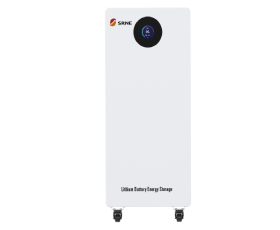
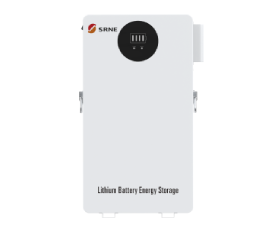
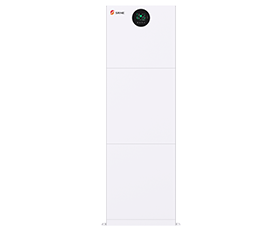
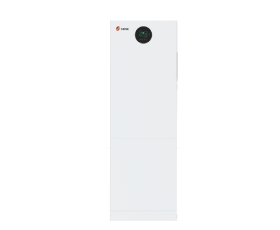











One 51.2V Platform, Six Energy Sizes
The SF 5.12-30.10kWh solar storage battery stays at 51.2V while capacity rises from 100Ah to 588Ah. Energy spans 5.12-30.10kWh without changing voltage class.


Cycle Rating Rises on Larger Models
Cycle life is 6000 on 5.12-14.33kWh models, then 8000, 9000 and 10000 on 16.07, 20.07 and 30.10kWh versions. The energy storage lithium battery family therefore adds a durability tier as capacity increases.
Parallel Expansion on Larger Models
The 10.49-30.10kWh batteries support up to 32 units in parallel. A solar energy storage system can scale beyond one enclosure while staying at 51.2V, provided communication and protection are planned for the final count.

Size by Daily Energy, Not Inverter kW
Choose capacity from the energy that must be stored or backed up, not from inverter power alone. The solar battery storage range moves from 5.12kWh for limited energy coverage toward 30.10kWh when the project needs longer backup or more daily solar shifting.
Match Cycling Intensity to the Model
Systems that charge and discharge frequently place different demands on a battery than occasional emergency backup. The residential energy storage models with 8000-10000 published cycles add another selection factor when repeated cycling is expected over the project life.
Scale a 51.2V System Without Changing Voltage
The larger SF-Pro models can be paralleled up to 32 units, so stored energy can grow while nominal battery voltage stays the same. That makes the solar storage system suitable for staged expansion, provided inverter compatibility, communications, cabling and protection are designed for the final configuration.
SF-Pro 5.12-30.10kWh Solar Storage Battery OVERVIEW

Download
Datasheet
User Manual
User Manual_SR-SF Series_30kWh_ Energy Storage Battery_EN-V01
PDF - 4M - Updated Friday, September 11, 2026
User Manual_SR-SF Series_20kWh_ Energy Storage Battery_EN-V01
PDF - 3M - Updated Friday, September 11, 2026
User Manual_SR-SF Series_5kWh_ Energy Storage Battery_EN-V02
PDF - 4M - Updated Friday, September 11, 2026
User Manual_SR-SF Series_10kWh_ Energy Storage Battery_EN-V02
PDF - 3M - Updated Friday, September 11, 2026
User Manual_SR-SF Series_14.33~16.07kWh_ Energy Storage Battery_EN-V01
PDF - 3M - Updated Friday, September 11, 2026
FAQ

Why does every SF-Pro model stay at 51.2V while kWh changes so much?

The family changes Ah capacity rather than system voltage. Rated capacity rises from 100Ah to 588Ah while nominal voltage remains 51.2V and maximum charging voltage remains 57.6V. That makes it easier to compare batteries inside one low-voltage architecture because the inverter voltage class does not need to change simply to obtain more stored energy. An energy storage battery still has to be checked for communication support and charge-discharge current limits before it is paired with a specific inverter. Voltage compatibility remains a separate sizing check.
How should I use the different cycle-life ratings when selecting a model?
Cycle rating is one of the product differences, not a single number for the whole family. The 5.12, 10.49 and 14.33kWh models are listed at 6000 cycles, the 16.07kWh model at 8000, the 20.07kWh model at 9000 and the 30.10kWh model at 10000. For lifepo4 battery energy storage systems that cycle every day, the published cycle tier can be weighed alongside capacity, expected depth of discharge and operating conditions rather than choosing only by the largest kWh value. Daily-cycling projects may value this difference more.
Is a 30.10kWh battery automatically better for whole-home backup?
No. More kWh extends the amount of energy available, but it does not by itself increase the inverter’s AC power or remove the need to prioritize loads. A solar battery storage design should separate two questions: how many kW must be supplied at one time, and how many kWh are required for the desired duration. A smaller battery may meet a short essential-load target, while the 30.10kWh option makes more sense when longer backup or greater daily energy shifting is the objective. Runtime and power still need separate sizing.
Which models provide the broadest parallel-expansion path?
The datasheet lists up to 32 units in parallel for the 10.49kWh, 14.33kWh, 16.07kWh, 20.07kWh and 30.10kWh models. That allows a solar energy storage system to add substantial energy without changing from the 51.2V battery class. Parallel expansion still changes total current, communication topology, cable requirements and protection, so the maximum unit count should be treated as an engineering limit rather than a plug-and-play promise. Plan expansion from the intended final unit count.
What should be confirmed on the inverter side before selecting an SF-Pro battery?
First confirm that the inverter accepts a 51.2V nominal battery and supports the required battery communication method. Then compare its charge and discharge current capability with the selected SF-Pro model and the number of batteries that will operate together. In a residential energy storage project, inverter power, battery kWh and battery current are three separate sizing checks. A system can have enough stored energy yet still be limited if the permitted current or communication setup does not match. Verify communication and current limits before installation.
When is it better to choose one larger SF-Pro battery instead of several smaller units?
A larger single battery can simplify the number of enclosures and interconnections, while multiple batteries can provide a staged way to reach the required energy. The correct choice depends on the target kWh, available installation space, current distribution and whether future expansion is expected. Because the solar storage battery family keeps the same 51.2V nominal voltage, designers can compare those approaches without also changing the inverter’s battery-voltage class. The final layout should still follow the model-specific parallel limits. The choice also affects layout and future expansion.