













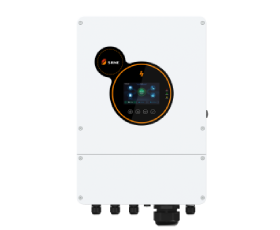
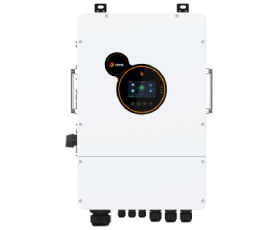

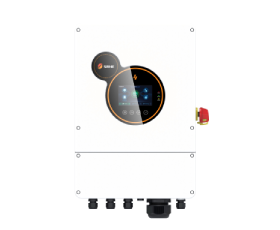
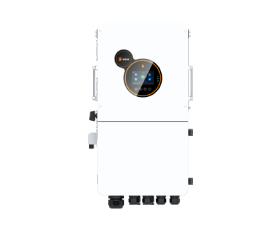

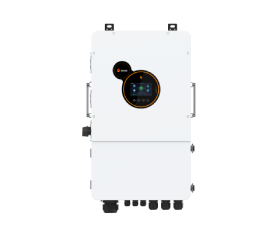

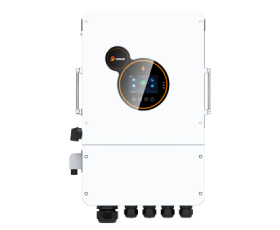

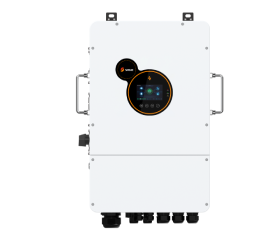
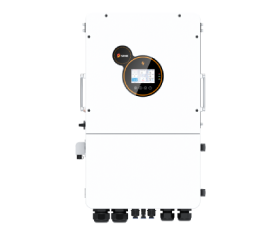

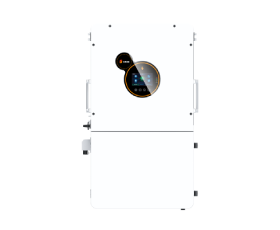
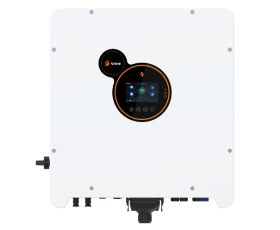


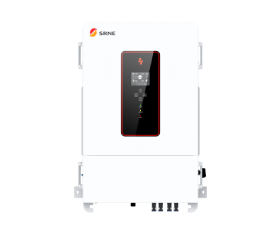
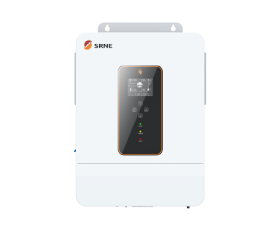
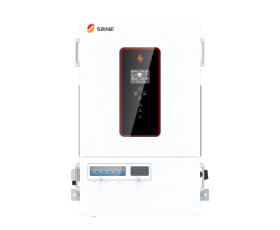

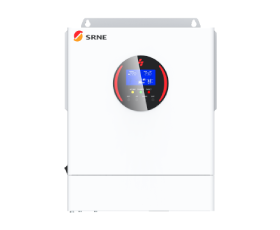

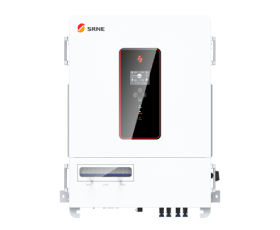
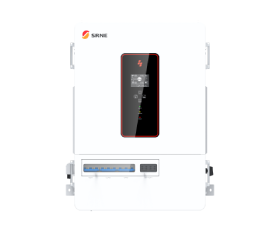

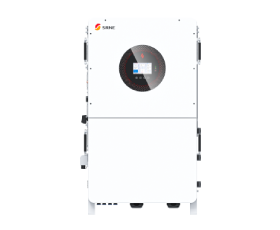


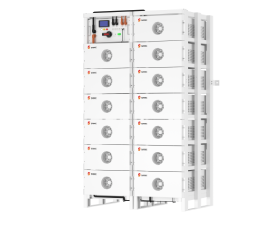
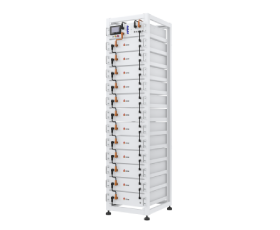


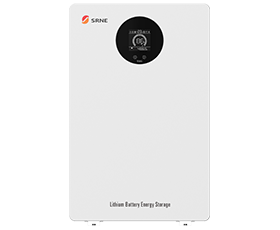

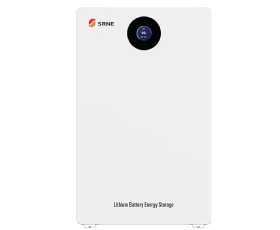
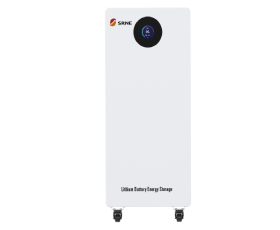
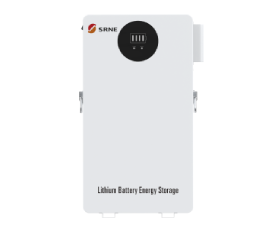
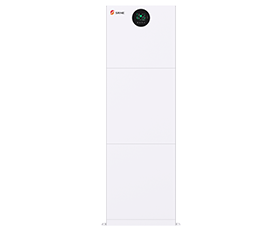
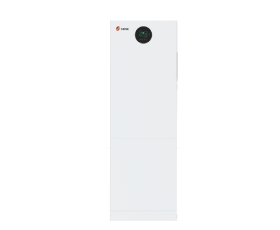



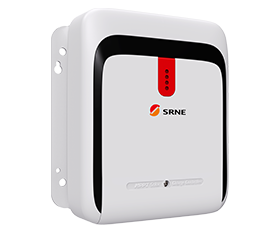
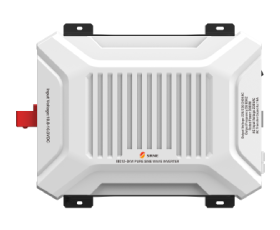

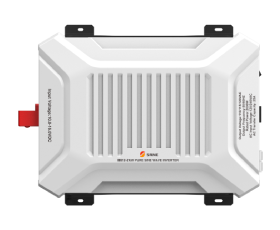
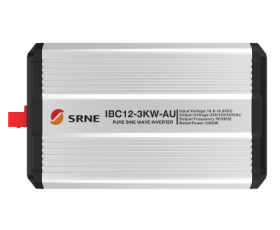
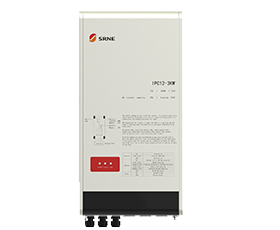
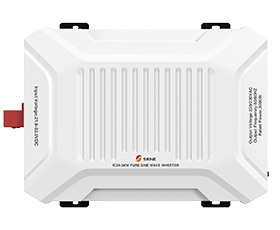
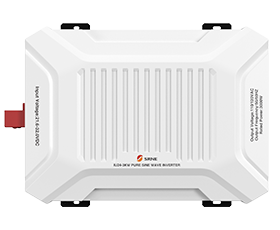


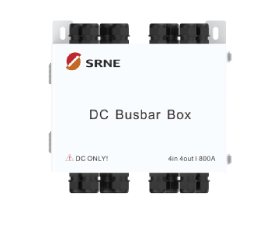






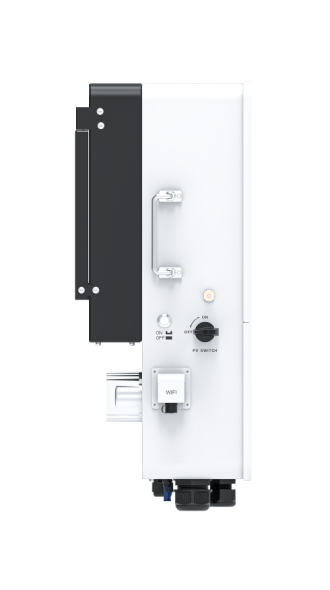
HESP 14-16kW
Three Phase Low Voltage Hybrid Inverter
EU | Three Phase | 2 MPPTs

PV Capacity Above AC Nameplate
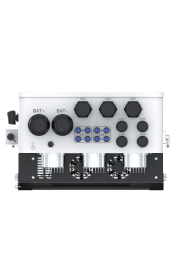
The HESP 14-16kW three phase hybrid inverter accepts 22.4-25.6kW of PV. Its 1.6x DC-to-AC ratio gives the hybrid solar inverter more solar collection potential without increasing AC output rating.
Two High-Current MPPT Channels
Each MPPT accepts up to 42A, giving the mppt hybrid inverter room for higher-current string groups while two array sections remain independently tracked.
Ten-Second Peak Reserve on 48V Storage
Peak output reaches 28-32kVA for 10 seconds while battery voltage stays at 40-60Vdc. Up to 300A charge/discharge makes the 48V inverter a high-current low-voltage platform.


Roofs Designed Around Higher DC/AC Ratios
Projects that intentionally install more PV watts than inverter AC watts can use the 1.6x allowance to improve harvest outside peak irradiance. The three phase solar inverter suits systems seeking more morning, afternoon or weaker-weather generation without increasing the AC connection rating.
Retrofit Storage Through AC Coupling
AC coupling gives compatible existing solar installations a route to add storage without rebuilding every DC-side component. The solar hybrid inverter can become the storage and backup layer while the existing PV inverter remains in the architecture, subject to control and compatibility checks.
Three-Phase Loads with Short Starting Events
The 10-second peak rating provides a defined window for motors or equipment that draw heavily only at startup. In a 3 phase inverter project, motor starting becomes a separate sizing check from continuous kW, using the available 28-32kVA peak reserve as the reference.
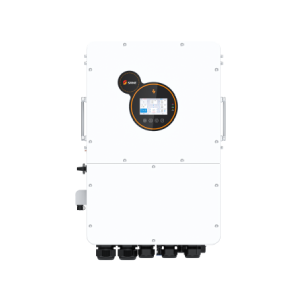
HESP 14-16kW Hybrid Inverter OVERVIEW
Download
Datasheet
User Manual
FAQ

When Should a Generator Be Added to a Three Phase Hybrid Inverter System?

A generator can be useful when a site requires longer backup duration than the battery system can economically provide. Instead of increasing battery capacity for rare extended outages, a generator can provide additional energy support when solar production is limited.
For a three phase hybrid inverter system, generator capacity should be matched with the required backup loads and charging requirements. Proper configuration ensures the generator can supply power while avoiding overload during battery recovery.
The HESP series provides generator integration options for applications such as remote sites, weak-grid areas and properties requiring additional backup reliability.
Can a Solar Hybrid Inverter Be Used for Existing PV System Upgrades?
Yes. AC coupling allows existing PV systems with compatible solar inverters to be upgraded by adding battery storage and backup functions without completely replacing the original solar generation equipment.
A solar hybrid inverter with AC coupling capability can manage energy storage, backup power and power flow between different energy sources. Before installation, system compatibility, export control requirements and communication methods should be confirmed to ensure reliable operation.
This approach is commonly considered for retrofit projects where the existing PV system is still suitable but additional energy storage is required.
What Should Be Considered When Using a 48V Battery With a High-Power Inverter?
A high-power storage system requires careful battery current planning. The HESP series uses a 40-60Vdc battery voltage range and supports charging and discharging current up to 300A.
When using a 48V inverter, battery capacity alone is not enough for system selection. Installers should also check BMS current limits, battery discharge capability, cable sizing, protection devices and terminal specifications to ensure safe and reliable operation.
A properly matched battery system helps the inverter achieve stable performance during normal operation and backup conditions.
Can the HESP Series Handle High Startup Loads in Backup Applications?
Yes. The HESP series provides short-term surge capability to support equipment with high starting currents, such as pumps, compressors and other motor-driven loads.
As a 3 phase inverter, the system can deliver higher temporary output power during startup events. The 14kW, 15kW and 16kW models support up to 28kVA, 30kVA and 32kVA surge output for 10 seconds respectively.
However, the inverter size should still be selected according to actual load characteristics, startup current requirements and the number of devices operating at the same time.
Why Is MPPT Current Capability Important for Solar Installations?
MPPT current capability affects how many high-current PV strings can be connected and how flexibly the solar array can be designed. The HESP series supports up to 42A input current per MPPT, helping installers configure larger PV modules while maintaining stable operation.
With an MPPT hybrid inverter, each tracker should be evaluated separately based on PV string current and voltage rather than only considering the total system power. Dual MPPT design also allows different roof orientations or PV sections with different operating conditions to be managed more effectively.
How Does the HESP 14-16kW Three Phase Hybrid Inverter Support Larger PV System Design?
The HESP 14-16kW three phase hybrid inverter supports up to 1.6 times PV oversizing, allowing installers to connect a larger solar array compared with the inverter’s AC rated output.
For example, the 14kW, 15kW and 16kW models support maximum PV inputs of 22.4kW, 24kW and 25.6kW respectively. This design helps capture more solar energy during periods when PV production is below peak output, improving overall energy utilization.
However, PV oversizing still needs to follow MPPT voltage, current and open-circuit voltage limits. The 1.6x ratio is a system design capability, not a replacement for correct PV string calculation.