













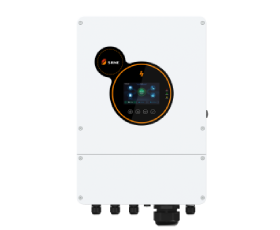
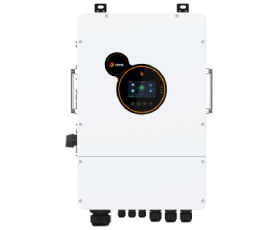

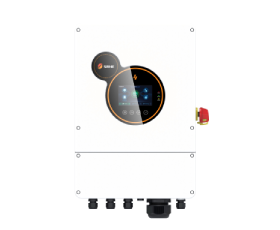
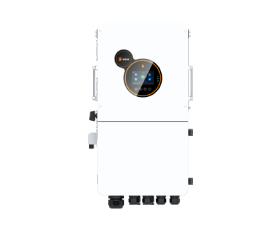

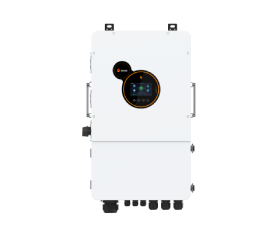

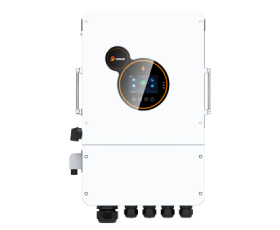

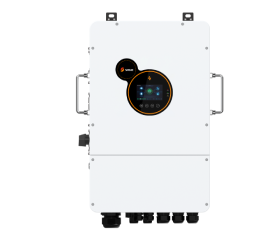
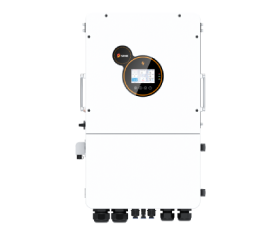

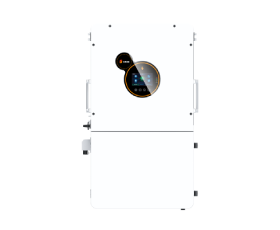
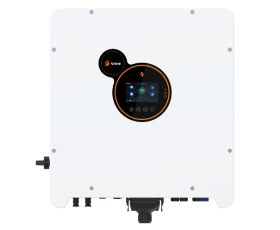


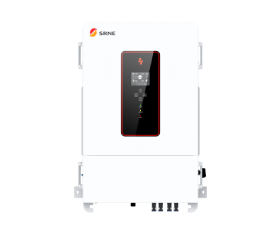
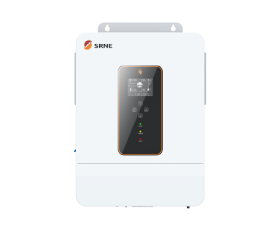
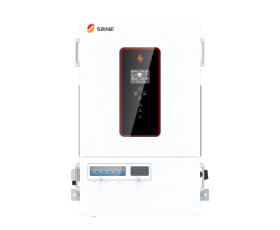

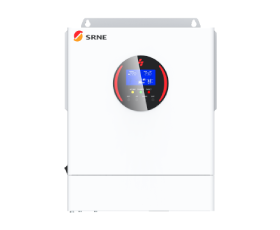

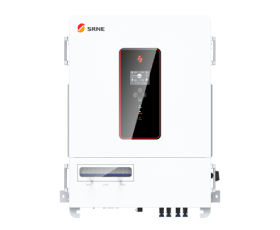
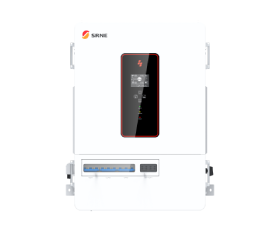

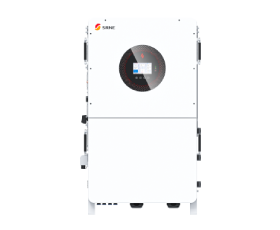





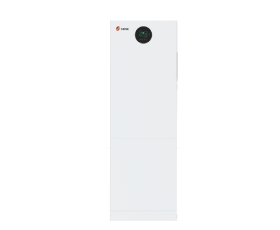



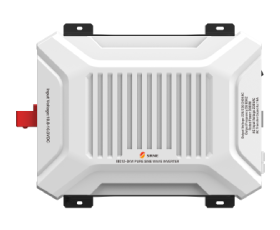

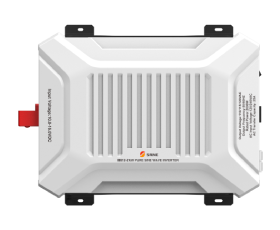
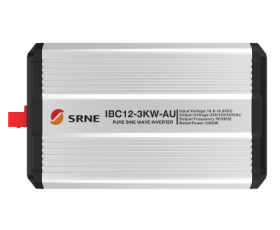
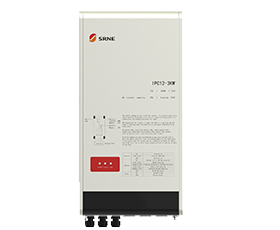
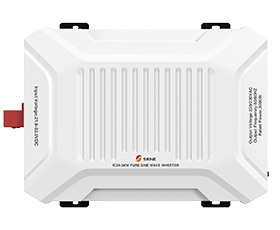
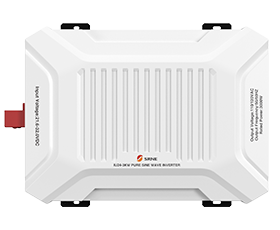


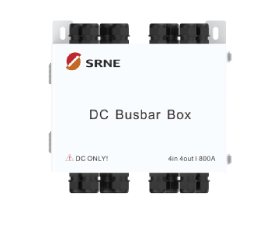







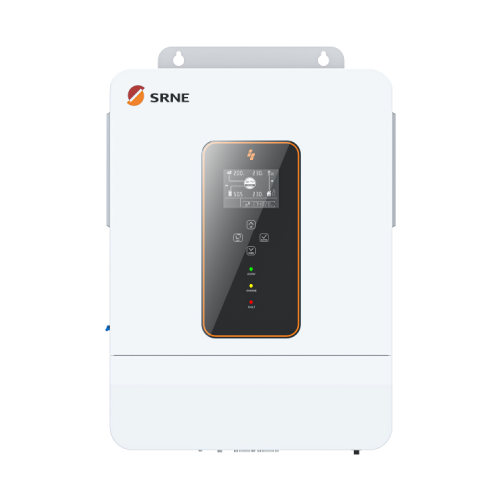
120/240V Split-Phase Across the Full Range
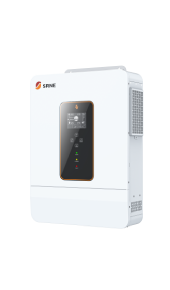
The ASP 4-10kW off grid inverter keeps native 120/240Vac single/split-phase output from 4kW through 10kW, preserving one load-side voltage architecture across the range.
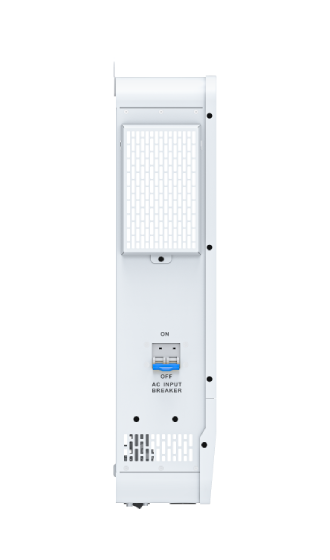
2x Surge Reserve for Every Power Class
Each model provides up to twice rated output for short-duration demand, from 8kVA at 4kW to 20kVA at 10kW. The 10 kW inverter therefore has added startup margin for heavier loads.
MPPT and Charging Sized by Model Group
The 4-6.5kW and 8-10kW groups use different MPPT ranges, while hybrid charging scales from 100A to 200A. This helps the off grid solar inverter match solar and battery hardware to each power class.

Mixed 120V and 240V Household Loads
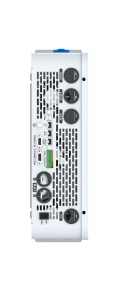
The split phase inverter can serve standard 120V branch circuits and 240V appliances from one platform, making it practical for North American homes, cabins or workshops that need off-grid power without adding a separate voltage-conversion stage. This supports staged load growth.
Phased Solar Installations on the 8-10kW Models
The 8kW and 10kW ASP models can supply loads from available PV and accepted AC input without a battery connected. This allows a project to begin as a 240V inverter system with solar and AC support, then add a 48V battery bank later when storage or outage backup becomes necessary.
Systems That Need More Capacity Over Time
Parallel capability allows the range to scale as demand grows, with the 8-10kW group supporting up to six units and as much as 60kW rated capacity. The 48V inverter platform therefore suits staged projects where load demand, PV capacity and battery storage may be expanded instead of installed all at once.
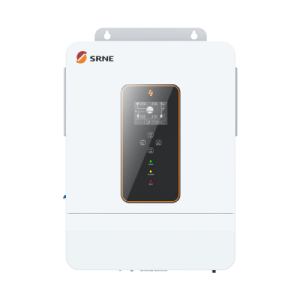
ASP 4-10kW Off Grid Inverter OVERVIEW
Download
Datasheet
User Manual
FAQ

Why does SRNE use different MPPT specifications inside the same ASP 4-10kW family?

The solar front end is matched to the power group instead of forcing one PV design across every model. The 4-6.5kW units use two 18A MPPT inputs with a 150-450V operating range and 550V ceiling, while the 8-10kW group uses 22A + 22A with a 125-425V range and 500V ceiling. For an off grid solar inverter, that means string design should follow the exact model datasheet rather than assuming that every ASP 4-10kW unit accepts the same PV voltage and current. Final string calculations should therefore use the exact ASP model, not the family name alone.
What is the practical difference between rated output and the 2x surge figure?
Rated output is the level used for continuous load planning. The higher figure is short-duration headroom intended for temporary demand such as motor or compressor startup. For example, the 10kW ASP is rated at 10,000W and lists maximum output of 20,000VA. A 10 kW inverter should still be sized around the normal continuous load, while the surge reserve is checked separately against equipment startup behavior. It should not be treated as an extra 10kW of continuous capacity.
Can the 8kW or 10kW ASP operate before the battery is installed?
Yes. SRNE states that the 8-10kW ASP US models can provide batteryless output using available PV and accepted AC input. This can be useful when a project is commissioned in stages and storage is added later. It does not mean the system has backup energy without a battery; when PV and AC sources are unavailable, there is no stored energy to draw from. A 240V inverter used this way should therefore be planned around the sources that are actually present during each project phase. When storage is added later, charging limits and battery protection should be commissioned again.
How should I think about charging current across the different ASP models?
Maximum hybrid charging rises with model size: 100A at 4kW, 120A at 5kW, 140A at 6kW and 6.5kW, 180A at 8kW and 200A at 10kW. That progression helps larger systems recover a bigger battery bank more quickly, but the inverter setting must still respect the battery's charge-current limit. In a 48V inverter system, high charging current also affects cable size, overcurrent protection and BMS capability, so the maximum value should not be used automatically.
Is the ASP range suitable for homes that use both 120V and 240V appliances?
Yes. The series provides native 120/240Vac single/split-phase output, allowing a split phase inverter to support normal 120V branch circuits and 240V loads from the same system. That is useful for homes or workshops with a mixture of lighting, outlets, pumps, HVAC equipment or other higher-voltage appliances. Load balancing and panel design still matter, especially as total demand approaches the selected inverter's rated capacity or when several large loads may start together.
When should I consider parallel units instead of moving directly to one larger inverter?
Parallel operation can make sense when the project needs staged growth, redundancy in equipment layout or more total capacity than one ASP unit provides. SRNE promotes up to six units for both power groups, with the 8-10kW group reaching as much as 60kW rated capacity. Expanding an ASP 4-10kW off grid inverter system later still requires enough battery current capability, PV capacity, AC distribution and protection. The original installation should therefore reserve space and electrical capacity if parallel expansion is part of the plan. Parallel expansion works best when battery current, panel capacity and communications are planned from the start.