













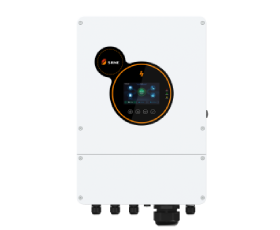
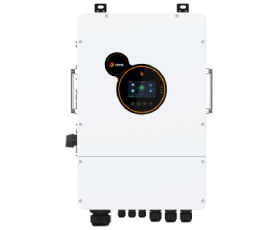

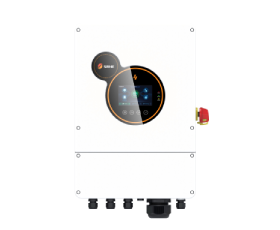
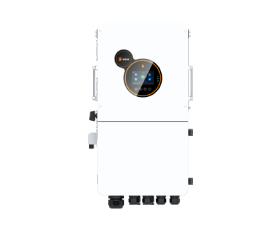

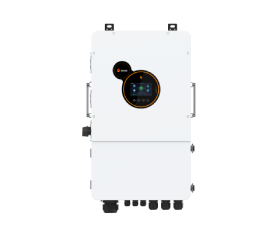

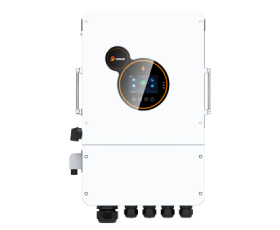

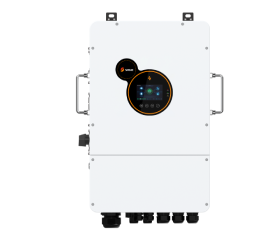
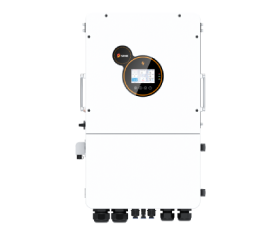

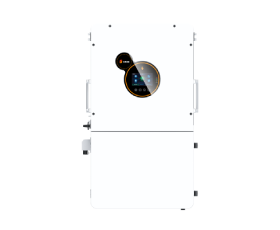
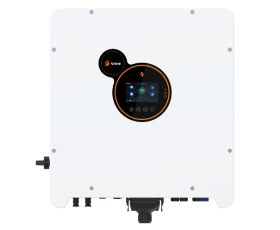


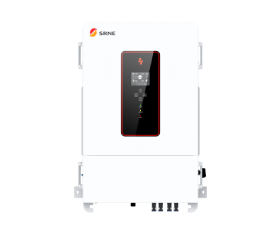
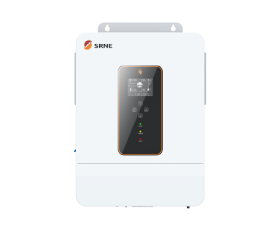
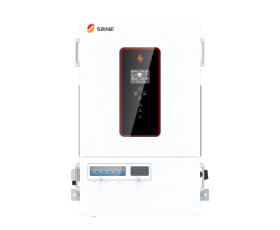

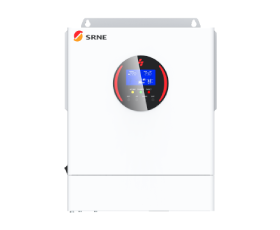

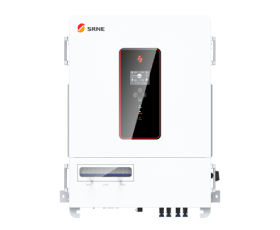
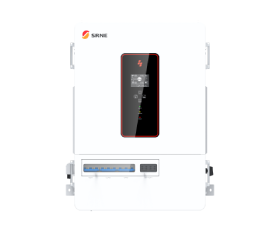










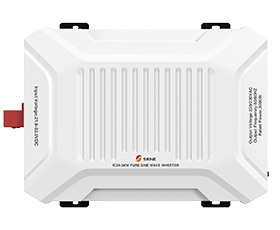
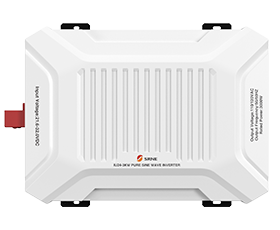








IP65 Outdoor Protection
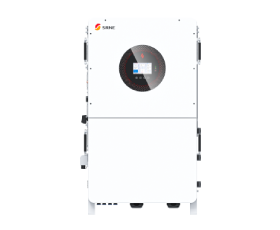
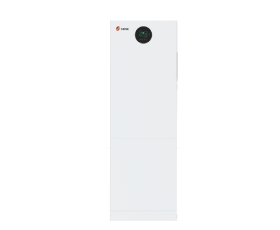
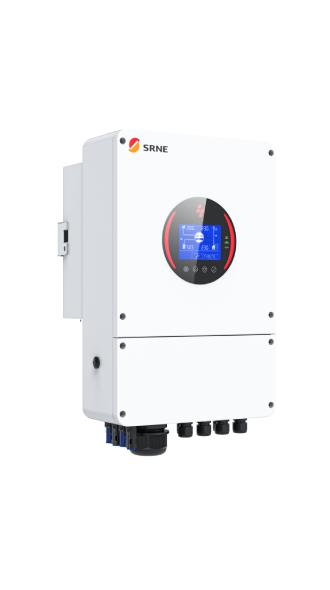
The AEP 6kW off grid inverter uses an IP65 enclosure and operates from -40°C to 60°C with derating above 45°C, giving installers more placement flexibility than an indoor-only off-grid inverter.
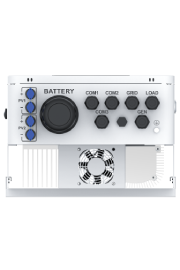
12kW Peak Output for 10 Seconds
Rated at 6kW, the unit can reach 12kW peak output for 10 seconds. That gives the single phase inverter clear short-duration reserve for pumps, compressors and other high-inrush loads.
Dual MPPT with 12kW PV Access
Two MPPT inputs operate from 65–450V, with PV access up to 12kW. The 48V inverter also supports up to 135A battery charge/discharge current for stronger solar charging and backup use.
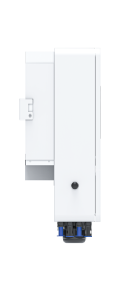

Outdoor Residential and Farm Installations
IP65 protection broadens placement options for homes, farms and utility areas where dust or water exposure matters. The off grid solar inverter still needs correct mounting, ventilation and clearances, but its enclosure suits more exposed environments than an indoor-only unit.
Generator-Assisted Sites with Load Peaks
Generator peak-shaving lets battery and inverter power help cover brief demand spikes instead of forcing the generator to carry every peak. For pumps or equipment with high starting demand, the solar inverter can reduce temporary generator loading while the generator supports sustained energy needs.
High-PV 48V Storage Systems
Up to 12kW PV access gives a 6kW AC system more solar availability for loads and charging. With 135A charge/discharge capability and a 48V battery platform, the AEP 6kW off grid inverter fits projects that want strong PV input, storage and anti-backflow control in one off grid solar system.
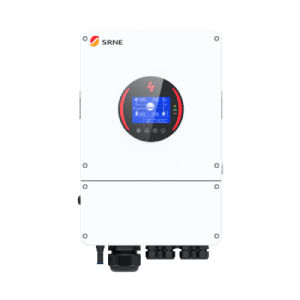
AEP 6kW Off Grid Inverter OVERVIEW
Download
Datasheet
User Manual
FAQ

What does IP65 change about where the AEP can be installed?

IP65 gives the enclosure a higher level of protection against dust and water ingress for utility rooms, covered outdoor areas or farm installations. It does not mean the off grid inverter can be mounted anywhere without protection. Cable entries, mounting orientation, direct sun, standing water, ventilation and required clearances still matter. SRNE also specifies a -40°C to 60°C operating range with derating above 45°C, so thermal conditions should be considered at the location.
How does generator peak-shaving help in practice?
A generator is often sized around the largest short load peak even though average demand is much lower. Generator peak-shaving lets the inverter and battery contribute during those brief peaks, reducing the temporary burden on the generator. That can be useful when motors start while the generator is already carrying normal loads. The solar inverter does not eliminate the need to size the generator for sustained demand; instead, it helps manage short peaks so the generator is not forced to supply every transient by itself.
Is 12kW peak output the same as having a 12kW inverter?
No. AEP4860S135-H is a 6kW continuous inverter. SRNE specifies peak output up to 12kW for 10 seconds, which is intended for short startup events rather than sustained operation. A single phase inverter should therefore be selected so normal running loads stay within the 6kW rating. The peak reserve is useful for pumps, compressors and other high-inrush equipment, but it should be checked against the duration and current profile of the load instead of treated as extra continuous capacity.
Why can a 6kW inverter accept up to 12kW of PV?
PV access power describes how much array capacity can be connected within the solar-input limits; it does not increase the continuous AC output above 6kW. A larger array can provide more energy during weaker irradiance while supporting loads and battery charging. The off grid solar inverter uses two MPPT trackers with a 65–450V operating range, so string voltage, current and module count must still stay within the electrical limits. PV sizing should be based on energy goals and local solar conditions, not only the headline 12kW figure.
What does the 135A battery figure mean for the 48V storage bank?
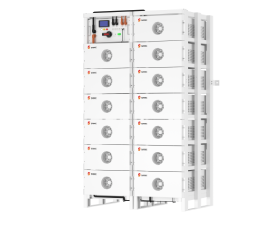
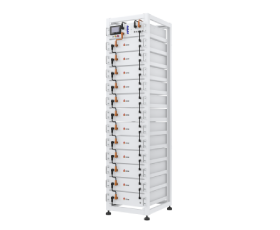
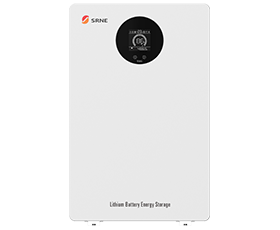
SRNE lists up to 135A for battery discharge, PV charging and grid/generator charging paths on the AEP 6kW. These limits describe separate operating paths and should not simply be added together. In a 48V inverter installation, the battery BMS, conductors and protection must support the required current. The battery’s own recommended charging current may also be lower than the inverter maximum, so configuration should follow the battery specification rather than automatically using 135A.
When is the HOME LOAD anti-backflow function useful?
It is useful when the system must control power direction at the external home-load connection and avoid unintended reverse flow under the configured operating mode. This matters in installations where PV, battery and an AC source may all be active at the same time. The AEP 6kW off grid inverter can use the HOME LOAD mode as part of that energy-management strategy, but the correct CT or metering arrangement, wiring and settings have to follow the product documentation. Anti-backflow behavior should be commissioned and verified rather than assumed from the menu setting alone.