













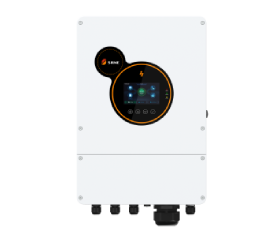
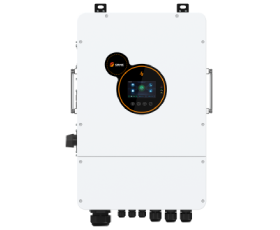

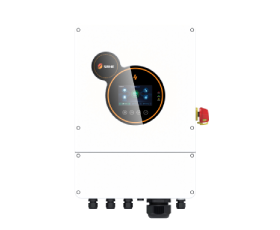
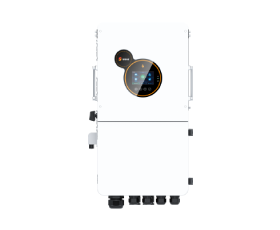

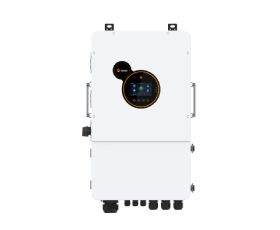

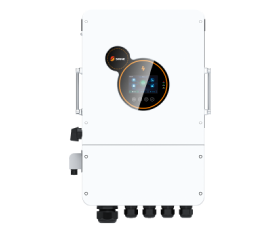

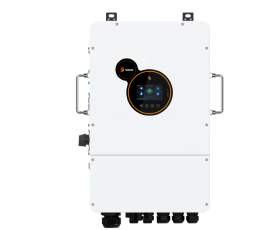
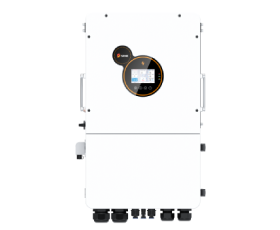

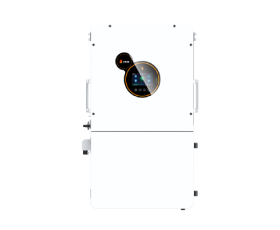
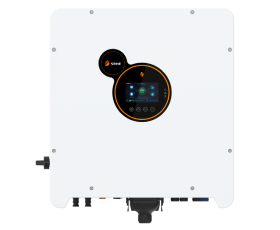
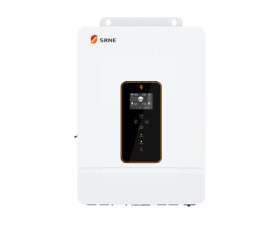

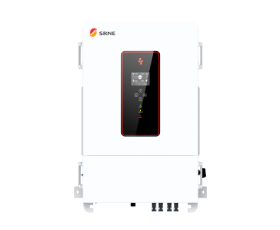
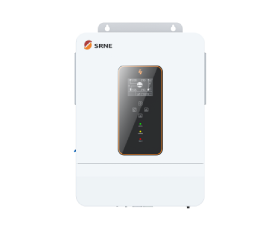
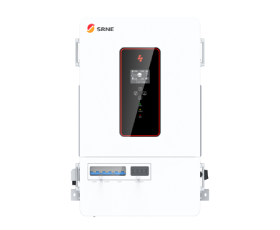


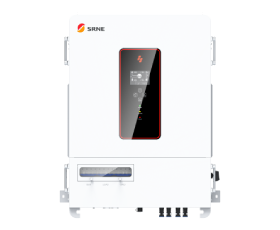
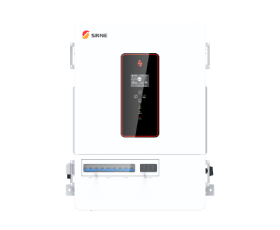

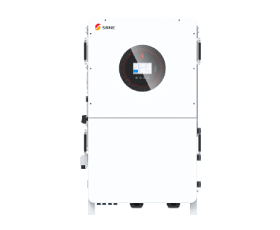


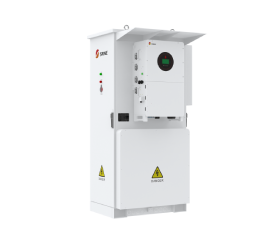
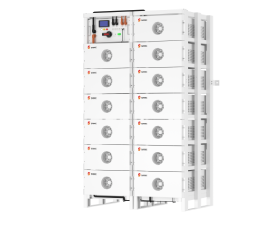
















Native 120/208V Three-Phase Output
Native 120/208Vac three-phase output matches North American sites that distribute mixed three-phase and single-phase loads from a 208V service. The ASP 15–18kW US series outputs 120/208Vac three-phase using L1, L2, L3, neutral and protective earth.
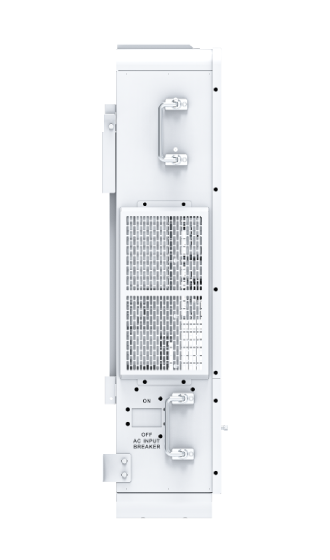
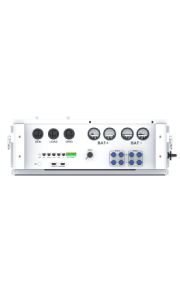
10-Second 2x Surge Reserve
A 10-second 2× surge window gives the ASP 15–18kW US extra inrush margin for pumps, compressors and other three-phase loads that briefly demand more than their steady-state power. The 15kW, 16kW and 18kW models are specified for peak power at twice rated output for 10 seconds, while continuous load sizing remains based on normal rated output.
360A Battery Current
Up to 360A battery current supports the higher power demand of the 15–18kW 120/208V three-phase ASP while allowing faster recharge after sustained backup loads. The 15kW model is rated at 320A, while the 16kW and 18kW models reach 360A maximum PV charging, grid/generator charging and charging/discharging current.
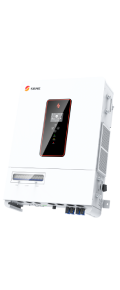

Dual 36A MPPTs for a 28.8kW 208V Array
A 28.8kW PV allowance gives the 18kW three-phase ASP more daytime solar energy for loads and battery charging, while dual 36A MPPTs keep two array sections independently tracked. The ASP 15–18kW US series accepts up to 14.4kW + 14.4kW PV input with 36A on each MPPT.
100A Bypass for Grid or Generator Load Support
A 100A bypass path lets accepted grid or generator power support larger three-phase loads directly without forcing the battery inverter to carry the entire demand. The datasheet lists a 100A bypass overload current and promotes 2× rated-power input from grid/generator.
Expand a 208V Three-Phase System to 108kW
A defined multi-unit expansion path allows future capacity growth while keeping the same inverter family and control architecture. Up to six units can operate in parallel, and six 18kW inverters correspond to a 108kW system.
OVERVIEW
Download
Datasheet
User Manual
FAQ

Can a 120/208V inverter supply equipment rated for 240V or 480V?

Not necessarily. The ASP 15–18kW three phase solar inverter provides 120/208V output, so direct compatibility depends on the voltage requirements of the connected machinery. Some commercial equipment supports multiple operating voltages, while other machines require a specific supply. A motor rated exclusively for 480V cannot be connected directly to a 208V system without suitable voltage-conversion equipment. Equipment rated for 240V may also require further evaluation of its permitted voltage tolerance. Before selecting an inverter for a commercial facility, check the equipment nameplates and existing distribution standard. North American buildings may use 120/208V, 240V or 277/480V systems, which are not automatically interchangeable.
How much phase imbalance can the inverter handle?
The ASP 15–18kW models specify up to 150% single-phase overload capability, providing additional flexibility when demand is distributed unevenly across the three phases. Consider a workshop operating three-phase machinery alongside lighting, portable tools and auxiliary equipment. Although the main machines may draw relatively balanced power, smaller single-phase circuits can create unequal loading during daily operation. When selecting a 3 phase inverter, engineers should examine the expected current on each phase rather than relying only on the facility's combined power demand. The 150% specification must be interpreted according to the manufacturer's permitted operating conditions and duration. It does not represent an additional 50% of continuous three-phase output capacity.
How should a 28.8kW solar array be divided between two MPPTs?
The 18kW model supports up to 28.8kW of PV input through two independent MPPT channels, each rated for a maximum of 14.4kW and 36A. The MPPT operating voltage range is 120–550V, while the maximum PV open-circuit voltage is 600V. For example, two roof sections with different orientations can be assigned to separate trackers. Each array can then operate according to its own sunlight conditions without requiring both sections to share one tracking point. In a commercial off grid solar system, string configuration should be calculated from the actual module specifications, including current, operating voltage and temperature-adjusted open-circuit voltage. The 28.8kW PV capacity provides additional solar energy collection potential but does not increase the inverter's continuous AC output beyond its rated power.
Can the inverter start several commercial motors at the same time?
Simultaneous motor startup is possible only when the combined starting demand remains within the inverter's available short-duration output capability. The 18kW model specifies peak output of twice its rated power for 10 seconds. However, pumps, compressors and ventilation motors may draw several times their normal operating current during acceleration. For industrial backup power applications, motor starting methods, acceleration times and other equipment operating simultaneously should be considered together. Where the process allows, staggered startup sequences, soft starters or variable-frequency drives can reduce instantaneous power demand. This is particularly relevant to workshops where several machines may restart after an interruption.
What should be considered when designing a 360A battery connection?
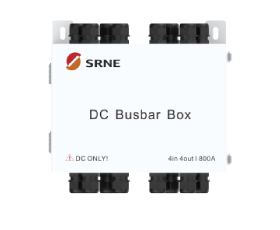
The 16kW and 18kW models support maximum battery charging and discharging currents of 360A, while the 15kW version is rated at 320A. All three operate on a nominal 48V battery platform. At these current levels, DC distribution design becomes particularly important. Cable length, conductor sizing, busbar capacity, connection resistance and protective devices must be evaluated according to the actual operating conditions. For commercial backup power, battery capacity and discharge capability should be assessed separately. A battery bank may store sufficient energy for the desired runtime but still be unable to supply the required current if its BMS or individual modules have lower discharge limits. The selected configuration must support the expected operating current while remaining within the battery manufacturer's electrical and thermal limits.
What changes when expanding from one 18kW inverter to a 108kW system?
Expanding from one 18kW inverter to six parallel units increases the combined nominal output capacity to 108kW. However, the larger system requires coordinated electrical infrastructure rather than simply adding more inverters. Parallel operation involves communication between units, suitable AC distribution, protection coordination and sufficient battery power. At higher output levels, the combined DC current demand becomes a major consideration in battery and conductor sizing. For a larger three-phase off grid solar system, planning the battery architecture, switchgear, equipment space and future load requirements before the initial installation can simplify later expansion. The 108kW rating represents the combined inverter output capacity. Sustained operation at that level still depends on the available solar generation, stored battery energy and overall system design.