













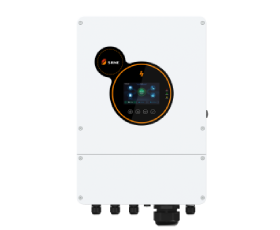
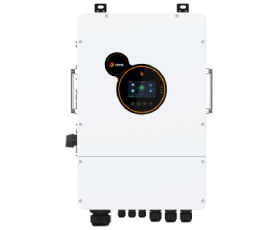

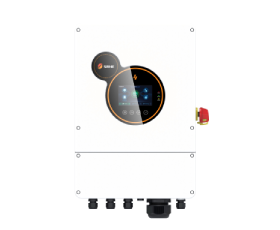
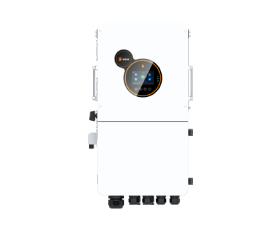

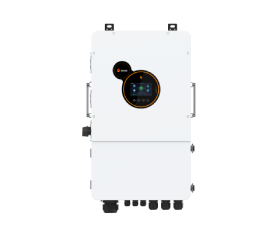

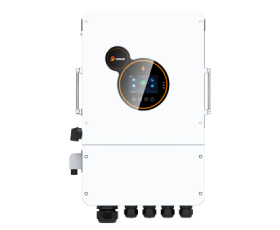

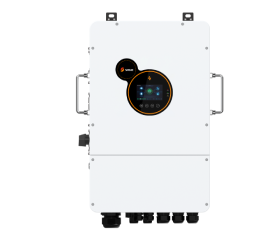
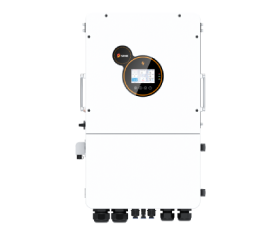

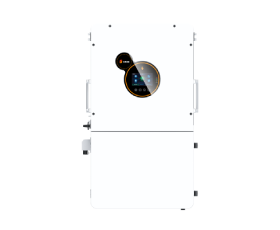
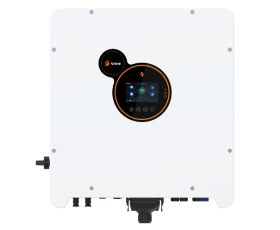


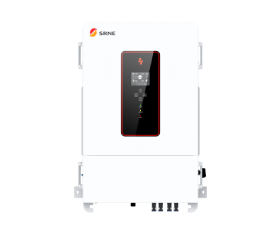
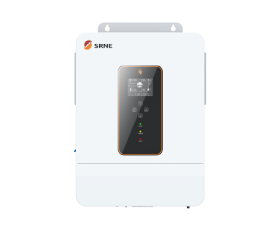
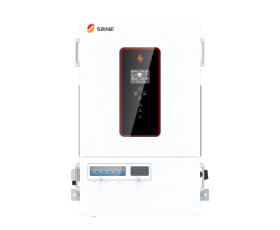


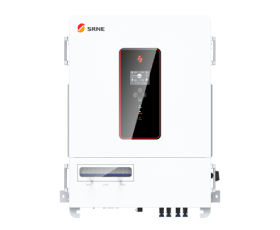
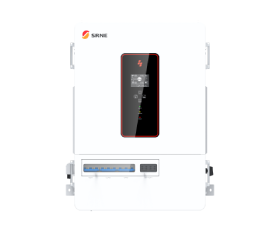

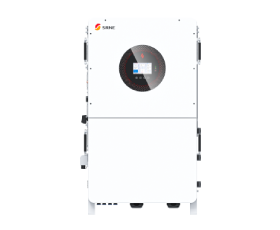




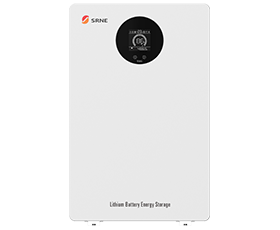

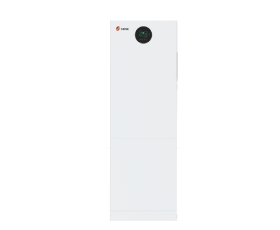



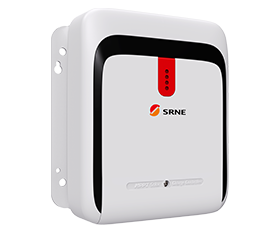








HESP 8-12kW
Three Phase High Voltage Hybrid Inverter
EU | High-Voltage Three Phase | 2 MPPTs
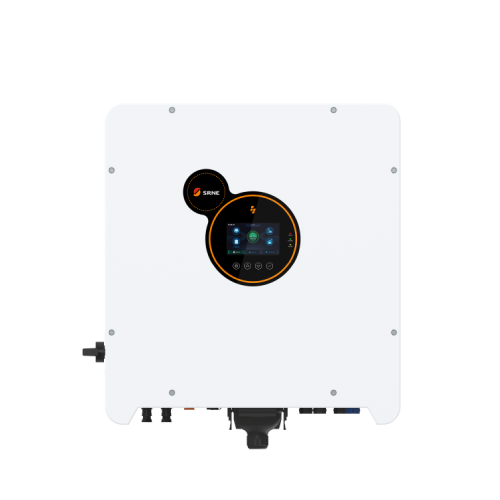
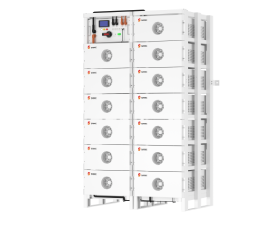
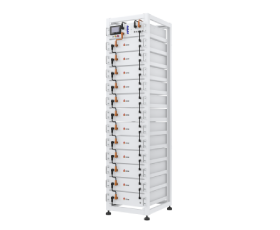
High Voltage Battery Design
The HESP 8–12kW hybrid inverter uses a 125–600Vdc high-voltage battery platform for larger energy storage systems. The high-voltage design helps reduce battery-side current and supports flexible battery integration for residential and small commercial applications.
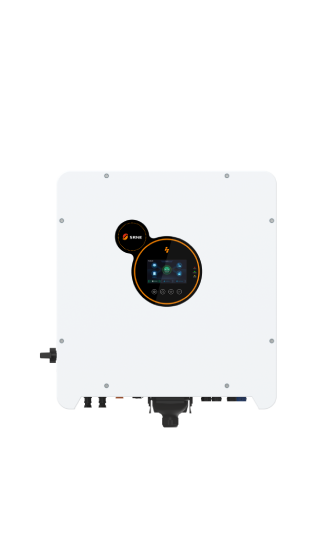
Dual MPPT Solar Management
The 8–12kW hybrid inverter supports dual MPPT inputs, allowing different PV strings to operate independently. With up to 1000V PV input capability, it provides flexible solar array configuration for different installation conditions.
Three Phase Backup Capability
The three phase hybrid inverter integrates PV, battery and grid management for EU three-phase applications. With typical 10ms switching performance, it helps maintain stable backup power during grid interruptions.


Large Residential Energy Storage
The HESP 8–12kW hybrid inverter is designed for larger residential energy storage systems that require higher output power and three-phase compatibility. It can coordinate solar generation, battery charging and grid power usage to support daily electricity consumption, peak load management and backup power requirements. The high-voltage battery architecture also provides a practical solution for projects requiring larger storage capacity.
Solar Plus Storage Projects
For solar-plus-storage projects requiring higher PV capacity, the solar storage inverter provides flexible system configuration through dual MPPT inputs and high PV voltage support. It allows installers to optimize PV string design according to site conditions while combining solar generation, battery storage and grid interaction in one integrated system.
Backup Power Expansion
The high voltage inverter supports integrated management of PV, battery and grid power sources. With parallel operation support of up to six units, the system provides additional flexibility for projects that may require future capacity expansion, higher backup requirements or larger energy storage configurations.
OVERVIEW
Download
Datasheet
User Manual
FAQ

What applications are suitable for an 8–12kW hybrid inverter?

An 8–12kW hybrid inverter is suitable for larger residential energy storage, solar-plus-storage projects and applications requiring three-phase backup power. It can support users who need coordinated management of PV generation, battery storage and grid power. The final system selection should be based on load demand, PV capacity, battery specifications, backup requirements and local grid conditions.
Can this three phase hybrid inverter be expanded for larger systems?
The three phase hybrid inverter supports parallel operation of up to six units, allowing system capacity to be expanded according to project requirements. This provides flexibility for larger residential or small commercial energy storage projects where future power demand may increase. A parallel system requires proper communication settings, protection devices and installation planning to maintain stable operation.
How does 1000V PV input capability affect system configuration?
The 8–12kW hybrid inverter supports up to 1000V PV input, providing more flexibility when designing solar strings. A higher PV input range allows installers to select suitable PV configurations according to module specifications and installation conditions. The final system design should still consider string voltage, current limits, temperature changes and the electrical requirements of the selected inverter model.
Can the three phase hybrid inverter provide backup power during a grid outage?
Yes. The three phase hybrid inverter integrates PV generation, battery storage and grid management functions to support backup applications. The typical 10ms switching time helps reduce interruption when the grid source becomes unavailable and the system transfers to backup operation. However, actual backup performance depends on connected loads, battery capacity, load characteristics and whether specific equipment requires additional power protection.
What are the benefits of dual MPPT inputs in this solar storage inverter?
The solar storage inverter uses dual MPPT inputs to manage separate PV strings independently. This is useful when solar modules are installed on different roof orientations, have different shading conditions or require separate string management. Instead of treating the whole PV array as one input, dual MPPT technology allows each section to operate closer to its optimal power point, improving installation flexibility and solar energy utilization.
Why is a high-voltage battery design suitable for the HESP 8–12kW hybrid inverter?
The HESP 8–12kW hybrid inverter uses a 125–600Vdc battery range designed for higher power energy storage applications. A high-voltage battery architecture can help reduce battery-side current compared with lower-voltage systems under similar output power conditions. This design is beneficial for larger storage projects because it allows more flexible battery configuration. During system planning, installers should still consider battery compatibility, BMS communication, charging and discharging limits, cable selection and protection requirements.