




























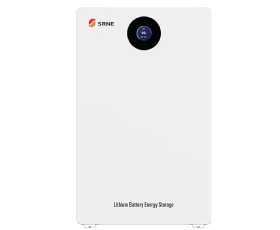
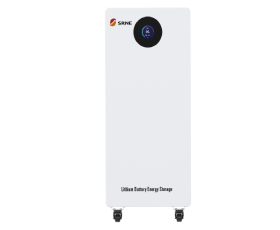
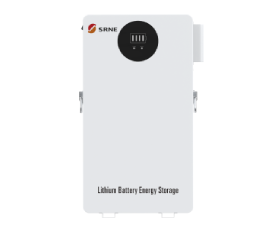
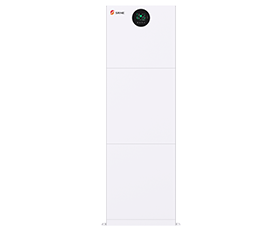











Same 2.56kWh at Two Different Voltages
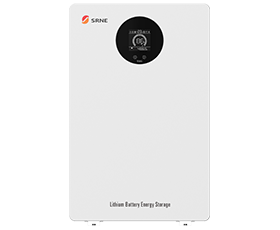
The SF 2.56-8.03kWh energy storage battery includes 12.8V 200Ah and 25.6V 100Ah models that both store 2.56kWh. System voltage is the key difference.


25.6V Models Extend to 8.03kWh
At 25.6V, capacity rises from 2.56 to 5.12 and 8.03kWh. The 8.03kWh model is 314Ah and rated at 8000 cycles, giving the solar battery storage range a larger option without moving to 48V.
Two Different Parallel Limits
Both 2.56kWh models support four parallel units, while the 5.12kWh and 8.03kWh versions support up to 32. The solar storage battery family therefore has two distinct expansion tiers.


Existing 12V Systems That Need 2.56kWh
The 12.8V 200Ah model is the only product in this group built for a 12V-class battery architecture. It gives a household energy storage project 2.56kWh without forcing a move to 24V-class charging equipment, provided the inverter and protection devices are compatible.
24V-Class Systems That Need More Runtime
The 25.6V family covers 2.56kWh, 5.12kWh and 8.03kWh, letting designers add stored energy without changing voltage class. These batteries for solar power storage suit projects where an existing 24V-class inverter remains appropriate but longer backup or greater daily solar use is required.
Projects Expected to Grow Beyond One Battery
The larger 25.6V models support up to 32 units in parallel, far beyond the two 2.56kWh versions. A solar energy storage system can start with one 5.12kWh or 8.03kWh unit and expand later if current sharing, communications, cabling and inverter limits are planned in advance.
SF 2.56-8.03kWh Battery OVERVIEW

Download
Datasheet
User Manual
FAQ

Why are there two different batteries with the same 2.56kWh rating?

They store the same amount of energy but operate at different voltage and Ah combinations. SR-SF02B-12 is 12.8V and 200Ah, while SR-SF02B-24 is 25.6V and 100Ah. The first uses a 14.4V maximum charging voltage and the second uses 28.8V. The correct energy storage battery is determined by the DC architecture of the inverter or charger. Equal kWh does not make the two models interchangeable because their voltage class and required charging equipment are different. This matters when a project must retain an existing 12V DC architecture.
When should a project move from 2.56kWh to the 5.12kWh tier?
The 5.12kWh model is useful when the system should stay at 25.6V but needs roughly twice the stored energy of the 2.56kWh option. It is rated at 200Ah and also belongs to the group that can be paralleled up to 32 units. For solar battery storage, that means it provides both more energy per enclosure and a wider growth path. The decision should be based on expected daily energy use and backup duration, not simply on the inverter’s maximum output power. Both remain in the same 25.6V voltage class.
What is different about the 8.03kWh model besides having more kWh?
SR-SF08B-24 is rated at 25.6V and 314Ah and is listed at 8000 cycles, while the 2.56kWh and 5.12kWh products are listed at 6000 cycles. It also supports up to 32 units in parallel. For residential energy storage, the 8.03kWh option therefore changes both energy per battery and the published cycling tier while remaining inside the same 24V-class architecture as the other 25.6V models. The 8000-cycle figure is specific to this model.
Why do the 2.56kWh models stop at four parallel units?
That is the model-specific maximum quantity stated in the datasheet, whereas the 5.12kWh and 8.03kWh versions are listed for up to 32 units. The difference means expansion planning should begin with the exact model, not just the product-family name. A solar storage system based on a 2.56kWh battery has a much lower published parallel ceiling than one built around the larger 25.6V models, so future kWh requirements should be considered before the first battery is selected. That ceiling should be considered before the first battery is selected.
What charging-voltage difference must be respected between the 12.8V and 25.6V models?
The 12.8V product uses a maximum charging voltage of 14.4V, while the 25.6V products use 28.8V. That difference follows the battery voltage class and is one reason the same charger or inverter setting cannot simply be assumed for every SF model. In a solar energy storage project, the inverter or charger must be configured for the exact battery voltage and its BMS requirements before the system is energized. Settings must match the exact battery voltage before commissioning.
When should a project move from this SF family to the 51.2V SF-Pro range?
The decision is mainly about voltage architecture, power level and the amount of energy the project needs. This SF family is built around 12.8V and 25.6V batteries from 2.56kWh to 8.03kWh, while SF-Pro uses a 51.2V platform and much larger single-battery capacities. For household energy storage built around an existing 12V- or 24V-class inverter, the SF series may fit without changing voltage class. Higher-power or larger-capacity designs should be evaluated around the inverter’s required battery voltage and current rather than kWh alone. Voltage compatibility should be checked before comparing kWh alone.