




























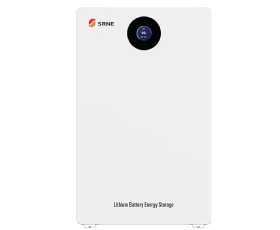
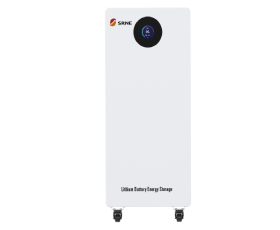
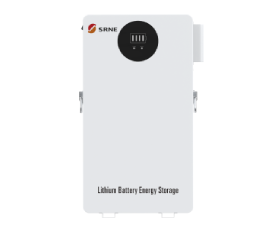
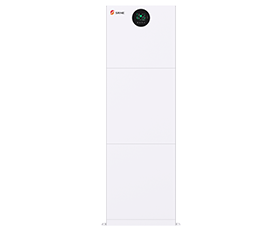











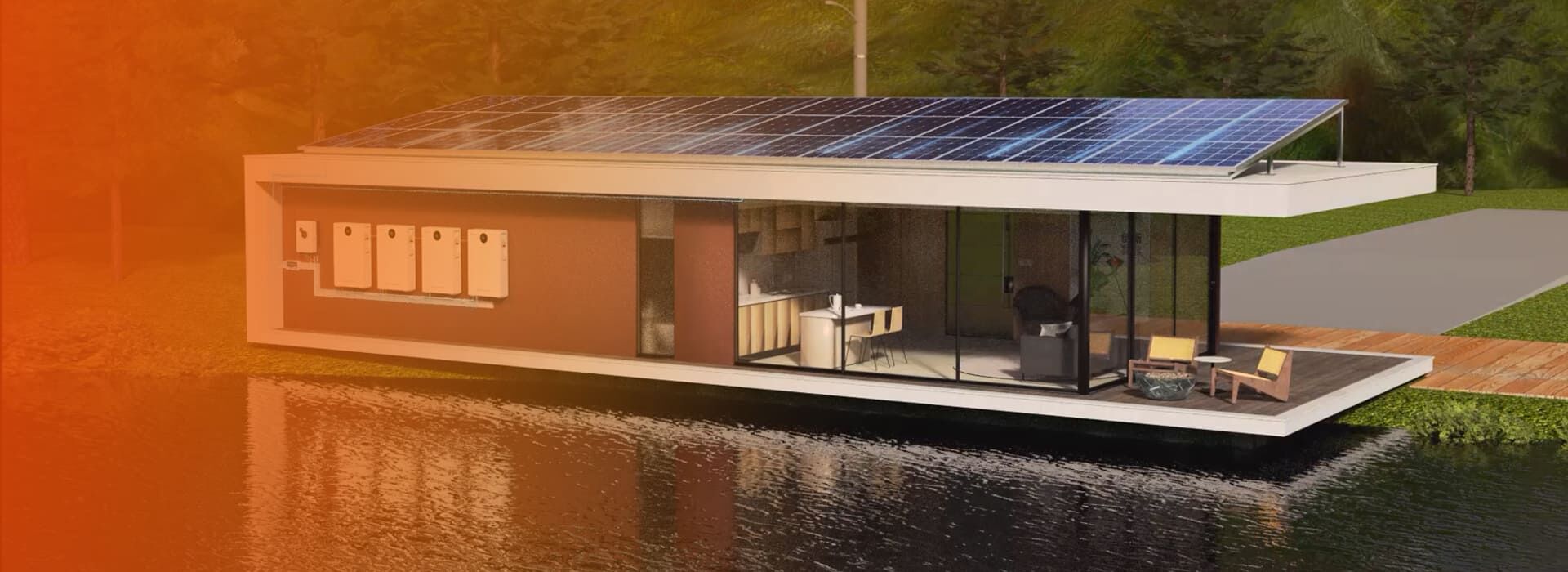
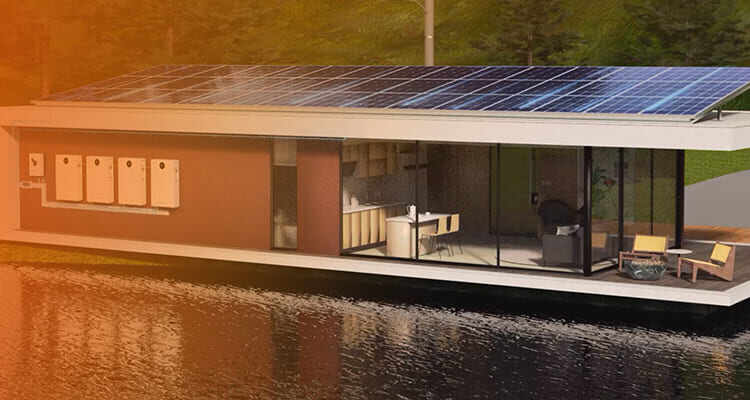
What Is a Residential Energy Storage System?
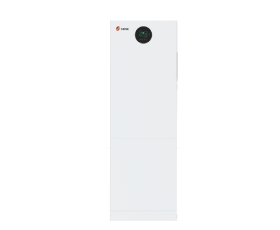
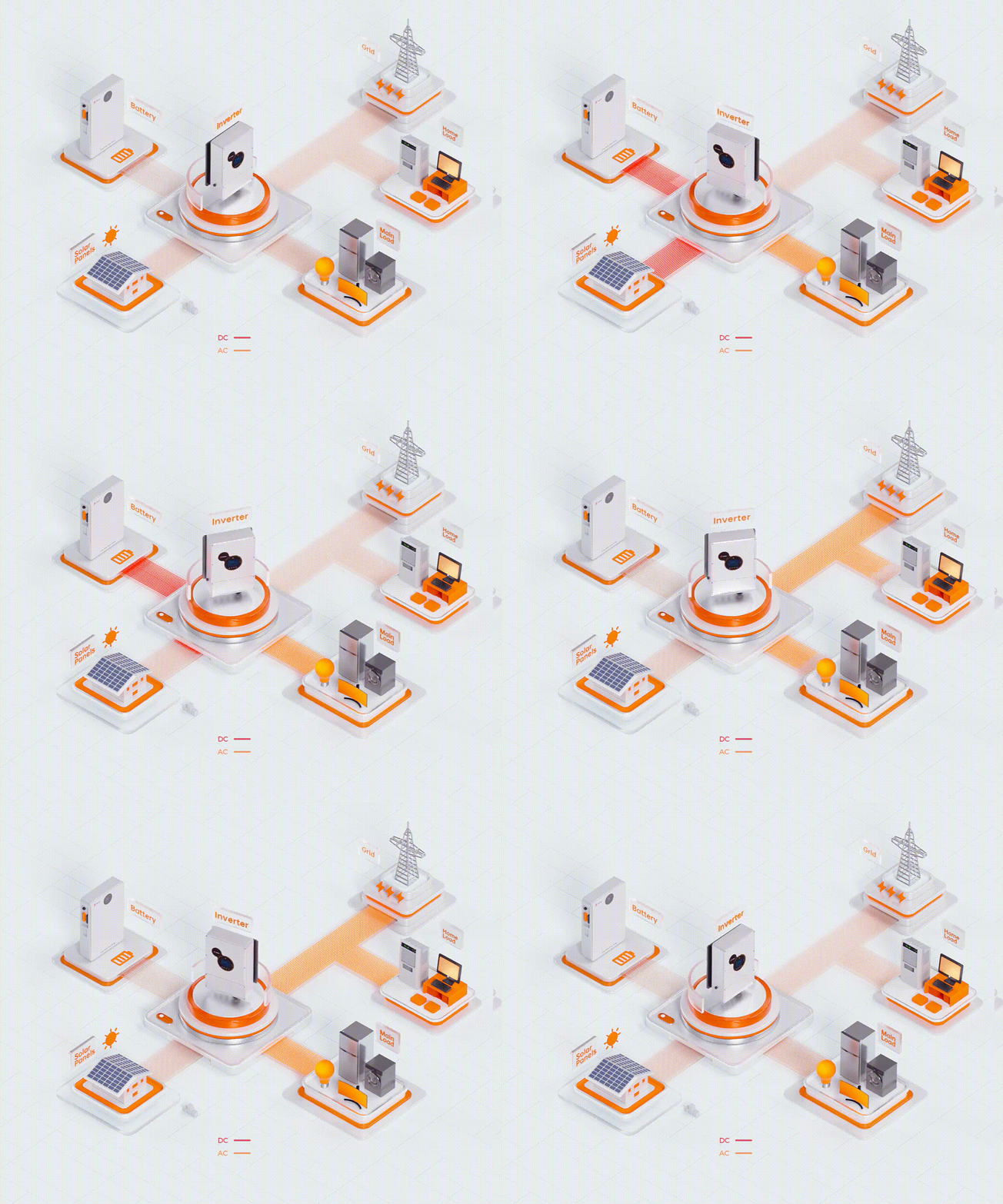
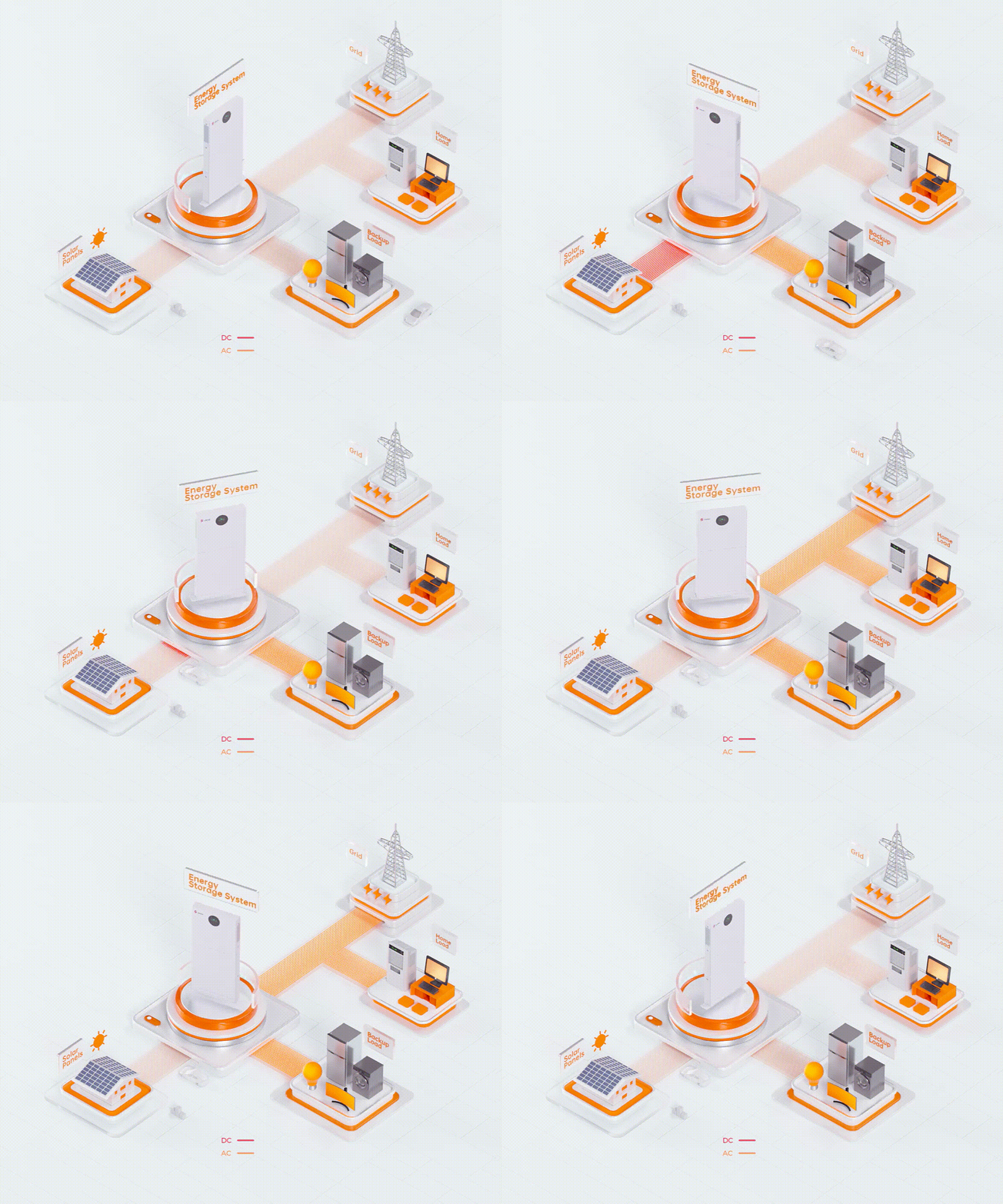
A residential energy storage system (ESS) stores excess electricity generated by solar panels and makes it available when solar production is low or electricity demand is high.
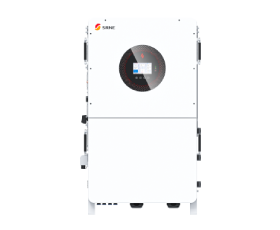
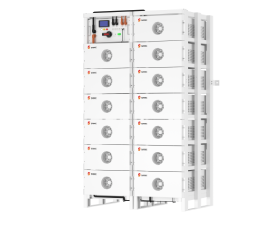
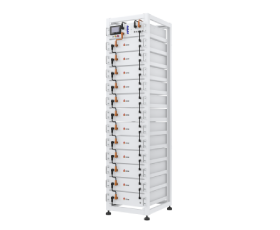
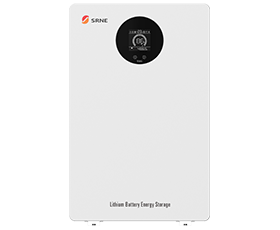
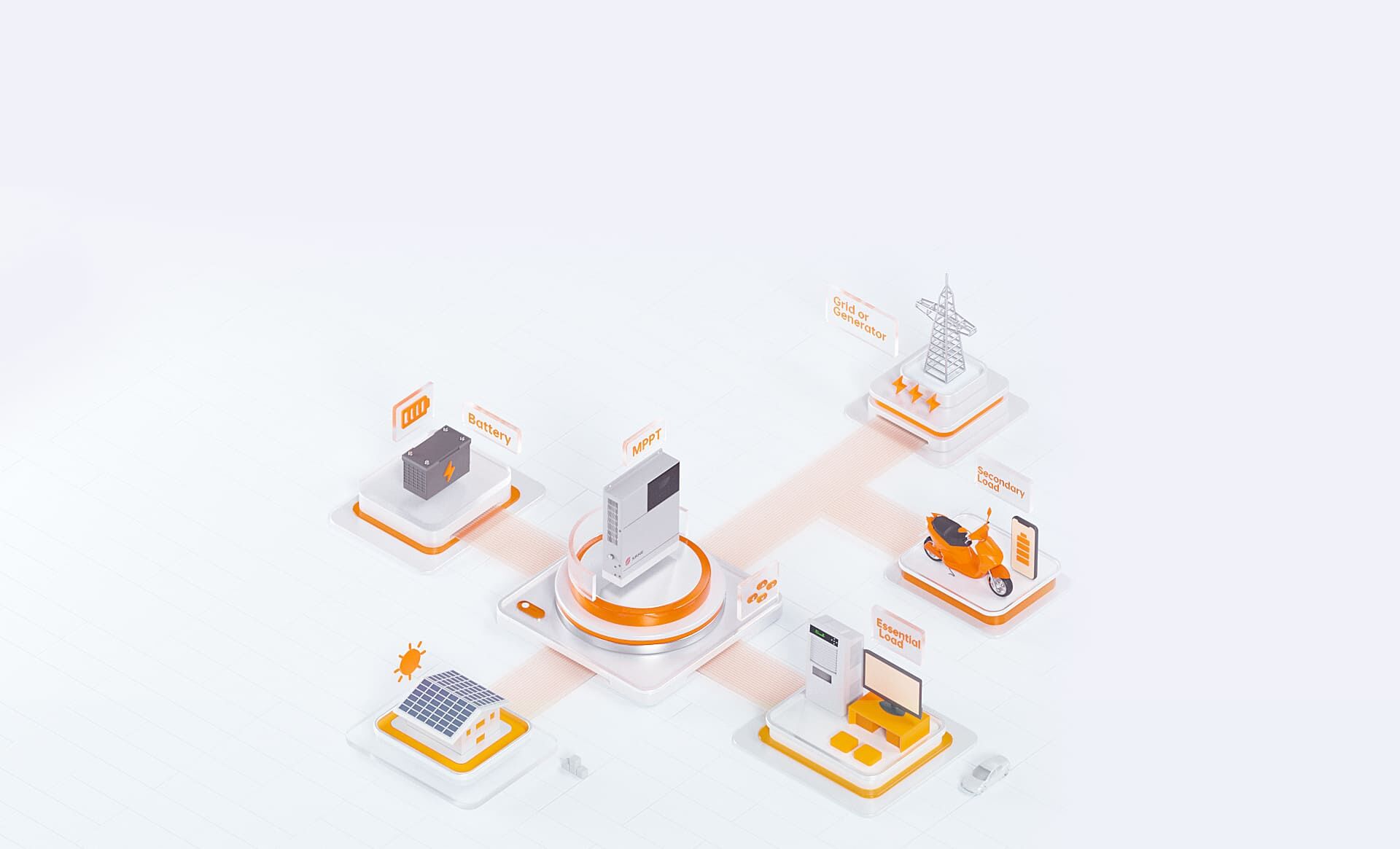
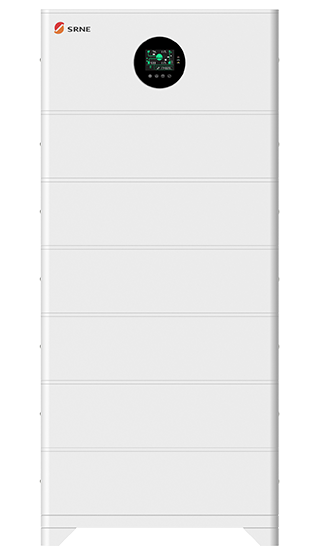
A typical home energy storage system includes:
Solar PV panels
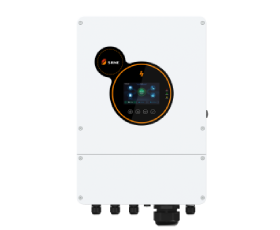
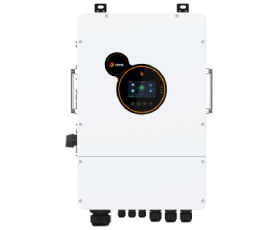
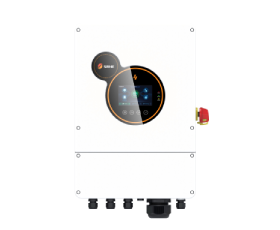
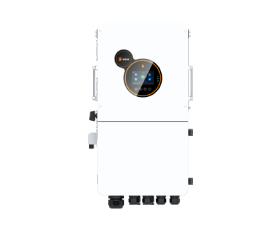
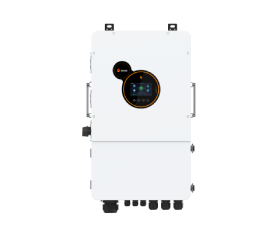
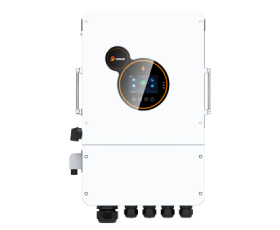
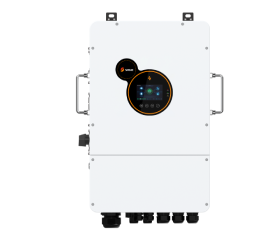
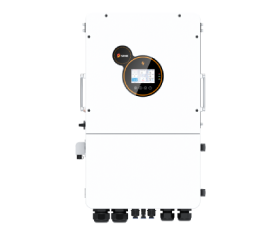
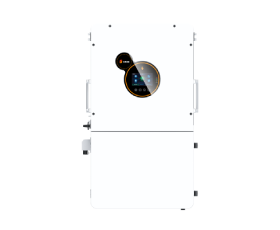
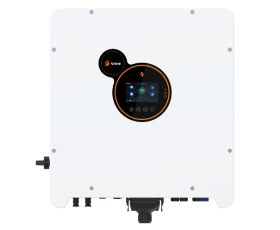
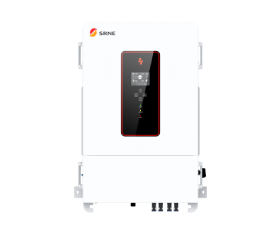
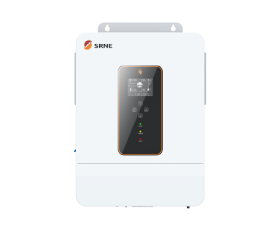
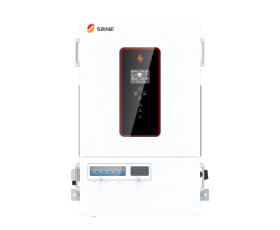
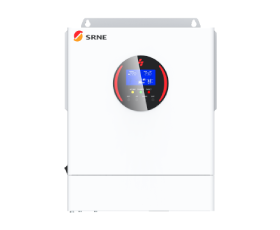
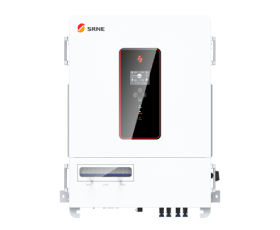
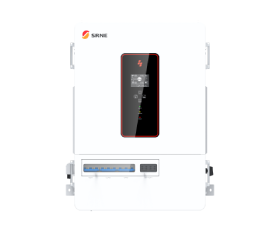
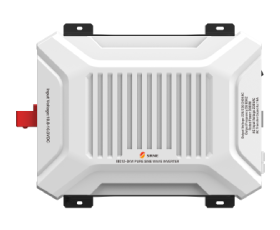
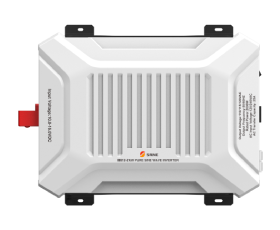
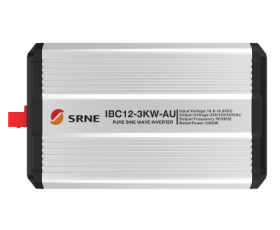
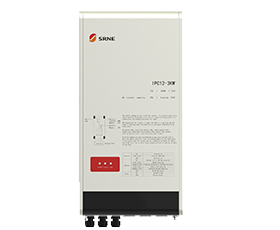
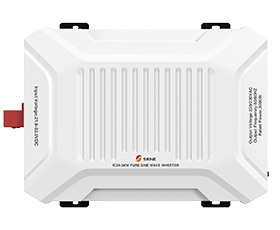
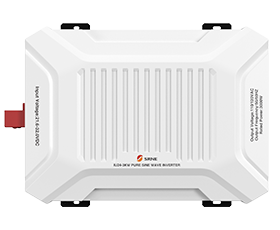
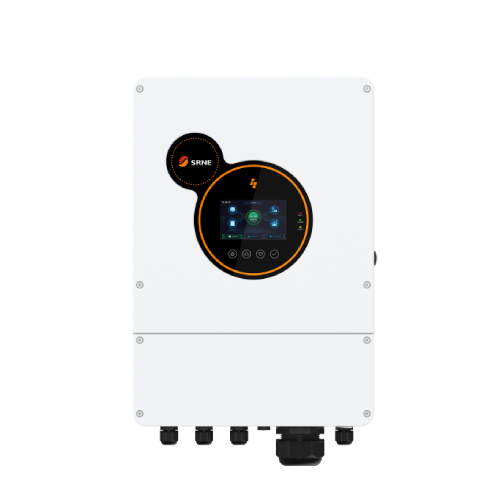
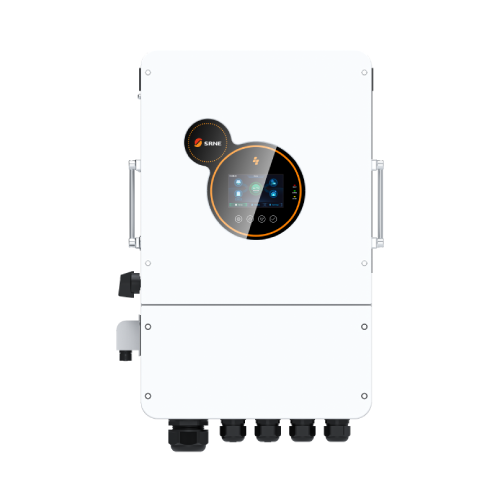
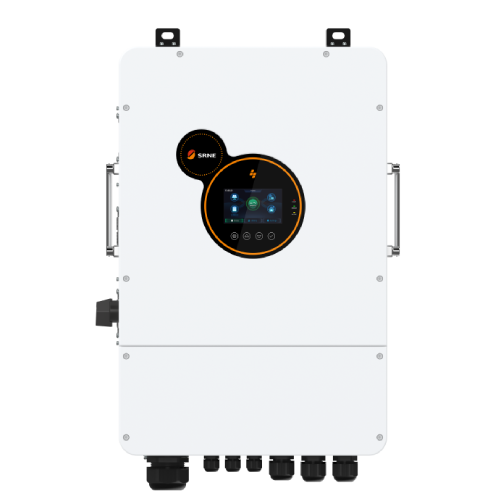
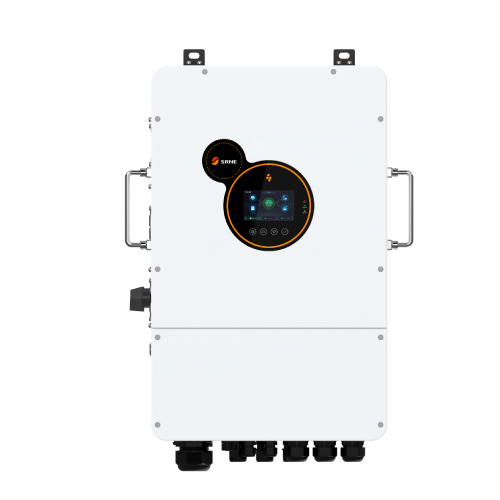
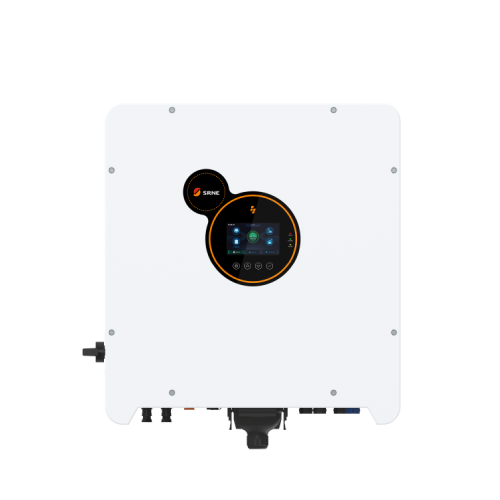
Hybrid or off-grid inverter
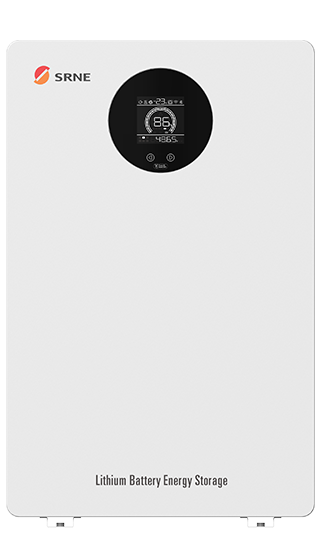
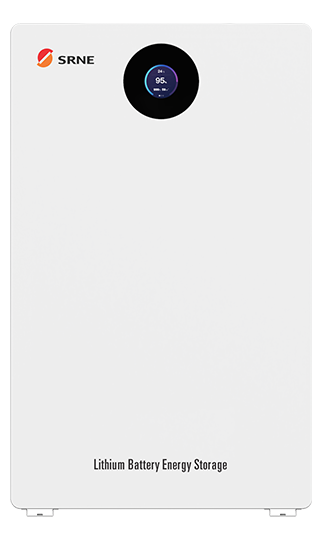
Lithium battery storage
Smart energy management system
Utility grid connection (optional)
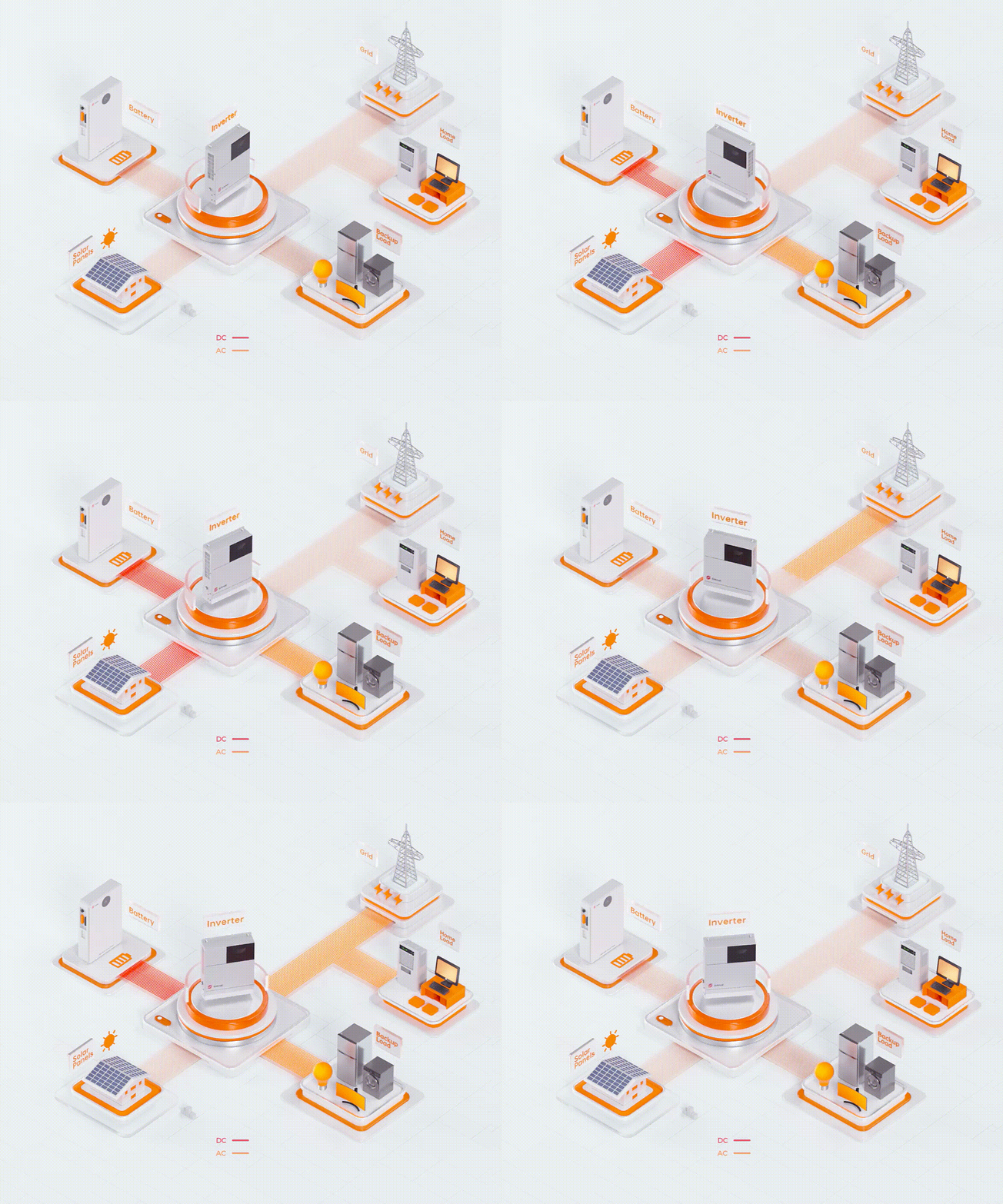
During the daytime, excess solar energy is stored in batteries instead of being exported to the grid. At night or during power outages, the stored energy is used to power household loads, increasing energy independence and reducing electricity expenses.
PRODUCTS






OTHER SOLUTIONS


