







































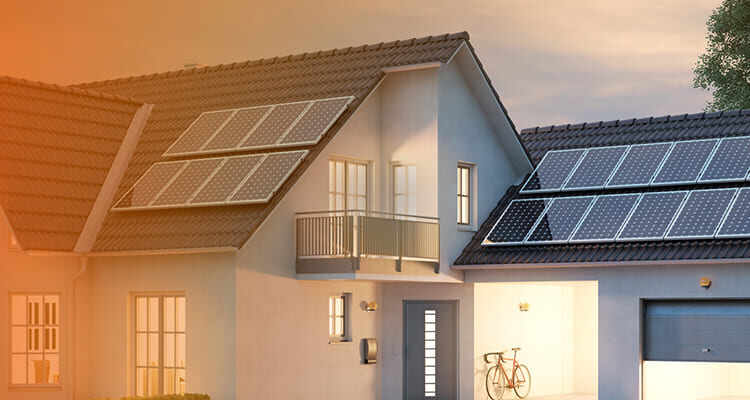

Project Background of Residential Energy Storage
In a residential home area in Poland, solar power generation is significantly affected by seasons. In winter, during rainy weather, or when sunlight is insufficient, PV power generation may decrease, making it difficult to stably cover the household's electricity demand throughout the year. In comparison, wind energy resources have good complementary value in some areas.
To reduce the power generation fluctuations caused by relying solely on PV power generation, the user configured a wind and solar hybrid power generation system provided by SRNE. It is used to support daily household electricity, energy storage backup, and coordinated multi-energy power supply.
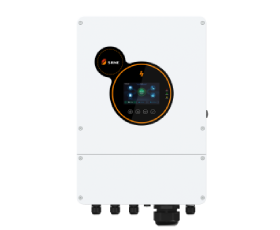
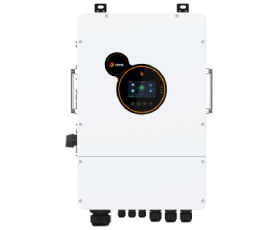
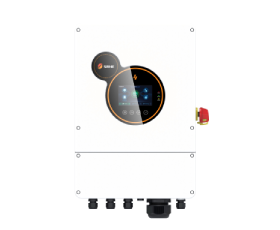
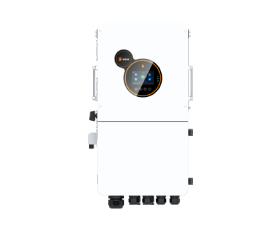
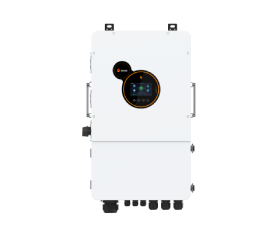
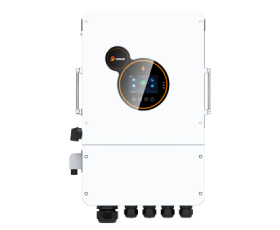
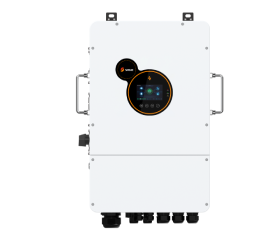
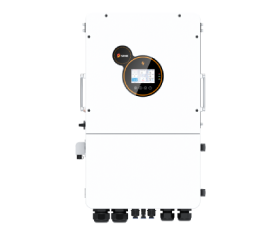
SRNE HESP Hybrid Inverter and Energy Storage System Configuration
Item | Configuration |
Project Location | Poland |
Application Scenario | Residential Home |
System Type | Wind and Solar Hybrid Energy Storage System |
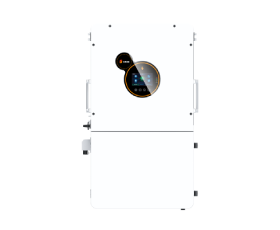
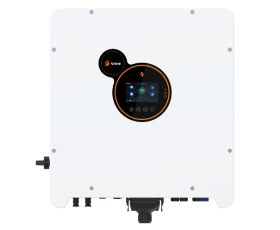
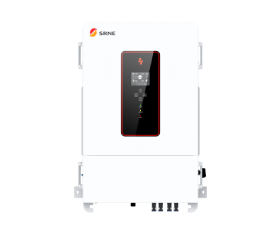
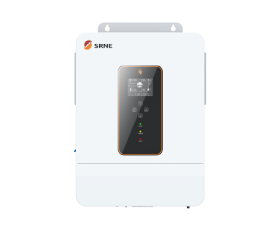
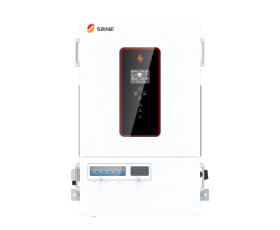
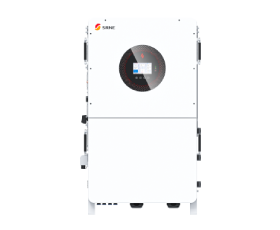
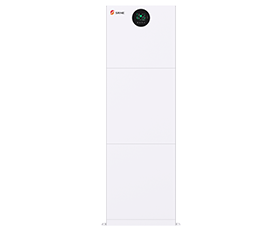
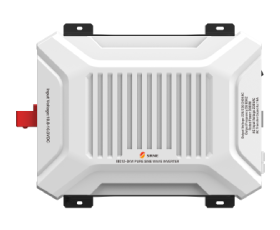
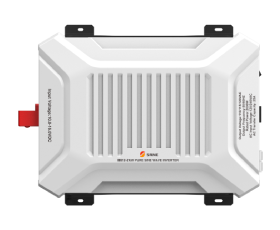
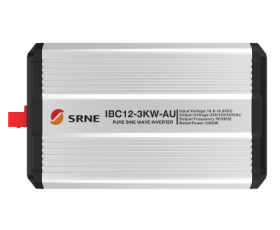
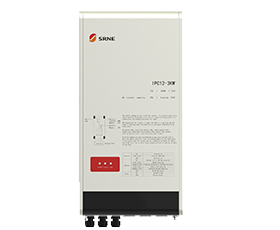
Inverter | 1 × HESP4880SH3 |
Inverter Power | 8kW |
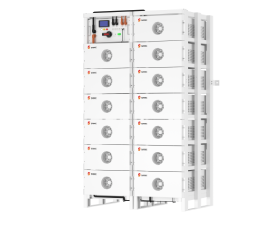
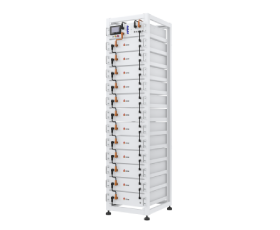
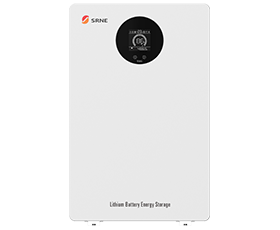
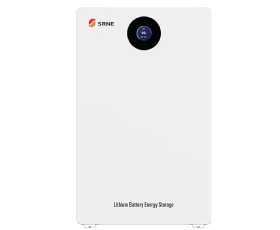
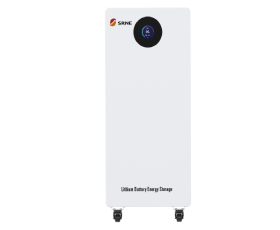
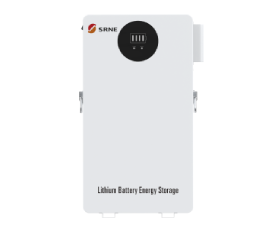
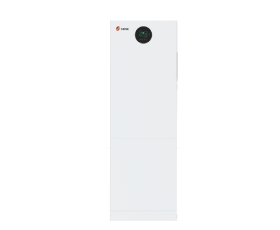
Energy Storage Battery | 1 × EOS10B |
Battery Capacity | 10.24kWh |
Main Applications | Daily Household Power Supply, Wind and Solar Hybrid Power, Energy Storage Backup, Reduced PV Overbuilding |
Inverter for Home Backup Power Solution
SRNE configured a wind and inverter for home backup power generation solution for this Polish household, helping the user obtain a more stable home energy supply under different seasons and weather conditions.
When sunlight is sufficient during the day, PV power generation can give priority to supplying daily household loads such as lighting, kitchen appliances, refrigerators, and network equipment. When the power generation is higher than the real-time electricity demand, the surplus electricity can be stored in the EOS10B battery for use at night or during peak electricity consumption periods.
When encountering rainy weather, insufficient sunlight in winter, or reduced PV output, an independent wind turbine can serve as a supplementary energy input to provide additional power support for household loads and the battery system.
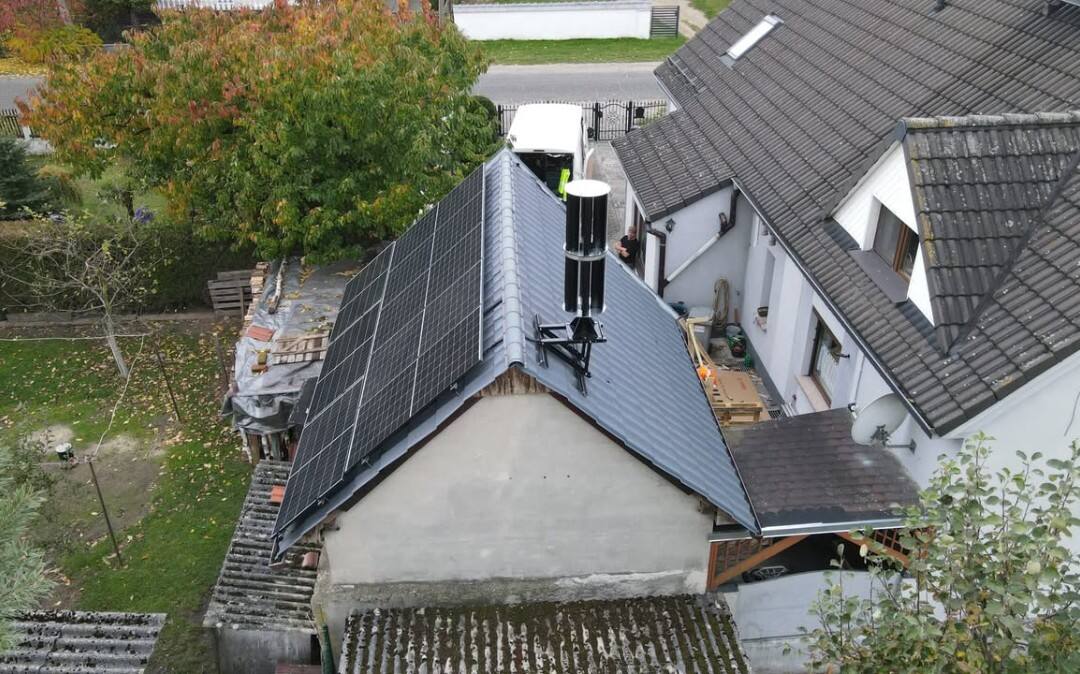
The system does not simply increase the number of PV modules to make up for insufficient power generation during low-light periods, but introduces wind energy as a second renewable energy source. During periods when sunlight is weak but wind conditions are good, wind power generation can supplement the system's power supply. Through the coordinated operation of wind energy, PV power, and battery energy storage, the system configuration can be optimized without blindly expanding PV capacity, reducing upfront equipment investment.
Summary
In response to the significant seasonal fluctuations in solar power generation in Poland, the system introduces wind power generation as a supplementary energy source, helping household users reduce their dependence on single PV power generation, avoid blindly expanding PV capacity, and reduce costs.

