




















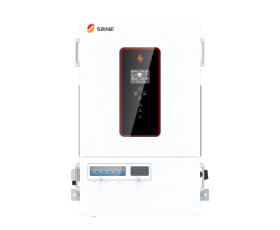

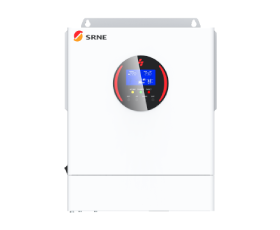

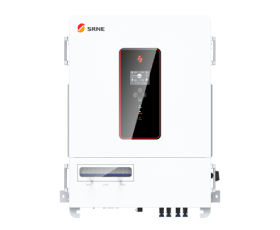
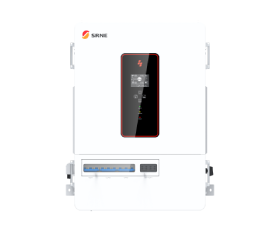

















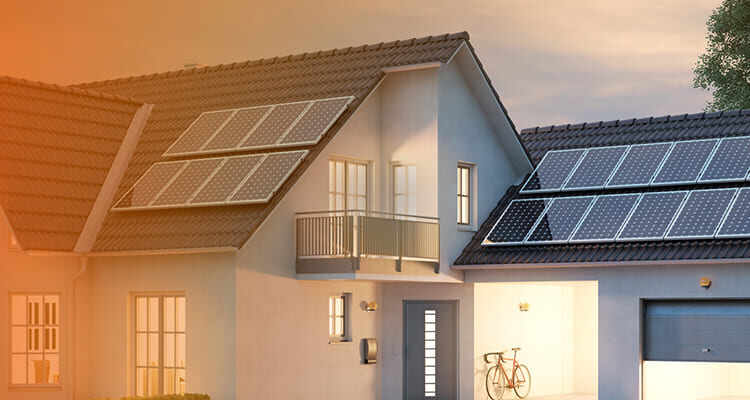

In a residential home in Poland, PV power generation is high during the daytime, while household electricity demand is mainly concentrated in the morning and evening. Without energy storage, excess daytime solar power may not be fully used, and the household still needs to purchase electricity from the grid at night.
To improve PV self-consumption, reduce grid electricity purchases during high-price periods, and enhance energy flexibility, the user installed a 12kW / 32.14kWh SRNE home solar energy storage system.
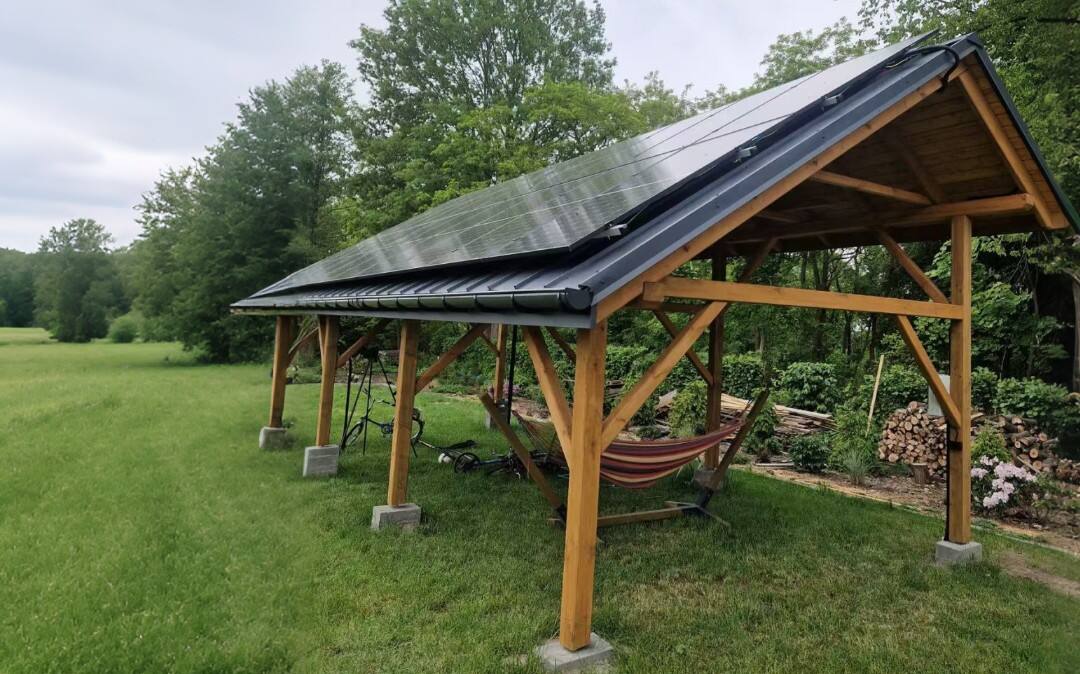
SRNE HESP Inverter and Energy Storage System Configuration
| Item | Configuration |
| Project Location | Poland |
| Application Scenario | Residential Home |
| System Type | Home Solar Energy Storage System |
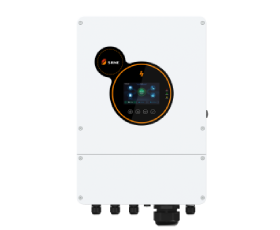
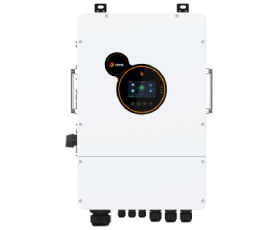
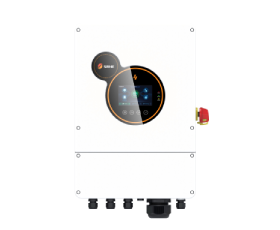
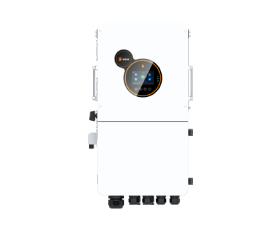
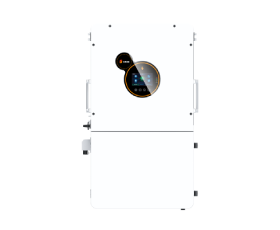
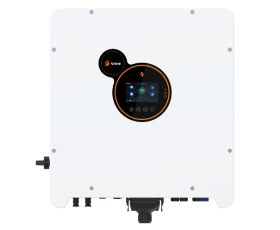
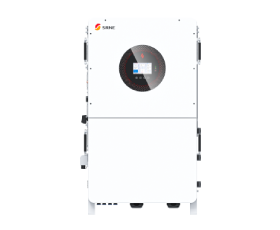
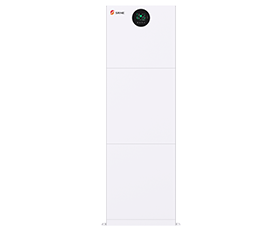
| Inverter | 1 × HESP48120SH3 |
| Inverter Power | 12kW |
| PV Open Circuit Voltage | 500V / 500V |
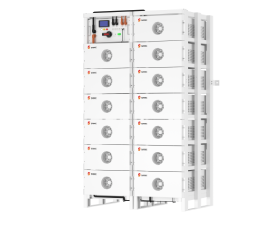
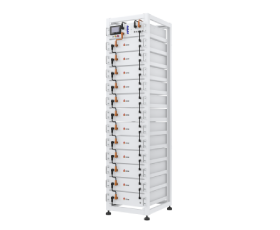
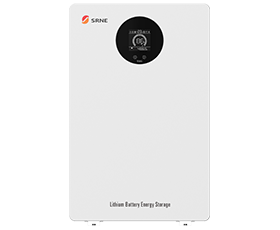
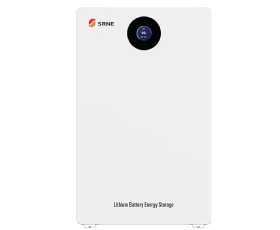
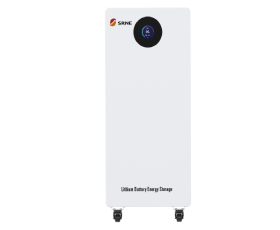
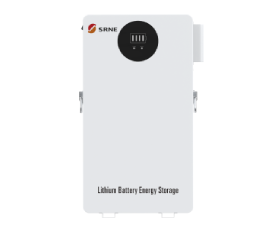
| Energy Storage Batteries | 2 × SE15B Lithium Batteries |
| Single Battery Capacity | 16.07kWh |
| Total Battery Capacity | 32.14kWh |
| Battery Voltage | 51.2V |
| Main Applications | Improve PV Self-consumption, Peak Shaving, Reduce Grid Electricity Purchase, Backup Power |
Hybrid Solar Inverter for Home Solution
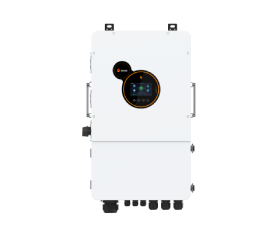
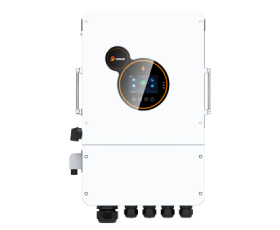
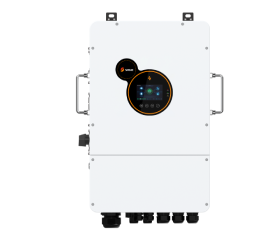
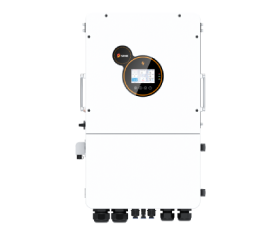
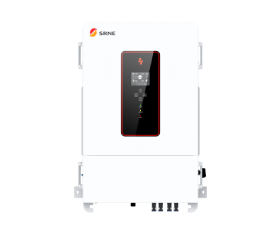
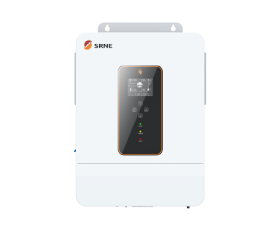
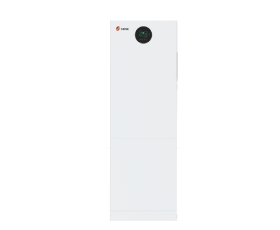
SRNE configured a hybrid solar inverter for home system for this Polish household using one HESP48120SH3 hybrid inverter and two SE15B lithium batteries.
During the daytime, the PV system gives priority to supplying power to household loads, such as refrigerators, washing machines, kitchen appliances, lighting, network devices, and other daily appliances. The hybrid inverter converts PV power into AC electricity for household use.
When PV generation is higher than real-time household demand, excess electricity is stored in the two SE15B batteries. The stored energy can then be used in the evening, at night, or during peak electricity periods, helping the household make better use of daytime solar power.
Under peak-valley electricity pricing or electricity price fluctuations, the system can store energy when PV generation is sufficient or electricity prices are low, and discharge energy during high-price or high-demand periods.
When a power outage occurs, the system can quickly switch to backup power mode. The HESP hybrid inverter supports a switching time of less than 10 ms, allowing the battery to take over power supply after a grid interruption and support basic household electricity use.
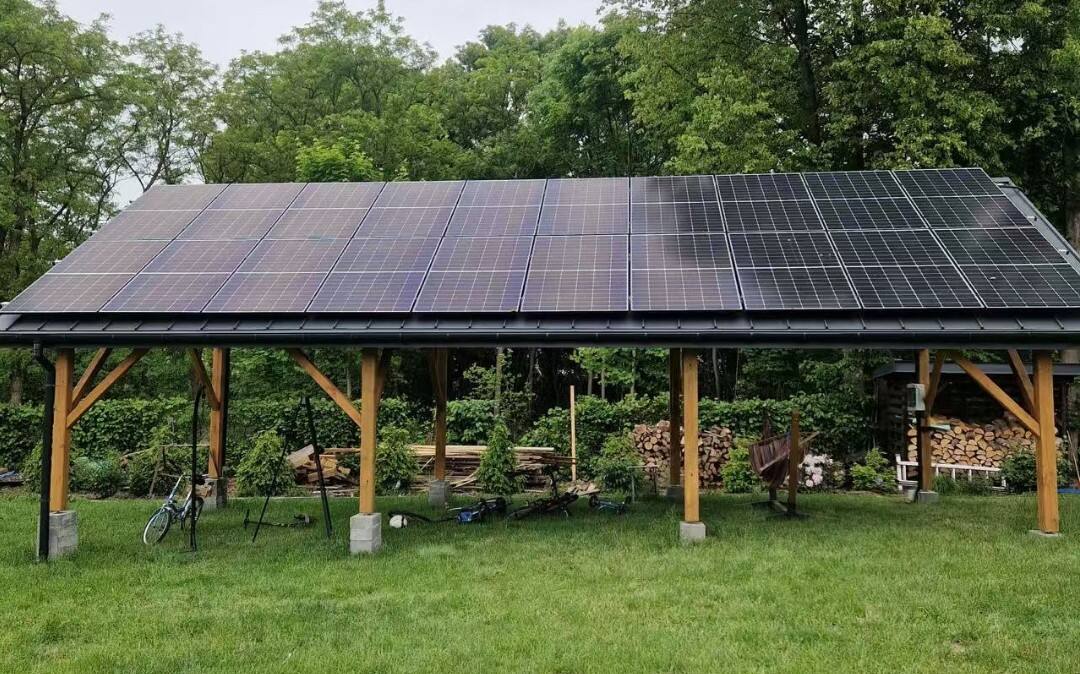
Solar Inverter for Home Use Project Highlights
1.Dual-battery Configuration Improves PV Self-consumption
Two SE15B lithium batteries store excess PV power for night and peak-hour use.
2.Supports Peak Shaving and Optimizes Electricity Expenses
The system charges during low-cost or high-PV periods and discharges during peak-demand periods.
3.Less Than 10 ms Switching Time Ensures Backup Power
The system quickly switches to backup mode during grid outages to power key loads.
4.High-efficiency Energy Conversion
The HESP series inverter has an MPPT tracking efficiency of up to 99.9%, enabling precise tracking of the optimal power generation point and improving PV power generation yield.
Summary
This Polish household solar energy storage project demonstrates how a home solar energy storage system can help users improve PV self-consumption, reduce grid electricity purchases, and optimize household electricity costs under peak-valley pricing or price fluctuations.
By connecting to PV power and the grid, the system stores excess solar energy generated during the day and provides power support for household loads at night, during peak electricity periods, or during power outages.

