







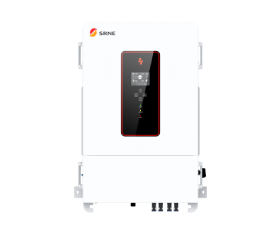
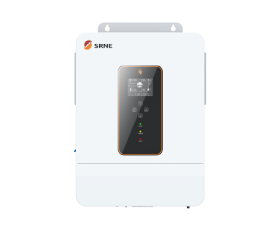
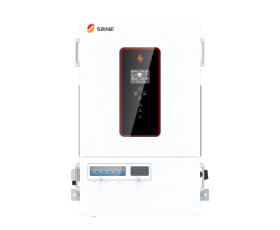
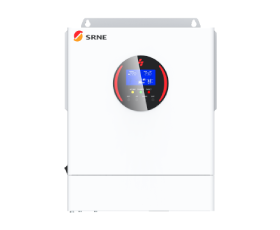
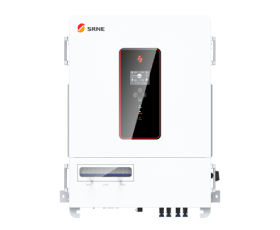
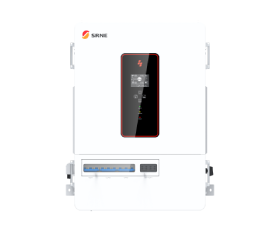
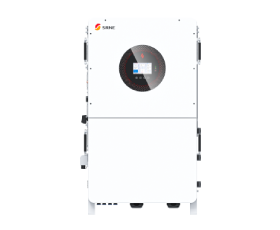
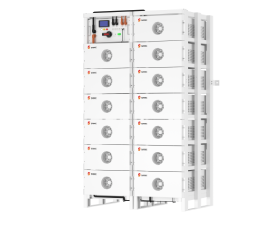



Why Choose Hybrid Inverters for Solar?

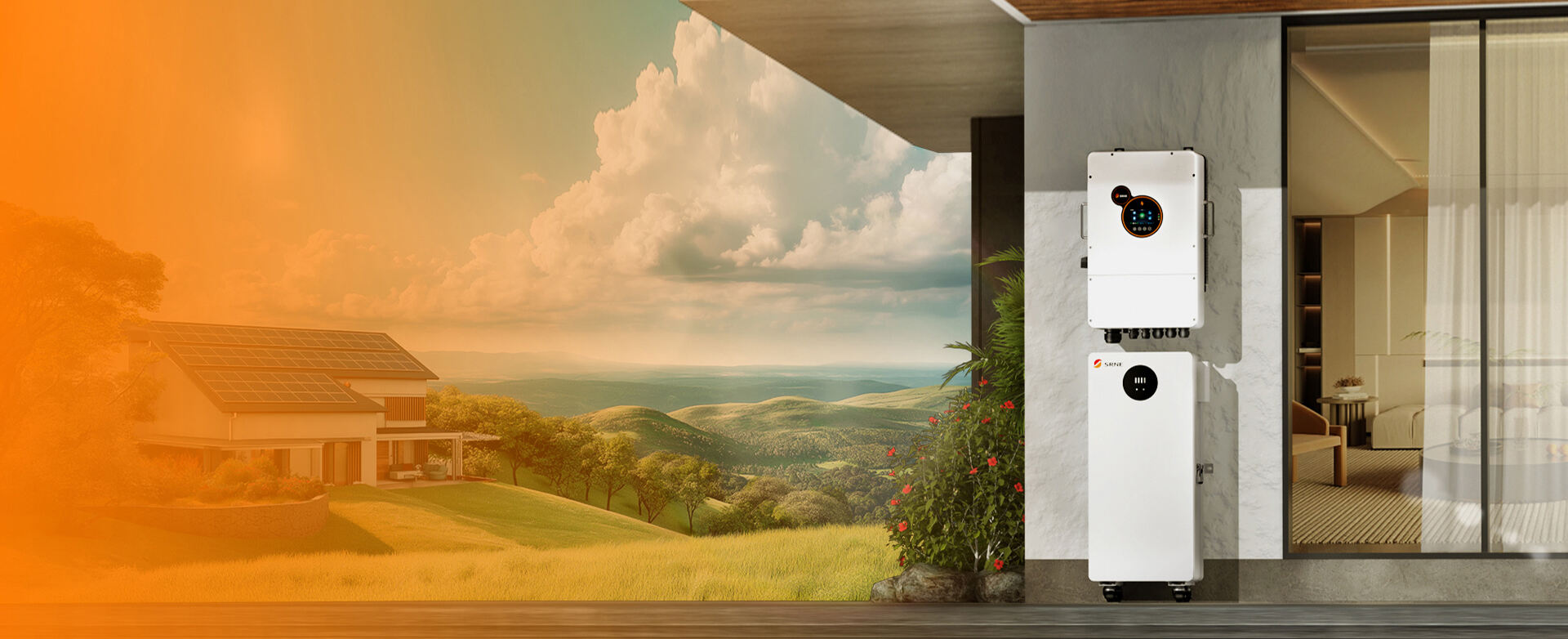
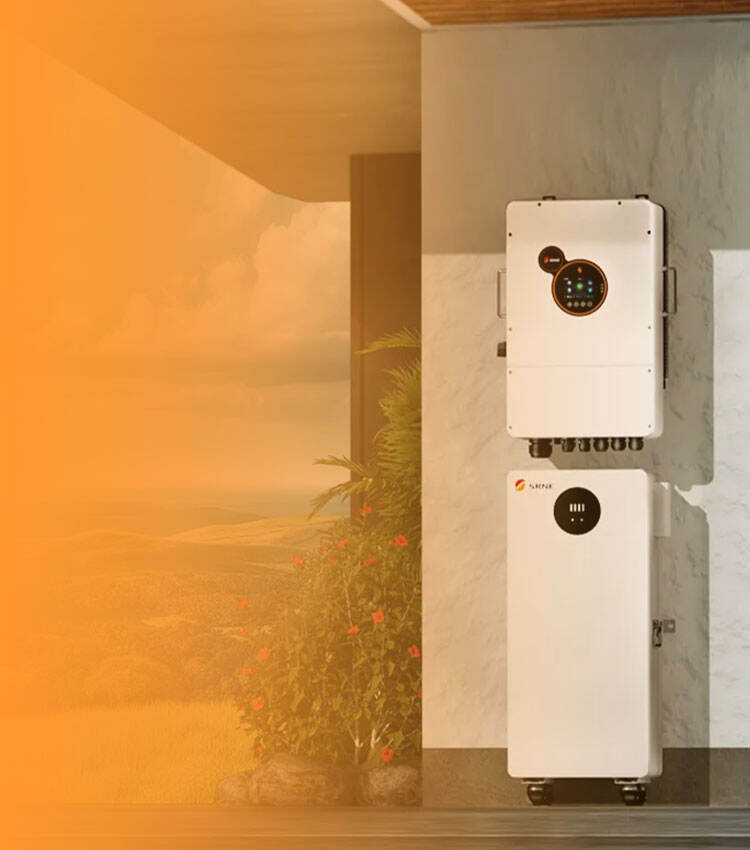
Solar power inverter helps you make the most of clean energy with reliable, efficient, and flexible power solutions.

hybrid inverters

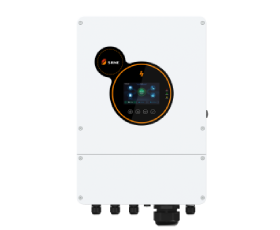
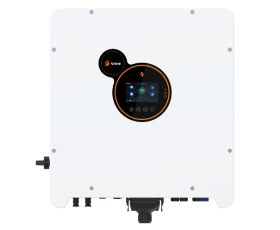
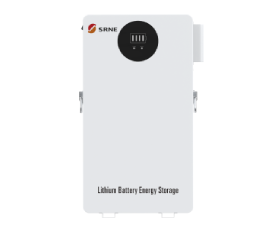
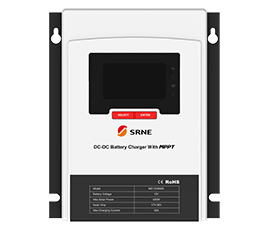
Power Backup & Energy Independence

Hybrid inverter solar backup power, energy independence solution.

hybrid inverter

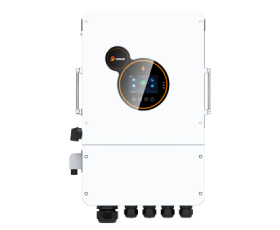
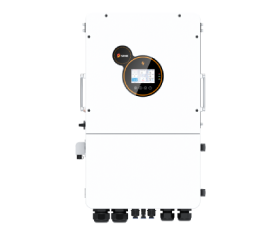
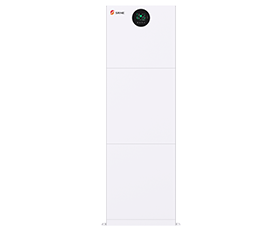
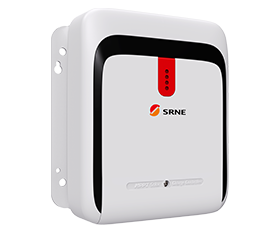
Lower Energy Bills

Hybrid inverter save electricity cost, reduce energy bills with solar storage.

hybrid solar inverter

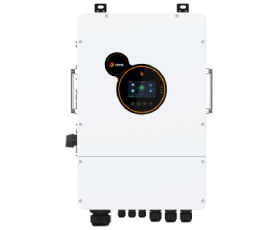
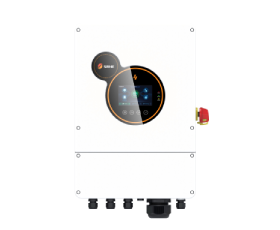
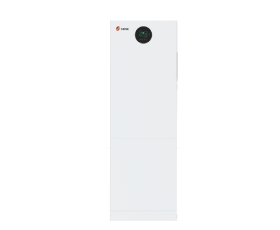
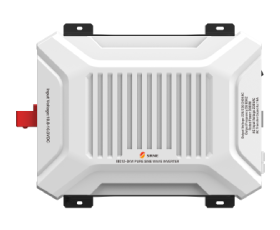
Smart Energy Management

Smart hybrid inverter system, high efficiency solar inverter.

Empowering Life & Work with Solar Power Inverters

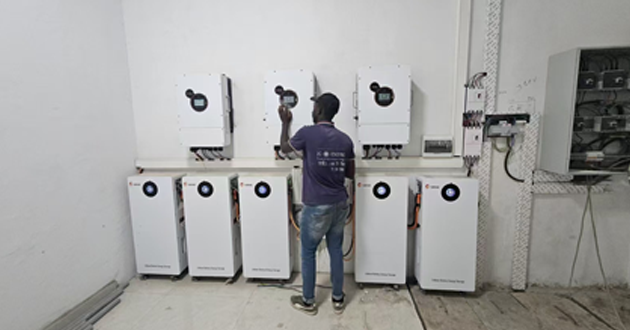
Providing smart and sustainable energy solutions with Solar Power Inverters to keep your home and business running smoothly, on or off the grid.
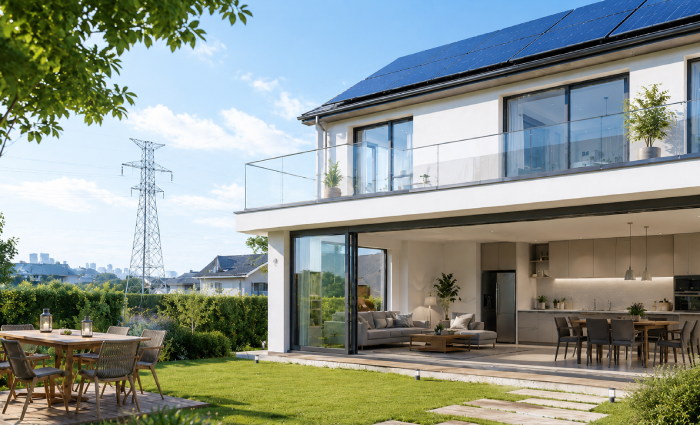
Residential Power Solutions (1).png
01

Residential Power Solutions

The SRNE solar inverter for home uses smart scheduling technology to coordinate the power usage order, automatically arranging charging and discharging according to electricity price levels, ensuring stable power usage and reducing electricity costs.
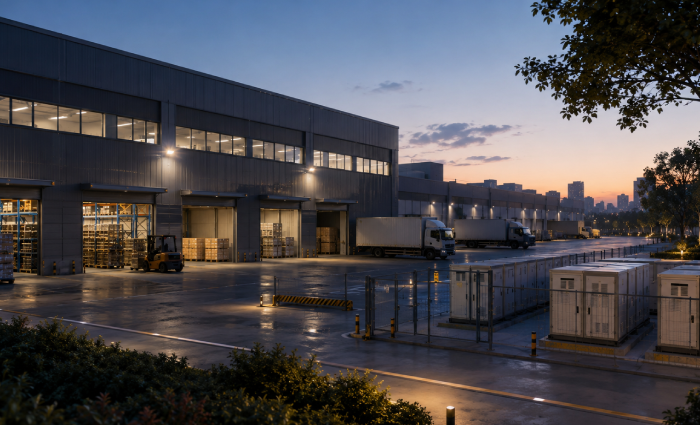
Small-scale C&I Energy Storage System.png
02

Small-scale C&I Energy Storage System

C&I energy storage system gradually increases storage capacity according to electricity demand through modular and parallel control technology, saving initial investment. It manages the power output of multiple inverters and load distribution, ensuring continuous operation of critical equipment.
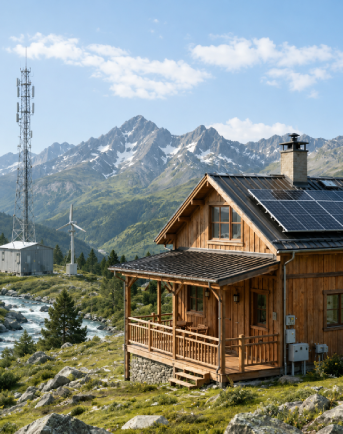
Off-Grid and Remote Power Solutions (1).png
03

Off-Grid and Remote Power Solutions

Solar energy inverters provide intelligent off-grid inverter technology, ensuring the system can generate, store, and supply electricity independently, automatically coordinating or switching between multiple energy sources. It does not rely on utility power, solving the issue of continuous power supply.
hybrid solar inverters
04

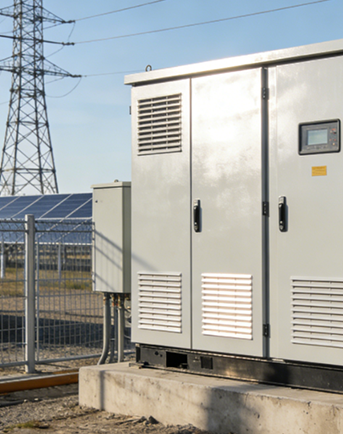
Power Supply for Public Facilities

The SRNE solar hybrid inverter has a built-in advanced intelligent load management system, giving priority to critical devices, and automatically reducing or cutting off non-critical loads when power is insufficient. It improves electricity usage efficiency, reduces the risk of power outages, and lowers manual operation and maintenance costs.
hybrid solar power inverter
05

Integrated Renewable Energy Systems

Solar and power inverters support multi-energy coordinated input, distributing power according to load demand. They ensure stable power supply to loads and make efficient use of resources.

Know More about Solar Inverter

  • How long do solar inverters last?
    Solar inverters are crucial for the conversion of direct current (DC) from solar panels into alternating current (AC), making the energy usable in homes and businesses. Typically, the lifespan of a solar inverter ranges between 10 to 15 years. This can vary based on the type of inverter, with hybrid inverters and off-grid inverters having potentially different lifespans due to their specific uses and operational environments. For example, a 5kw solar inverter is designed for robustness and longevity, while advancements in technology like pure sine wave inverters offer more efficient power conversion and can contribute to an extended lifespan. The durability of a solar inverter also greatly depends on environmental factors, usage, and maintenance, making regular upkeep essential for maximizing its life within your solar system.
  • What does a solar inverter do?
    A solar inverter is integral to a solar system, converting the DC energy generated by solar panels into AC power, suitable for everyday use. Solar inverters come in various models, including the efficient and reliable 3V solar inverter, each designed to suit different power requirements and configurations. The transformation from DC to AC is vital, as it allows the solar-generated electricity to be compatible with the electrical grid and the AC-powered devices within homes and businesses. Additionally, solar power inverters play a key role in the overall performance and safety of a solar system. They not only convert power but also manage the flow of electricity, ensuring that the energy produced is optimized and safely delivered to where it's needed, thus enhancing the efficiency and reliability of the solar system.
  • How to install solar system and inverter?
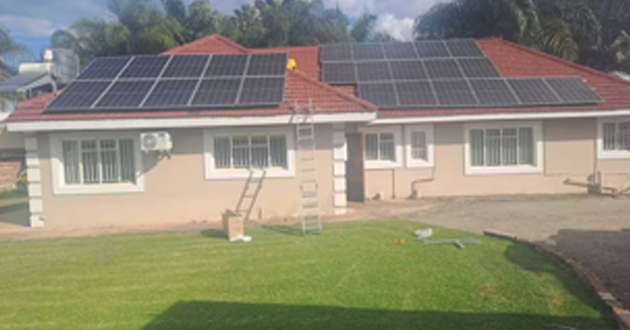
    Begin by securely mounting the solar panels on your roof with appropriate hardware, ensuring they're tilted for optimal sun exposure. Then, connect the panels according to your system design and run the wiring to the inverter location. Install the inverter indoors in a well-ventilated area. When purchasing a solar inverter from SRNE, you'll benefit from our professional home installation service and reliable after-sales support. We ensure that any necessary repairs or replacements can be promptly addressed to maintain the efficiency of your system.
  • Can solar inverter power a house?
    Yes, a solar inverter can power a house by converting the direct current (DC) electricity generated by solar panels into alternating current (AC) electricity that can be used to power household appliances and devices. The solar inverter plays a crucial role in the functionality of a solar power system by ensuring compatibility with the electrical grid and optimizing energy production for residential usage. Our SRNE solar invertercan do that perfectly.
  • Should I choose SRNE hybrid inverter HESP 8kW, 10kW or 12kW?
    The appropriate model should be selected based on your home's peak power demand, backup requirements, and future expansion plans. SRNE HESP 8kW is suitable for homes with moderate electricity consumption and typical household loads. HESP 10kW is recommended for homes with higher energy usage or multiple high-power appliances operating simultaneously. HESP 12kW is ideal for applications requiring greater backup capacity, higher peak loads, or future system expansion. If your home uses large electrical loads such as air conditioners, water pumps, electric ovens, induction cookers, or EV chargers, a 10kW or 12kW model may provide greater operating flexibility. It is recommended to size the inverter according to the maximum expected load and future energy requirements.
  • How many kW inverter do I need for a normal home?
    The inverter size depends on how many appliances need to run at the same time. For basic household loads, models such as SRNE HESP 3.6–6kW are usually sufficient. If the home needs to power air conditioners, pumps, kitchen appliances, or more backup circuits, HESP 8–12kW may be a better choice. For larger homes with a three-phase power supply, a higher-power three-phase model can be considered. For the best sizing result, the SRNE inverter should be selected according to the home's peak load demand, backup requirements, and future expansion plans.
  • Which hybrid solar inverter models are suitable for 48V lithium batteries?
    For 48V lithium battery systems, SRNE offers a range of low-voltage hybrid inverter models, including: SRNE HESP 3.6–6kW SRNE HESP 8–12kW HESP Low-voltage Three-phase 8–12kW HESP Low-voltage Three-phase 16–20kW These models are designed for 48V battery applications and are suitable for residential and light commercial energy storage systems. When selecting a model, it is recommended to consider the battery capacity, maximum charge/discharge current, system load requirements, and communication compatibility with the battery BMS to ensure optimal performance.
  • Which solar inverter should I choose if the home has pumps or motor loads?
    If the home uses pumps, compressors, air conditioners, or other motor-driven equipment, the inverter should be sized to handle both the running power and the higher starting power required by these loads. Motor loads can draw several times their rated power during startup, so it is important to select an inverter with sufficient surge capacity. Depending on the size and number of motor loads, higher-power models such as HESP 8–12kW may provide additional operating margin. The final inverter size should be determined based on the motor starting requirements and the total simultaneous load of the system.
  • Which SRNE hybrid inverter model is better for off-grid or weak-grid areas?
    For weak-grid areas or homes with frequent outages, HESP 8–12kW low-voltage hybrid inverter is a suitable choice. It supports 48V batteries, solar input through 2 independent MPPTs, backup power, and generator connection on some versions, helping the system keep supplying power when the grid is unstable.
  • Which solar inverter models are better for large homes or small commercial applications?
    For large homes or small commercial applications, choose higher-power models with stronger output capacity and expansion options. SRNE hybrid inverter HESP 16–20kW three-phase models are better for high-load homes, villas or small commercial projects. Such projects usually need to support more loads at the same time, connect larger PV arrays, and leave enough capacity for future system expansion.

CONTACT DETAILS

4-5F,Building13A,Taihua Wutong Industrial Park,Gushu Development Zone ,Hangcheng Street,Baoan, Shenzhen, China PR

Inquiry:master@szshuori.com

Aftersale:service@szshuori.com

  • Your Name
    Your Country
  • Your Email
    Your Phone
  • Your Company
  • Leave your message