













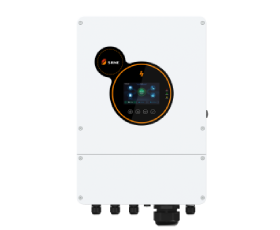
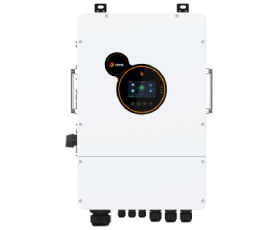

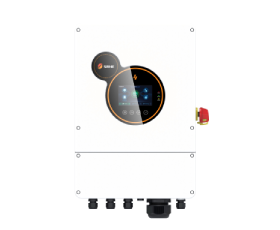
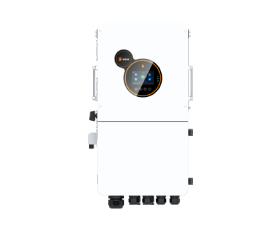

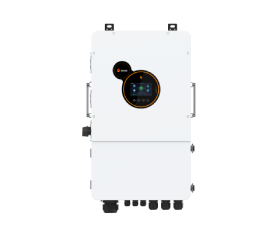

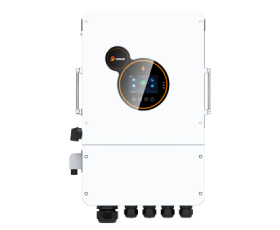

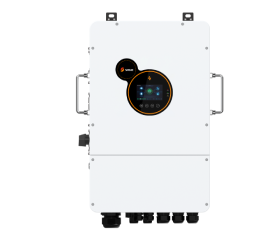
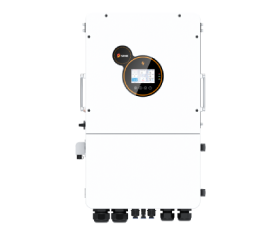

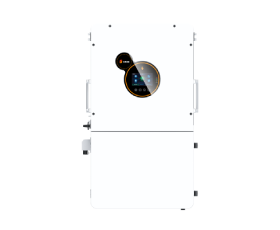
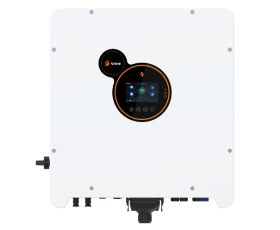


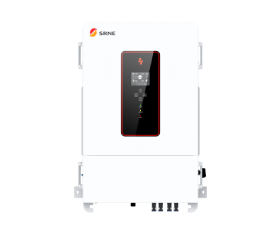
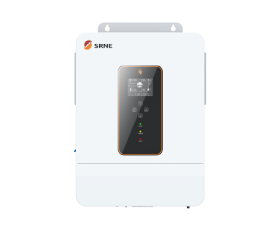
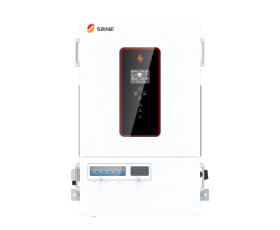

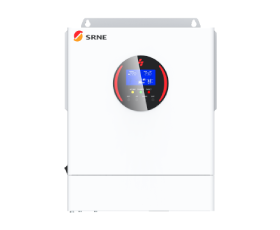

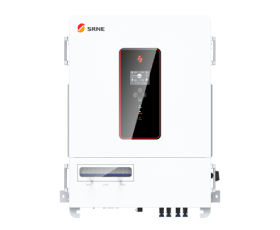
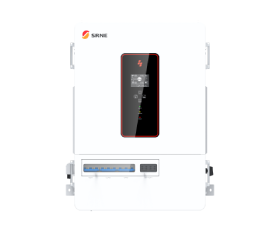

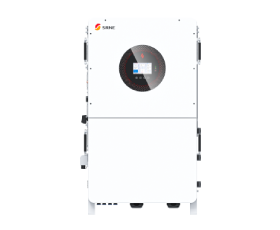





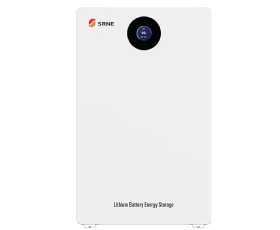
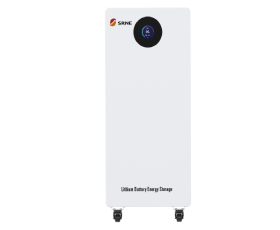
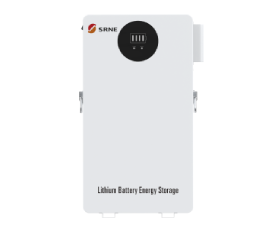
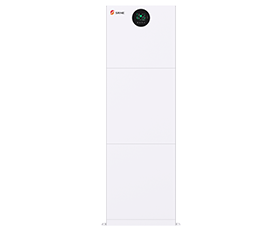
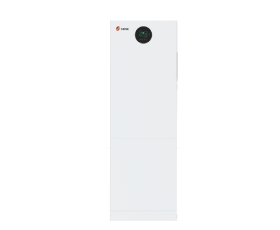


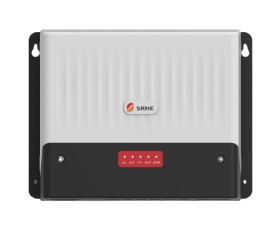

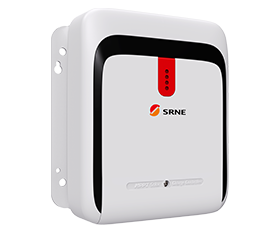
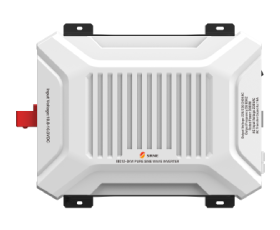

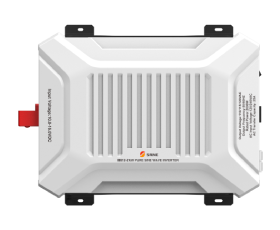
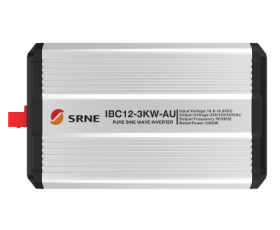
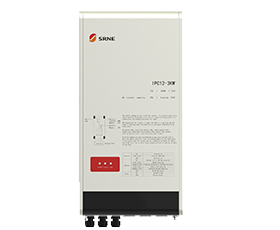
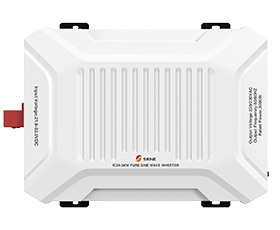
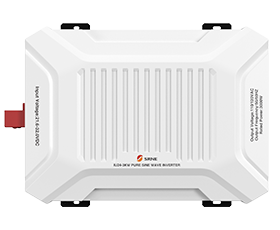







HESP 3-8kW
Three Phase Low Voltage Hybrid Inverter
EU | Three Phase | 1-2 MPPTs
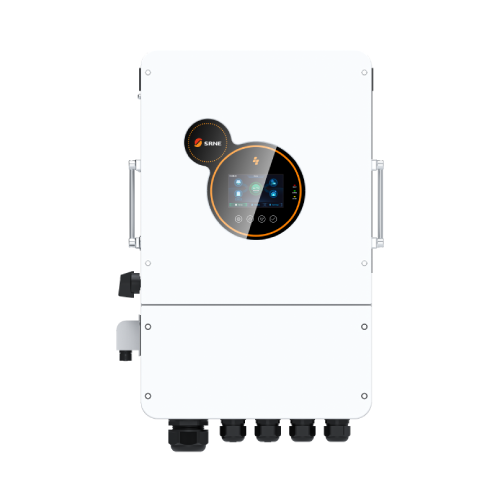
3kW to 8kW Three-Phase Range
The HESP 3-8kW three phase hybrid inverter covers 3kW, 6kW and 8kW, matching three-phase output to different residential loads without requiring a high-voltage battery platform.
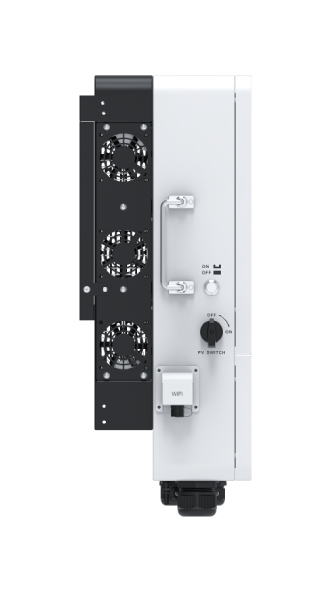
Up to 16kW PV Input on the 8kW Model
The 8kW model accepts up to 16kW PV input and uses two MPPT trackers. A 200-650Vdc MPPT range and 800V PV ceiling give this 8kW inverter flexibility for longer strings and larger arrays.
48V Storage with Fast Backup Support
A 40-60Vdc battery range keeps the series on a low-voltage architecture. Typical 10ms transfer and a generator input give the 48V inverter backup flexibility during grid loss or low-solar periods.


Smaller Three-Phase Homes and Distributed Loads
The 3kW and 6kW models give installers lower entry points for homes that already use three-phase distribution but do not need an 8-12kW inverter. This three phase inverter can support balanced residential circuits while keeping the battery side at 48V.
Properties with Pumps, Compressors or Workshop Equipment
The series provides up to 2x peak output, helping with brief startup demand from three-phase motors. The 8kW model reaches 16kVA peak output, while motor references rise from 3HP on the 3kW model to 6HP on the 6kW model. That makes the 3 phase hybrid inverter relevant where startup behavior matters as much as continuous load.
PV Expansion with Battery and Generator Backup
On the 8kW model, up to 16kW PV input and 200A maximum hybrid charging provide room for a larger solar-plus-storage design. A separate generator input adds another backup source, so the three phase solar inverter can combine PV, battery, grid and generator power in one residential energy system.
HESP 3-8kW Three Phase Inverter OVERVIEW
Download
Datasheet
User Manual
FAQ

Can the HESP Hybrid Inverter Work With a Generator for Extended Backup?

Yes. The HESP hybrid inverter supports generator integration, providing an additional energy source when grid power is unavailable or battery capacity needs support during extended outages.
For remote areas, rural properties and locations with unstable grids, combining a generator with a hybrid inverter system can improve overall energy reliability. The inverter can manage power flow between PV, battery, grid and generator sources, helping maintain continuous power availability.
Can the HESP Three Phase Hybrid Inverter Provide Reliable Backup Power?
Yes. The HESP three phase hybrid inverter is designed for applications that require stable backup power during grid interruptions. It supports short-term peak output capability to handle startup currents from appliances such as pumps, compressors and other motor-driven equipment.
For example, the 8kW model supports up to 16kVA peak output, allowing the system to manage temporary high-power demand. However, actual backup performance depends on battery capacity, load characteristics and system configuration.
How Does the Three Phase Solar Inverter Support Flexible PV System Design?
The three phase solar inverter design of the HESP series provides greater flexibility for larger PV installations. With a wide MPPT voltage range and multiple MPPT channels on higher-power models, the inverter can support different solar panel layouts, including installations with multiple roof orientations.
This flexibility helps installers optimize PV string design and improve solar generation efficiency. When configuring the PV system, the string voltage, module specifications and local environmental conditions should be considered to ensure stable inverter operation.
Can the HESP Series Be Used as a 48V Inverter for Lithium Battery Storage?
Yes. The HESP series is designed as a 48V inverter solution for low-voltage lithium battery storage systems. It supports a 48V nominal battery system and requires compatible battery capacity, BMS communication and protection settings to ensure safe operation.
For higher-power models, the battery system should provide sufficient charge and discharge current to match inverter performance. Proper battery selection, cable sizing and protection devices are important factors when installing a 48V inverter system for residential backup or energy storage applications.
What Are the Differences Between HESP 3-8kW Three Phase Hybrid Inverter Models?
The main differences between the HESP 3-8kW three phase hybrid inverter models are related to PV input capability, MPPT configuration, charging performance and suitable application size.
The 3kW model is designed for smaller three-phase solar systems, while the 6kW and 8kW models support larger PV configurations with dual MPPT design for more flexible solar installation. The 8kW model supports up to 16kW PV input and higher charging current, making it suitable for larger residential energy storage systems with higher electricity demand.
When selecting a three phase hybrid inverter, installers should consider the required load capacity, solar generation target, battery size and future expansion requirements.
How do I choose the right HESP 3-8kW three phase hybrid inverter for my solar storage system?
The HESP 3-8kW series is designed for residential and small commercial applications with three-phase power requirements. The available 3kW, 6kW and 8kW models allow installers to match inverter capacity with actual energy consumption instead of selecting an oversized system.
For smaller three-phase homes or low-consumption properties, the 3kW model can provide efficient power conversion with lower system costs. The 6kW and 8kW models are more suitable for larger PV arrays, higher household loads, and applications requiring greater backup capacity. When selecting a HESP 3-8kW three phase hybrid inverter, the key factors include daily energy usage, PV capacity, battery size and backup load requirements.