













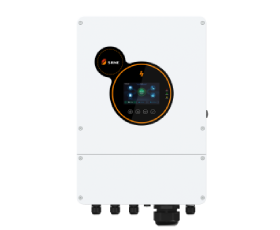
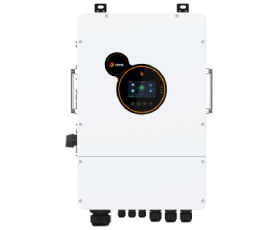

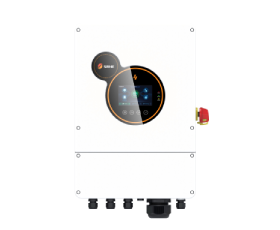
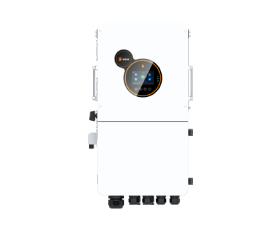

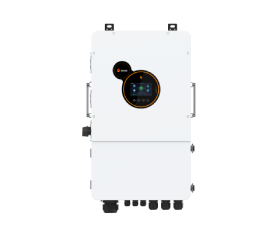

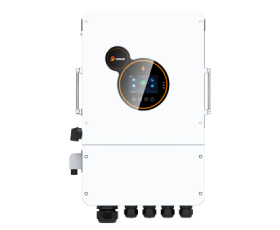

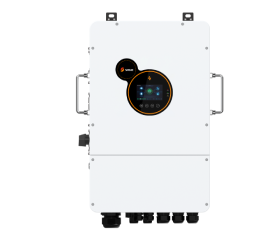
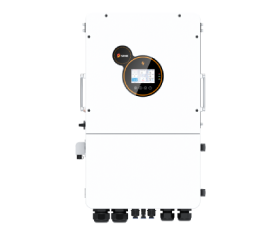



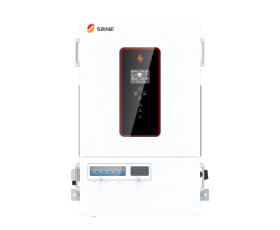


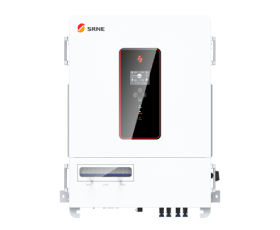
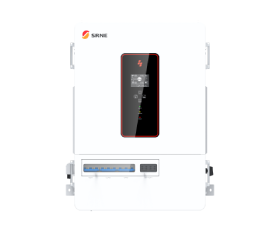






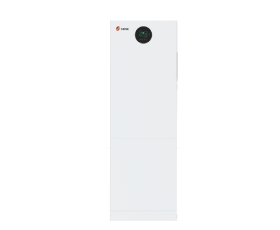



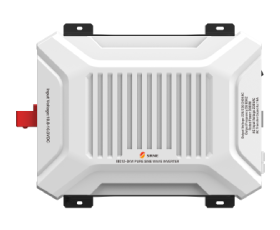

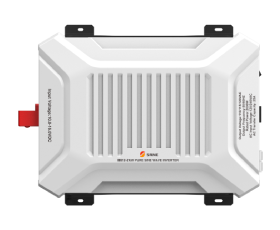
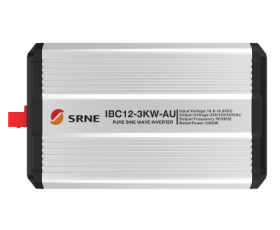
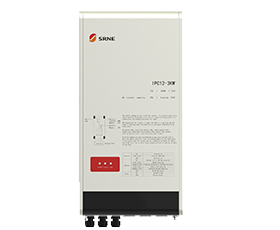









Up to 360A Battery Throughput
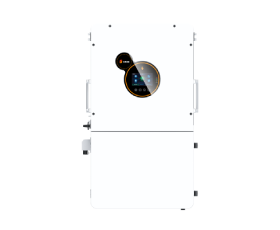
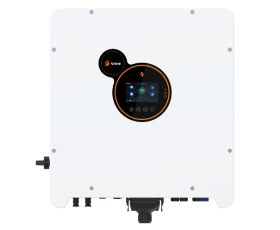
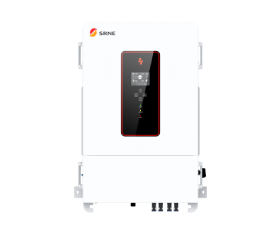
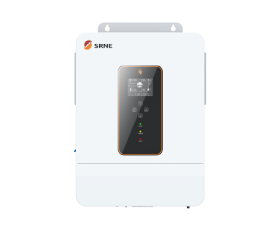
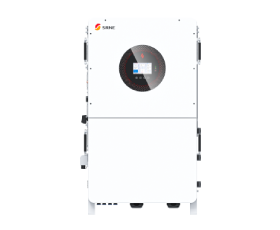
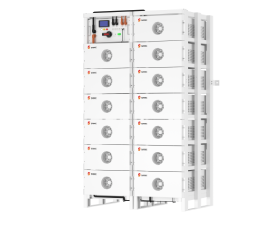
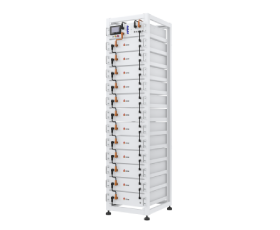
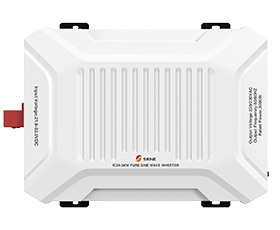
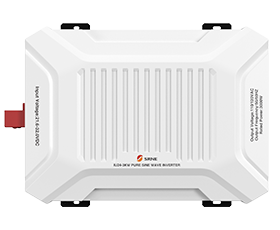
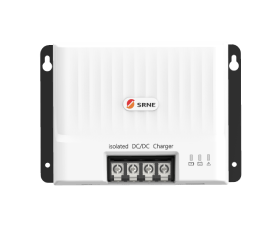
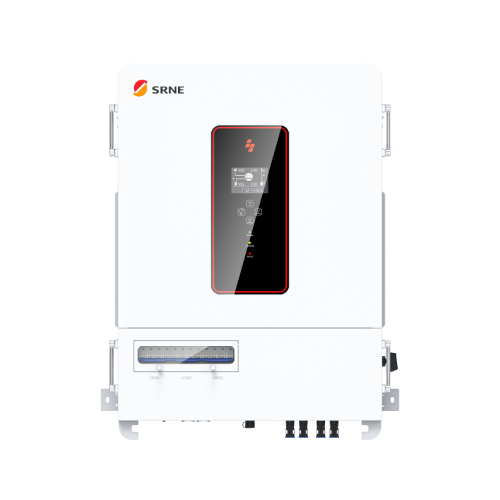
The ASP 16–20kW three phase off grid inverter stays on a 48V battery platform while supporting up to 360A charge/discharge current on the 18kW and 20kW models for high continuous loads.
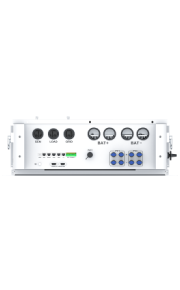
1000V PV Input and 30kW Array Capacity
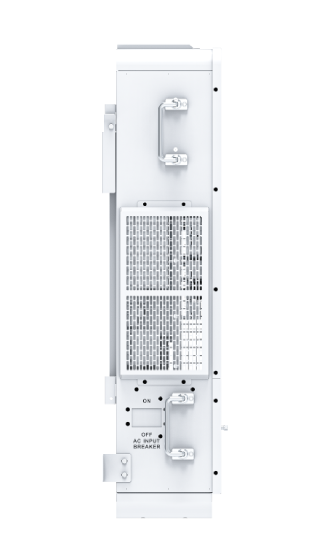
The 20kW model supports up to 30kW PV with a 160–800V MPPT window and 1000V ceiling. That gives the 20kW inverter room for long strings and substantial daytime solar production.
150% Single-Phase Overload Support
The three-phase platform tolerates temporary phase imbalance with 150% single-phase overload support. A 60A bypass and up to 2× grid/generator input also strengthen the 3 phase inverter when an AC source is available.
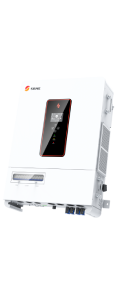

Large Off-Grid Homes and Rural Compounds
The off grid solar inverter provides 230/400Vac three-phase output at 16kW, 18kW or 20kW for sites beyond typical residential sizes. A 48V battery platform supports larger pumps, HVAC equipment, workshops and multi-building loads on one three-phase off grid solar system.
Sites with Uneven Phase Demand
150% single-phase overload support adds tolerance when one phase temporarily carries more demand than the others. This makes the three phase solar inverter useful where single-phase branch circuits sit alongside three-phase equipment and the load cannot remain perfectly balanced at every moment.
Expandable Commercial-Scale Systems
Up to six 20kW units can form a 120kW system, creating a path from one off-grid inverter to a much larger installation. The 48V inverter family supports staged expansion, but battery current, PV allocation, protection and AC distribution should be planned around the expected final scale.
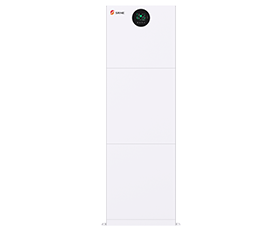
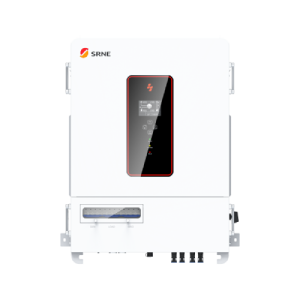
ASP 16–20kW Three Phase Off Grid Inverter OVERVIEW
Download
Datasheet
User Manual
FAQ

Is a 48V battery system practical at 20kW?

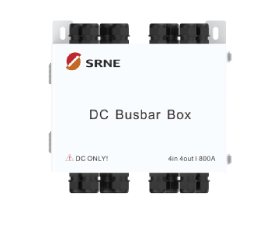
Yes, but the DC side must be engineered for high current. The ASP 16–20kW EU series keeps a 40–60Vdc battery range and lists up to 360A charge/discharge current on the 18kW and 20kW models. That makes cable size, busbars, battery BMS capability, disconnects and overcurrent protection critical. A 48V inverter at this power level is not simply a larger version of a small residential system; the battery connection and thermal design need to be treated as high-current infrastructure.
Why does the 20kW ASP allow as much as 30kW of PV?
The larger PV allowance helps the system collect more energy across changing irradiance and support simultaneous loads plus battery charging, while continuous AC output remains limited by the inverter rating. The 20kW model supports up to 30kW PV, and the platform uses a 160–800V MPPT range with a 1000V maximum PV voltage. An off grid solar inverter should still be string-designed from module Voc, current and temperature correction; the 30kW figure is not permission to exceed electrical input limits.
What does 150% single-phase overload support solve?
Three-phase sites often have many single-phase branch circuits, so demand can shift heavily toward one phase for short periods. The ASP specification gives the 3 phase inverter additional tolerance when one phase is temporarily more heavily loaded. This can reduce nuisance limitations in mixed-load buildings, but it does not replace proper phase balancing. Continuous branch-circuit design should still distribute loads sensibly, and the total three-phase demand must remain within the inverter’s rated operating limits.
How does the 60A bypass interact with the inverter rating?
The bypass path allows accepted grid or generator power to feed loads directly when that source is available. SRNE lists a 60A bypass for the ASP 16–20kW platform, while grid/generator input can be higher than the inverter’s own rated output. Bypass current is separate from battery-derived 20kW inverter power, so it should not be added to the inverter rating as if both were continuous conversion capacity. Source breakers, conductors and downstream distribution need to be sized for the current that may pass through.
When is the no-neutral option relevant?
SRNE lists a no-neutral connection option for supported three-phase systems. This can simplify wiring in installations whose electrical architecture does not require an N conductor, but it should only be used when the connected loads and local wiring rules are compatible with that topology. A three phase solar inverter serving mixed single-phase loads will often need a neutral path. The correct connection method should therefore be selected from the actual load distribution and the manual rather than from a preference to reduce conductors.
Can six 20kW ASP units really create a 120kW off-grid system?
Yes, SRNE specifies parallel expansion up to six units, so six 20kW inverters can provide 120kW of rated inverter capacity when configured. The difficult part is not simply multiplying the kW. A large ASP 16–20kW three phase off grid inverter system needs a battery bank capable of very high aggregate current, appropriately divided PV input, synchronized communications, large AC distribution equipment and coordinated protection. If that scale is anticipated, the initial project should be engineered for expansion from the beginning.