













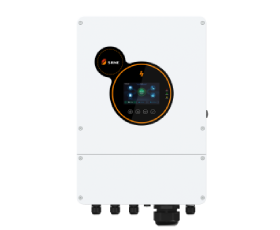
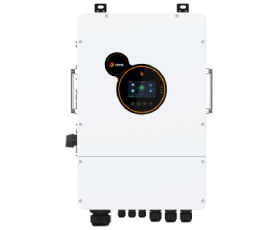

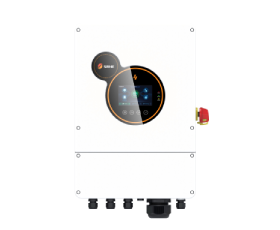
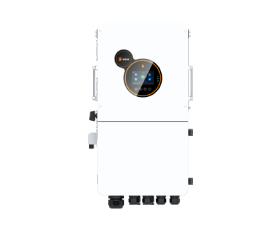

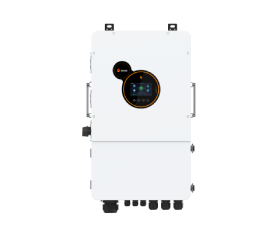

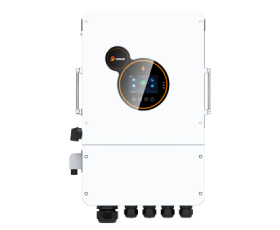

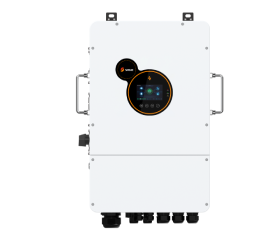
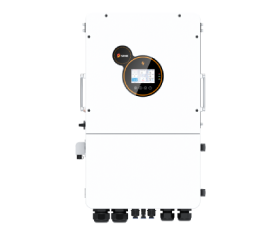

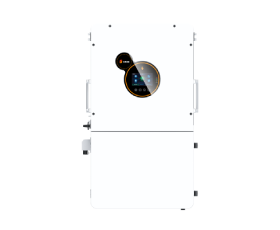
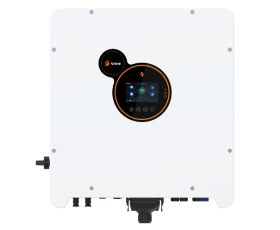


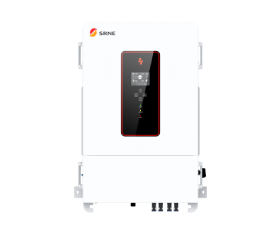
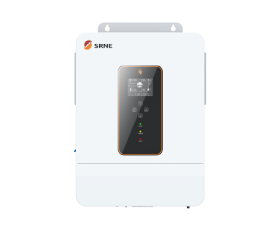
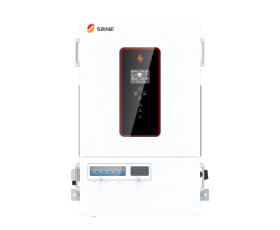

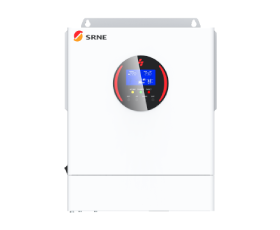

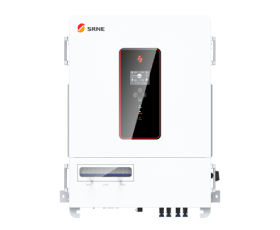
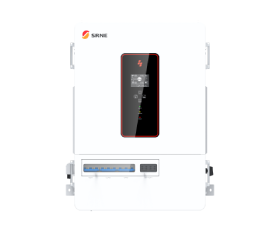

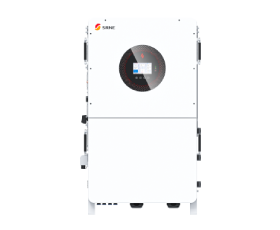


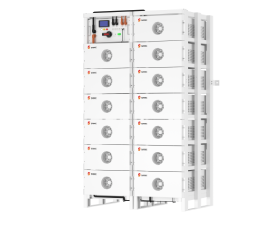
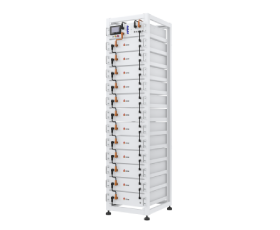


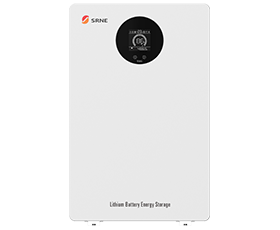

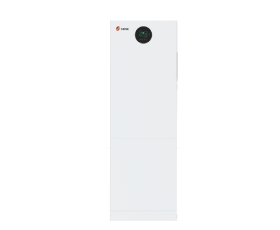



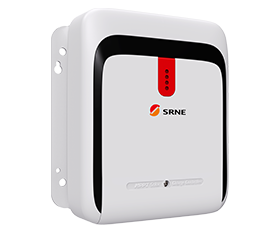









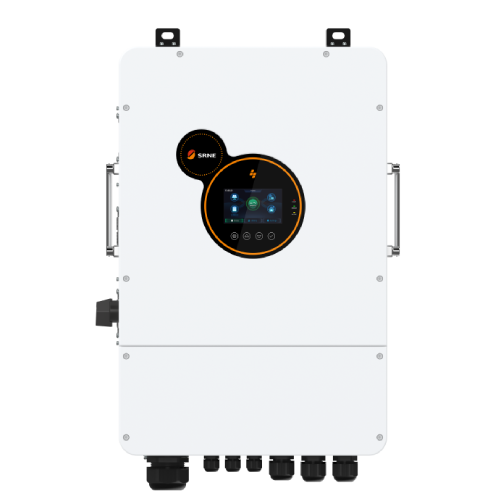
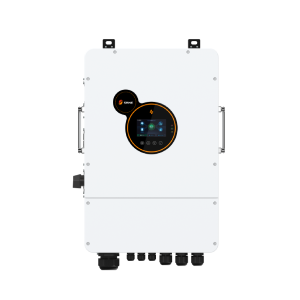
HESP 8-12kW
Single/Split Phase Low Voltage Hybrid Inverter
EU | Single Phase | 2 MPPTs
2x Peak Output for High-Demand Single-Phase Loads
The single-phase HESP 8–12kW provides up to 2× peak output for high-demand household and motor starts. Its 8.8kW, 10kW and 12kW models provide peak output of 17.6kVA, 20kVA and 24kVA respectively.
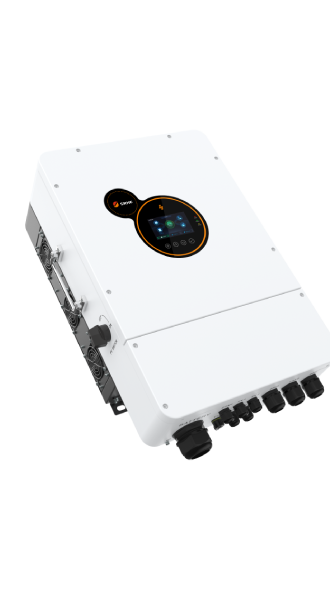
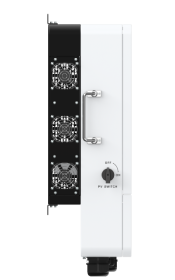
200A Hybrid Charging for 8.8–12kW Single-Phase Storage
The 200A hybrid-charging ceiling gives the 12kW single-phase model stronger battery-recovery capability after large household loads or extended backup operation. Grid charging is specified up to 120A and generator charging up to 60A, so each source has a clear role in the charging architecture.
Expand from Single-Phase to Three-Phase as Demand Grows
The single-phase HESP 8–12kW can expand from one to six units and, in larger configurations, provides a route to three-phase output. One to six HESP 8–12kW EU units can be connected in parallel.


Add Storage to Compatible Existing PV Systems with AC Coupling
Existing compatible grid-tied PV can remain in service while storage or backup is added through AC coupling, reducing the need for a full solar-side redesign. AC-coupling support allows the HESP 8–12kW EU to add battery storage or backup capability to compatible existing PV installations without replacing the entire solar-side architecture.
Stay on AC Input Through a Wider 90–280Vac Range
The 90–280Vac input window tolerates wider utility or generator voltage variation, reducing unnecessary transfers to battery in weak-grid conditions. The published grid/generator input window spans 90–280Vac, covering a broad range of AC-source conditions in weak-grid locations or systems that combine utility power with a backup generator.
Separate PV Arrays with Two Independent MPPTs
Multiple MPPT channels keep electrically different PV groups on separate trackers, improving layout flexibility across roof orientations and string groups. Separate trackers make it easier to divide the array between different roof orientations or strings while keeping the HESP48100S200-H and HESP48120S200-H within their published solar input limits.
OVERVIEW
Download
Datasheet
User Manual
FAQ

Which HESP 8–12kW model is the better fit: 8.8kW, 10kW or 12kW?

The right model depends on the continuous load, expected startup demand and the amount of headroom you want for future appliances. The 8.8kW, 10kW and 12kW models provide rated outputs of 8.8kW, 10kW and 12kW, with peak output up to twice the rated level. A 10kW hybrid inverter may fit a home whose normal demand stays comfortably below 10kW, while the 12kW hybrid inverter offers more margin for larger simultaneous loads. Final sizing should be based on a real load schedule rather than inverter power alone.
Does a 48V battery system make sense at this power level?
Yes, when the battery bank, cables, protection devices and installation are designed for the current involved. This 48v inverter series operates with a 40–60Vdc battery range and supports lead-acid, lithium-ion and user-defined batteries. The 200A maximum hybrid charging current is useful for restoring stored energy after heavier use, but it does not mean every battery should be charged at 200A. Battery charge limits, BMS requirements and cable sizing must be checked against the selected battery system.
Can the HESP 8–12kW handle air conditioners, pumps or other motor loads?
It is better suited to startup-heavy loads than an inverter sized only around continuous wattage. The series provides up to 2× peak output and supports motor capacity up to 6HP, which gives the system more short-duration headroom when compressors, pumps or similar loads start. However, actual startup current varies widely by equipment. When using this single phase inverter for motor loads, installers should compare the appliance starting current, running current and backup priorities with the selected HESP model.
What is the practical value of the dedicated generator input?
The generator port gives the system an additional AC source without treating the generator as a simple emergency connection. Generator charging is specified up to 60A, while the grid input supports up to 120A charging and the combined hybrid charging ceiling reaches 200A. The 90–280Vac AC input range also provides flexibility in weaker-grid environments. For homes that experience long outages, the solar hybrid inverter can use generator power to support charging when solar production and stored battery energy are not enough.
When is parallel expansion worth planning for?
Parallel operation matters when future demand may exceed the capacity of one inverter or when the installation is expected to grow in stages. The HESP 8–12kW supports 1–6 units in parallel, so a system can start with one appropriately sized unit and add capacity later. More than three units in parallel can also form a three-phase output. That makes the HESP 8–12kW hybrid inverter useful for projects where the owner wants a single-phase system now but may need a larger electrical architecture later.
What should be checked before connecting the PV strings?
Do not size the PV array only from the inverter’s kW rating. The HESP 8–12kW uses two independent MPPT trackers, with a 125–425Vdc MPPT operating range, 500Vdc maximum open-circuit voltage and 22A/22A maximum PV input current. Maximum PV input power is 5.5kW + 5.5kW for the 8.8kW and 10kW models and 6.6kW + 6.6kW for the 12kW model. Separate trackers can also help divide arrays with different roof orientations. Module Voc, temperature correction, string current and array orientation should all be checked before finalizing the design.