













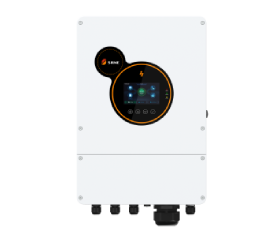
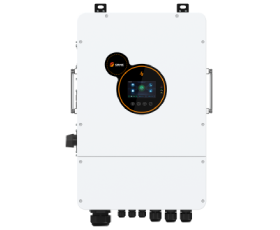

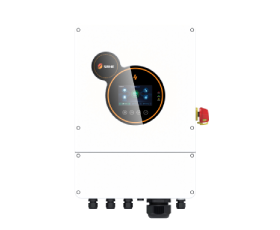
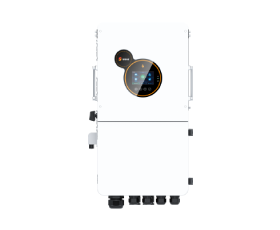

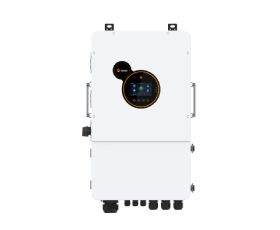

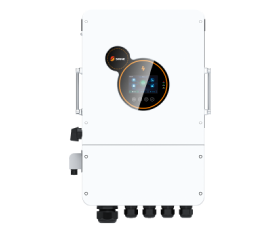

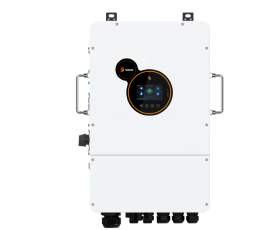
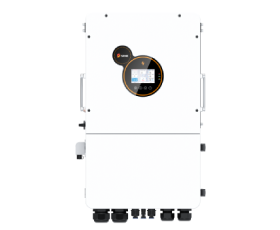

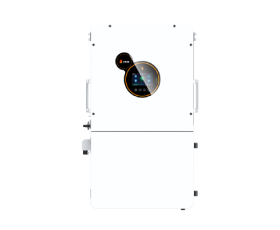
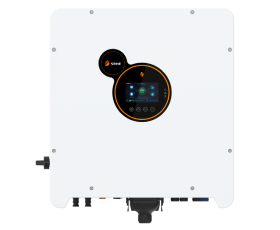
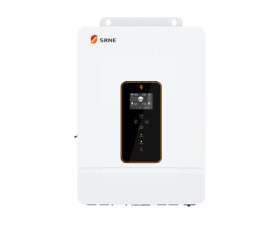

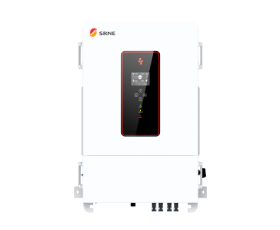
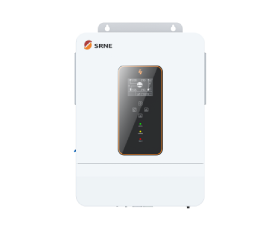
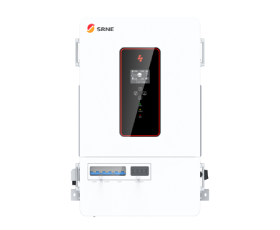

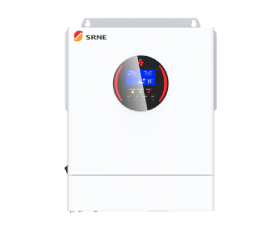

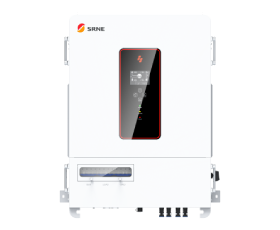
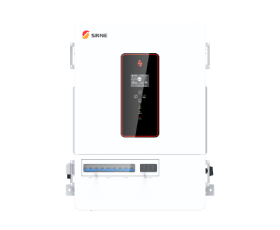

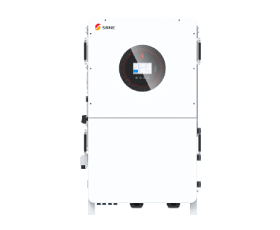


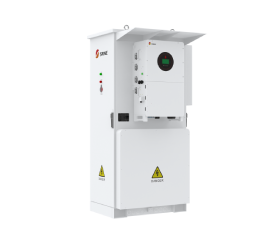
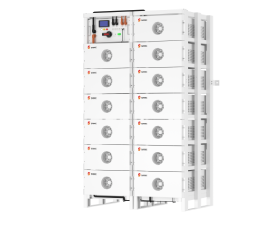



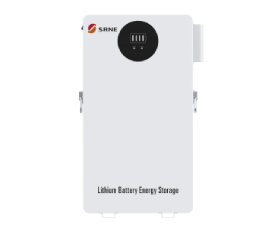
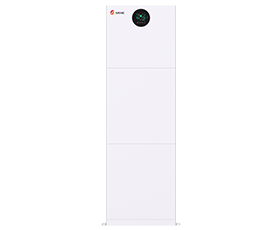
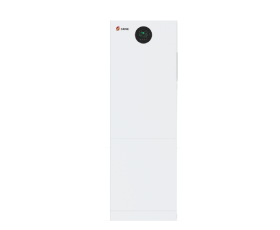

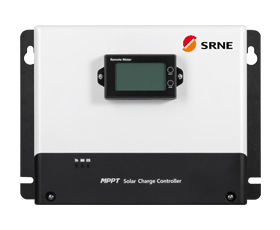



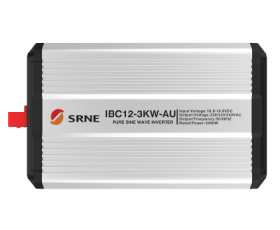
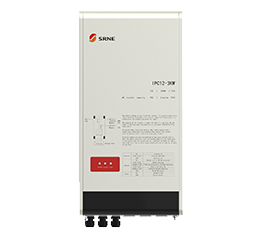
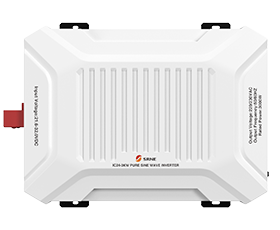
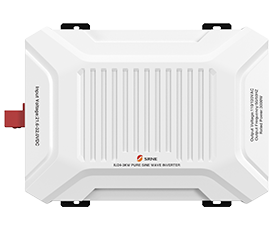







Native 120/240V Split-Phase Output
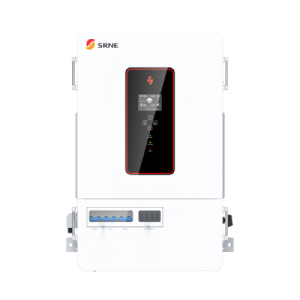
Native 120/240Vac split-phase output lets the 14–16kW ASP serve both 120V branch circuits and 240V high-power loads. The ASP 14–16kW US models provide 120/240Vac split-phase output using L1, L2, neutral and protective earth, supplying both 120V branch circuits and 240V appliances in larger North American homes and off-grid properties.


130% Unbalanced-Load Support
130% unbalanced-load support gives the split-phase ASP more tolerance when household branch loads are unevenly distributed between the two legs. SRNE lists support for 130% unbalanced load on the split-phase platform.
300A Battery Throughput
Up to 300A charge/discharge current gives the 14–16kW US split-phase ASP stronger battery-side power flow for whole-home and high-load backup systems. High battery-side current and the motor rating define the large-load capability, subject to proper battery and conductor sizing.


Dual 36A MPPTs
More current per MPPT provides additional design margin for high-current modules and parallel strings while independent trackers keep array sections separate. A 120–600V MPPT range with a 650V open-circuit ceiling supports high-current modules and large rooftop or ground-mount arrays on the 14–16kW off-grid platform.
100A Grid Bypass
A 100A grid-bypass path lets whole-home AC loads draw directly from utility power when available, preserving battery capacity and separating passthrough demand from inverter output. A 100A grid bypass path can carry substantial split-phase load directly from utility power without requiring every watt to be converted from the 48V battery.
UL1741 References
UL1741 and FCC Part 15 Class B, giving installers concrete standards to verify during permitting and project review. Separate arc-fault, leakage-current and optional rapid-shutdown functions add equipment-level protection, while final approval still depends on the exact certificate scope and local requirements.
OVERVIEW
Download
Datasheet
User Manual
FAQ

Can a 120/240V split-phase inverter connect to an existing US residential electrical panel?

Yes. The ASP 14–16kW split phase inverter provides 120/240V output, making it suitable for integration with compatible North American residential electrical systems. This arrangement supports both standard 120V household circuits and 240V equipment, such as well pumps, electric dryers and certain HVAC systems. However, compatibility with an existing panel depends on the installation method, transfer equipment, grounding arrangements and panel ratings. A 16kW inverter should not be treated as a direct replacement for the home's entire utility service without first evaluating its electrical loads and distribution requirements.
What happens when one 120V leg carries more load than the other?
Uneven loading is common in residential split-phase systems. One leg may supply a microwave, refrigerator and several lighting circuits, while the other carries considerably less demand. The 14–16kW models specify 130% unbalanced load support, allowing additional flexibility when electrical consumption differs between L1 and L2. For an inverter split phase configuration, this capability is useful when household appliances operate independently throughout the day. However, the 130% figure does not mean the inverter can continuously exceed its total rated output. The actual permitted per-leg current and operating conditions must follow the manufacturer's specifications.
How should 120V loads be distributed between L1 and L2 in a 16kW system?
Start by identifying which appliances are most likely to operate simultaneously. High-demand 120V circuits, such as kitchen outlets, refrigeration and other household equipment, should be distributed between the two legs where the panel arrangement permits. A properly connected 240V appliance draws power across L1 and L2, while a 120V circuit uses one leg and neutral. This distinction matters even when the combined household demand remains below the inverter's 16kW rating. When integrating a 240v inverter into a residential distribution system, the loading of each leg should be checked independently. The published unbalanced-load capability provides additional operating flexibility but does not eliminate the need for appropriate circuit allocation.
Which household circuits should be prioritized during a prolonged power outage?
Refrigeration, lighting, communications equipment, essential outlets and water pumps are commonly prioritized because they support basic household functions. Larger appliances, including air conditioning and electric cooking equipment, can significantly increase battery consumption. For whole home power backup, the key consideration is not only how many appliances the inverter can operate simultaneously but also how long the available battery energy will last. A 16kW unit may have sufficient output capacity for the selected circuits while the battery bank provides only a limited runtime. Identifying essential and nonessential loads makes it easier to determine the appropriate battery capacity and whether generator assistance or automatic load management is necessary.
Can this inverter work with an existing 48V lithium battery bank?
An existing 48V lithium battery system may be compatible if its operating voltage, BMS communication and allowable charging and discharging currents meet the inverter's requirements. The ASP 14–16kW off grid inverter operates with a nominal 48V battery system, a specified voltage range of 40–60V and a maximum charging and discharging current of 300A. When upgrading an existing solar inverter for home installation, battery discharge capability can become a limitation. A battery bank designed for a smaller inverter may store enough energy for the intended backup duration but may not support the current required at higher output levels. Before reusing existing batteries, confirm the supported communication protocol, BMS current limits, parallel-module configuration and protective-device requirements.
What should installers check when integrating generator input and rapid shutdown?
Generator compatibility and PV rapid shutdown must be evaluated independently because they serve different functions. For generator input, check the accepted voltage and frequency, available generator power and battery charging settings. The charging current may need to be reduced when the generator is also supplying household loads. For PV protection, the technical documentation identifies an optional rapid-shutdown signal generator and other protection-related functions. This does not mean that every required shutdown component is included as standard. In a North American split phase inverter installation, contractors should verify the actual equipment supplied, compatible protection devices and applicable local electrical-code requirements before commissioning.