


















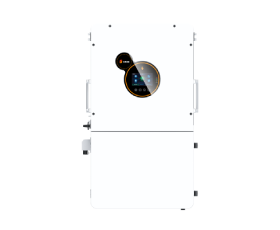
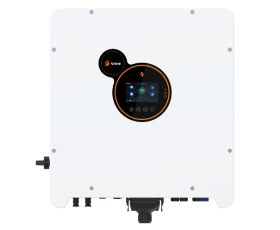


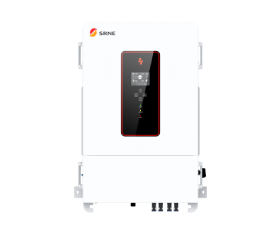
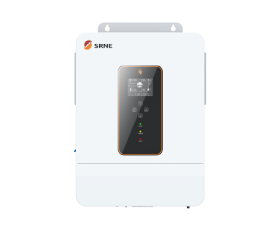



















Best Solar Inverter in Nigeria 2026
This guide compares the best solar inverter brands in Nigeria for 2026, including Deye, Growatt, Felicity Solar, Luminous, SRNE, Huawei, Victron Energy, MUST Power, PRAG and Sunsynk. It also explains price ranges, suitable applications, common buying mistakes and how to choose the right inverter based on load demand, battery setup and real power conditions.
Best Solar Inverter Brands in Nigeria 2026
Brand | Founded | Core Products | Key Advantage in Nigeria | Best For | Score |
Deye | 2007 | SUN Hybrid Inverters | Strong hybrid performance, IP-rated design, good battery compatibility | Premium homes, commercial loads | 9.4/10 |
Growatt | 2011 | SPF Series, SPH Series | Cost-effective, easy monitoring, good off-grid support | Homes, shops, farms | 9.1/10 |
Felicity Solar | 2007 | IVEM Series | Good value, wide local availability, inverter + battery options | Entry-to-mid budget homes | 8.8/10 |
Luminous | 1988 | Home Inverters, Battery Systems | Strong local recognition, easy spare parts, simple backup use | Basic home backup | 8.3/10 |
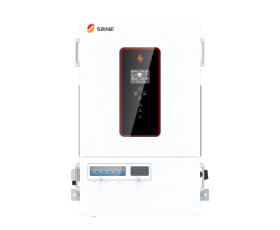
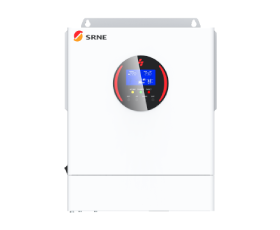
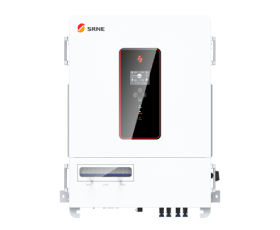
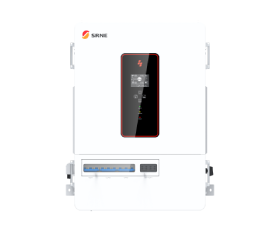
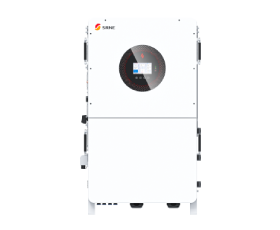
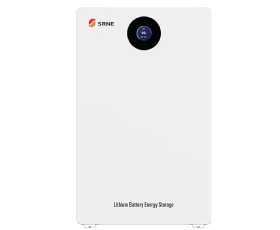
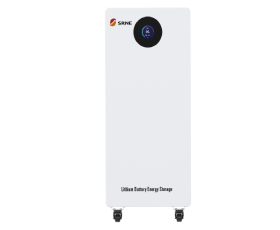
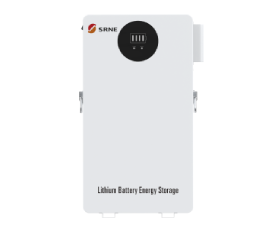
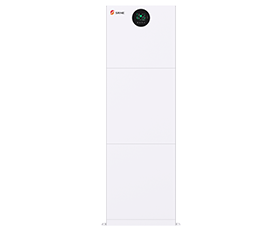
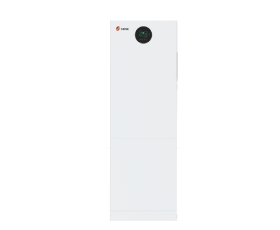
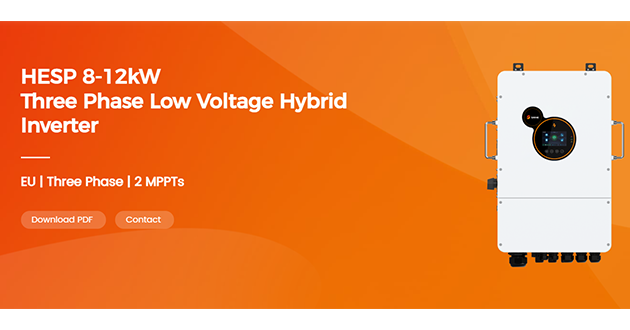
SRNE | 2009 | HESP 3.6–6kW-EU, HESP 8–12kW-EU | Suitable for 230V homes, battery backup, weak-grid use and higher-load residential systems | Homes, farms, shops, small businesses | 8.9/10 |
Huawei | 1987 | SUN2000, LUNA2000 | Smart monitoring, high-end grid-tied and storage solutions | Commercial and premium systems | 8.7/10 |
Victron Energy | 1975 | MultiPlus-II, Quattro, SmartSolar MPPT | Strong modular off-grid and generator integration | Off-grid homes, telecom, clinics | 8.9/10 |
MUST Power | 2010 | PV1800 PRO Series | Affordable hybrid/off-grid options with built-in MPPT | Budget homes and shops | 8.1/10 |
PRAG | — | Heavy-duty Inverters, Hybrid Inverters | Local access, lower-cost backup options | Small offices and budget users | 7.8/10 |
Sunsynk | 2013 | 5kW / 8kW / 12kW Hybrid Inverters | Strong solar + battery + grid management | Homes, SMEs, backup systems | 8.8/10 |
Why Nigeria Needs Reliable Solar Inverters
In Nigeria, choosing a solar inverter is not only about using solar energy. For many homes and businesses, it is a practical response to unstable grid supply, rising electricity costs, expensive generator fuel and the need for dependable backup power. When the grid is unreliable, a good inverter system can help keep essential appliances, office equipment, lights, refrigerators, pumps and communication devices running.
The pressure on Nigeria’s power supply remains clear in 2026. Reuters(https://www.reuters.com/business/energy/nigerias-grid-capacity-shrinks-with-gas-supply-43-2026-02-27/)reported that gas-fired power plants were receiving less than half of the fuel they needed, reducing grid capacity and worsening electricity supply across the country. Another Reuters report noted that Nigeria’s grid can deliver about 3,000 MW on a good day, far below estimated demand of more than 30,000 MW, forcing many households and businesses to rely on diesel generators.
Top Solar Inverter Options for Nigerian Homes and Businesses
1. Deye
Deye is a strong choice for Nigerian users who need one inverter system to manage solar panels, batteries, grid input and generator backup. Its SUN-3/3.6/5/6K-SG04LP1-EU and related SUN hybrid inverter models are suitable for residential and small commercial hybrid systems. Key features such as low-voltage battery support, dual MPPT input, IP65 protection, AC coupling and generator compatibility make it practical for unstable power conditions.
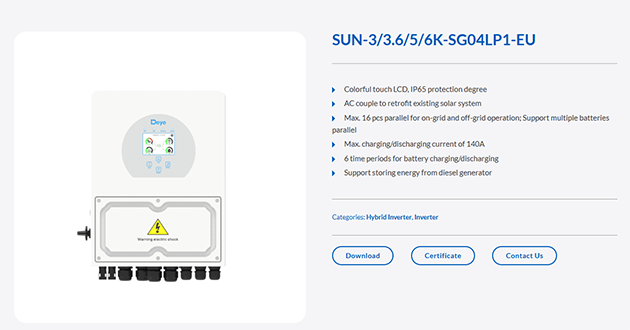
For homes, shops, supermarkets, offices and restaurants, Deye is especially useful when the load includes refrigerators, freezers, pumps or air conditioners. When grid power fails or generator fuel becomes expensive, the system can help users coordinate solar power, battery storage and generator input more flexibly.
2. Growatt
Growatt is widely used in Nigeria’s residential and small commercial solar market. Its SPF 3000–5000 ES / ES LITE series supports WiFi/GPRS remote monitoring, PVkeeper local commissioning, up to 6 units in parallel and compatibility with lithium, lead-acid and GEL batteries.
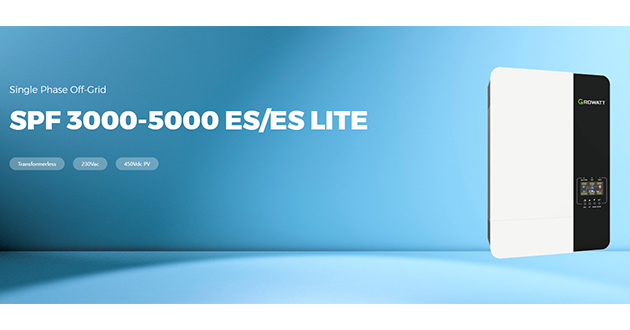
Its main advantage is affordable system expansion. For apartments, small homes, shops, farms and offices, Growatt allows users to start with a basic backup system and expand later when power demand increases. This is useful for areas with regular outages where users need lighting, fans, routers, TVs, refrigerators and basic business equipment to keep running.
3. Felicity Solar
Felicity Solar is a common option for Nigerian buyers who want an accessible inverter-and-battery solution. Its IVEM Series, IVEM 3/5kW-LV, is designed for low-voltage off-grid and hybrid use. The series includes pure sine wave output, built-in MPPT charging, UPS support, overload protection and 24V/48V system options.
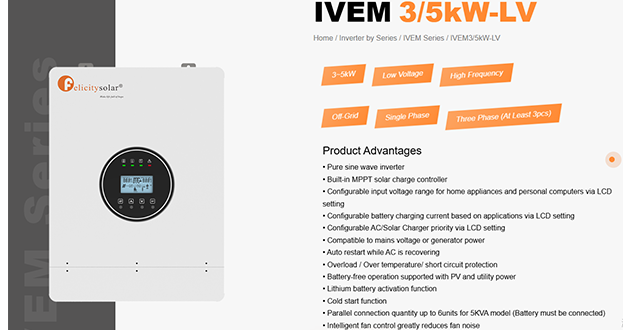
Felicity’s strength is practical availability. For homes and small shops dealing with daily blackouts, the brand offers a relatively easy way to power TVs, POS machines, routers, fans, refrigerators and lighting. Its local market presence also helps users find batteries, installers and replacement support more easily.
4. Luminous
Luminous is better known in Nigeria for simple home and office backup power. The Luminous iCruze 4kVA/48V, 5kVA/96V, 7.5kVA/120V and 10kVA/180V models are designed for higher-capacity residential and office use, with pure sine wave output, LCD display, MCB protection and compatibility with tubular, flat plate and SMF batteries.
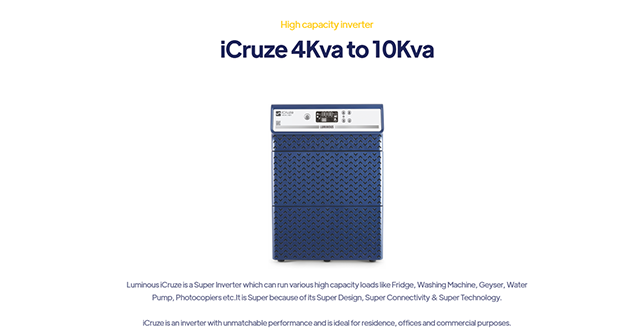
This brand is more suitable for essential loads than complex solar-plus-storage systems. It works well for lights, fans, routers, TVs, photocopiers, small office equipment and selected household appliances during outages. For users who value simple operation, familiar branding and easier local maintenance, Luminous remains a practical backup option.
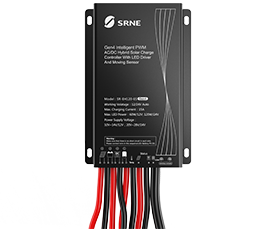
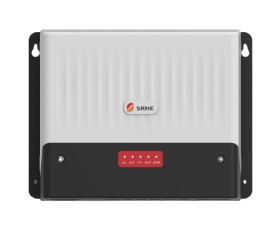
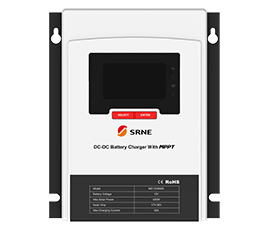
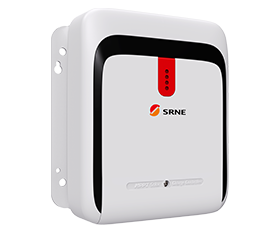
5. SRNE
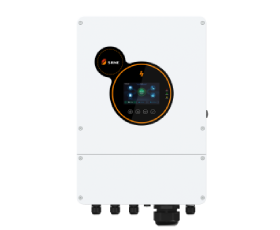
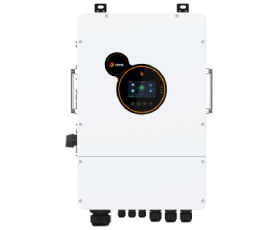
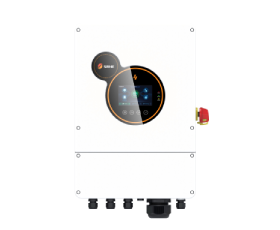
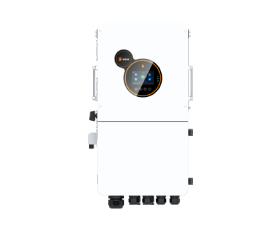
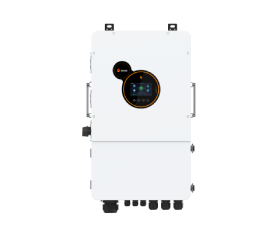
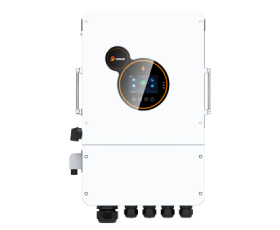
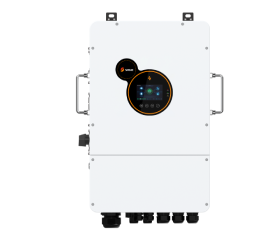
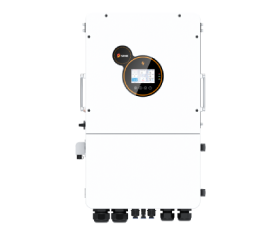
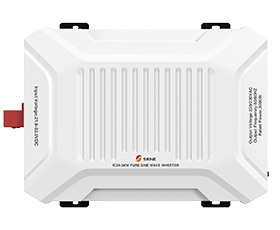
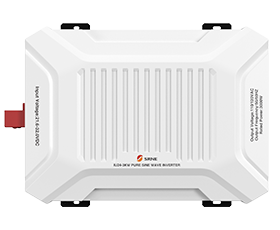
SRNE is a strong option for weak-grid and battery-based solar systems in Nigeria. The HESP 3.6–6kW-EU and HESP 8–12kW-EU residential hybrid inverter series are especially relevant. The HESP 3.6–6kW-EU supports 230Vac output, 48V battery systems, 2 MPPTs, 500V PV input and 1–6 units in parallel operation, while the 8–12kW range is more suitable for higher-load homes and small commercial systems.
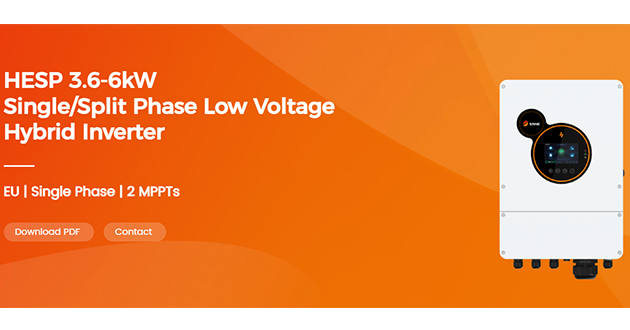
SRNE’s advantage is that it can support both daily backup power and larger hybrid system needs. The 3.6–6kW models fit standard homes and smaller backup systems, while the 8–12kW models are better for farms, shops and small businesses with refrigerators, pumps, lighting and office equipment. SRNE can also support distributors and installers with inverter selection, battery matching, installation guidance and after-sales technical service.
6. Huawei
Huawei is more suitable for users who need smart PV management and higher-end energy storage control. Its SUN2000 smart energy controllers, LUNA2000 energy storage system and FusionSolar management platform are relevant for residential, commercial, industrial and smart microgrid applications.
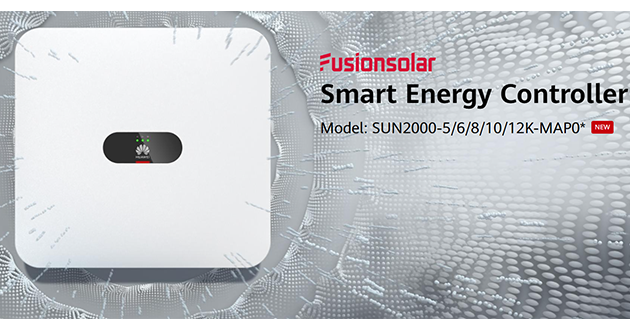
Huawei’s main value is system visibility. For commercial rooftops, factories, industrial facilities and premium homes, users need to monitor solar generation, battery status, consumption data and system faults in real time. This makes Huawei a better fit for professionally managed solar systems rather than simple household backup.
7. Victron Energy
Victron Energy is a strong choice for systems that must combine solar panels, batteries, generators and grid input. Its MultiPlus-II, Quattro and SmartSolar MPPT products are commonly used in modular off-grid and backup power systems. The MultiPlus-II supports PowerControl, PowerAssist and millisecond changeover during outages.
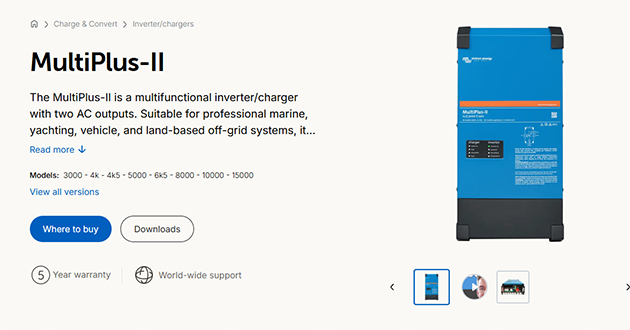
Victron is especially suitable for farms, clinics, telecom sites, marine systems, remote homes and small commercial facilities where power supply may switch between grid, generator and battery storage. Its strength is not low upfront cost, but flexible system design and reliable generator coordination for critical-power applications.
8. MUST Power
MUST Power is often considered by buyers who need an affordable entry into solar backup. Its PV1800 PRO and PV1800 PRO II series combine pure sine wave inverter output, MPPT solar charging and battery charging in one unit. Some PV1800 PRO II models can also run without a battery during daytime solar use.
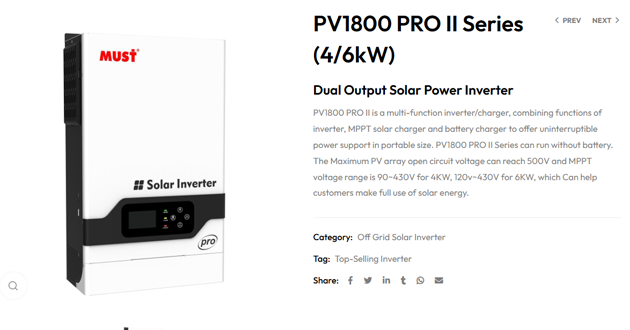
This makes MUST Power suitable for budget homes, kiosks, small offices and shops that want to reduce generator use without investing in a large premium system. It is best for light-to-medium loads such as lights, fans, routers, TVs, laptops and small appliances. For heavier loads, correct sizing, ventilation and battery matching are still necessary.
9. PRAG
PRAG is a local Nigerian power backup brand, which gives it an advantage in accessibility and everyday service support. Its product range includes 2.5kVA/24V heavy-duty inverters, 3kW/24V hybrid inverters with MPPT, 5kW/48V hybrid inverters and 6kW/48V hybrid inverters.
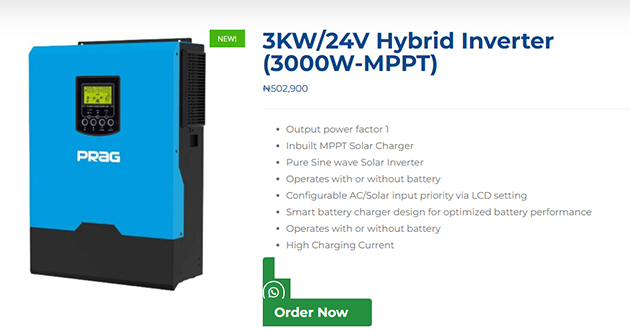
PRAG is most relevant for users who prioritize local purchase channels, spare parts access and lower upfront cost. It can support homes, small offices and budget users dealing with regular power cuts, especially when the load is mainly lighting, fans, TVs, routers, small appliances or office devices.
10. Sunsynk
Sunsynk is a strong hybrid inverter brand for users who want better control over solar, batteries and grid power. Its inverter range includes 3.6kW–8kW single-phase hybrid inverters, 8kW–12kW three-phase hybrid inverters and 20kW–50kW commercial high-voltage systems. Sunsynk also offers IP65-rated inverter options and monitoring support.
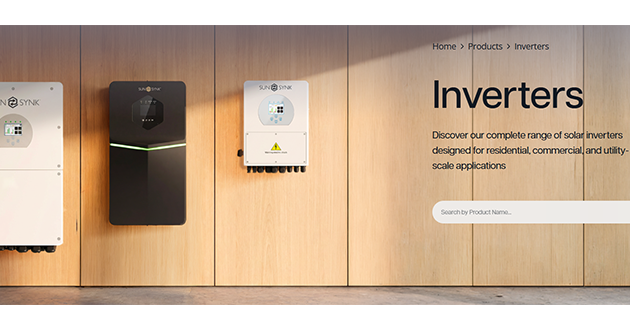
Sunsynk is useful for homes, SMEs and commercial backup systems that need to manage daytime solar use, battery discharge, grid charging and outage protection. It is especially suitable for users who want to reduce generator runtime, manage peak loads and improve self-consumption instead of using solar power only as emergency backup.
Solar Inverter Price Range in Nigeria 2026
Solar inverter prices in Nigeria can change quickly because of exchange rates, import costs, local stock, battery configuration, installation service and after-sales policy. Instead of choosing only by price, users should first confirm the load size, battery requirement and whether the system needs solar charging, generator input or hybrid backup functions.
The table below gives a simple reference by inverter capacity. The final cost may vary depending on brand, battery type, installation quality and local supplier support.
Inverter Capacity | Typical Use | Suitable Loads |
1kVA–2kVA | Small backup system | Lights, fans, TV, router and phone charging |
3kVA–3.5kVA | Basic home backup | Lighting, TV, fans, router and small appliances |
5kVA | Standard home use | Refrigerator, TV, fans, small pump and basic kitchen appliances |
8kW–12kW | Larger homes and small businesses | Multiple appliances, pumps, freezers, selected AC loads and shop equipment |
15kW+ | Commercial and institutional use | Clinics, schools, hotels, factories, offices and larger commercial facilities |
For Nigeria, the inverter price should be judged together with the full system cost. A cheaper inverter may become more expensive later if it cannot support the right batteries, generator input, surge loads or after-sales service. A properly sized hybrid inverter can reduce generator runtime, improve battery use and support more stable power during outages.
Common Mistakes to Avoid When Buying a Solar Inverter
1. Choosing Only by Price
A cheaper inverter is not always the better choice. If the product cannot support the right battery type, generator input, MPPT solar charging or after-sales service, the total system cost may become higher later.
2. Ignoring Starting Power
Refrigerators, freezers, air conditioners and water pumps often need higher starting power than their normal running power. If the inverter capacity is too small, it may overload even when the average load seems acceptable.
3. Choosing the Wrong Battery Setup
Mixing old and new batteries, using different capacities or ignoring battery compatibility can shorten battery life. Before buying, confirm whether the inverter supports lithium, lead-acid or gel batteries, and check the correct battery voltage.
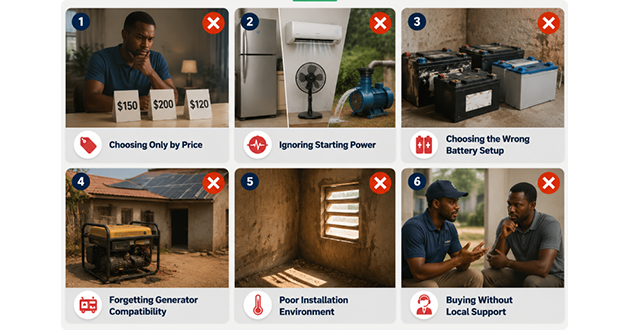
4. Forgetting Generator Compatibility
Many Nigerian users still rely on generators during long outages. If the inverter cannot work well with generator input, the system may be harder to manage when solar power and battery storage are not enough.
5. Poor Installation Environment
Heat, Harmattan dust, poor ventilation and humid spaces can affect inverter performance. The inverter should be installed in a clean, dry and ventilated area with proper wiring and protection devices.
6. Buying Without Local Support
A solar inverter may need configuration, maintenance or troubleshooting after installation. Choosing a supplier with installation guidance, spare parts access and after-sales technical support can reduce downtime and long-term repair problems.
Why Choose SRNE for Solar Inverter Solutions in Nigeria
SRNE’s value in Nigeria goes beyond providing hybrid and off-grid inverters. Many users need to first understand their actual power demand, battery requirements, generator use and installation conditions before choosing a system. SRNE can help evaluate these real factors and recommend a more suitable inverter solution, reducing the risk of wrong sizing, battery mismatch and unnecessary system costs.
For distributors, installers and project customers, SRNE can assist with product selection, system configuration, installation guidance, commissioning and technical troubleshooting. This is useful in reducing common issues such as undersized inverters, battery mismatch, poor wiring design and unstable backup performance.

With frequent outages, voltage fluctuation, high temperatures and Harmattan dust, Nigerian solar systems need both reliable equipment and practical technical guidance. SRNE is a suitable partner for homes, farms, shops and small commercial users looking for long-term hybrid or off-grid power solutions.
FAQs About Solar Inverters in Nigeria
1. What is the best solar inverter brand in Nigeria?
The best solar inverter brand in Nigeria depends on the user’s power load, budget, battery type and backup needs. Deye and Sunsynk are strong options for advanced hybrid systems, Growatt and Felicity Solar are practical for residential backup, while Luminous and PRAG are more suitable for basic home use.
For users who need weak-grid support, battery backup and system selection assistance, SRNE is also a practical choice. Its HESP residential hybrid inverter series is suitable for homes, farms, shops and small businesses that need stable power during outages.
2. What size solar inverter do I need for my home in Nigeria?
A small home may use a 1kVA–2kVA inverter for lights, fans, TV and router backup. A standard home often needs around 3kVA–5kVA, especially if it includes a refrigerator, small pump or more appliances. Larger homes, shops and small businesses may need 8kW–12kW or higher.
The right size should be based on the appliances that run at the same time, not only the total number of appliances in the house. Refrigerators, freezers, air conditioners and water pumps also need extra starting power, so surge load should be checked before choosing an inverter.
3. Can a solar inverter power an air conditioner in Nigeria?
Yes, a solar inverter can power an air conditioner, but the inverter must be properly sized. Air conditioners require high starting power, so a small backup inverter may overload even if the AC’s running wattage looks manageable.
For homes that need to run ACs, pumps, freezers or multiple large appliances, a higher-capacity hybrid inverter and a suitable battery bank are usually required. The system should be designed based on AC size, runtime, battery capacity and whether solar panels will recharge the battery during the day.
4. Is a hybrid inverter better than an off-grid inverter in Nigeria?
A hybrid inverter is usually better for users who still have access to grid power but want solar charging and battery backup. It can manage solar panels, batteries, utility power and sometimes generator input in one system, making it useful for areas with frequent outages.
An off-grid inverter is better for locations without reliable grid access, such as farms, remote homes or telecom sites. It depends mainly on solar panels, batteries and sometimes a generator. The best choice depends on whether the site has grid access and how long the backup power needs to last.
5. How much does a solar inverter cost in Nigeria in 2026?
Solar inverter prices in Nigeria vary by brand, capacity, battery type, exchange rate, local stock, installation quality and after-sales support. Entry-level backup inverters cost less, while hybrid and off-grid inverters with MPPT charging, battery communication and generator compatibility are usually more expensive.
A 1kVA–2kVA inverter is typically used for small backup loads, while 3kVA–5kVA systems are more common for homes. Larger systems from 8kW–12kW or above are usually chosen for shops, farms, clinics, schools, offices and other higher-load applications.
6. How many batteries do I need for a solar inverter in Nigeria?
The number of batteries depends on the inverter voltage, total load and required backup hours. A small backup system may use one or two batteries, while a 5kVA or larger system may require a higher-capacity 48V battery bank or lithium battery setup.
Users should not choose batteries only by quantity. Battery capacity, depth of discharge, inverter compatibility and expected runtime are more important. Mixing old and new batteries or different battery capacities can reduce backup performance and shorten battery life.
7. Can I use a solar inverter with a generator?
Yes, many hybrid and off-grid inverters can work with generator input, but compatibility must be checked before purchase. This is important in Nigeria because many users still rely on generators during long outages or rainy periods when solar charging is limited.
A compatible inverter can help manage solar power, battery storage and generator charging more efficiently. Without proper generator support, users may face charging problems, unstable operation or limited backup flexibility.
