







































Best Solar Inverters of 2026
In this guide, we compare some of the best solar inverters of 2026, explain the main inverter types, and show how to choose the right inverter for different residential, off-grid, and commercial energy storage applications.
Table of Contents
1.What Is a Solar Inverter?
2.Top 5 Solar Inverters of 2026
3.Main Types of Solar Inverters
4.How We Choose the Best Solar Inverters in 2026
5.How to Choose the Right Solar Inverter for Your Project
6.Common Solar Inverter Limitations to Consider
7.Final Recommendation
What Is a Solar Inverter?
A solar inverter is the device that makes solar power usable in a home, business, or grid-connected system. Solar panels generate direct current (DC) electricity, while most electrical appliances and power grids use alternating current (AC) electricity. The inverter converts DC power into AC power, allowing the electricity from solar panels to run loads or be delivered to the grid.
Top 5 Solar Inverters of 2026
Compare leading solar inverter solutions by system type, application scenario, storage support, key advantages, and important selection points.
| Brand | Product / Series | System Type | Best For | Storage / Backup | Why It Stands Out | What to Check |
|---|---|---|---|---|---|---|
| Huawei | SUN2000 Series + LUNA2000 Energy Storage System | Smart string inverter + energy storage system | Complete smart PV and storage systems | Yes | Strong digital energy management, smart monitoring, and close integration between SUN2000 inverters and LUNA2000 storage. | Works best when the project is built around Huawei’s own smart PV ecosystem. |
| Sungrow | SH RS / SH T Series | Hybrid inverter | Home storage and small commercial backup power | Yes | Broad hybrid inverter coverage, battery storage experience, iSolarCloud monitoring, and strong support for solar-plus-storage projects. | Check whether the selected SH model matches the battery system, phase type, and backup power requirement. |
| SolarEdge | SolarEdge Home Hub Inverter + Power Optimizer | Optimized string inverter system | Complex rooftops and module-level control | Yes | Power optimizers help improve panel-level performance on shaded, multi-orientation, or uneven rooftops. | The system depends heavily on SolarEdge optimizers, batteries, and backup components for full functionality. |
| Enphase Energy | IQ8 Series Microinverter + IQ Battery | Microinverter + home battery system | Residential rooftops with shading or layout complexity | Yes | Each panel can operate more independently, giving homeowners better module-level monitoring and flexible system expansion. | Usually more attractive for residential projects than large commercial systems, and cost may be higher than string inverter designs. |
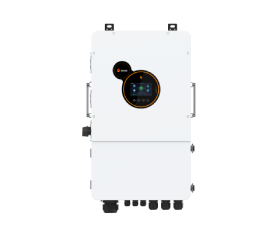
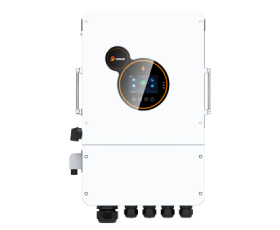
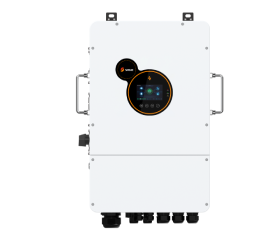
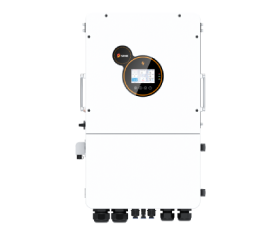
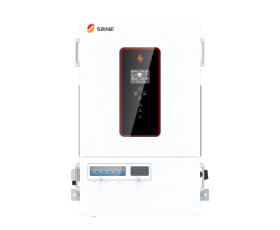
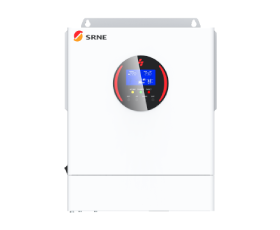
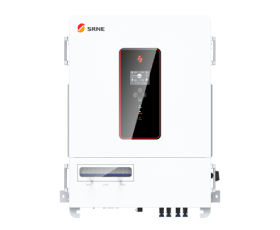
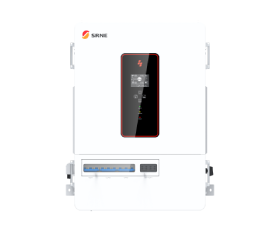
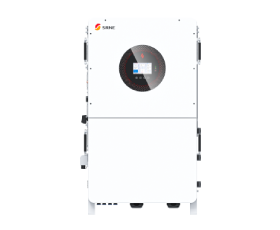
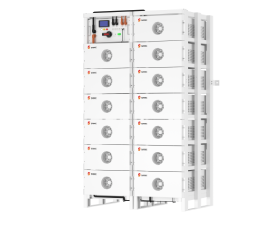
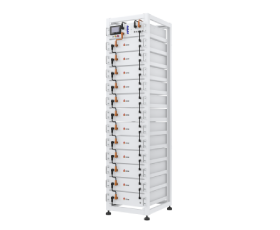
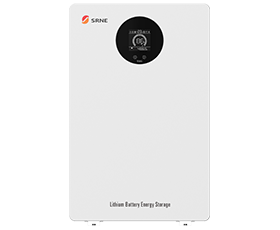
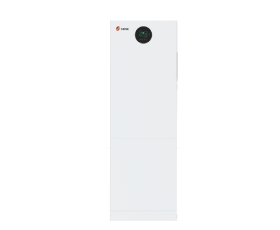
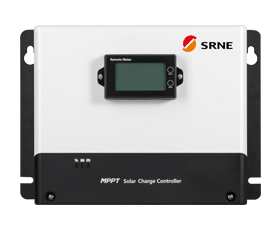
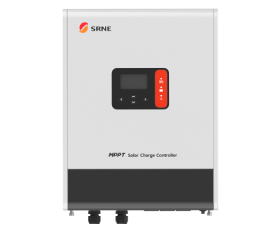
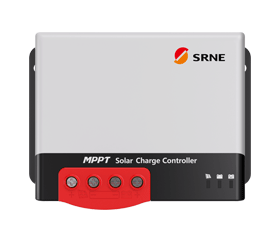
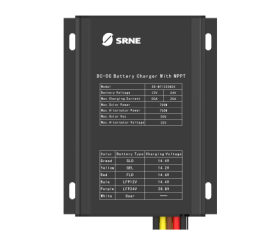
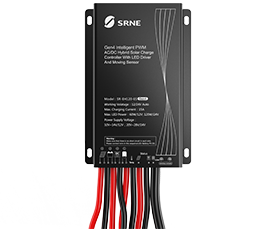
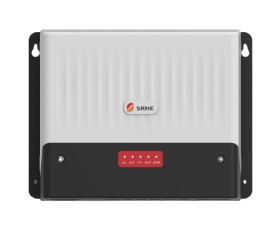
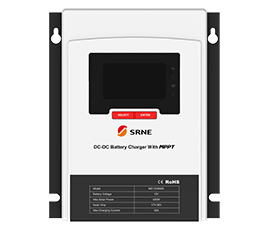
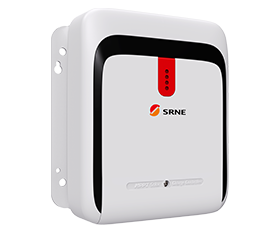
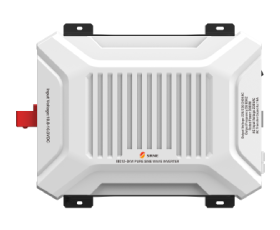
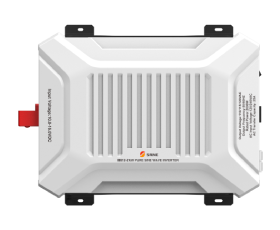
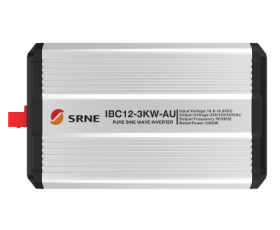
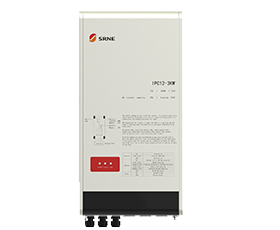
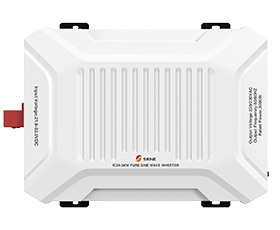
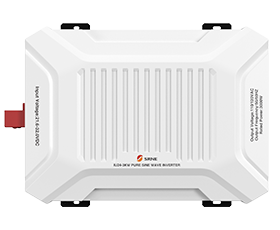
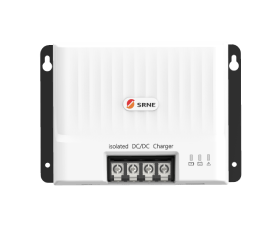
| SRNE | HESP Series Hybrid Inverter + ASF / ASP / HYP / HF Series Off-Grid Inverter | Hybrid inverter + off-grid inverter | Home storage, off-grid homes, weak-grid areas, backup power, and small C&I storage | Yes | HESP supports 48V battery systems, IP65 protection, dual MPPT design, parallel expansion, and BMS communication; SRNE also offers multiple off-grid inverter series for unstable-grid or no-grid environments. | Match the inverter series to the actual use case: HESP for hybrid storage, and ASF / ASP / HYP / HF for off-grid or weak-grid power needs. |
Swipe left or right to view the full table.
1. Huawei SUN2000 Series + LUNA2000 Energy Storage System
https://solar.huawei.com/en/products/sun2000-3-4-5-6-8-10ktl-m1/
Huawei SUN2000 Series is a smart PV inverter line that can be paired with the LUNA2000 Energy Storage System to build a more integrated solar-plus-storage solution. For example, the SUN2000-3/4/5/6/8/10KTL-M1 series covers different residential and small commercial power levels, with maximum efficiency reaching up to 98.6% depending on the model. LUNA2000 adds battery storage to the system, allowing users to store solar energy for later use.
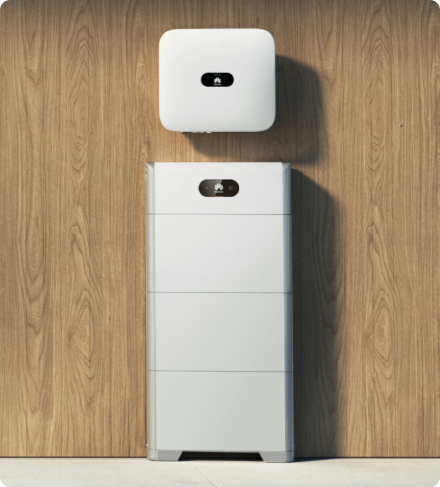
The main advantage of this combination is system coordination. The inverter, battery, monitoring platform, and safety functions can work together within one smart PV ecosystem. This helps users manage solar generation, battery use, and system operation more clearly, instead of treating the inverter and storage battery as separate devices.
The limitation is that the full value of this solution usually depends on staying within the Huawei ecosystem. If a user wants to mix different battery brands, monitoring platforms, backup components, or third-party devices, compatibility needs to be checked carefully before system design.
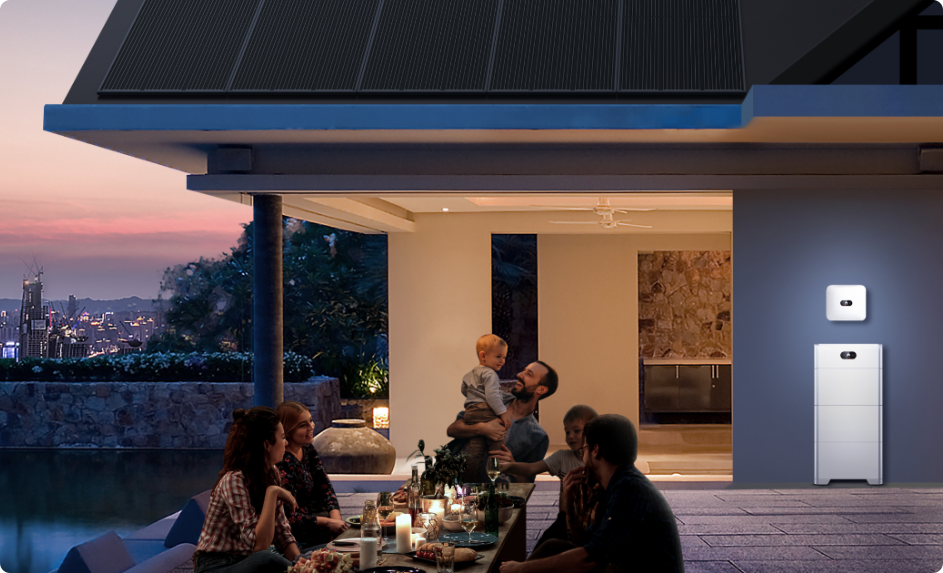
Huawei SUN2000 + LUNA2000 is a good choice for users who want an integrated smart PV and storage system, especially for residential rooftops, commercial rooftops, and projects that require digital energy management. It is better suited for users who value system consistency, smart monitoring, and brand-backed ecosystem support.
2.Sungrow SH RS / SH T Series Hybrid Inverter
https://www.sungrowpower.com/en/products/residential-energy-storage-system/shrs-8-10
Sungrow SH RS and SH T Series are hybrid inverter products for solar-plus-storage systems. The SH RS Series is mainly used in residential single-phase storage systems, while the SH T Series is more suitable for three-phase homes, villas, and small commercial energy storage projects. These products are designed to support solar generation, battery charging and discharging, backup power, and smart monitoring.
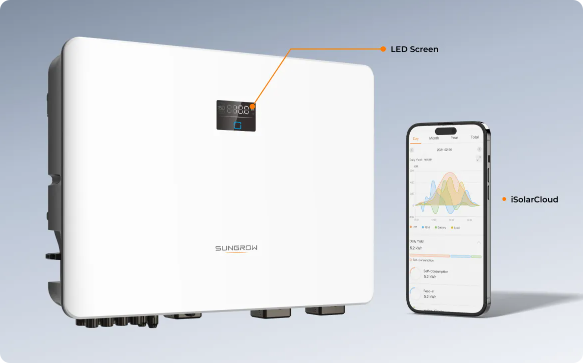
Their main advantage is balanced hybrid performance. They are not only used for converting solar power, but also for managing how solar energy is stored and used. For users who want to improve self-consumption, prepare for power outages, or build a home storage system from the beginning, SH RS / SH T provides a more complete direction than a basic grid-tied inverter.
The limitation is that system matching is important. Users need to check phase type, battery compatibility, backup load requirements, and local grid connection rules. If the project does not need battery storage or backup power, a hybrid inverter may add unnecessary cost compared with a simpler grid-tied solution.
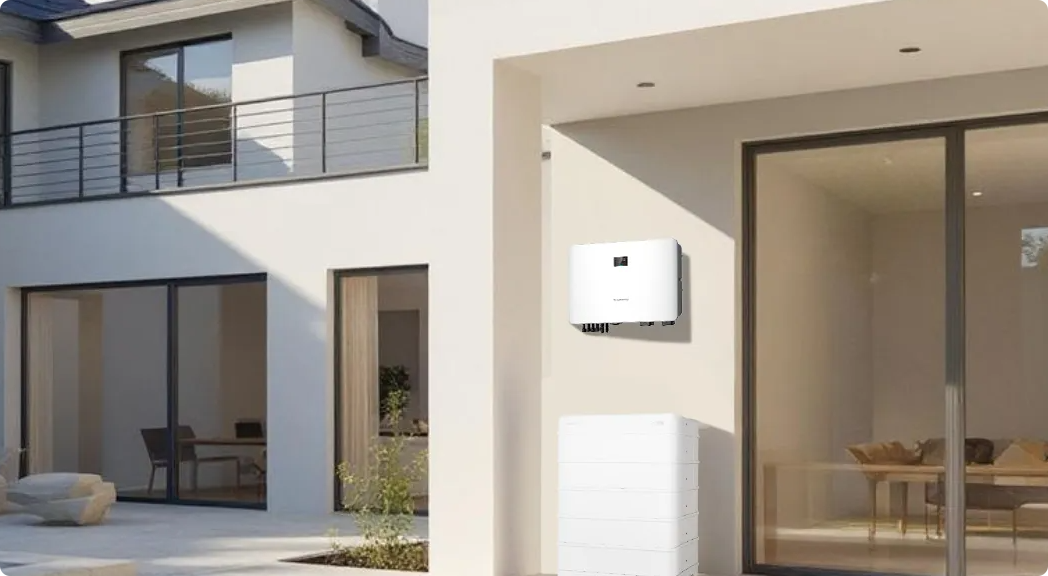
Sungrow SH RS / SH T Series is a strong option for residential energy storage, villa projects, small commercial storage, and users who want a mature hybrid inverter solution. It is worth choosing when battery storage is already part of the plan, rather than an uncertain future upgrade.
3. SolarEdge Home Series + Power Optimizer
https://www.solaredge.com/en/products/residential/pv-inverters/solaredge-home-hub-inverters
SolarEdge Home Series works differently from a traditional string inverter system because it is usually used together with power optimizers. The inverter manages the system, while optimizers help improve panel-level performance. SolarEdge also positions its Home Hub inverter as a battery-ready and backup-ready platform when used with related SolarEdge storage and backup components.
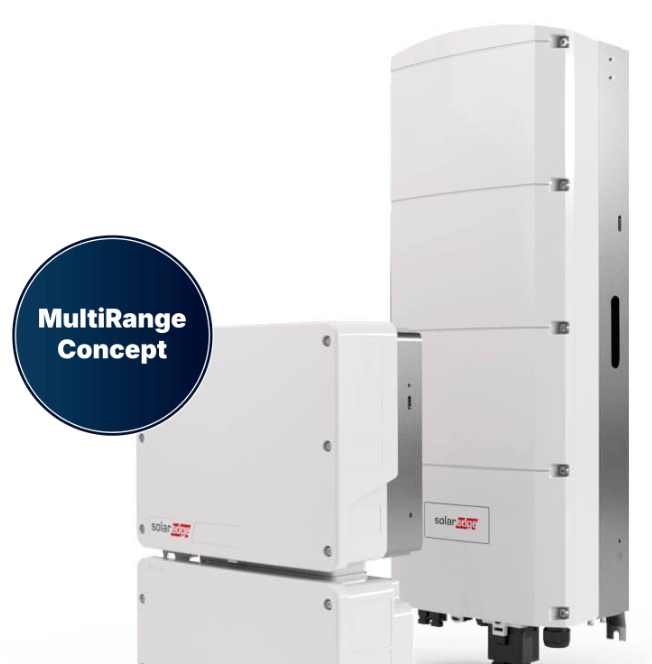
The biggest advantage is module-level control. If one solar panel is affected by shading, orientation differences, or lower output, the optimizer can help reduce its impact on the rest of the system. This makes the solution useful for roofs with trees, chimneys, dormers, multiple roof planes, or uneven module performance.
The drawback is system dependency and added cost. To get the full benefit, the inverter, power optimizers, battery, and backup components usually need to be planned together. For a simple roof with little shading and a straightforward layout, this system may not be necessary.
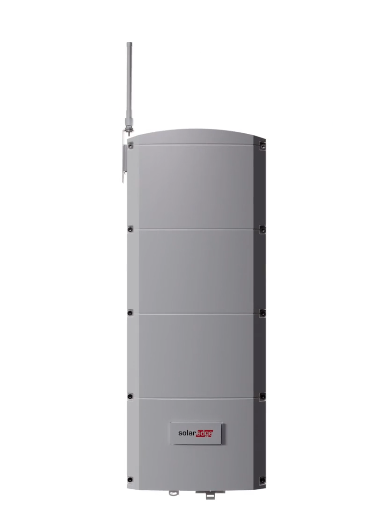
SolarEdge Home Series + Power Optimizer is a good choice for complex residential rooftops where panel-level performance matters. It is worth choosing when the roof condition justifies extra optimization and when users want detailed monitoring, safety features, and stronger control over each module.
4. Enphase IQ8 Series Microinverter + IQ Battery
https://enphase.com/store/microinverters/iq8-series
Enphase IQ8 Series is a microinverter product line for residential solar systems. Each solar panel works with its own microinverter, so power conversion happens at the module level. When paired with IQ Battery and the Enphase App, the system can become a modular home energy solution with solar generation, battery storage, and monitoring.
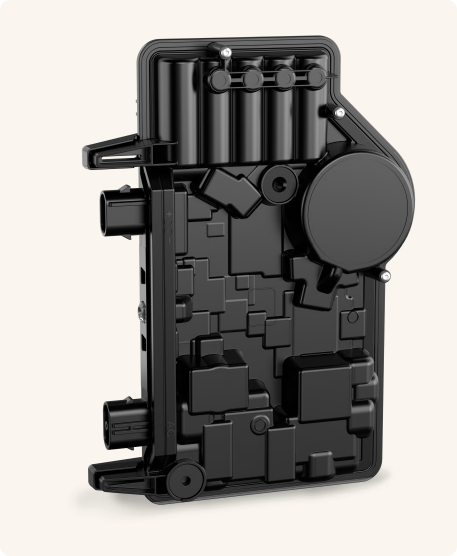
The main advantage is flexibility. Since each panel can operate more independently, the system is less affected by a single weak or shaded panel. It also gives homeowners clearer panel-level monitoring and makes future system expansion easier than many traditional inverter designs.
The limitation is cost. Microinverter systems are often more expensive than standard string inverter systems, especially when the system size becomes larger. They are also mainly attractive for residential projects; for larger commercial systems, other inverter structures may be more cost-efficient.
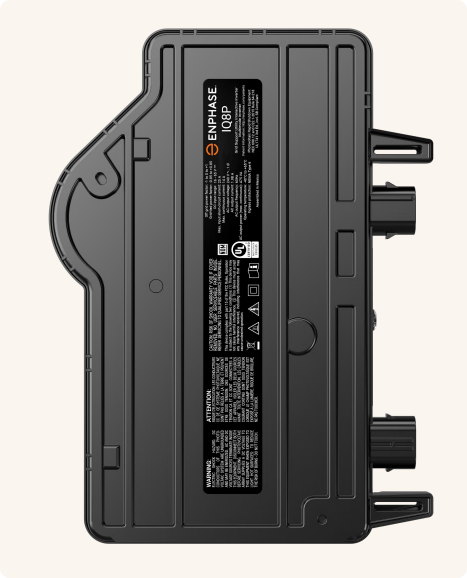
Enphase IQ8 + IQ Battery is suitable for homeowners who want a safe, modular, and easy-to-monitor solar system. It is a good choice for shaded roofs, multi-directional roofs, smaller residential systems, and users who value panel-level performance more than the lowest upfront cost.
5. SRNE HESP Series Hybrid Inverter + ASF / ASP / HYP / HF Series Off-Grid Inverter
https://www.srnesolar.com/product/Residential-Hybrid-Inverter.html
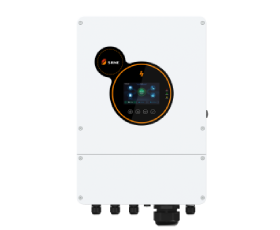
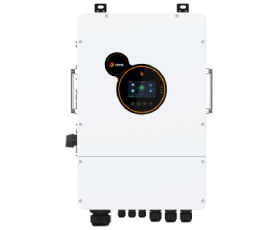
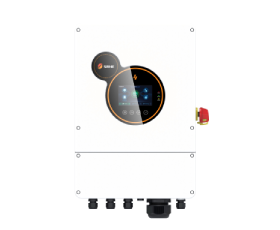
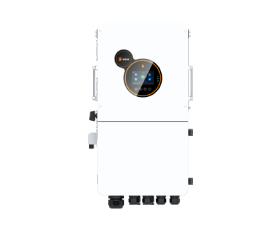
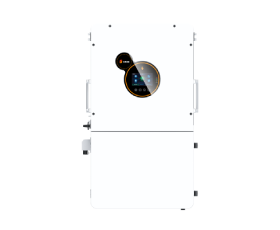
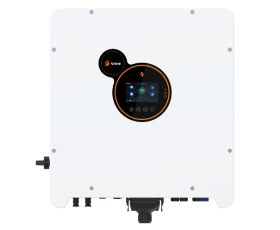
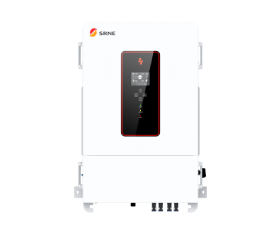
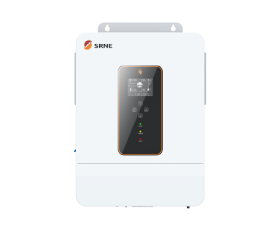
SRNE HESP Series is a hybrid solar storage inverter line for residential solar storage and backup power. The HESP 3.6–6kW models support 48V batteries, dual MPPT input, generator input, AC coupling, and fast transfer for backup applications, while SRNE also offers ASF, ASP, HYP, and HF Series off-grid inverters for independent power supply. For selected HESP models, MPPT tracking efficiency can reach 99.9%, while overall inverter efficiency depends on the specific model.
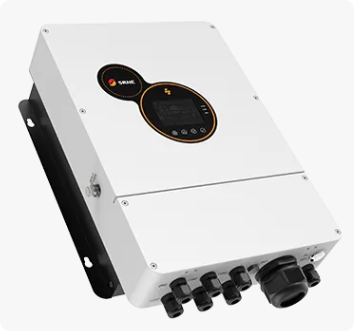
The advantage of SRNE’s product direction is practical application flexibility. HESP is built for users who need solar storage, backup power, and better electricity stability at home. The off-grid series gives more options for areas where users cannot rely on a stable grid, such as rural homes, remote sites, weak-grid markets, and small commercial power supply projects.
The limitation is that users need to choose the right series according to the project type. HESP is more suitable for hybrid storage and backup power, while ASF / ASP / HYP / HF Series are more suitable for off-grid or weak-grid systems. Battery capacity, load demand, grid condition, generator use, and expansion needs should be confirmed before selection.
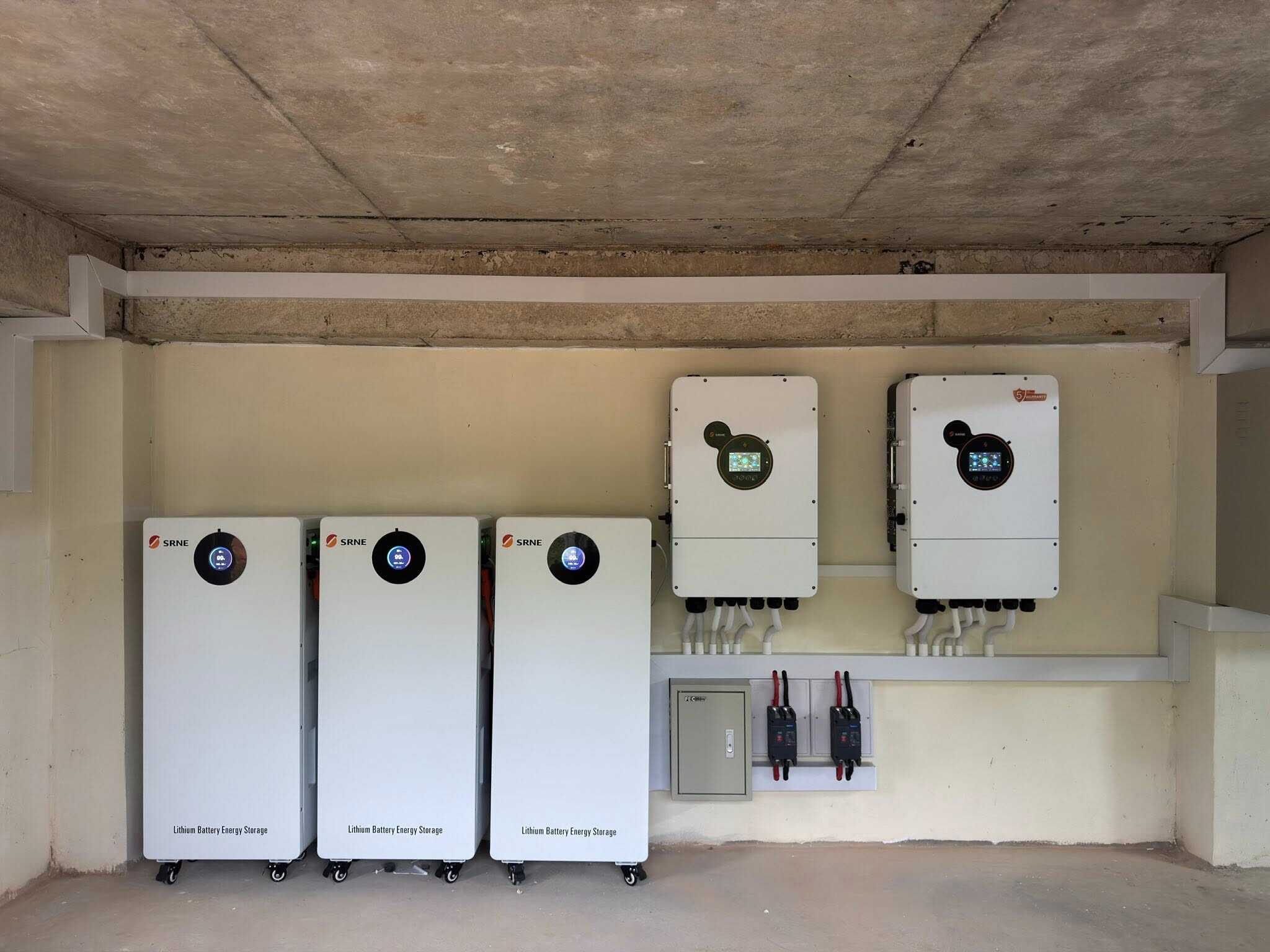
SRNE is worth choosing when the project is not just a standard grid-tied rooftop system. It is especially suitable for home energy storage, off-grid homes, weak-grid areas, rural power supply, backup power, and small C&I energy storage projects. For installers, distributors, and project owners who need flexible inverter options for real-world power supply problems, SRNE provides a practical product direction.
Main Types of Solar Inverters
Solar inverters are not built for the same type of project. A rooftop home, a shaded roof, an off-grid house, and a commercial energy storage project may all require different inverter structures. Understanding the main inverter types helps users avoid choosing a product only by brand name or price.
Inverter Type | How It Works | Best For | Key Advantage |
String Inverter | Connects several solar panels into one or more strings and sends the combined power to one inverter. | Standard residential rooftops, commercial rooftops, and distributed PV projects with simple layouts. | Cost-effective, mature, and suitable for systems with limited shading and consistent panel orientation. |
Microinverter | Uses a small inverter behind each solar panel, so each module can operate more independently. | Complex rooftops, shaded areas, multi-directional roofs, and residential systems needing panel-level monitoring. | Reduces the impact of one underperforming panel and gives users more flexible system design. |
Optimized String Inverter | Combines a central inverter with panel-level power optimizers. | Roofs with partial shading, different module directions, or uneven panel performance. | Balances the efficiency of a string inverter with better panel-level control and monitoring. |
Hybrid Inverter | Manages solar power, battery charging and discharging, and grid interaction in one system. | Home energy storage, solar self-consumption, backup power, and small commercial storage systems. | Helps users store excess solar energy and use it when grid power is unavailable or electricity demand is higher. |
Off-Grid Inverter | Works with solar panels and batteries to supply power without relying on a stable grid. | Off-grid homes, rural areas, remote sites, weak-grid regions, and backup power projects. | Provides independent power supply where grid access is unavailable, unstable, or not the main power source. |
Commercial and Industrial Energy Storage Inverter | Supports higher power demand, larger battery capacity, and more complex energy management. | Factories, shops, farms, office buildings, industrial parks, and C&I energy storage projects. | Supports system-level energy storage needs such as backup power, load management, and peak shaving. |
How We Choose the Best Solar Inverters in 2026
When selecting the best solar inverters of 2026, we do not only look at brand awareness or a single technical number. A good inverter should match the actual project, whether it is a rooftop solar system, a home energy storage project, an off-grid power system, or a commercial energy storage application.
We mainly evaluate solar inverters from the following factors:
1. Conversion Efficiency
Conversion efficiency affects how much solar energy can be converted into usable electricity. A higher efficiency rating usually means lower energy loss during power conversion.
However, efficiency should not be the only standard. The inverter also needs to match the system size, roof condition, load demand, and actual application scenario.
2. Battery Compatibility
Battery compatibility is becoming more important as more users choose solar-plus-storage systems.
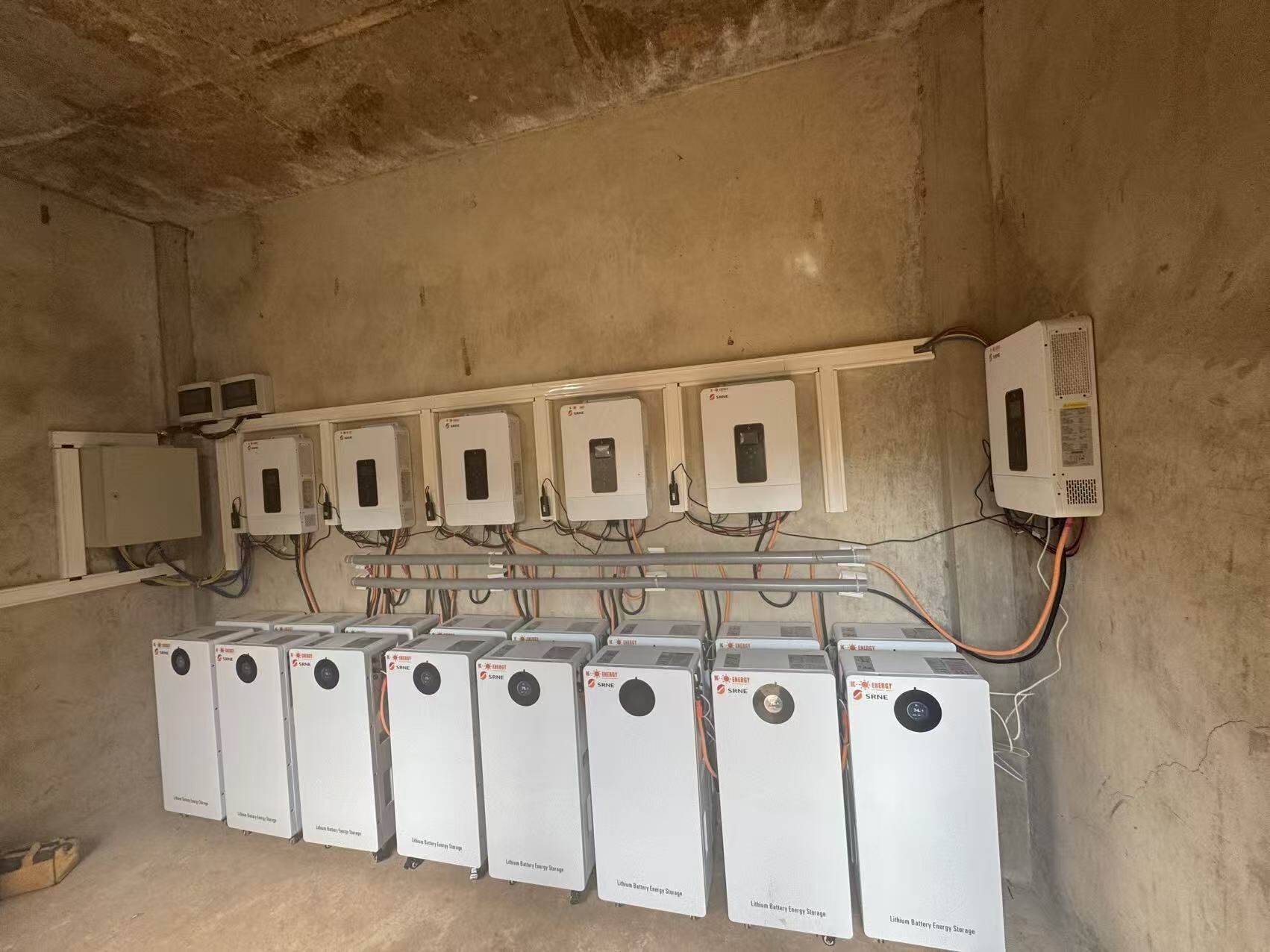
A suitable inverter should work smoothly with the battery system, including battery voltage, capacity range, communication method, and future expansion needs. This is especially important for home energy storage, backup power, off-grid systems, and weak-grid applications.
3. Backup Power Capability
Not every solar inverter can provide electricity during a power outage. Some grid-tied inverters are mainly designed for standard grid-connected systems and may shut down when the grid fails.
For users who need power during outages, rural electricity supply, off-grid operation, or weak-grid support, hybrid inverters and off-grid inverters are usually more suitable.
4. Monitoring and Smart Control
A good solar inverter should make system operation easier to understand and manage.
Monitoring functions can help users check solar generation, energy consumption, battery status, system faults, and historical performance.
5. Warranty and Long-Term Reliability
Solar inverters usually work under changing temperature, load, and grid conditions, so long-term reliability is very important.
When comparing different products, users should consider warranty period, technical support, installation guidance, service network, and brand reputation. A lower upfront price may not always mean better long-term value.
6. Application Fit
A solar inverter should not be judged only by efficiency, price, or brand reputation. The more important question is whether it can solve the actual problem of the project. A rooftop system, a battery storage system, an off-grid home, and a commercial energy storage project may all require different inverter capabilities.
For a standard rooftop system, stable grid connection and cost control may be the priority. For a home storage system, the focus often shifts to battery matching, backup power, and daily energy use. In off-grid or weak-grid areas, users care more about whether the system can keep supplying power when the grid is unavailable or unstable. For commercial and industrial projects, the inverter also needs to support larger loads, system expansion, energy management, and long-term operation.
That is why application fit is one of the most important factors in this guide. The best solar inverter is not always the one with the highest specification. It is the one that fits the user’s power demand, installation condition, battery plan, and future project needs.
How to Choose the Right Solar Inverter for Your Project
1. For Home Use
For a standard home solar system, the first step is to match the inverter with the household’s electricity demand, roof size, and grid connection requirements. If the system is mainly used for daily solar generation, a reliable residential inverter with stable performance and basic monitoring is usually enough.
If battery storage may be added later, it is better to consider storage compatibility early, instead of redesigning the system after installation.
2. For Battery Storage
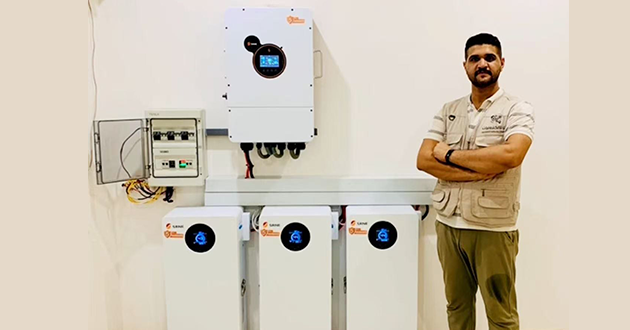
For users who want to store excess solar power or prepare for outages, a hybrid inverter is usually more practical than a standard grid-tied inverter. The key is to make sure the inverter can work smoothly with the planned battery system.
Before choosing, check whether the inverter matches the battery voltage, capacity range, communication method, and backup power needs. A well-matched system will be easier to expand and manage over time.
3. For Complex Rooftops
Roofs with shading, multiple directions, chimneys, dormers, or limited installation space need more careful inverter selection. In these cases, microinverters or optimized string inverter systems may help reduce energy loss caused by uneven panel performance.
This type of solution is more useful when panel-level control and monitoring bring real value. For a simple, unshaded roof, a standard string inverter may already be sufficient.
4. For Off-Grid or Weak-Grid Areas
In off-grid homes, rural areas, remote sites, or weak-grid markets, the inverter should be selected around power stability rather than only efficiency. The system must be able to support daily loads and work reliably with batteries.
If the project may also use a generator or backup power source, this should be considered during system design. A suitable off-grid or hybrid inverter can help keep power available when the grid is unstable or unavailable.
5. For Commercial and Industrial Energy Storage
For commercial and industrial projects, inverter selection should be based on the whole energy system, not just one product model. Load demand, peak power, battery capacity, system expansion, monitoring, and maintenance all need to be considered together.
This is especially important for factories, shops, farms, office buildings, and industrial parks, where power use changes throughout the day. A suitable solution should support stable operation, energy management, and long-term project service.
Common Solar Inverter Limitations to Consider
1. Higher Cost for Hybrid Solar Inverters
2. Solar Inverter Lifespan
3. Installation Quality
4. Battery Compatibility
5. Off-Grid System Design
6. C&I Energy Storage Planning
7. Project Fit Matters Most
Final Recommendation
There is no single best solar inverter for every project. The right choice depends on the system size, roof condition, battery plan, grid environment, backup power needs, budget, and long-term service requirements.
Need a suitable solar inverter for your project? Contact SRNE to discuss your application scenario, battery configuration, and load demand. We can help you choose the right inverter solution for home storage, off-grid power, weak-grid backup, or small C&I energy storage.
