















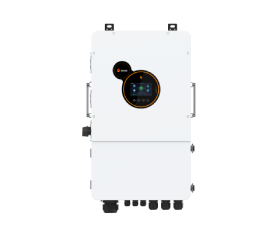

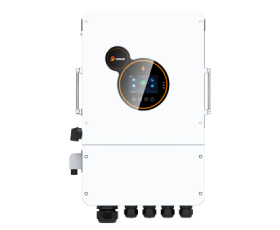

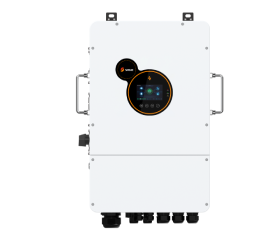
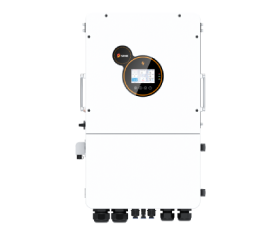























Can a Hybrid Inverter Work with Solar Panels Only?
This article walks through how hybrid inverters work with solar only, the typical operating modes, the pros and cons, when this setup makes sense, and when a simple grid-tied inverter is still the better fit.
Short answer: Yes — in most cases a hybrid inverter can run with only solar panels connected.
Most modern hybrid inverters can run in PV-only mode, meaning they work with just solar panels and no battery. In this setup, they typically supply power to your loads and, where regulations allow, send excess energy back to the grid. The exact behavior depends on the model: some hybrid inverters need the grid to be present and essentially act like standard grid-tied inverters without a battery, while others explicitly support a dedicated “PV-only, grid-tied” mode.
A smaller number of higher-end hybrid inverters can even provide limited backup power directly from solar, but this usually requires strong, stable sunlight and relatively light loads. In practice, you can comfortably start with a hybrid inverter + solar only and add batteries later—just make sure the datasheet or manual clearly states support for battery-less / PV-only operation before you buy.
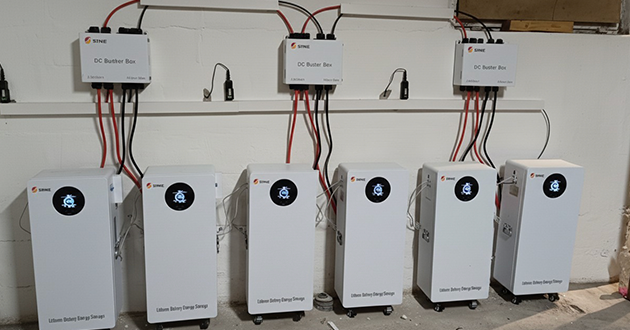
Typical Hybrid Solar Power Inverter Operating Modes with Only Solar Panels Connected
1.Grid-Tied Mode with a Hybrid Solar Inverter (PV + Grid, No Battery)
In this setup, the hybrid inverter is connected to both the solar array and the grid, but there’s no battery installed.
During the day, solar power is used first to supply your household or site loads. If there’s more PV generation than you’re using, the excess can be exported to the grid, as long as local regulations and your metering setup allow it. At night, or whenever solar output is low (cloudy weather, early morning, evening), the system simply draws energy from the grid like a standard grid-tied installation.
In this mode, the hybrid solar power inverter is essentially working as a conventional grid-tied inverter. For many models, that also means if the grid goes down, the system will shut off and won’t provide backup power, because there’s no battery to keep an isolated (off-grid) supply stable.
2.PV-Only Hybrid Solar Power Inverter Backup (Model-Dependent)
Some higher-end hybrid solar power inverters go a step further and can provide limited backup power from solar alone, even when there’s no grid and no battery connected. In this case, the inverter powers a small backup circuit directly from the PV array.
This comes with important limits. Start-up and surge capability are relatively modest, so larger loads—especially motors and compressors—may not start reliably. And because the output depends entirely on real-time sunshine, passing clouds or sudden drops in irradiance can cause the inverter to reduce power, trip, or restart.
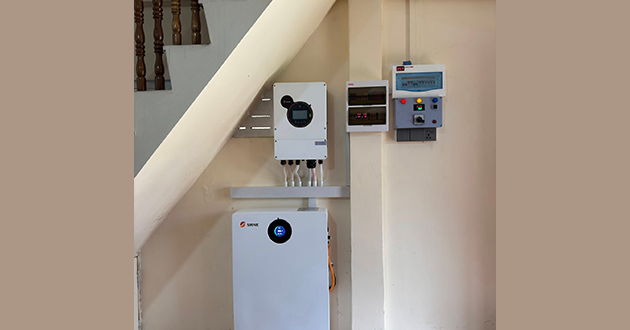
For these reasons, PV-only backup with a hybrid inverter is best suited to light, critical loads such as small electronics or lighting in areas with strong, consistent solar. It’s a useful extra feature, but not a full substitute for a battery-backed backup system.
Pros and Cons of Using a Hybrid Inverter with Solar Only
1.Advantages
Future-proof setup
Choosing a hybrid inverter solar lets you begin with solar only and plug in batteries later without swapping out the inverter. That’s very handy if you want to spread your spending over time—install the PV system now, then wait for battery prices, incentives, or your own energy needs to make storage more attractive.
More capability than a standard grid-tied inverter
Even without batteries connected, a hybrid inverter usually offers more options than a basic string inverter. Many models provide ports for critical-load circuits, simple load management or smart control functions, and communication interfaces for monitoring or smart-home / energy management systems. Once a battery is added, these features really shine—but you still benefit from better visibility and control from day one.
Easy to expand and upgrade later
A hybrid inverter solar effectively becomes the “hub” of your system. As your situation changes, you can add a battery pack, hook up a generator, or link into a wider home or small commercial energy storage solution. If you expect your energy profile or budget to evolve, that flexibility makes a hybrid inverter a strong long-term platform rather than a one-off purchase.
2.Drawbacks
Higher initial cost
For the same kW rating, a hybrid inverter usually costs more than a simple grid-tied inverter. If you’re fairly sure you won’t add batteries or backup for many years, that extra spend on hybrid functionality may not be the best use of your budget.
Smart features wasted without storage
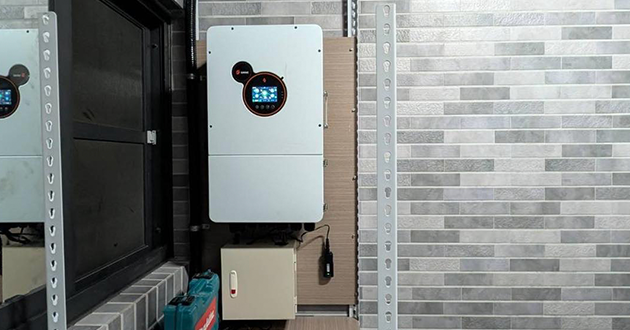
Running a hybrid inverter for solar in a solar-only configuration for a long time means many of its advanced functions—battery management, backup modes, charge/discharge scheduling—never really come into play. In that scenario, you’re effectively using a feature-rich device to do the job a simpler inverter could handle.
Backup power is not guaranteed
It’s a common misconception that a hybrid inverter for solar automatically keeps the lights on during an outage. In reality, many models still need either the grid or a connected battery to support backup mode. Without a battery, most systems will shut down when the grid fails, just like a standard grid-tied setup. Any backup capability in a solar-only hybrid inverter system depends entirely on the specific product and its PV-only features, so checking the datasheet and manual is essential before you buy.
When Hybrid Inverter Solar Makes Sense to Start with Solar Only
1.Step-by-Step Investment Strategy
A hybrid inverter + solar only setup is a smart choice if you want to start reducing your electricity bills now but aren’t ready to spend on batteries yet. The logic is simple: install the core system first, then add storage later when it makes financial sense.
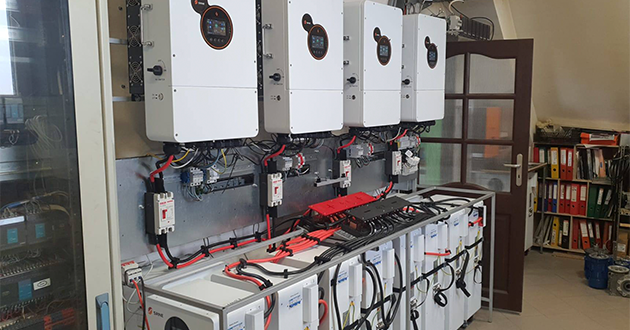
Start by choosing a hybrid inverter that clearly supports future battery expansion. Run it in PV-only mode so your daytime loads are covered by solar as much as possible, cutting what you draw from the grid. As the system operates, keep an eye on your bills, local tariffs, and when you use the most energy.
Once you have a clearer picture of your consumption, electricity prices, incentives, and budget, you can decide if—and when—adding battery storage is worthwhile. This staged approach avoids a big upfront cost while keeping a clean, low-friction upgrade path open. It’s also how many users on forums like r/solarenergy say they’ve done it in practice: install a hybrid inverter, run it like a grid-tied system at first, then bolt on batteries later when budget or policy improves.
If you want to read more about reddit forums,you can click it:
2.Markets with Strong Feed-in Tariffs or Net Metering
Starting with solar + hybrid inverter (no battery yet) works particularly well in regions where exporting power to the grid is straightforward and pays reasonably well. If interconnection is easy, feed-in tariffs or net metering rates are attractive, and the grid is generally reliable, most of the benefit comes from offsetting grid usage and selling surplus solar, rather than storing it.
In these conditions, a hybrid inverter for solar running in PV-only mode can already deliver solid financial returns. You enjoy the benefits of solar right away while keeping the flexibility to add batteries later. That upgrade can then be timed to coincide with better incentives, falling battery prices, or new tariffs that make self-consumption and time-of-use shifting more profitable.
3.Sites Where Backup Power Isn’t Critical (For Now)
For many locations—offices, shops, and light industrial sites—short power cuts are annoying but not disastrous. In these cases, the main goal is usually reducing energy costs, not building a full backup power solution from day one.
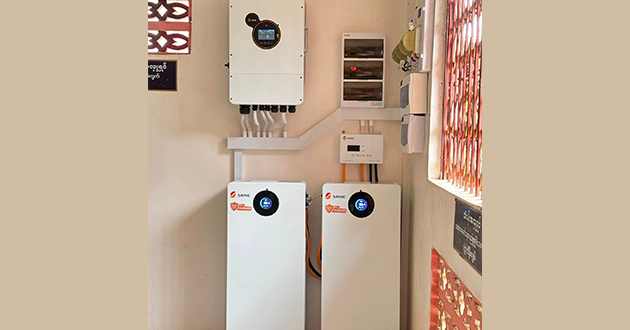
Here, it’s perfectly reasonable to install solar with a hybrid inverter and run without batteries initially. You still lower your electricity bills and avoid the extra cost of storage. If things change later—outages become more disruptive, battery costs drop, or resilience becomes a higher priority—you can upgrade to a solar + storage + backup system, keeping the same hybrid inverter as the central piece of the setup.
When a Hybrid Inverter with Solar Only Is Not Ideal
A hybrid inverter + solar only setup isn’t always the best fit. If your main goal is to build the cheapest possible grid-tied solar system and you’re confident you won’t be adding batteries or backup power any time soon (or at all), then paying extra for hybrid functionality is hard to justify.
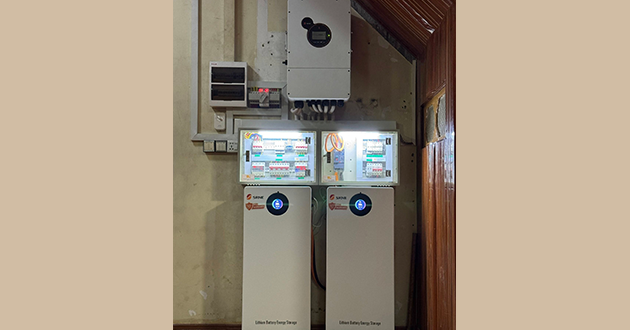
This is especially true for very cost-sensitive projects that focus purely on energy production or hitting the lowest LCOE, where features like storage and backup are clearly outside the scope. In those cases, a standard grid-tied inverter is usually the simpler and more economical choice.
Read more:
https://www.srnesolar.com/articledetail/is-it-worth-getting-a-hybrid-inverter.html
https://www.srnesolar.com/articledetail/should-i-turn-my-hybrid-inverter-off-at-night.html
Conclusion
A hybrid inverter with solar only can be a very smart starting point: you get immediate bill savings from PV, extra system capabilities, and a clear path to add storage later without redesigning everything. In many real-world cases, people install a hybrid inverter, run it like a grid-tied system at first, and only bolt on batteries when prices, incentives, or reliability concerns make that upgrade worthwhile.
