













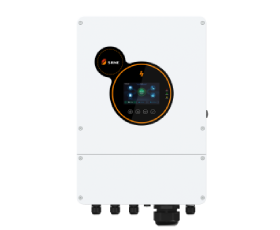
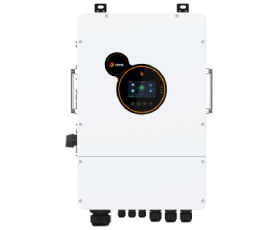

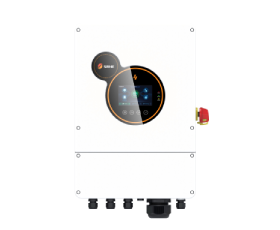
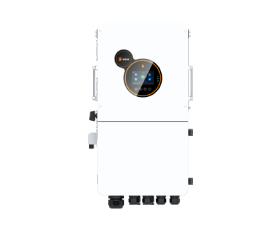

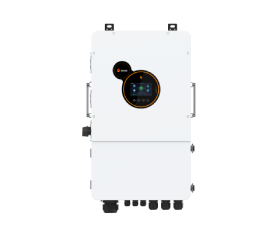

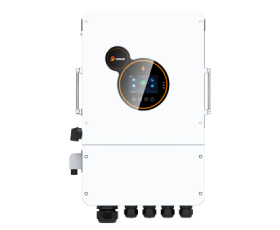

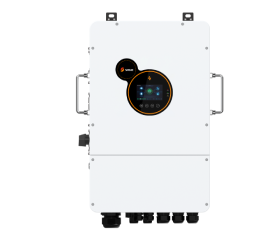
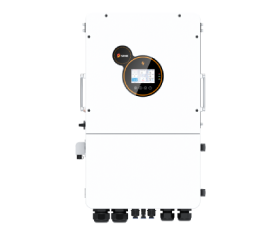

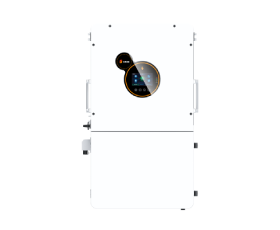
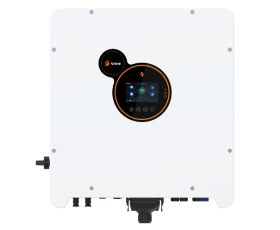


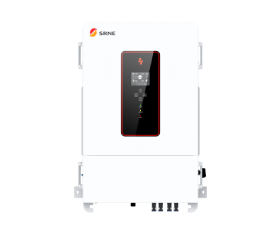
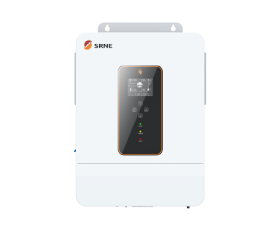
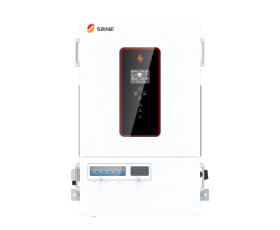

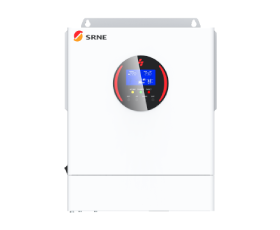

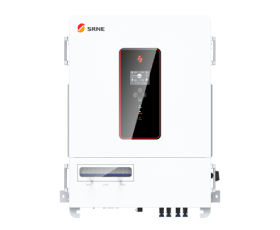
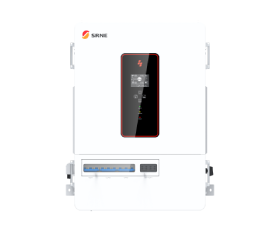










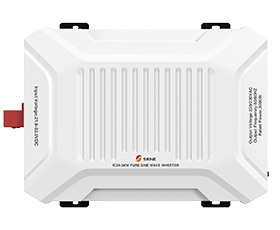
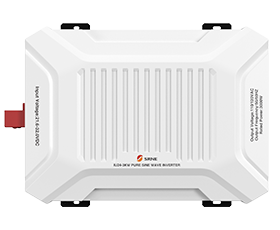


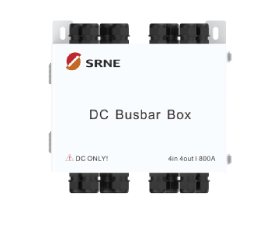
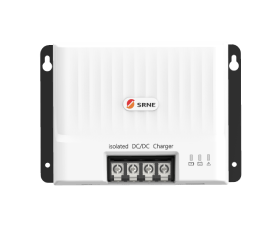







24V 3kW and 48V 5kW Architectures
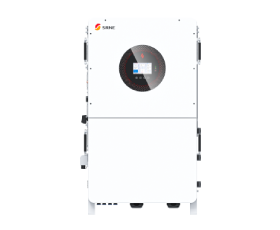
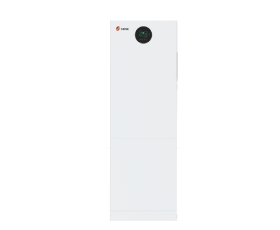
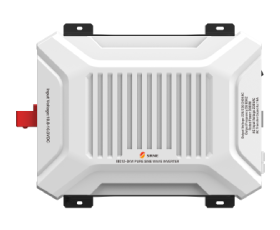
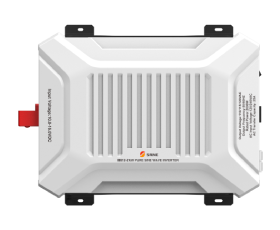
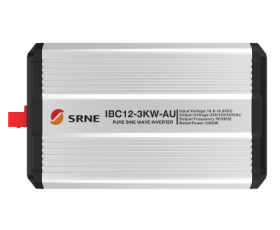
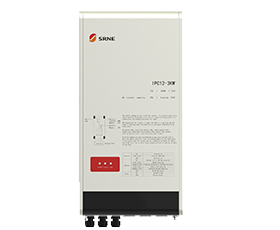
The HF 3–5kW off grid inverter range scales battery voltage with power. Selected 3kW models use 24V, while the 5kW HF4850U80-H uses 48V for more manageable DC current at higher output.
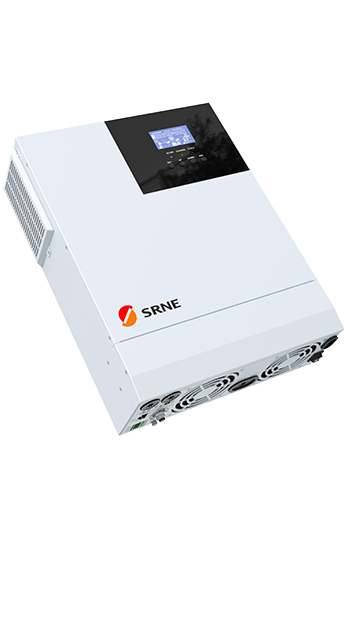
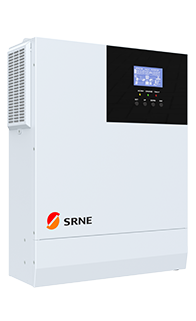
Low- or High-Voltage PV Choices
The 3kW family includes low-PV and high-PV variants, while the 5kW model accepts up to 5.2kW PV and a 500Vdc ceiling. This gives the off grid solar inverter multiple array-design paths.
Up to 10kVA Peak on the 5kW Model
HF4850U80-H provides 5kW rated output, 10kVA peak power and a 4HP motor reference. The 5kW inverter therefore has short-duration reserve for pumps, compressors and other startup-heavy loads.


24V Systems Around the 3kW Class
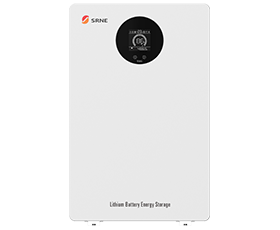
A 24V inverter fits cabins, small homes or backup circuits where 3kW covers normal demand. Different 3kW PV variants also let installers choose short low-voltage strings or longer high-voltage strings, so the solar side can follow the available modules instead of one fixed architecture.
5kW Systems with a 48V Battery Bank
HF4850U80-H moves to 48V as continuous output rises to 5kW. That makes the 48V inverter better suited to heavier household loads while reducing DC current relative to 24V at the same power, provided the battery, BMS, cabling and protection are sized for the higher-output off grid solar system.
Pumps, Tools and Other Startup Loads
The 5kW version lists 10kVA peak output and a 4HP motor reference, while key 3kW variants reach 6kVA peak. A solar inverter and charger in this range can therefore support brief inrush demand from pumps or tools, but the starting current of the exact equipment should still be checked against the selected model.
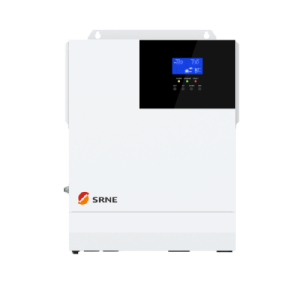
HF 3–5kW Off Grid Inverter OVERVIEW
Download
Datasheet
User Manual
SRNE_HF2430U60-100_US_LV_Single-phase_Off-grid_Solar Storage Inverter _datasheet_V1.3
PDF - 5M - Updated Thursday, January 8, 2026
SRNE_HF series_LV_US_Solar Storage Inverter _datasheet_2.1
PDF - 4M - Updated Thursday, January 8, 2026
SRNE_HF series_HV_US_Solar Storage Inverter _datasheet_V1.0
PDF - 3M - Updated Thursday, January 8, 2026
SRNE_HF series_HV_US_Solar Storage Inverter _datasheet_V1.0(1)
PDF - 5M - Updated Thursday, January 8, 2026
FAQ

Why are some 3kW HF models 24V while the 5kW model is 48V?

Battery voltage is scaled with the power class to keep battery-side current more manageable. A 3kW system can be practical on 24V, while moving to 48V at 5kW reduces current for the same power and can simplify cable and battery-current requirements. That is why the HF 3–5kW off grid inverter family should not be treated as one identical electrical platform. The exact battery voltage must be checked before selecting batteries, breakers, cable sizes or replacement equipment.
What is the difference between the low-PV and high-PV 3kW versions?
They are intended for different solar string architectures. A low-PV version can work with shorter strings and lower array voltage, while the high-PV HF2430U80-H accepts a much higher PV voltage and supports longer strings. This affects how modules are wired even though both products are around the 3kW class. When designing an off grid solar inverter system, the module Voc, temperature correction and MPPT operating range should be checked against the exact HF model instead of copying a generic 3kW string layout.
Is the 5.2kW PV allowance on the 5kW model the same as 5.2kW AC output?
No. The PV figure describes the solar array power that can be connected within the product’s input limits, while the inverter’s continuous AC output remains 5,000W. Extra PV capacity can help cover daytime loads and battery charging when solar conditions are not ideal, but it does not turn the unit into a 5.2kW continuous AC inverter. A 5kW inverter should therefore be sized from the AC load separately from how the PV array is sized for energy production.
How should I use the 10kVA peak rating when planning motor loads?
HF4850U80-H lists 10kVA peak output and a 4HP motor reference. The peak rating gives short-term headroom during startup, when a pump or compressor may draw several times its normal running current. It should not be used as the continuous load target. In a 48V inverter system, both the inverter and battery bank must be able to support the brief high current. Motor nameplate data and measured or specified starting current are better inputs than horsepower alone.
Can a 24V battery bank be reused if I upgrade from 3kW to the 5kW HF?
Not if the selected 5kW model requires 48V. HF4850U80-H is a 48V model, so a 24V bank would need to be reconfigured or replaced with a compatible 48V battery system. An upgrade from a 24V inverter to the 5kW model may also require changes to battery protection, cabling and charging settings. The PV string should be checked again as well, because the input limits of the new model may differ from those of the older 3kW unit.
What should I confirm before using the HF for a US residential backup circuit?
First confirm the exact output topology and voltage of the model. The current HF 3–5kW US page lists 120Vac single-phase output; 120/240V split-phase should not be assumed unless the model documentation specifically supports it. A solar inverter and charger also needs a compatible battery bank, correctly designed PV input, adequate grounding and properly sized overcurrent protection. For code-sensitive installations, the certification references should be checked against the exact model and local requirements rather than generalized across the entire HF range. It is also worth confirming whether any future 240V loads would require a different off-grid inverter architecture, since the listed HF models are 120Vac single phase.