


















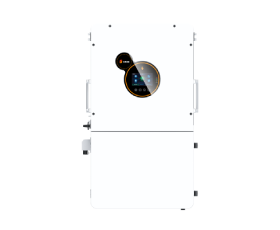
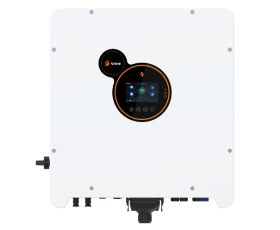


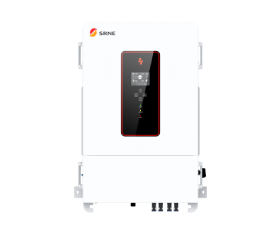
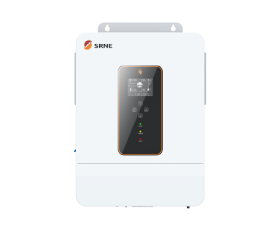
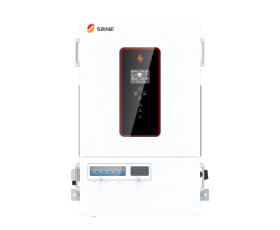

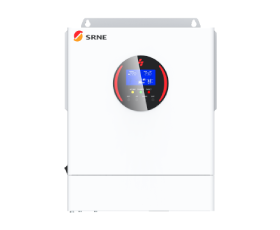

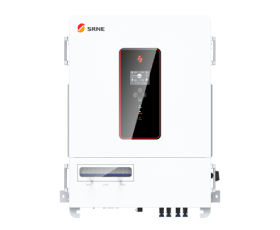
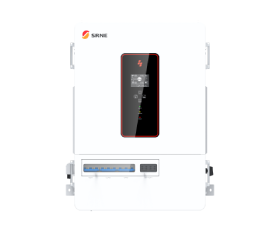

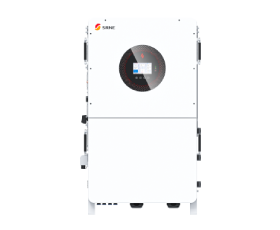


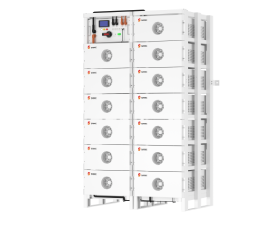
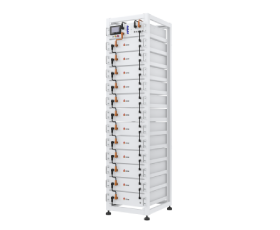


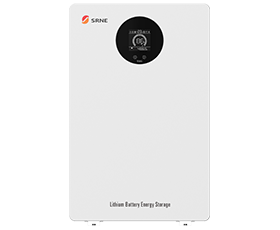

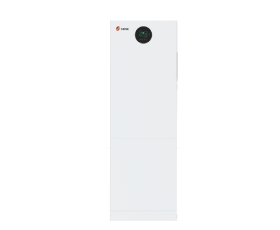











What is a Three Phase Hybrid Inverter?
In today's world, the demand for reliable, efficient, and sustainable energy solutions is rapidly growing. Whether it's for a large home, a commercial building, or an industrial site, the need for high-capacity, adaptable power systems is more important than ever. Athree phase hybrid inverter is an advanced solution that combines solar energy, battery storage, and grid electricity into one integrated system, providing an efficient and reliable power source.
By offering features like energy storage management, seamless grid interaction, and backup power capabilities, it ensures that energy needs are met with minimal waste and maximum efficiency. This article is designed to explore the key functions, features, and real-world applications of a three phase hybrid inverter, demonstrating why it is an ideal choice for various energy needs.
What is a Three Phase Hybrid Inverter?
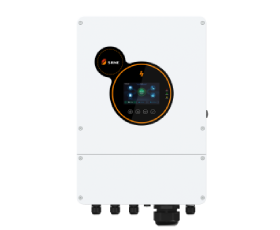
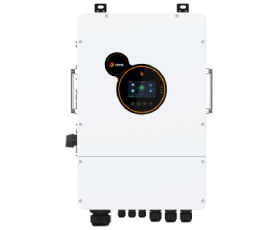
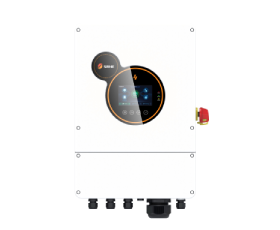
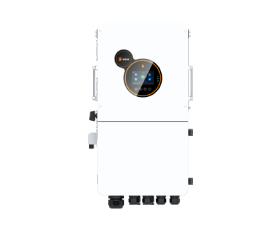
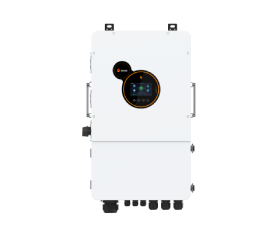
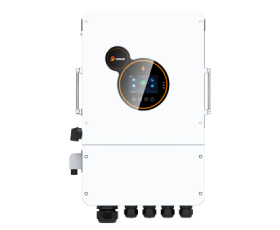
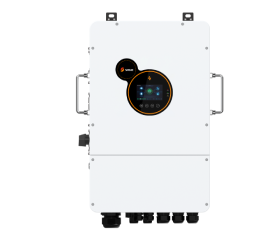
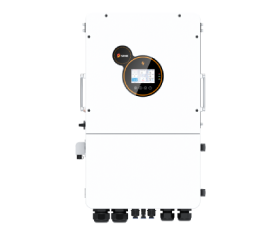
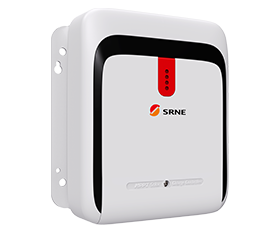
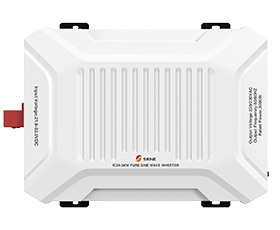
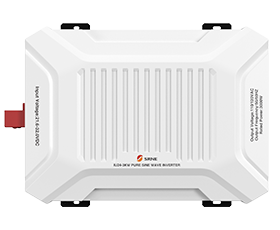
A three phase hybrid inverter is an advanced device that integrates solar power, battery storage, and grid electricity into a unified energy management system. It allows these various energy sources to work together efficiently, ensuring optimal power usage. This makes the inverter a crucial component for applications requiring reliable, high-capacity energy solutions. Rather than just converting energy, the three phase hybrid inverter functions as a smart hub, balancing the flow of energy and maintaining a stable power supply.
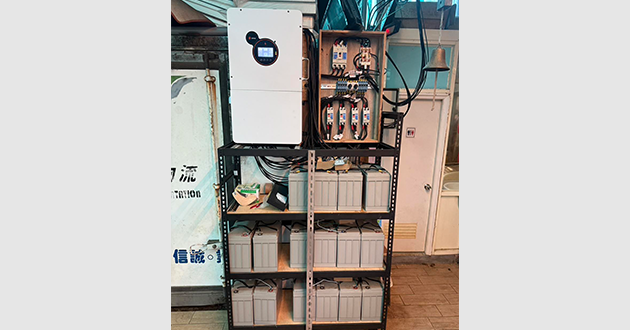
The main job of this hybrid power inverter is to convert the direct current (DC) produced by solar panels into three-phase alternating current (AC). This conversion enables more effective power distribution across three electrical phases, making it ideal for large homes, commercial spaces, and industrial facilities. By distributing the load evenly across these phases, the inverter ensures a steady, reliable energy supply, enhancing the system's overall performance and efficiency.
Key Functions and Features of a Three Phase Hybrid Power Inverter
1.DC to Three Phase AC Conversion
One of the core functions of a three phase hybrid power inverter is converting the direct current (DC) from solar panels into three-phase alternating current (AC). This enables efficient distribution of electricity across three separate phases, ensuring a stable and reliable power supply. It’s especially beneficial for larger homes, commercial buildings, and industrial sites, where consistent energy flow is critical to meet high power demands.
2.Energy Storage Management
The hybrid inverters for solar also manages energy storage by charging batteries with excess solar power when generation exceeds immediate demand. This stored energy can be used later, such as during the night or on cloudy days, ensuring a continuous supply of power. By relying on stored energy during low solar output periods, the inverter reduces the need to draw power from the grid, offering greater energy independence.
3.Grid Interaction
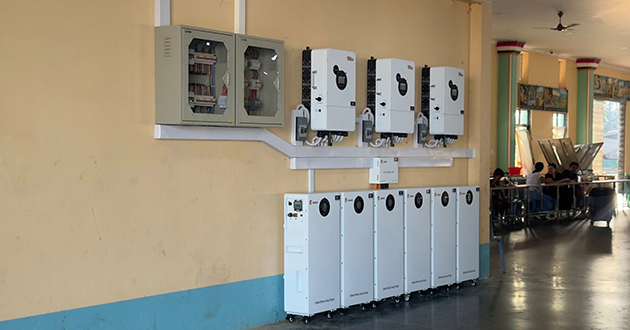
The three phase hybrid power inverter can interact bidirectionally with the grid. When there’s surplus energy, it can send excess power back to the grid, potentially earning credits or compensation. Conversely, when solar and battery energy are insufficient, the inverter draws power from the grid to maintain a stable energy supply. This flexible grid interaction ensures the system always meets the demand, even during low-generation periods.
4.Power Conditioning
Power conditioning is another essential feature of the inverter. It regulates the energy flow across the three phases, balancing the voltage and frequency to prevent overloading. This ensures that sensitive equipment, such as motors, air conditioners, or electric vehicle chargers, receives stable and high-quality power, preventing damage and ensuring optimal performance.
5.Backup Power
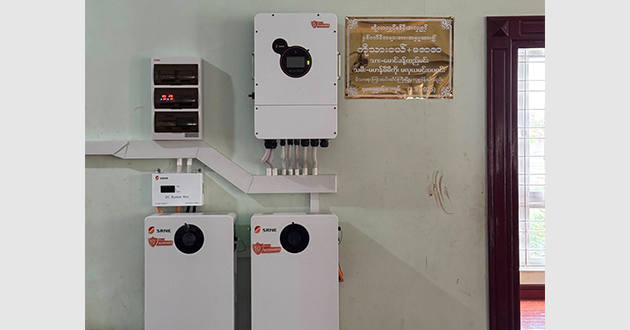
In case of a power outage, the three phase hybrid inverter acts as an automatic transfer switch, providing seamless backup power. It ensures that critical systems like lighting, refrigeration, or medical equipment continue to run without disruption. The inverter automatically switches between grid and battery power, offering a smooth transition and uninterrupted operation during power interruptions.
Why Use a Three Phase Solar Hybrid Inverter?
1.High Power Needs
A three phase solar hybrid inverter is well-suited for buildings with high energy demands, such as large homes, commercial spaces, or industrial facilities. It provides a steady and reliable power supply capable of handling heavy loads, making it an ideal solution for systems that require more robust energy support.
2.Efficiency
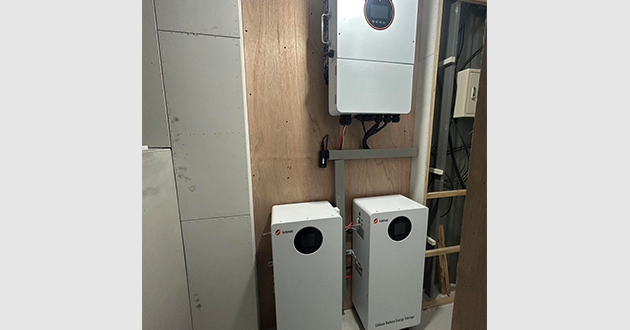
For larger systems, this type of inverter is more efficient as it reduces energy loss, especially over long distances. By distributing power across three phases, it ensures a more even and effective flow of electricity, helping to optimize energy use in bigger installations.
3.System Balance
The hybrid inverters for solar ensures that the electrical load is evenly spread across the three phases, improving system performance and reducing the risk of overloading any single phase. This balanced distribution of power enhances both the reliability and efficiency of the electrical system, ensuring smooth operation even during periods of high demand.
4.Scalability
Three phase hybrid inverters are highly scalable, making it easy to add more units as your energy needs grow. This flexibility makes them an excellent choice for expanding systems or applications that require more power over time, allowing the system to adapt to increasing demands with ease.
Use Cases of a Three Phase Hybrid Inverter
1.Commercial Buildings
A three phase solar hybrid inverter offers a reliable and efficient energy solution for commercial properties, such as office buildings, retail spaces, and manufacturing facilities. It effectively meets the high energy demands of HVAC systems, lighting, and heavy machinery while minimizing energy losses. By integrating renewable energy sources, it can significantly lower electricity costs. Additionally, the inverter acts as a backup power system, ensuring that operations continue smoothly during power outages and enhancing energy security for businesses.
2.Large Homes
For large homes with high energy consumption—such as those with heat pumps, large air conditioning systems, swimming pools, or multiple electric vehicles—a three phase solar hybrid inverter provides an ideal solution. It balances the energy load across three phases, ensuring consistent power delivery. By maximizing the use of solar energy, it reduces reliance on the grid, while its battery storage capability offers backup power during outages, keeping essential systems like lighting, heating, and refrigeration running smoothly.
3.Industrial Sites
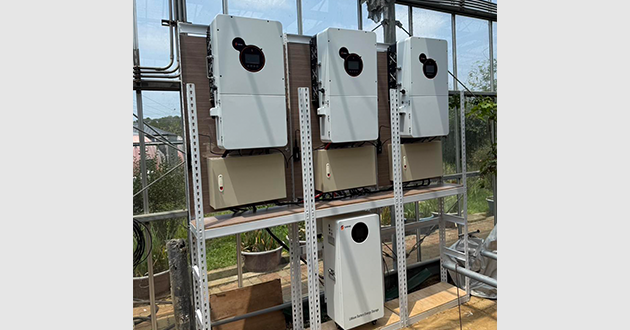
In industrial environments where energy demands are high due to heavy machinery and production lines, the three phase hybrid inverter plays a crucial role. It ensures a stable and reliable energy supply for critical equipment like motors, pumps, and compressors. The inverter also allows excess energy to be stored in batteries, which can be used during peak demand or power outages. By integrating renewable energy sources, it helps reduce operational costs and optimize energy usage across the facility.
4.Electric Vehicle Charging
As the adoption of electric vehicles (EVs) grows, the demand for EV charging infrastructure increases, both in residential and commercial areas. A three phase hybrid inverter is well-suited to manage the high power needs of multiple EV chargers. It ensures efficient charging, even in locations with high usage or multiple vehicles. By leveraging solar power or stored battery energy, it reduces reliance on the grid, making EV charging more affordable and sustainable.
5.Renewable Energy Integration
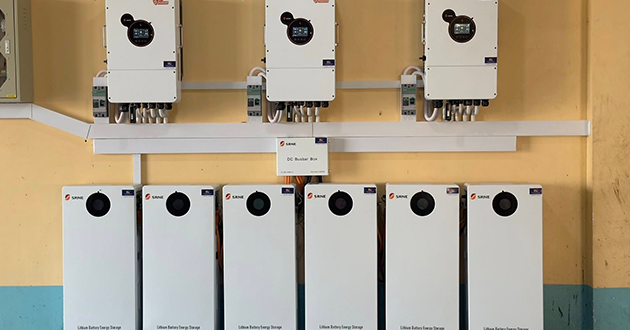
Whether off-grid or grid-connected, a three phase hybrid inverter optimizes the generation and storage of solar energy. It converts DC electricity from solar panels into AC for immediate use or storage, ensuring that solar energy is utilized effectively. The inverter also works seamlessly with battery storage systems, providing a reliable power supply during periods of low solar output or grid outages, offering energy independence and consistent power for both residential and commercial applications.
Read more:
Will I Save Power if I Switch Off the Hybrid Inverter When Not Using?
Can a Hybrid Inverter Work with Solar Panels Only?
Conclusion
In summary, a three phase hybrid inverter offers an intelligent, reliable, and scalable energy solution for a wide range of applications. From large homes and commercial buildings to industrial sites and electric vehicle charging stations, this inverter ensures efficient energy management and consistent power delivery.
