








































Will I Save Power if I Switch Off the Hybrid Inverter When Not Using?
In this article, we’ll break down what standby power really is, when it matters most for a hybrid inverter, and how to decide whether switching it off—or using a low-power mode—is the smarter move.
Yes, switching off a hybrid inverter when you’re not using it can save power, because it still draws a small amount of standby energy even when idle. This matters most when your system sits unused—like during vacations or in RV/off-grid setups where battery capacity is limited. How much you save depends on the inverter’s standby draw, how long it stays off, and your battery/system size.
What “Standby Power” Means for a Hybrid Inverter
Standby power is the small, constant energy a hybrid inverter consumes even when it’s not delivering power to a load. It keeps essential electronics—like the control system, monitoring/communication functions, and internal switching components—running so the unit can react immediately when needed. In product specifications, this is often described as no-load, idle, or standby consumption. Smaller models may only use around 5–10W, while higher-capacity units can sit at several tens of watts or more.
Why Turning Off a Hybrid Solar Inverter Saves Power
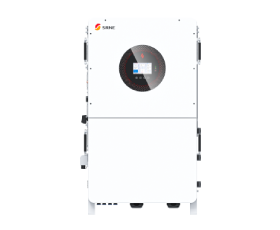
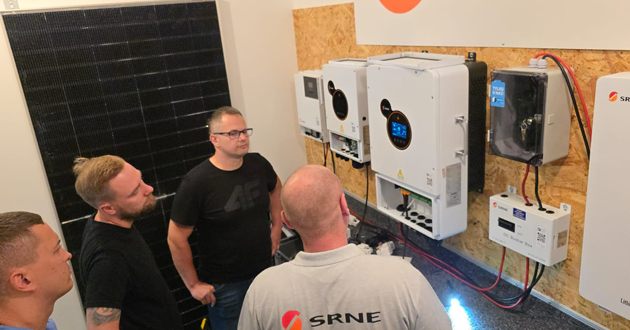
A hybrid solar inverter may look “idle” when no appliances are running, but it isn’t truly off—it still powers itself internally. To stay ready, it keeps core circuits active, including the controller, monitoring/communication functions, and switching components, which creates a steady standby draw. Reddit users often describe this as the inverter “waiting for something to happen,” which is why it consumes power even with nothing running.
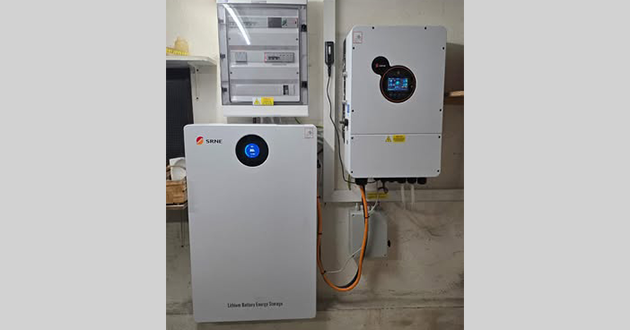
The savings come from how that small trickle adds up over time. For example, a 40W standby load works out to 40W × 24h ≈ 960Wh (about 1 kWh per day). Leave it on for a week without using it, and that’s roughly 7 kWh consumed simply to keep the hybrid solar inverter ready.
When Standby Power Matters Most for a Hybrid Solar Power Inverter
1.Small Systems (RV / Van / Off-Grid)
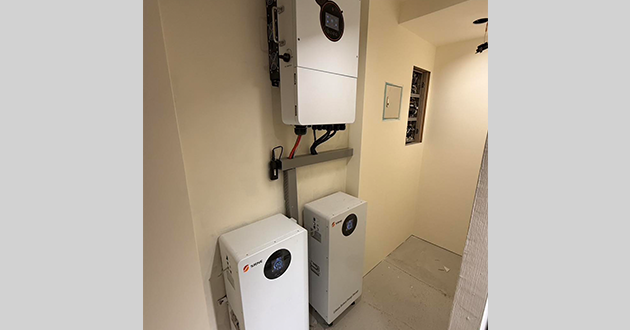
In RV, van, and off-grid setups, battery capacity is usually tight, so even a modest “always-on” load can have a real impact—especially when you’re not plugged into shore power. A hybrid solar power inverter might not be powering anything, but it still draws standby energy in the background, and over long nights or a few idle days that steady drain can add up. As some Reddit users have noted, a ~70W standby draw with a ~10 kWh battery can noticeably reduce available storage over about a week, even with no other loads connected. In situations like this, switching the inverter off—or enabling a proper sleep/eco mode—can help preserve battery runtime and keep energy available for when it actually matters.
2.Large Home Systems
For larger home systems with tens of kWh of storage, standby power is typically a smaller piece of the daily energy budget. Many homeowners keep a hybrid solar power inverter running 24/7 because it supports normal operation behind the scenes—monitoring and data logging, backup readiness, time-of-use scheduling, and quick response during outages. You can still save some energy by turning it off, but the difference may be less noticeable day to day, particularly if the system is designed to remain online. Put simply, small systems feel standby losses quickly, while larger home setups often accept a bit of overhead in exchange for constant availability and control.
What to Consider Before Switching Off a Hybrid Power Inverter
System impact
Before you power down a hybrid inverter, take a moment to consider what relies on it. Turning it off can also shut down backup circuits, monitoring, and any “always-on” essentials that run through the system—like alarms, routers, smart home hubs, or heating controls. Since the inverter often sits at the center of your home’s power flow, a full shutdown may cause certain loads to drop unexpectedly unless your wiring and backup/transfer setup is designed for that scenario.
Inverter size and configuration
Standby use isn’t the same across all hybrid power inverter models, and the way the system is configured can make a difference too. Larger-capacity units often draw more at baseline, but the best way to know what your setup consumes is to check the manual, the inverter display, or your monitoring app instead of estimating.
Manual off vs. Eco/Sleep modes
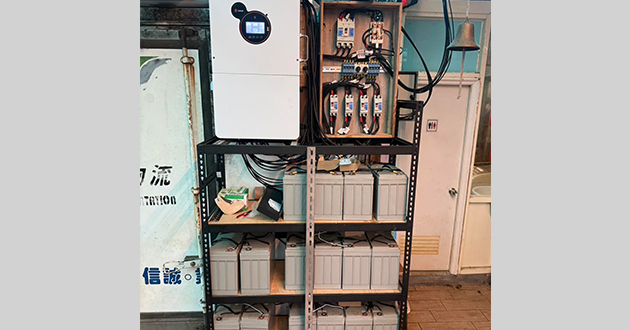
If your hybrid power inverter supports eco, zero-load, or sleep modes, these are usually the more user-friendly choice. They reduce background consumption while keeping the system online for monitoring and quick response, so you get better efficiency without the interruption that can come with switching the inverter completely off.
Practical Recommendations for Your Hybrid Inverter
Step 1 — Find your hybrid inverter’s baseline “on” consumption
Rather than estimating, measure what your hybrid solar inverter actually uses just to stay powered. Check the inverter screen or monitoring app during a low-activity period (late night works well) and note the steady draw that remains when major loads are off. If you have a home energy monitor, use it to confirm the number—this gives you a clear baseline to decide whether switching off is worth it.
Step 2 — Match the choice to your downtime
What makes sense depends on how long the system will sit unused and what you still need running. If you’re leaving for a while—travel, a seasonal property, or a parked RV—shutting the hybrid inverter down (or selecting its lowest-power option) can avoid slow, continuous drain. For short breaks, keeping it on is often simpler, especially if your setup relies on backup readiness, automation, or scheduled battery behavior.
Step 3 — Prefer a low-power “ready” mode when possible
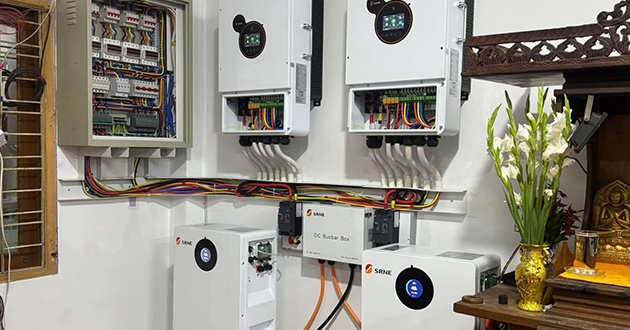
If you want to stay efficient without giving up monitoring or quick response, use the hybrid inverter’s reduced-power mode if it has one. Set it to minimize background draw when loads are low, so you cut standby losses while keeping the system usable—without turning daily operation into a routine of powering on and off.
Read more:
https://www.srnesolar.com/articledetail/can-a-hybrid-inverter-work-with-solar-panels-only.html
https://www.srnesolar.com/articledetail/is-it-worth-getting-a-hybrid-inverter.html
Conclusion
Switching off a hybrid inverter can save energy because standby draw is real, continuous, and easy to overlook. The key is choosing the right approach for your setup: small RV/off-grid systems often benefit the most from shutting down during downtime, while larger home systems may prioritize always-on monitoring and backup readiness.
