




















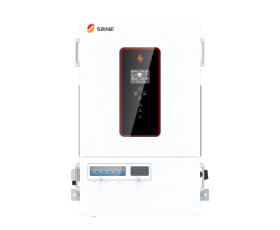

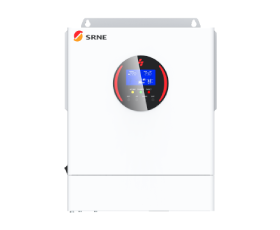

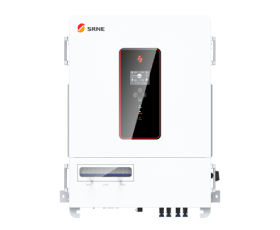
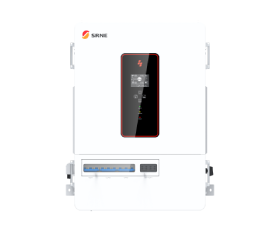


















5kW Building Block with 10kVA Peak
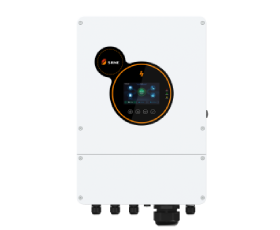
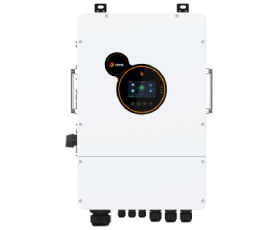
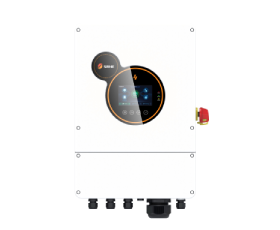
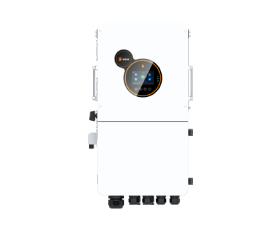
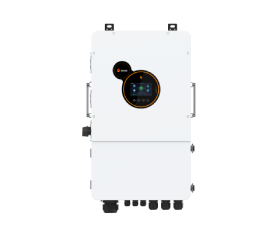
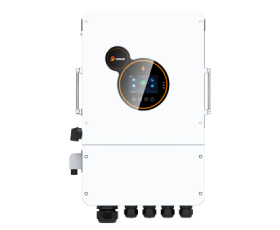
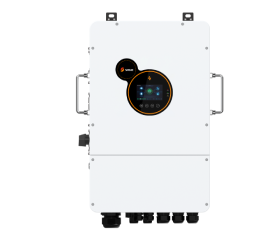
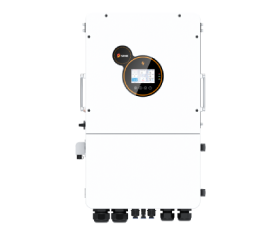
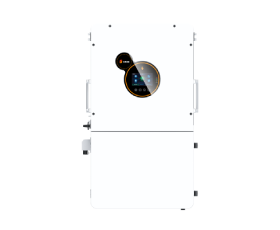
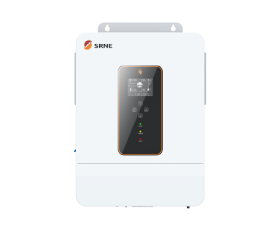
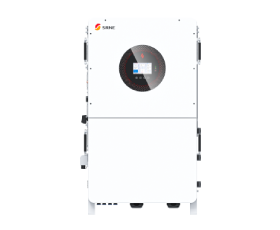
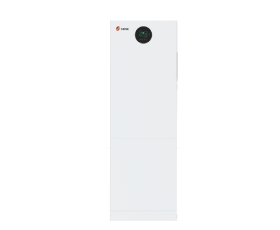
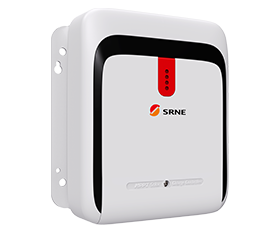
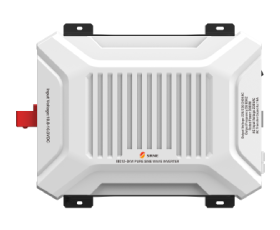
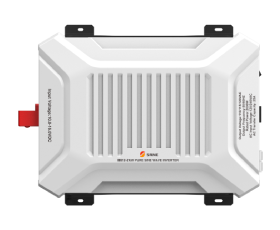
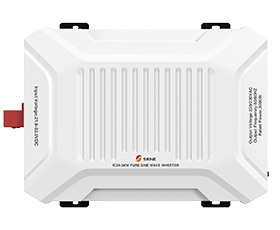
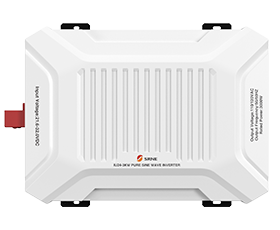
The HYP 5kW off grid inverter delivers 5kW at 120Vac and up to 10kVA peak output. A 4HP motor reference provides a useful pre-selection point for pumps and other startup-heavy loads.
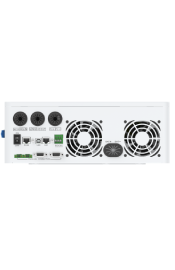
Batteryless Output and 63A Bypass
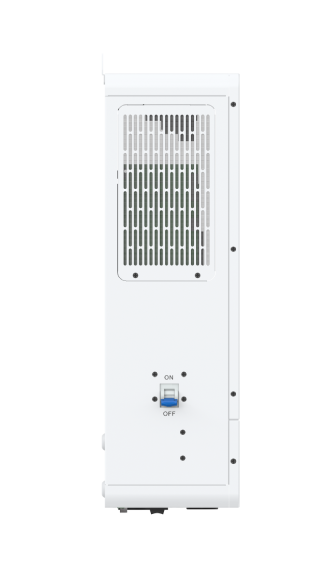
Loads can run from available PV and accepted AC before storage is installed. A 63A bypass lets grid or generator power carry larger loads while the 5kW inverter keeps its battery-derived rating.
Scale from One Unit to 30kW
One to six HYP units can form single-, split- or three-phase systems. This lets a 48V inverter installation begin at 5kW and expand to as much as 30kW without changing product family.

Battery-Optional Solar Projects
Batteryless operation allows PV and accepted AC power to support loads before storage is added. That makes the off grid solar inverter useful for phased projects where solar is installed first and battery backup is introduced later, while no stored energy is available when both external sources disappear.
Remote Homes with Generator Support
A 63A bypass and grid/generator charging allow an accepted AC source to carry loads or recharge the battery when solar is insufficient. The solar inverter can therefore use PV as the primary source while keeping generator support for long low-solar periods or unusually heavy demand.
Systems Expected to Grow Beyond 5kW
Parallel operation from one to six units creates a clear expansion path. Additional HYP units can build single-, split- or three-phase systems, so the HYP 5kW off grid inverter can start as a residential system and later support larger buildings or more complex load distribution.
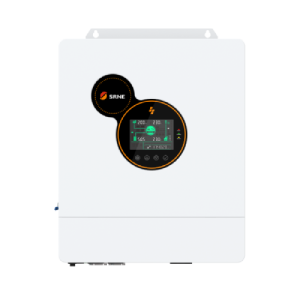
HYP 5kW Off Grid Inverter OVERVIEW
Download
Datasheet
User Manual
FAQ

What does batteryless operation actually allow the HYP to do?

It allows the inverter to supply loads from available PV and an accepted AC source even when no battery is connected. That can be useful during staged commissioning or in an off grid solar system designed to use solar whenever it is available without installing storage immediately. The off grid inverter does not create backup energy by itself, so loads will lose support if both PV and the accepted AC source are unavailable. Batteryless operation should therefore be treated as a source-flexibility feature, not as a substitute for battery backup.
Why is a 63A bypass useful on a 5kW inverter?
The bypass path lets grid or generator power feed a larger AC load directly when an accepted source is present, while the inverter’s own battery-derived continuous output remains 5kW. This can be helpful when temporary household demand is higher than the 5kW inverter should carry from the battery alone. Bypass current is not extra inverter output, and the upstream source, breaker, conductors and downstream distribution still have to be sized for the current that may pass through the unit.
Can several HYP units create split-phase or three-phase output?
Yes. SRNE specifies parallel operation for one to six units and supports single-, split- and three-phase configurations. A single unit supplies 120Vac, while multiple units can be arranged for a different phase topology when the project requires it. This gives a 48V inverter system more flexibility than a fixed single off-grid inverter design, but the units, communications, battery bank, AC protection and phase configuration have to be installed as one coordinated parallel system rather than connected independently.
How large a battery should be paired with the HYP 5kW?
There is no single battery size that fits every 5kW installation. The inverter uses a 48V nominal battery platform and publishes up to 100A solar and hybrid charging. Battery energy in kWh should be selected from the desired runtime, while discharge-current capability should be checked against the largest expected AC load. For an off grid solar inverter, a battery that offers enough energy but cannot provide the required current can still become a bottleneck, so BMS limits, cabling and protection must be reviewed together.
Is the 10kVA maximum output meant for continuous operation?
No. The unit is rated at 5,000W continuous output, and the 10,000VA figure provides short-term headroom for loads that draw a brief startup surge. SRNE also lists a 4HP motor reference. That makes the solar inverter more tolerant of pump or compressor starting events, but the normal running load should remain within the continuous rating. When several motor loads may start close together, their combined inrush should be considered instead of relying on the peak number in isolation.
When is it better to add another HYP rather than replace the 5kW unit?
Adding a parallel unit can be attractive when the existing installation was designed for expansion and the battery, PV input, conductors and switchgear can support more power. Up to six units can create a 30kW system, so the HYP 5kW off grid inverter works as a repeatable building block. Replacement may still be simpler when the original system lacks space, battery current capability or suitable distribution equipment. Future expansion is easiest when those constraints are reserved during the first installation.