








































Commercial Energy Storage in Real Grids: Why System Fit Wins
Commercial energy storage is rapidly becoming a core element of modern power systems. As commercial and industrial users face rising energy costs, higher renewable penetration, and increasingly complex grid conditions, storage solutions are no longer evaluated solely on capacity or upfront price. Instead, long-term reliability under real operating conditions has become a critical measure of project success.
This shift is reflected in how companies like SRNE approach system design. Based on experience with mid-scale commercial and industrial projects—often involving retrofits and non-ideal grid conditions—SRNE emphasizes system fit over theoretical specifications. This article explores why adaptability and real-world integration are becoming decisive factors in commercial energy storage selection.
What“System Fit”Really Means in Commercial Energy Storage
In commercial energy storage,“system fit”is about how well a solution performs in real operating environments, rather than under ideal, controlled test conditions. A system with strong fit integrates smoothly into existing electrical infrastructure, remains stable in imperfect grid situations—such as uneven three-phase loading, aging wiring, or fluctuating grid quality—and is capable of delivering multiple functions at once. Instead of prioritizing theoretical specifications, system fit focuses on how closely the technology aligns with actual on-site energy use, helping ensure reliable performance and long-term operational stability.
Why System Fit Wins in Commercial Energy Storage
1.Optimal Performance Under Real Operating Conditions
Commercial energy systemsrarely operate under steady, predictable conditions. During peak production periods or sudden load changes, storage systems are often required to deliver more than their nominal output. Inverter designs that can sustain controlled overload operation enable smoother handling of inrush currents and rapid demand shifts. In real applications, this kind of operational resilience matters far more than headline capacity figures.
2.Value Stacking: One System, Multiple Services
The true value of commercial energy storage system lies in its ability to serve multiple roles throughout the day. A single system may help stabilize the grid during daytime operation, reduce peak demand in the evening, and provide reliable backup power when outages occur. Rather than oversizing capacity for a single use case, well-matched systems generate stronger returns by adapting to changing operational needs.
3.Lower Infrastructure and Upgrade Requirements
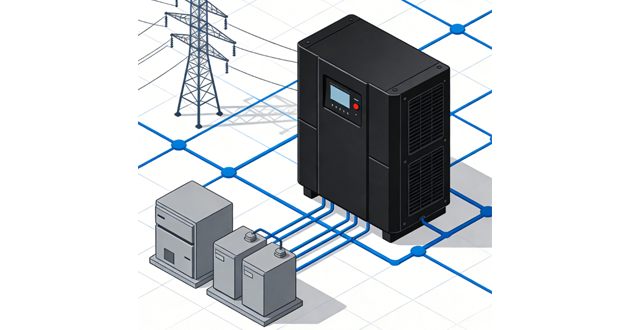
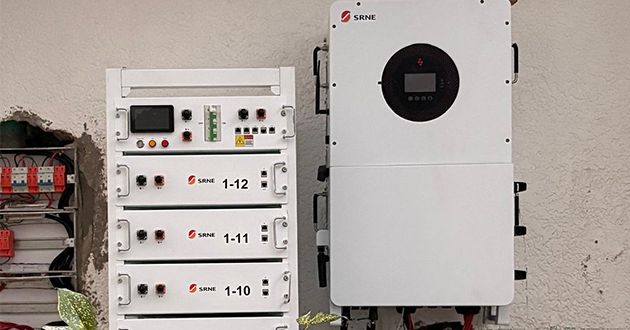
When storage is deployed behind the meter and aligned with on-site demand, it can reduce dependence on upstream grid infrastructure. Placing energy resources closer to where power is consumed helps limit losses and eases pressure on existing transformers and feeders. As a result, many facilities can delay or avoid expensive grid reinforcement projects while improving overall efficiency.
4.Strengthening Grid Resilience in Renewable-Heavy Markets
As renewable generation continues to expand in markets such as California and Texas, grid stability becomes increasingly complex. Energy storage provides fast-acting support that helps smooth fluctuations in supply and demand. By responding in real time, storage systems support voltage and frequency stability while reducing the likelihood of outages and renewable curtailment.
Commercial Energy Storage System: Standard Systems vs. Real-Grid Needs
A High-Level Comparison of Design Approaches
Aspect | Standardized Systems | Engineering-Focused System Fit |
Typical approach | Platform-driven, standardized deployment | Site-driven, real-grid adaptability |
Common representatives | Growatt, GoodWe | SRNE |
Best-fit projects | New-build, uniform grid conditions | Retrofits, complex commercial sites |
Grid tolerance | Assumes balanced, stable grids | Designed for non-ideal grid conditions |
System complexity | Higher, relies on external components | Lower, core functions integrated |
Cost impact | Competitive upfront, higher hidden costs | Optimized total cost of ownership |
Understanding the Differences in Practice
1.Standardized Platforms: Designed for Predictable Environments
Many established global manufacturers, including Growatt and GoodWe, have shaped their commercial energy storage portfolios around standardized system architectures. These solutions typically emphasize integrated platforms, centralized monitoring, and extensive international certification, making them well suited for new-build projects where grid conditions, load profiles, and system layouts are clearly defined from the outset.
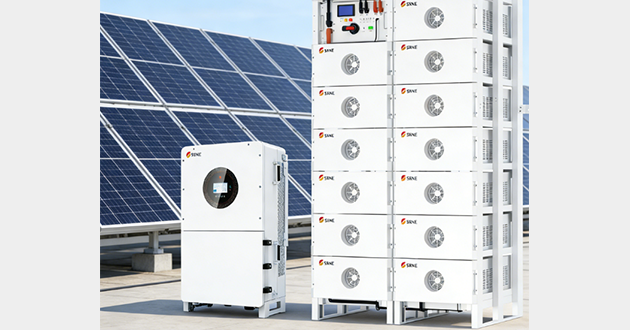
This platform-oriented approach delivers consistency and repeatability, particularly in larger commercial energy storage deployments where uniform system design and stable operating assumptions simplify planning and execution.
2.Real-World Commercial Sites: Where Standard Assumptions Fall Short
In reality, many commercial and industrial sites operate well outside these idealized conditions. Retrofit installations, irregular grid configurations, uneven three-phase loading, and the coexistence of older infrastructure alongside newer equipment are common in real-world commercial energy storage projects. Load behavior can fluctuate significantly throughout the day, and electrical layouts are often shaped by historical constraints rather than optimal engineering design.
Under these circumstances, systems built primarily for standardized deployment may reach their limits when on-site flexibility and operational tolerance become more important than adherence to predefined architectures. This contrast highlights the gap between theoretical system planning and the practical demands of daily commercial energy operation.
3.Engineering-Focused System Fit: Applied at the Inverter Level
These challenges have driven a shift toward a more engineering-focused design philosophy in commercial solar energy storage. Solutions such as those developed by SRNE place system fit at the center of both inverter-level and system-level design, rather than relying mainly on external integration to compensate for site-specific constraints.
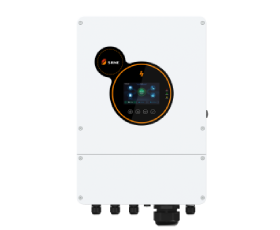
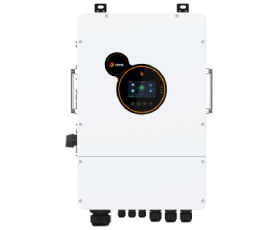
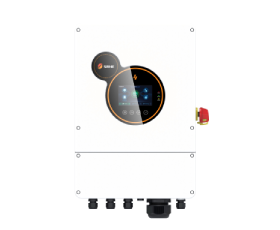
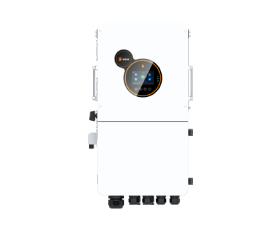
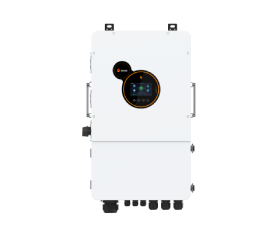
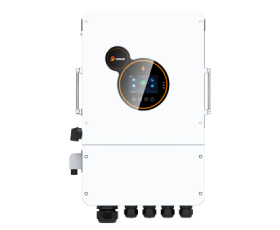
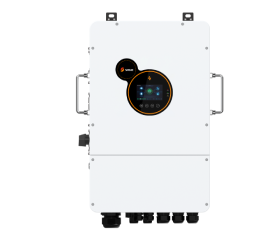
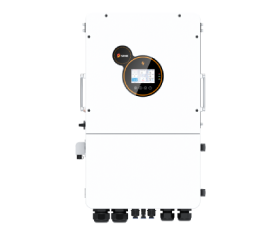
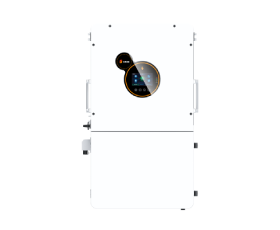
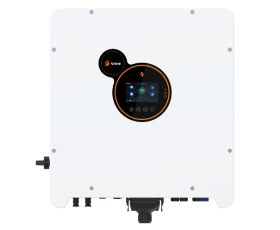
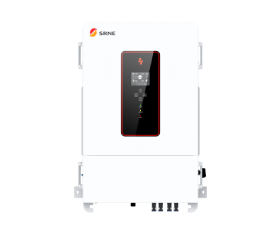
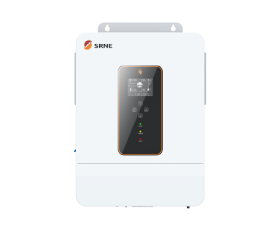
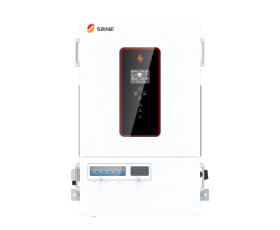
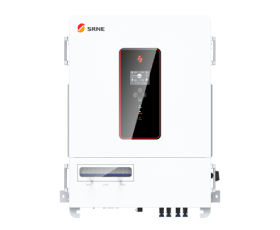
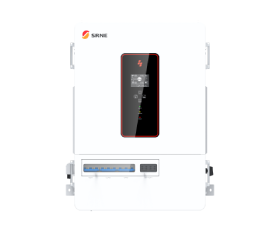
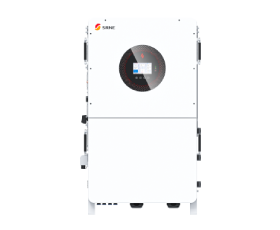
SRNE’s 50–60 kW three-phase commercial solar storage inverters, for example, are designed for mid-scale commercial and industrial applications where grid conditions are often less than ideal. Capabilities such as tolerance for phase imbalance, sustained overload operation during peak demand periods, and flexible battery integration enable reliable performance across retrofit projects, small industrial facilities, agricultural operations, and commercial buildings with mixed legacy infrastructure.
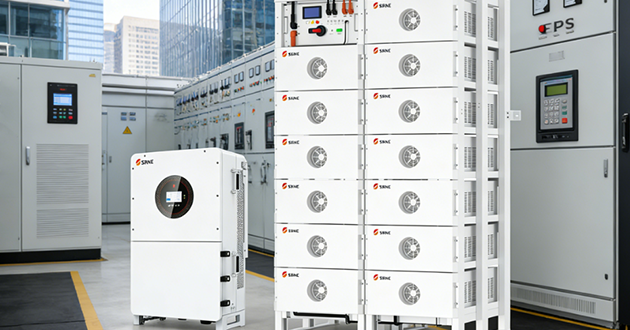
In real commercial energy storage deployments, this approach helps reduce overall system complexity, limits reliance on additional external components, and gives EPCs greater freedom to adapt solutions to existing site conditions.
4.Beyond Features: Adaptability as a Long-Term Advantage
As commercial solar energy storage continues to expand beyond greenfield developments into a broader mix of retrofit and hybrid-use projects, adaptability becomes a decisive factor for long-term success. In this context, dependable system performance is influenced less by the sheer number of platform features and more by how effectively a solution responds to real-world grid behavior, changing load patterns, and future expansion requirements.
When system fit is addressed directly at the inverter level, it becomes a critical enabler of operational stability, predictable performance, and sustainable project economics over time in commercial energy storage applications.
How SRNE Is Designed for Real Commercial Grids
SRNE designs its commercial energy storage solutions with a focus on practical deployment requirements. The 50–60 kW commercial storage inverter platform targets mid-scale industrial and commercial applications, particularly projects involving retrofits or staged expansion, where operating conditions and load behavior can vary over time. Emphasis is placed on compatibility with existing electrical systems to support stable operation within established site infrastructures.
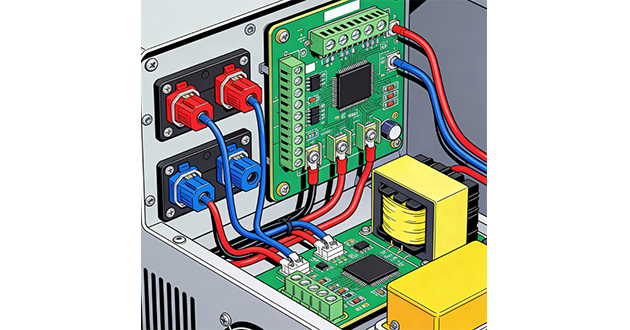
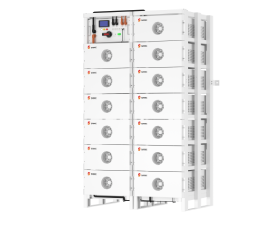
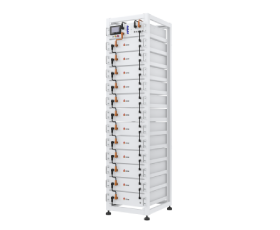
This design approach is implemented through inverter-level capabilities that support flexible system configuration. Continuous overload operation is provided to address peak demand periods, while dual battery inputs with independent management allow the integration of both new and existing battery assets. Strong three-phase adaptability supports unbalanced load conditions, and high PV input capacity enables flexible solar coupling. With essential safety and protection functions incorporated directly into the inverter, system architecture can be simplified, potential failure points reduced, and EPCs and system integrators given greater flexibility when deploying and scaling commercial energy storage systems.
Read more:
How Big is The C&I Energy Storage Market?
Top 10 Commercial Energy Storage Companies in 2025
Conclusion
As commercial energy storage continues to expand beyond standardized, greenfield deployments, system fit is emerging as a key determinant of long-term value. Real-world projects demand solutions that can tolerate imperfect grid conditions, adapt to changing operational needs, and integrate smoothly with existing infrastructure over time.
