













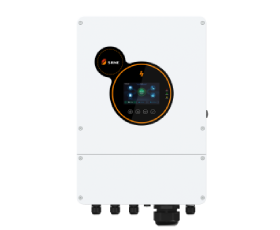
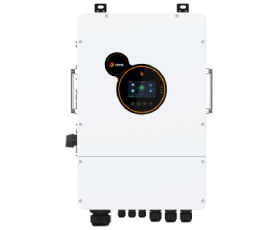

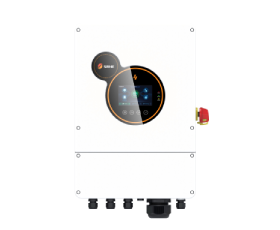
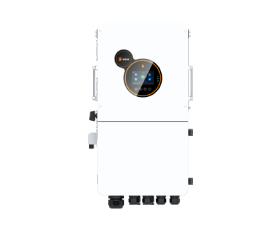

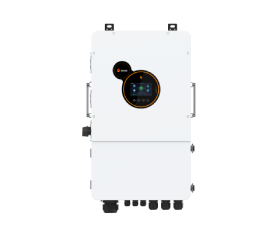

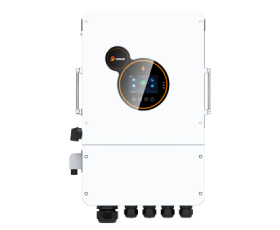

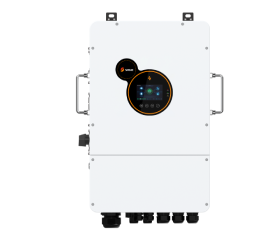
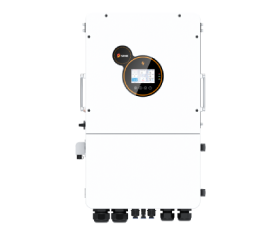

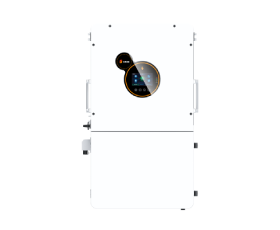
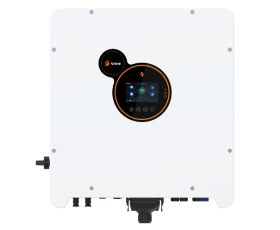


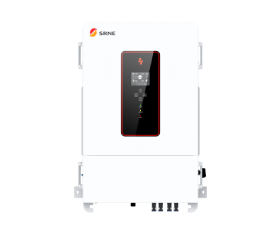
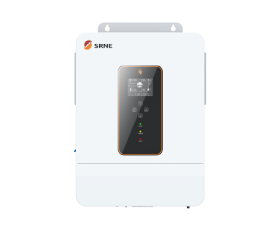
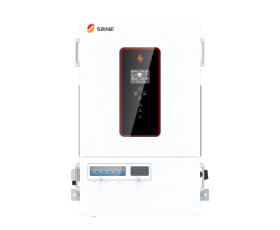

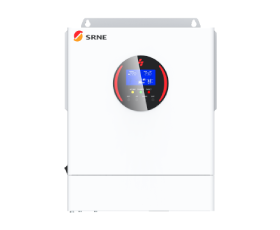

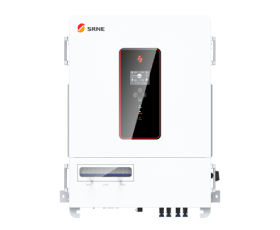
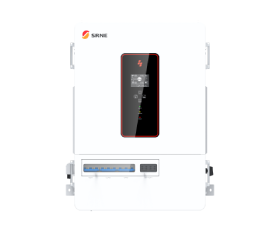

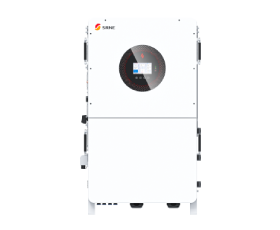





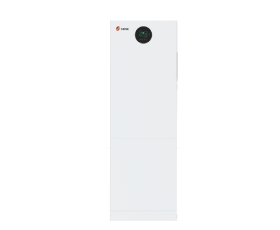



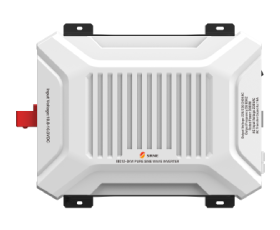

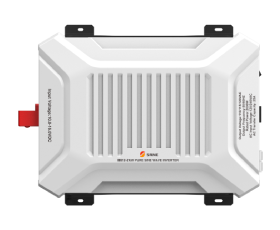
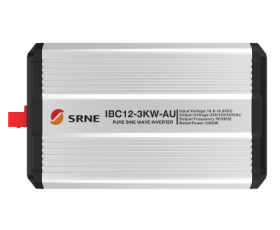
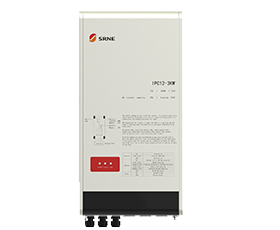







HEBP 15-18kW
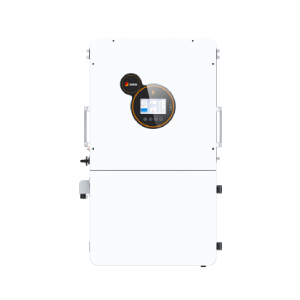
Single/Split Phase Low Voltage Hybrid Inverter
US | 3 MPPTs | Split/Three phase

380A Battery Current
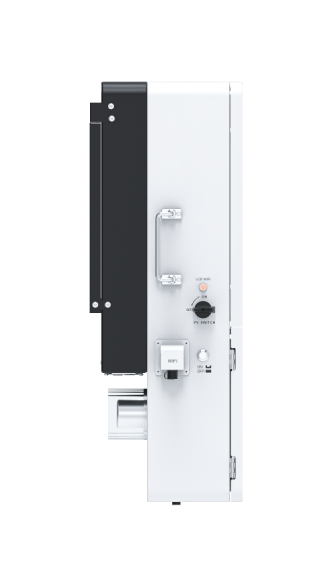
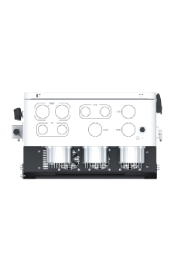
Supporting up to 380A charging and discharging current, the inverter improves battery energy exchange efficiency and provides stronger support for large-scale solar battery storage configurations.
380A Battery Current
With three independent MPPT channels and 42A input current per channel, the HEBP 15–18kW hybrid inverter offers greater flexibility for complex photovoltaic array designs.
380A Battery Current
Supporting up to 9 units in parallel, the 18kw inverter enables flexible system expansion for projects with increasing energy requirements.


High Demand Residential Energy
The HEBP 15–18kW inverter is designed for residential properties with larger living spaces, multiple electrical appliances, and higher daily electricity consumption. Typical applications include large houses, villas, and properties with continuous power requirements, where a complete energy storage system is used to coordinate solar generation, battery usage, and household electricity consumption.
High Demand Residential Energy
This inverter is suitable for solar projects with larger photovoltaic capacity and more complex energy planning requirements. Applications include properties with extensive rooftop areas, multiple solar installation sections, and long-term solar utilization plans based on a complete solar energy storage system.
High Demand Residential Energy
The 15–18kW solar inverter is suitable for projects where solar generation, battery storage, and household electricity usage need to operate within a coordinated energy structure. As a hybrid solar power inverter, it can be applied in renewable energy projects with diverse operating conditions and long-term energy planning requirements.
OVERVIEW
Download
Datasheet
User Manual
FAQ

Why choose a 15–18kW inverter for a residential energy project?

A 15–18kW system is typically considered when the project involves higher continuous loads, more electrical equipment, or a larger overall energy plan. The 18kw hybrid inverter provides a higher power platform for projects that require more capacity than standard residential solar installations.
What makes three MPPT inputs useful for solar system design?
Solar installations are not always arranged in a single direction. Different roof sections, shading conditions, and module layouts may affect PV configuration. The three MPPT design of the mppt hybrid inverter allows different solar inputs to be managed separately during system planning.
How does a 48V battery system support high-power applications?
Low-voltage battery systems require effective current management when dealing with higher power exchange. The 48v inverter architecture allows installers to design battery configurations based on project requirements and energy usage characteristics.
When is a parallel inverter configuration considered?
Parallel configurations are usually considered when a single unit cannot cover future power requirements or when the project requires additional capacity planning. For larger installations, multiple units can be combined within an energy storage system according to the required system scale.
What should be considered when designing a large photovoltaic system with this inverter?
System designers need to evaluate PV layout, available installation space, battery configuration, load characteristics, and long-term operation requirements. A suitable inverter selection helps create a balanced system structure between solar generation and energy storage.
Is this inverter suitable for upgrading from smaller residential systems?
Projects may require higher capacity when electricity consumption increases, additional equipment is added, or renewable energy usage expands. The HEBP 15–18kW provides an option for users moving from smaller systems toward higher-capacity energy configurations.