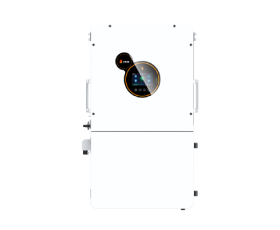
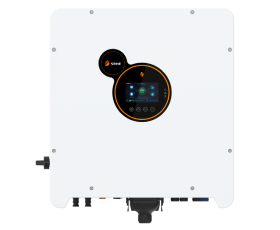
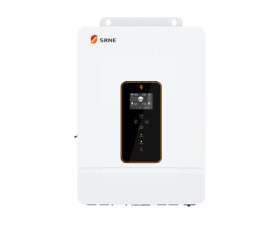
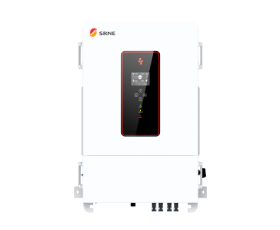
Time-sharing settings allow operators to configure charging and discharging behavior for different periods, making it possible to manage stored energy according to expected consumption and available power sources. For example, a property with predictable evening electricity demand may prioritize maintaining battery reserves during the day, then use stored energy during selected periods. Where a suitable external AC source is available, charging behavior can also be coordinated with the intended operating schedule. In an off grid solar system, this flexibility is useful when daytime solar generation, generator availability and household consumption do not occur at the same time. However, time-based settings do not increase the amount of energy stored in the battery. The selected schedule must still account for battery state of charge, expected loads and the remaining energy required for essential equipment.