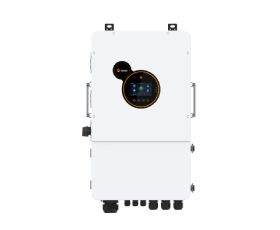
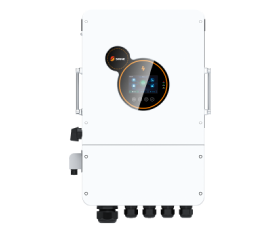
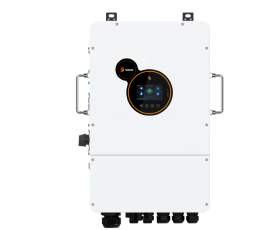
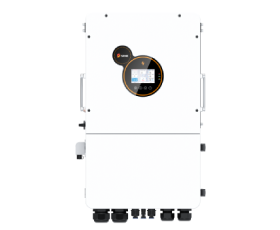
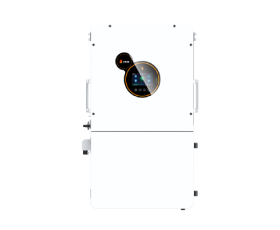
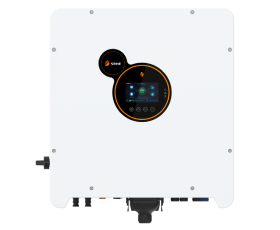
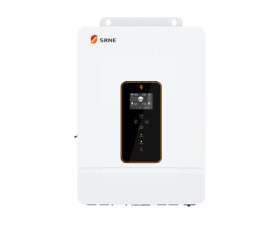
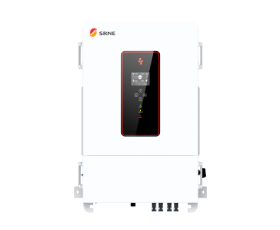
Start by identifying which appliances are most likely to operate simultaneously. High-demand 120V circuits, such as kitchen outlets, refrigeration and other household equipment, should be distributed between the two legs where the panel arrangement permits. A properly connected 240V appliance draws power across L1 and L2, while a 120V circuit uses one leg and neutral. This distinction matters even when the combined household demand remains below the inverter's 16kW rating. When integrating a 240v inverter into a residential distribution system, the loading of each leg should be checked independently. The published unbalanced-load capability provides additional operating flexibility but does not eliminate the need for appropriate circuit allocation.