













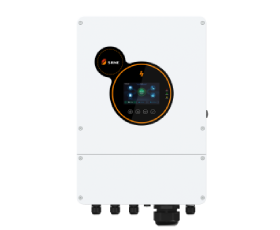
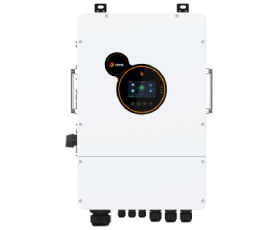

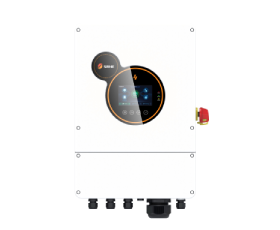
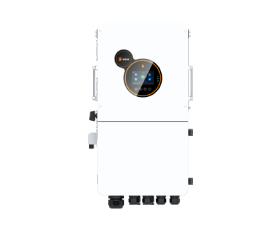

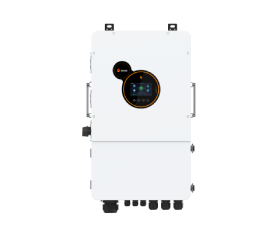

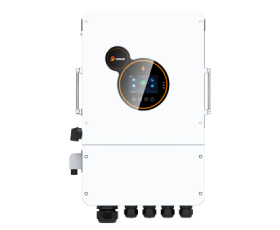

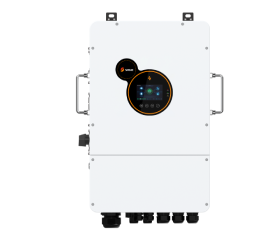
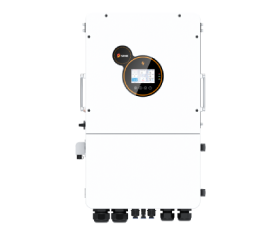

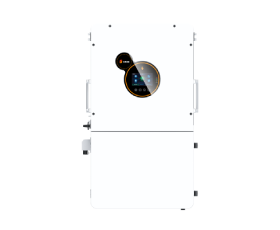
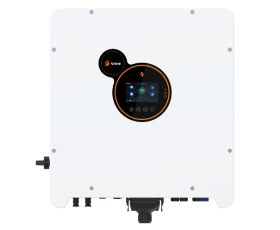


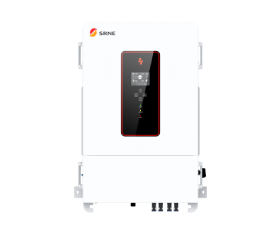
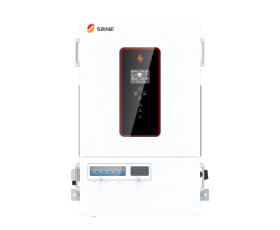


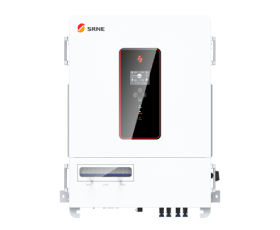

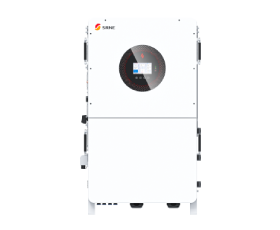





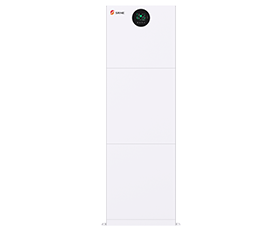
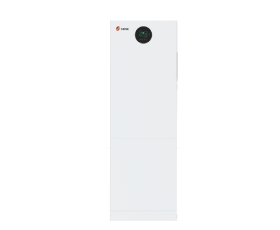



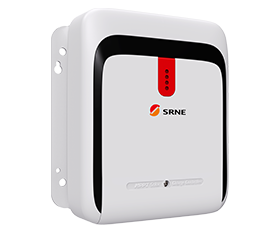
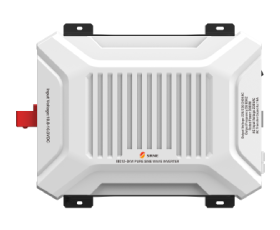

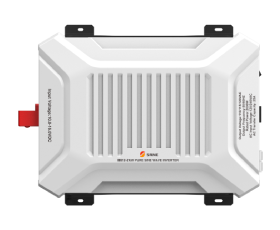
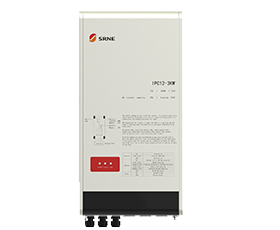
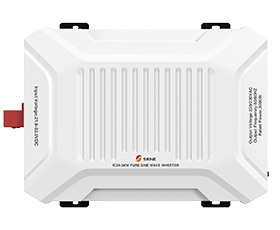
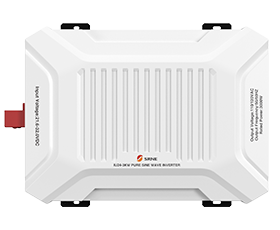


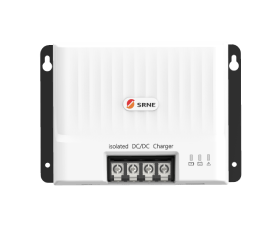
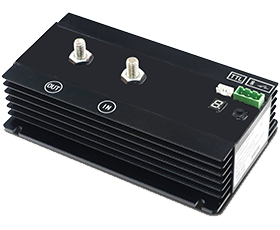







HESP 16-20kW
Three Phase Low Voltage Hybrid Inverter
EU | Three Phase | 3 MPPTs

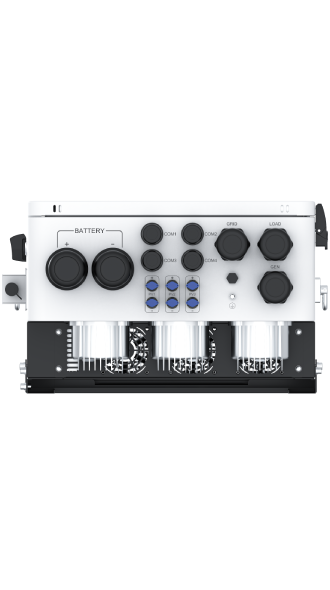
Dual Battery Inputs for High Current
The HESP 16–20kW three phase hybrid inverter uses two battery input ports for its high-current 48V platform. The 20kW class reaches up to 350A battery throughput.
Three MPPTs and Up to 30kW PV
Three trackers divide large arrays by string group or orientation. The 20kW model accepts up to 30kW PV with a 1000V ceiling, giving the 20kW inverter substantial solar-design headroom.
2× Peak and Unbalanced-Load Tolerance
Up to 2× peak power supports motor starts, while 150% single-phase unbalanced-load capability helps real three-phase sites handle uneven demand. This strengthens the 3 phase hybrid inverter for mixed loads.
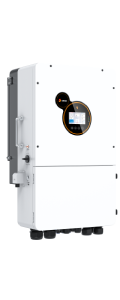

Large Homes with Uneven Three-Phase Demand
Real three-phase properties rarely keep every branch circuit perfectly balanced. The three phase inverter supports 150% single-phase unbalanced output, giving larger homes and mixed-use buildings more tolerance when one phase temporarily carries heavier household, workshop or HVAC demand than the others.
Motor-Heavy Residential and Light-Commercial Loads
The 20kW model provides up to 40kVA peak output and SRNE lists a high motor-load reference for the series, giving the three phase solar inverter short-duration reserve for pumps, compressors and similar equipment. Continuous loading still has to stay within the selected 16kW, 18kW or 20kW rating.
Large PV and Expandable Storage Systems
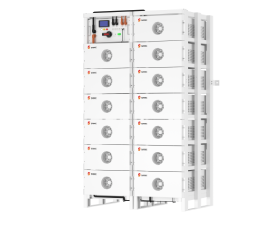
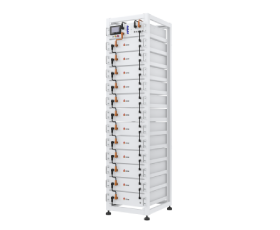
Three MPPTs, up to 30kW PV input and 1–9 unit parallel operation support projects that may grow in both solar and AC capacity. The 48V inverter architecture keeps the battery side low voltage, while dual battery inputs help distribute the high current required by this larger power class.
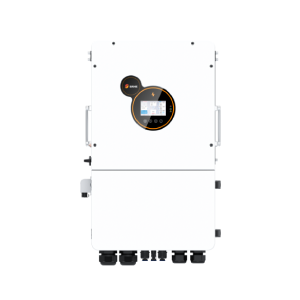
HESP 16–20kW Three Phase Hybrid Inverter OVERVIEW
Download
Datasheet
User Manual
FAQ

Why does a 20kW 48V hybrid inverter need two battery input ports?

SRNE provides two dedicated battery input ports on the HESP 16–20kW platform, giving installers two physical connection paths rather than concentrating the full current on one battery terminal pair. The 20kW class reaches up to 350A battery throughput. In a 48V inverter system, both battery connections, BMS limits, cable sizes, disconnects and overcurrent protection have to be engineered for the current; two ports do not remove the need for balanced and properly protected battery wiring.
What is the value of three MPPTs on a 16–20kW system?
A larger solar array is more likely to include different roof planes, string lengths or shading conditions. Three independent trackers let those array sections operate at separate maximum-power points instead of forcing the full PV field onto one electrical operating condition. The three phase solar inverter also supports a 1000V PV ceiling and up to 30kW PV input on the larger models, so the three-MPPT layout helps distribute a high-power array. Each tracker still needs to stay within its own voltage and current limits.
How should 150% unbalanced-load support be understood?
It is intended to improve tolerance when demand is not evenly divided across the three phases. In a real building, one phase may temporarily carry more single-phase appliances than the others. The HESP platform is specified for 150% single-phase unbalanced-load output, which gives the 3 phase hybrid inverter more flexibility than a system that expects near-perfect balance. It is not permission to ignore phase planning; panel design and load distribution should still be arranged sensibly so one phase is not continuously overloaded.
Is the 40kVA peak figure on the 20kW model continuous power?
No. The 20kW model is rated for 20kW continuous output, while the higher peak figure provides short-duration reserve for startup-heavy loads. SRNE lists up to 2× peak output, which can help pumps, compressors and other motors start without forcing the continuous inverter rating to equal the highest transient demand. A 20kW inverter should therefore be selected from the normal load schedule first, then checked against the startup current and duration of the largest motor or group of motors.
When does nine-unit parallel capability become useful?
It is mainly valuable when a project may expand beyond the capacity of one 16–20kW solar hybrid inverter or when staged installation is preferable to installing the final capacity immediately. The hybrid solar inverter platform supports 1–9 units in parallel, giving larger residential and light-commercial systems a defined growth path. Expansion affects battery current, PV allocation, AC busbars, protection, communications and installation space, so the initial design should reserve for the final scale rather than assume additional hybrid inverters can be added without system changes.
What protection functions matter more as PV voltage and array size increase?
SRNE lists RSD and AFCI functions among the HESP 16–20kW platform features, together with other electrical protections. A HESP 16–20kW three phase hybrid inverter installation should still follow the manual and local code for string fusing, DC disconnects, grounding and rapid-shutdown implementation. Built-in functions complement the system design; they do not replace external protection where required.