













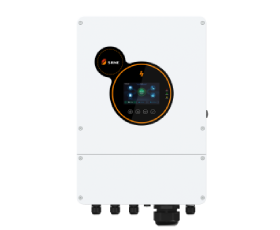
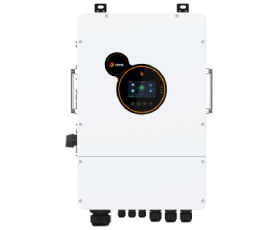

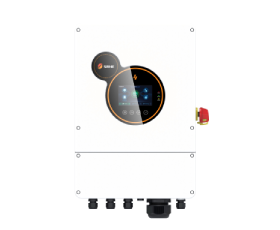
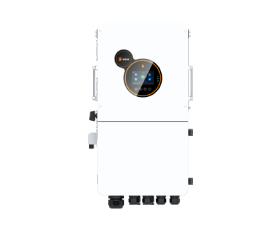

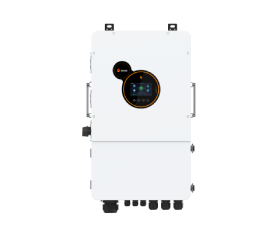

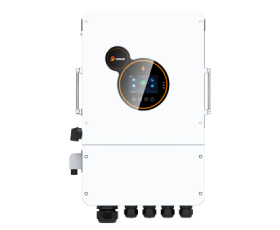

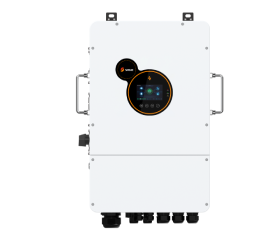
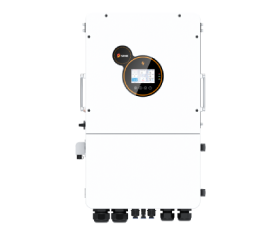

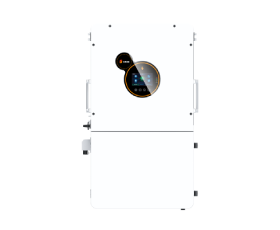
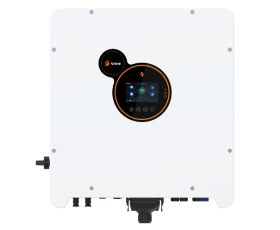


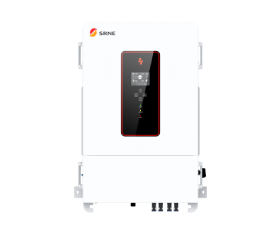
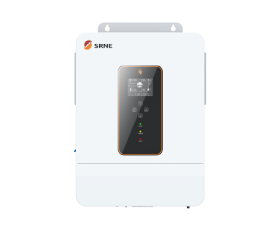
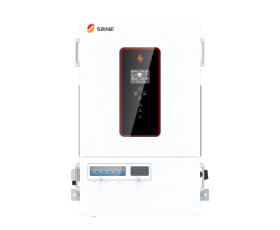

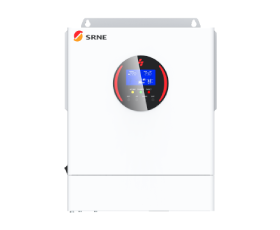

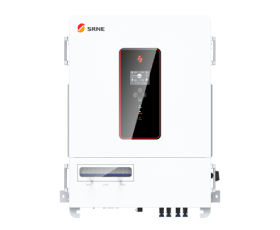
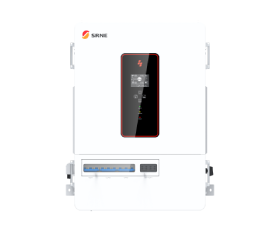

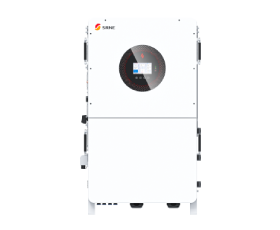





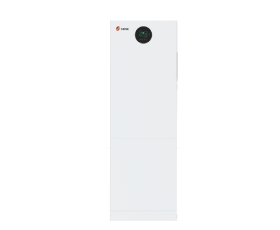



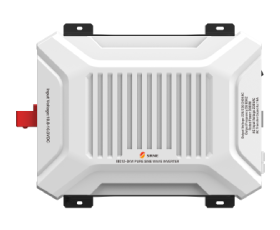

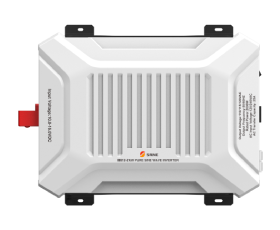
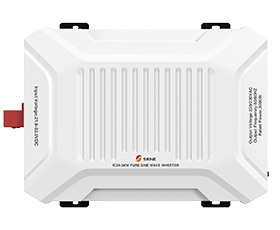
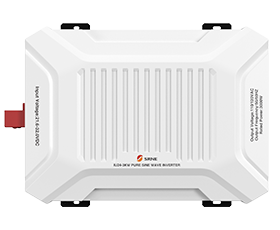


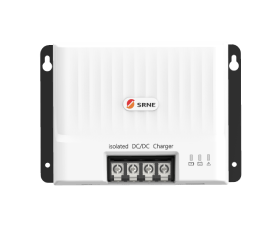
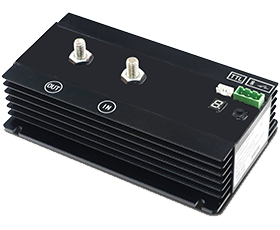







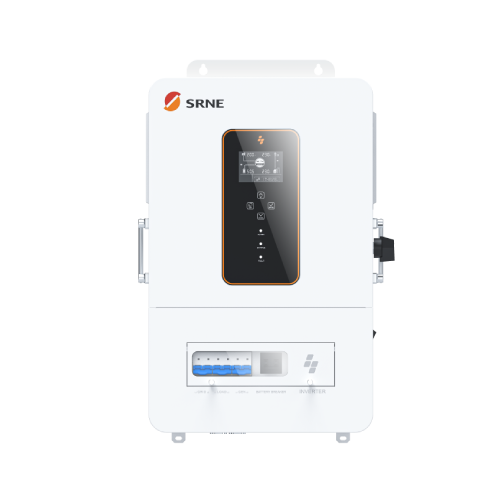
120/240V Output from 4kW to 10kW
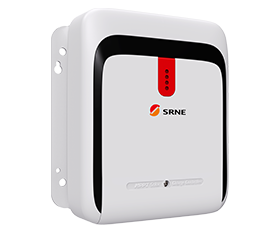
The ABP 4-10kW off grid inverter provides native 120/240Vac single/split-phase output across six power classes for standard 120V circuits and larger 240V loads.
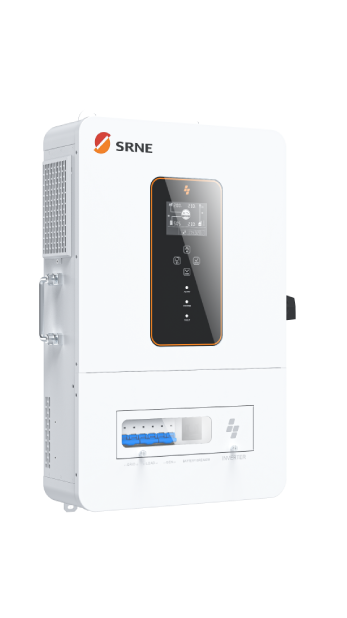
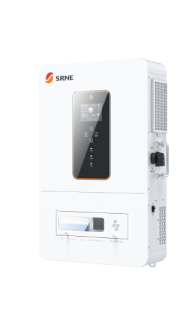
Dual MPPT with Up to 550V PV Input
Two MPPT channels let separate PV sections track independently. The series uses up to a 550Vdc ceiling, while the 8-10kW group supports up to 11kW PV input for larger off grid solar inverter systems.
Scalable 48V Storage and High Charging Current
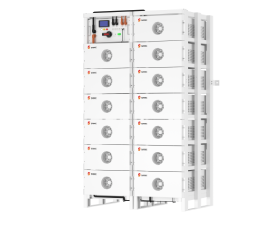
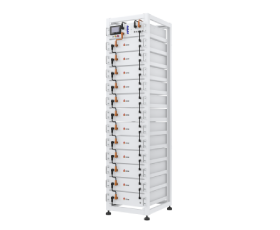
The 48V platform supports 1-6 units in parallel, while charging rises to 200A on the 10kW model. This gives the 10 kW inverter stronger battery recovery and an expansion path.
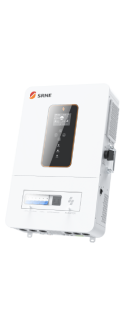

North American Off-Grid Homes
Native 120/240Vac output allows the split phase inverter to serve both everyday 120V circuits and 240V appliances from the same system. This is useful in remote homes where the power system must replace the functions normally provided by a utility service.
Solar, Battery and Generator Operation
SUB working mode supports grid-and-PV hybrid charging, while mains and generator inputs give the system controlled AC sources alongside the battery and solar array. That makes the 48V inverter useful where solar is the primary source but generator or grid power may still be available for charging or passthrough.
Higher-Load Systems That Need Expansion
Parallel operation supports up to six units, and six 10kW models can reach 60kW rated capacity. The 8-10kW group also provides a 63A bypass path for larger accepted AC loads, giving the 240V inverter series room to grow from a single residential system toward heavier off-grid power requirements.
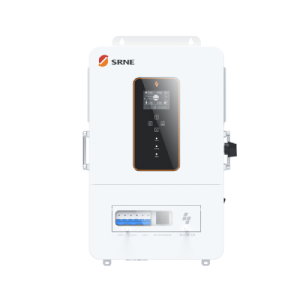
ABP 4-10kW Off-Grid System OVERVIEW
Download
Datasheet
User Manual
FAQ

How do I choose between the 4kW, 5kW, 6kW, 6.5kW, 8kW and 10kW ABP models?

Start with the continuous load, then check the largest simultaneous loads and any equipment with high startup demand. The ABP range keeps the same 120/240Vac single/split-phase concept while solar input and charging capability increase with power class. A 10 kW inverter makes sense only when the load profile and battery bank can use that capacity. Smaller homes may be better served by a lower model if their continuous demand, expansion plan and charging requirements do not justify the larger inverter. Leave practical headroom if the home or workshop is likely to add larger loads later.
What does the 1+1 MPPT arrangement mean in practice?
It means the solar array can be divided into two independently tracked sections instead of forcing both strings to operate at one shared maximum-power point. That can help when roof orientation, shading or string layout differs between two PV groups. The ABP product data lists a maximum open-circuit voltage of 550Vdc + 550Vdc across the two inputs. For an off grid solar inverter, string voltage and current still need to be calculated from the selected modules and site temperature.
Why is the 200A charging figure relevant on the 10kW model?
A higher-power off-grid system can remove energy from the battery more quickly, so charging capability needs to scale with the load and storage bank. ABP48100U200-H supports up to 200A solar charging, and SRNE also lists 200A maximum mixed charging for the 10kW group. A 48V inverter does not automatically require charging at the maximum current; the battery manufacturer or BMS may specify a lower limit. The final setting should protect battery life and remain within cable and protection ratings.
How does SUB mode change the way the system uses available power sources?
SUB mode is intended to coordinate utility and PV charging rather than treating AC input as a simple manual backup source. Together with automatic grid/generator source selection, it gives the ABP another way to manage changing source availability in an off-grid or weak-grid installation. For a split phase inverter system, this can reduce manual switching when solar production changes, but the selected operating mode should still match the user's priorities for battery charging, fuel use and grid dependence.
What is the purpose of the 63A bypass on the 8-10kW ABP models?
The bypass path allows accepted grid or generator power to feed larger AC loads directly instead of requiring all load power to be produced from the battery through the inverter stage. SRNE lists a 63A bypass for the 8-10kW group. This can be useful when the AC source is available and household demand temporarily exceeds normal battery-derived operation. In a 240V inverter installation, bypass capacity should still be coordinated with breakers, conductors, source capacity and downstream load distribution.
If six 10kW units can reach 60kW, can I simply add inverters later without redesigning anything?
No. The parallel capability gives the ABP a defined expansion path, but increasing inverter count also changes battery current, PV allocation, AC conductors, breakers, communications and system-level protection. Six 10kW units can reach 60kW rated capacity, but a larger 10kW solar inverter installation needs to be engineered as a complete system. If future expansion is likely, it is better to reserve electrical capacity, battery capability and installation space from the beginning. Reserving breaker space, cable routes and battery capability early makes later expansion easier.