







































60kW Hybrid Inverter and Battery Storage System for a Factory in Poland
Project Overview
A factory in Poland requires a stable electricity supply for production equipment, machinery, and daily operations. Its electricity demand varies depending on production schedules and the number of machines operating at the same time.
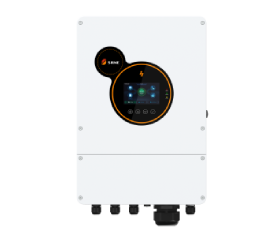
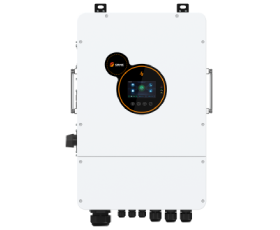
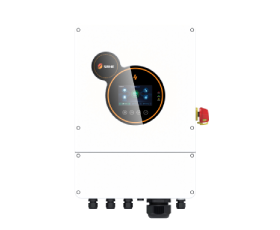
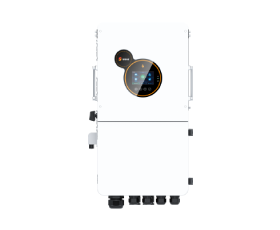
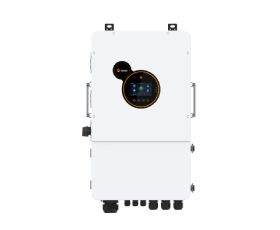
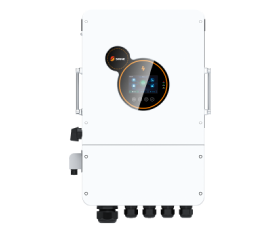
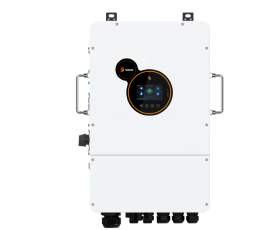
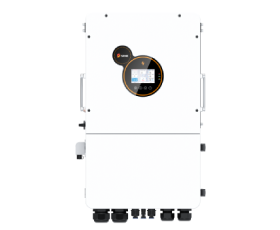
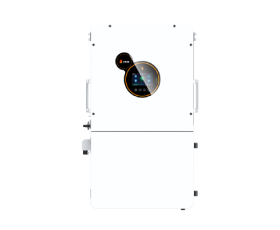
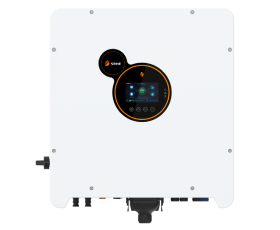
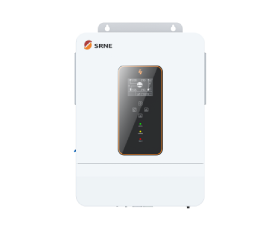
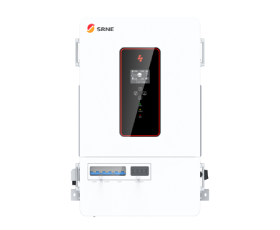
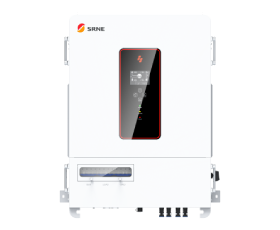
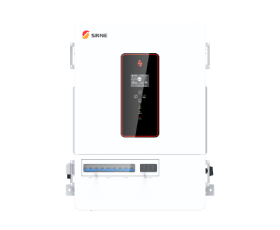
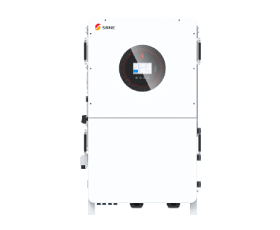
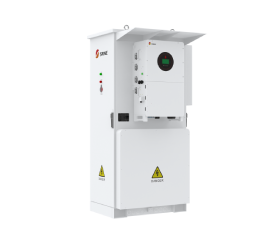
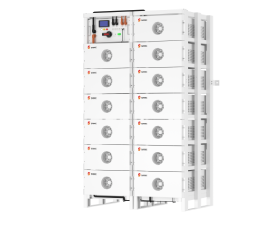
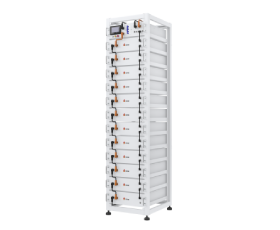
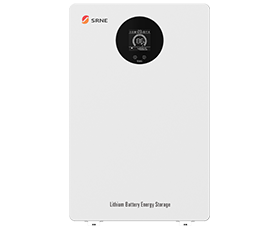
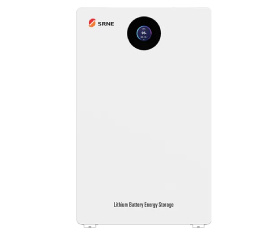
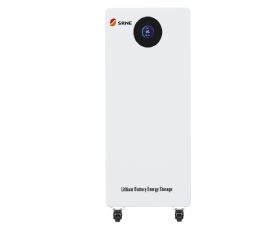
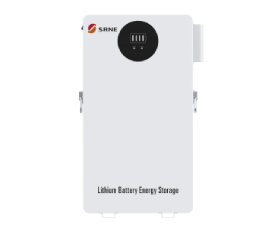
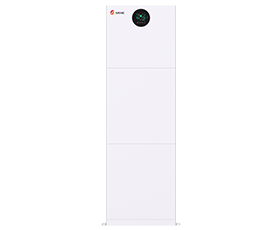
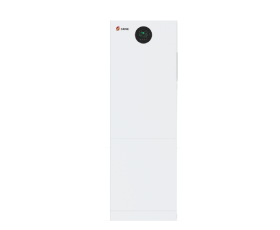
The factory installed five SRNE HESP 12kW hybrid inverters and ten SE15B lithium batteries, with a combined inverter capacity of 60kW and a total battery storage capacity of 143.3kWh.
SRNE HESP 12kW Inverters and Industrial Energy Storage System Configuration
| Item | Configuration |
| Project Location | Poland |
| Application Scenario | Industrial Factory |
| System Type | Hybrid Inverter and Battery Energy Storage System |
| Inverters | 5 × HESP 12kW Hybrid Inverters |
| Energy Storage Batteries | 10 × SE15B Lithium Batteries |
| Combined Inverter Rating | 60kW |
| Total Battery Capacity | 143.3kWh |
Hybrid Inverter and Battery Storage Solution for Industrial Electricity Demand
During factory operations, electricity demand can increase when multiple machines are running at the same time. The hybrid inverter system helps distribute available power to support production activities.
Excess electricity can be stored in the battery system for later use. During periods of higher electricity demand or power interruptions, the batteries can supply additional power to essential factory equipment.
This arrangement allows the factory to use stored energy when needed, helping manage power fluctuations and reduce disruptions to production.
Highlights of the Industrial Battery Energy Storage Solution
1. Five HESP 12kW Inverters Form a 60kW Configuration
Instead of using one large inverter, the system combines five HESP 12kW hybrid inverters to provide a total rated capacity of 60kW. This makes the multi-unit system architecture a defining feature of the factory installation.
2. Ten SE15B Batteries Provide 143.3kWh of Storage
Each SE15B battery has a nominal energy capacity of 14.33kWh. Ten units provide a combined capacity of 143.3kWh, giving the system a substantial amount of stored energy for configured industrial energy management applications.
3. Separate Planning of Output Power and Stored Energy
The 60kW inverter configuration and 143.3kWh battery bank address two different aspects of factory electricity management: the power available for connected loads and the energy available over time. Both must be considered alongside the factory's actual operating demand.
Summary
This industrial energy storage project in Poland demonstrates a system configuration built from five HESP 12kW hybrid inverters and ten SE15B lithium batteries.
With 60kW of combined inverter power and 143.3kWh of nominal storage, the installation provides a practical example of a multi-unit hybrid inverter system for factory electricity applications, where load requirements and battery capacity must be considered together.


