








































3KW vs 5KW Solar Hybrid Inverter:How To Choose The Right One
Many people, when purchasing a home inverter, will search online for a lot of related information, trying to figure out whether a 3kW solar hybrid inverter or a 5kW one is suitable for their own home, but they don’t have a standard in mind. This article is different,after reading it, it will overturn your previous understanding and allow you to have a standard in mind and make the correct choice.
This article mainly covers from basic knowledge to how to purchase a solar hybrid inverter. If you are interested, please continue reading.
What is a Solar Hybrid Inverter?
Quick Comparison: 3kW vs 5kW Hybrid Inverters
How to Choose the Right Hybrid Inverter
Step 1: Analyze Your Electricity Bill
Step 2: Consider Future Needs
Step 3: Battery Storage & Grid Independence
Step 4: Budget vs ROI
What is a Solar Hybrid Inverter?
When we are hesitating whether to choose a 3kW or 5kW solar hybrid inverter, the first thing we need to understand is the basic principle of the inverter. A solar hybrid inverter is a high-end power electronics device that integrates photovoltaic inversion, energy storage conversion, and intelligent energy scheduling. To put it simply, a solar hybrid inverter is like the brain of household energy, it can convert the electricity generated by solar panels into electricity that can be used at home, intelligently manage battery storage and grid power, ensuring that household appliances use electricity converted from solar power during the day, electricity stored in the battery at night, and automatically supplement from the grid when power is insufficient, guaranteeing stable and efficient electricity usage at home.
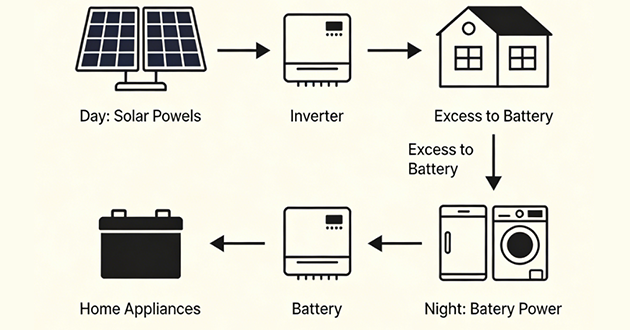
Hybrid inverters can not only convert the DC electricity generated by solar panels into usable AC electricity, but also have the ability to interact bidirectionally with battery storage systems and the grid. Therefore, solar hybrid inverters have become the first choice for every household.
After understanding the principle, most people will have many questions: “Should I choose 3kW or 5kW? Which one is better? Which one is suitable for my home? Which brand of hybrid inverter is practical?” Below is a simple comparison table, let’s do a quick test first.
Quick Comparison: 3kW vs 5kW Hybrid Solar Power Inverter
Feature | 3kW Solar Hybrid Inverter | 5kW Solar Hybrid Inverter |
Suitable Household | Small family, 1–3 people | Medium to large family, 4+ people |
Typical Appliances | Lighting, fan, TV, fridge, 1 AC | Multiple ACs, electric oven, washer-dryer |
Daily Energy Output | ~12–15 kWh | ~20–25 kWh |
Roof Area | ~15–20 m² (8–12 solar panels) | ~30–35 m² (12–16 solar panels) |
Battery Compatibility | 24V or 48V | Usually 48V, supports large-capacity storage |
Comparing this table provided by SRNE, you should have a simple idea in mind. Don’t rush, below are the selection steps, guiding us step by step to choose the hybrid inverter capacity that truly suits us.
How to Choose the Right Hybrid Solar Inverter
Step 1: Analyze Your Electricity Bill
To ensure the household’s daily electricity usage and avoid having to rely on grid electricity due to insufficient hybrid inverter power, we first need to clarify daily or monthly electricity consumption. SRNE engineers use SolarPVSizer or similar industry tools, check the electricity bills of the past 12 months, calculate the monthly usage, and then compute the average daily electricity consumption. Using my real example as reference, last year my household used about 450 kWh per month, which calculates to roughly 15 kWh per day. After the SRNE engineer completes this calculation, they have a basic understanding of my household electricity usage.
If you want to try calculating the daily consumption by yourself based on household appliances, see the article “Choosing the Right Model of Hybrid Inverter” which explains the formula for calculating appliance capacity.
Step 2: Consider Future Electricity Needs
After measuring, SRNE engineers also mentioned: we shouldn’t only look at current consumption, but also consider the possibility of future increased electricity load. If we choose a hybrid inverter roughly based on current usage, later when we get new household appliances such as central air conditioning, electric ovens, etc., the instantaneous power may become very high, exceeding the current budget.
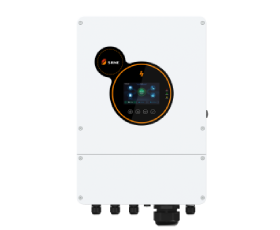
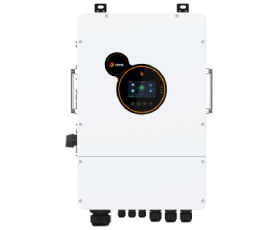
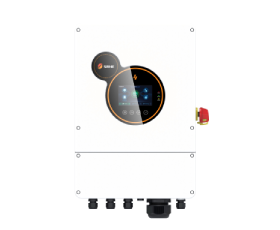
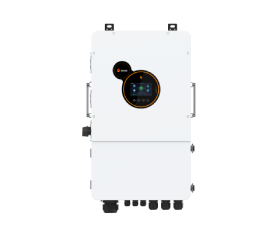
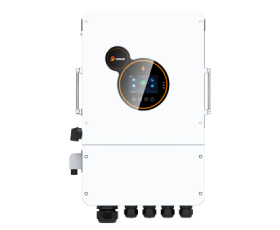
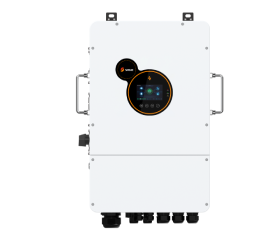
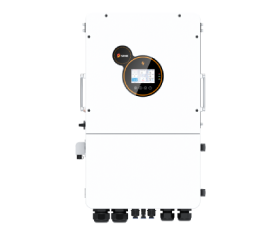
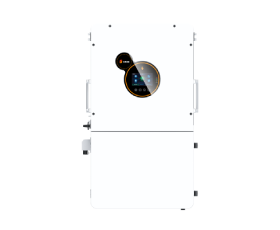
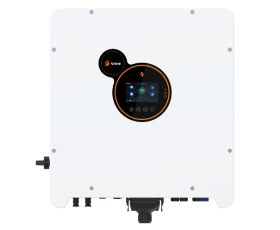
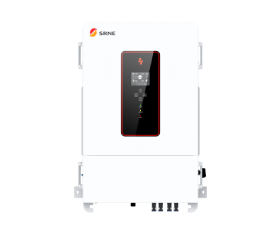
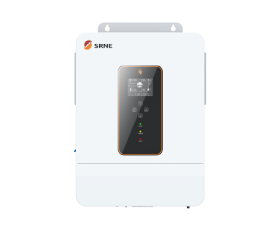
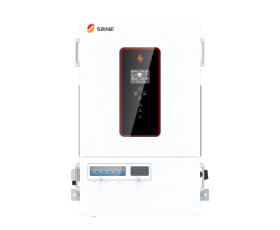
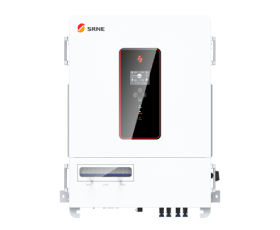
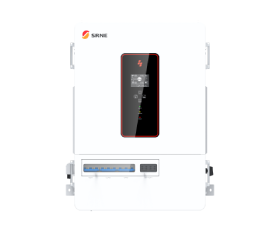
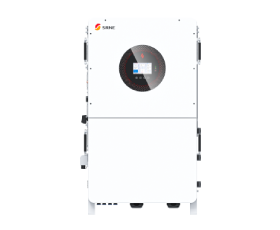
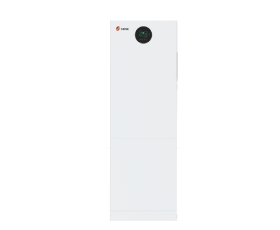
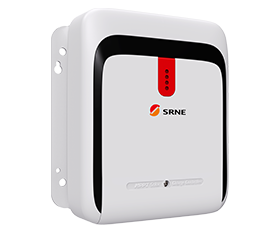
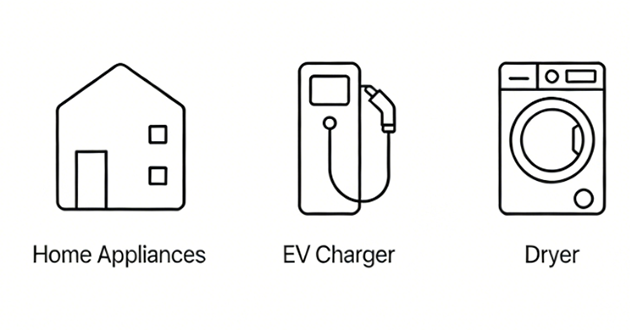
For example, in my home, living in a neighborhood with unstable voltage, a family of four, our household appliances include an electric oven (2 kW), water heater (1 kW), etc. Later we decided to purchase a 3–7 kW home EV charger and a 2–3 kW dryer. SRNE engineers recommended a 5 kW solar hybrid inverter and suggested the SRNE HESP 3.6–6kW single phase low voltage hybrid Inverter, which meets the current power demand and can also prepare for future high-power appliances.
Step 3: Battery Storage & Grid Independence
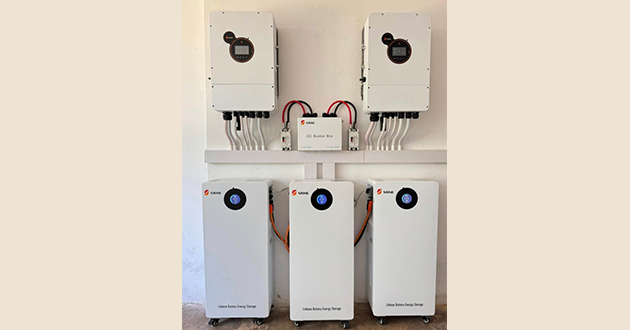
Of course, just purchasing a solar inverter is often not enough. It can only help convert DC electricity from solar panels into AC electricity, but it also has a powerful function called “intelligent scheduling.” We also need to configure a battery storage system to maximize the use of solar resources.
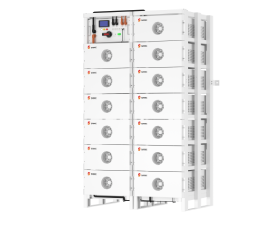
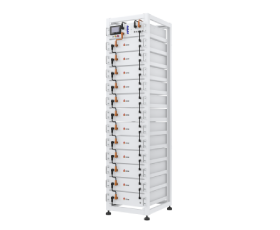
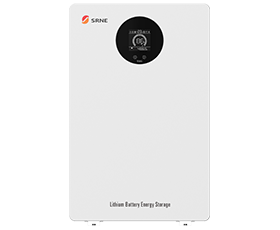
Although SRNE’s HESP 3.6–6kW hybrid inverter has a built-in advanced intelligent scheduling system that can monitor loads in real time, intelligently arrange the order of electricity usage, provide stable power during peak times, and supply power independently during outages, if there is no battery storage, many of these advantages cannot be realized. This is why it is a key point to consider.
Industry case studies in the solar sector show: without a battery, the self-consumption rate of household PV systems is usually only 25%–40%, while with battery storage it can increase to 60%–90%. A study based on smart meter data in Arizona, USA, also found that households with storage systems significantly reduced grid electricity purchases and prioritized using stored power during peak electricity pricing periods, ultimately reducing overall electricity expenses.
Step 4: Budget vs Investment Return
The last step is to consider whether a 3 kW hybrid solar inverter or a 5 kW hybrid inverter offers better budget and return. Generally, a solar system is not just an equipment purchase decision, but also a long-term energy investment decision. Reasonably evaluating our current budget and return can help us choose the right system size.
Each household has different needs. If we only need to meet basic electricity requirements, a 3 kW hybrid inverter can be chosen, and its price is lower than a 5 kW inverter. However, in terms of electricity utilization and cost savings, it cannot match a 5 kW inverter. In actual cases, the ROI of a 5 kW is about 1–6% higher than that of a 3 kW inverter (for reference only). From a long-term perspective, choosing a 5 kW hybrid inverter is the right choice.
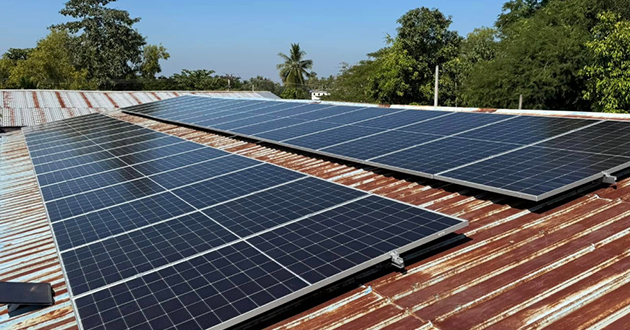
This also explains why the SRNE HESP 3.6–6kW solar inverter is so popular. Whether for small or medium households, it avoids resource waste and can supply independent power without relying on the grid.
Conclusion
After reading, you have already made a clear choice in your mind. Whether it is a small household or a medium household, we all need to consider the future. Nowadays, many countries and regions provide solar installation subsidies, battery subsidies, and so on, which can all reduce the initial system cost and shorten the payback period. If there are still some questions, then contact our SRNE engineers first; they can help answer your detailed questions.
Read more:
What is a Three Phase Hybrid Inverter?
Will I Save Power if I Switch Off the Hybrid Inverter When Not Using?
