







































Which Is Better, a 24V or 48V Inverter?
This article will compare 24V and 48V inverters from different aspects to help you select the right solution based on your actual power needs.
What Is the Difference Between a 24V Inverter and a 48V Inverter?
Comparison | 24V Inverter | 48V Inverter |
Suitable system size | Small to medium systems | Medium to large systems |
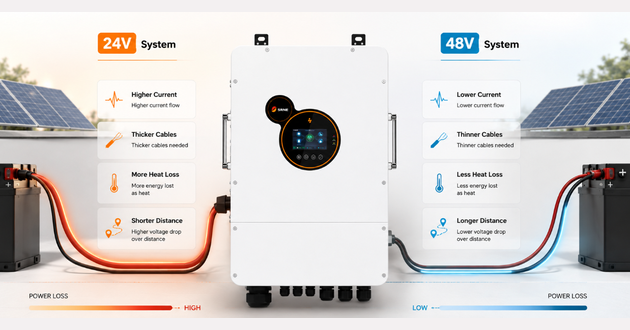
Current requirement at the same power output | Higher current | Lower current |
Cable requirements | Requires thicker cables for high-power applications | Easier cable selection for high-power applications |
Power loss | More noticeable in long-distance or high-load applications | Usually lower |
Battery system voltage | 24V battery system | 48V battery system |
High-power load capability | Suitable for moderate loads | Better for high-power loads |
Future expansion | Limited expansion capability | Better for system expansion |
In general, a 24V inverter is more suitable for smaller and simpler power applications, while a 48V inverter is a better choice for systems that require higher output power or future expansion.
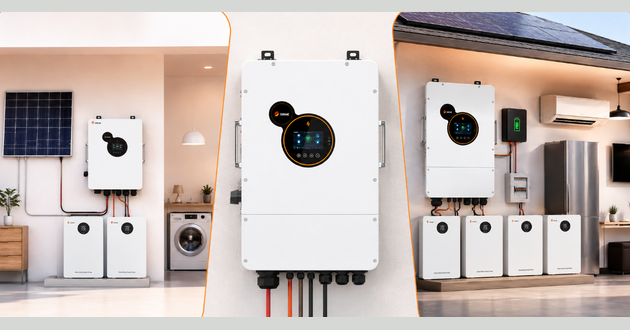
When Is a 24V Solar Inverter the Right Choice?
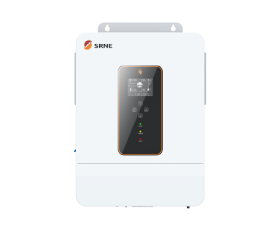
A 24V inverter is usually a practical option for systems where power demand remains relatively moderate and the overall setup does not require frequent expansion. It is often found in small off-grid solar systems, RV power solutions, cabins, backup power applications, and compact residential energy storage systems.
For users mainly powering essential loads such as LED lights, televisions, laptops, routers, and small refrigerators, a 24V system can provide enough capacity without adding unnecessary complexity. Compared with higher-voltage systems, it is easier to configure and can help keep the initial system cost under control.
Another situation where a 24V inverter makes sense is when the battery system is already built around 24V. In this case, keeping the same voltage architecture avoids replacing battery banks or redesigning the DC side of the system, making upgrades simpler and more cost-effective.
However, a 24V solution is not designed for every application. If the system is expected to run multiple high-power appliances at the same time or expand significantly in the future, moving to a higher-voltage configuration may provide better long-term flexibility.
When Should You Choose a 48V Inverter?
A 48V inverter becomes a better choice when the system needs to handle higher power output, longer operating hours, or future expansion. It is widely used in larger residential solar systems, hybrid solar installations, home energy storage projects, and off-grid applications with higher electricity demands.
The main advantage of a 48V system is that it can deliver the same power with lower current compared with a 24V configuration. This difference becomes important as system capacity increases because lower current helps reduce cable losses, limit heat generation, and simplify the selection of wiring and protection components.
For example, systems running air conditioners, water pumps, kitchen appliances, or other high-startup-power equipment can benefit from the stronger power handling capability of a 48V inverter. It is also a better foundation for users who plan to add more batteries, increase solar capacity, or expand their energy storage system later.
Although a 48V inverter may require a higher initial investment, the overall system design is often more efficient and easier to scale when moving into the 3kW, 5kW, or higher power range.
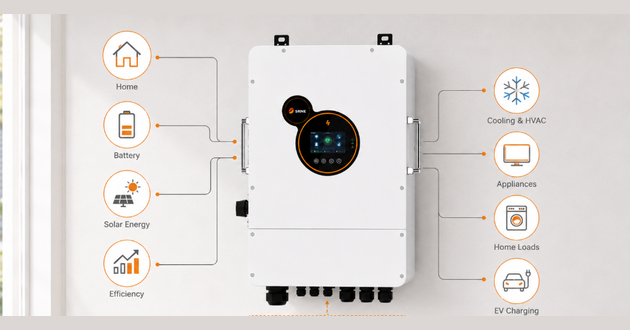
Is a 24V or 48V Energy Storage Inverter More Cost-Effective?
The cost difference between a 24V inverter and a 48V inverter is not simply determined by the inverter price. A complete solar or energy storage system also includes batteries, cables, protection devices, installation materials, and possible future upgrades.
For smaller systems, a 24V inverter can be a cost-effective choice because the overall configuration is simpler. Battery options are widely available, and the required components are usually easier to match. For applications such as small off-grid systems, RV power, or basic backup electricity, avoiding unnecessary system upgrades can help reduce the initial investment.
The situation changes when the system power increases. Because a 24V system requires higher current to deliver the same output power, it may need larger cables, higher-rated connectors, and additional attention to electrical protection. These factors can increase installation complexity and affect the total project cost.
A 48V inverter may have a higher upfront cost, but it can provide advantages in larger systems by reducing current requirements and improving system scalability. This makes it a more suitable option for users who plan to expand battery capacity, increase solar input, or operate higher-power appliances in the future.
Therefore, the better choice depends on the size and purpose of the system. A 24V inverter is often more economical for smaller applications, while a 48V inverter usually provides better long-term value for medium and large energy storage systems.
How to Choose Between a 24V and 48V Inverter?
Choosing between a 24V inverter and a 48V inverter depends on your actual power requirements, battery configuration, application scenario, and future expansion plans.
A 24V system is usually suitable for smaller applications with moderate power demand, while a 48V system is often preferred for higher-power solar and energy storage projects. Before making a decision, several key factors should be considered.
1. Evaluate Your Power Requirements
The first step is to determine what devices the inverter needs to support and their total power consumption.
Small backup systems that mainly power lighting, computers, TVs, and small refrigerators usually do not require a high-voltage configuration. In these cases, a 24V inverter can provide a simple and cost-effective solution.
However, if the system needs to operate high-power loads such as air conditioners, water pumps, or multiple household appliances at the same time, a 48V inverter is generally a better choice.
Users should also consider startup power, especially for motor-driven equipment. Devices such as pumps and compressors may require much higher power during startup than during normal operation.
2. Match the Inverter with Your Battery System
The inverter voltage must always match the battery system voltage.If your existing system uses a 24V battery bank, choosing a compatible 24V inverter can avoid replacing batteries or modifying the DC system.
For new solar energy storage projects, the battery voltage can be selected based on system size. Smaller systems may work well with 24V configurations, while larger systems usually benefit from 48V architectures because they require lower current and provide better expansion capability.
3. Select Based on Application and Future Expansion
The application scenario is another important factor when choosing between a 24V inverter and a 48V inverter.
A 24V inverter is commonly used for small off-grid systems, RV power solutions, cabins, and basic backup power applications.
For larger residential solar systems, hybrid solar systems, and energy storage projects, a 48V inverter provides better performance and flexibility.
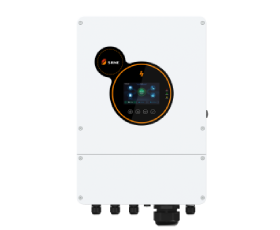
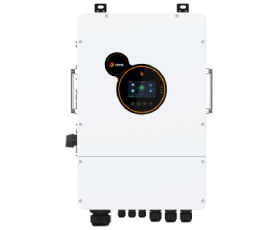
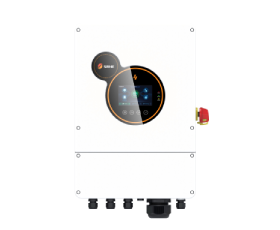
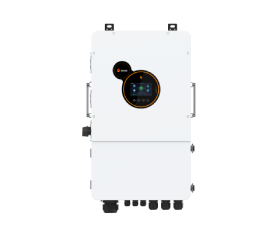
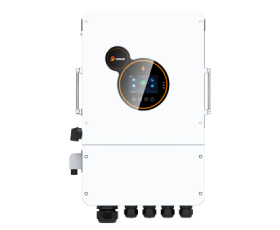
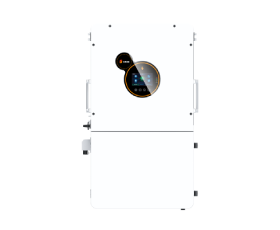
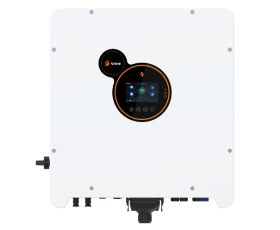
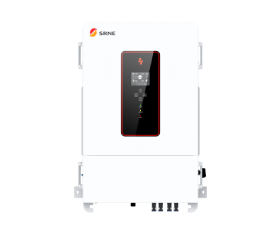
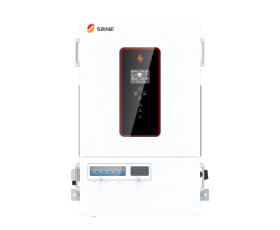
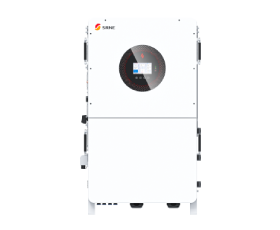
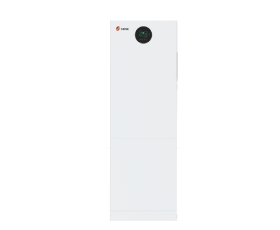
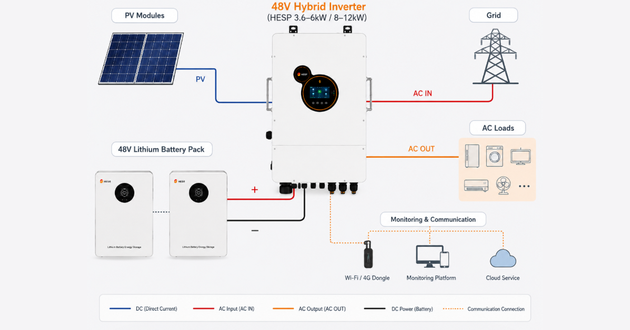
For example, the SRNE HESP 3.6–6kW low-voltage hybrid inverter uses a 48V battery architecture and supports power ranges from 3.6kW to 6kW, making it suitable for residential solar, energy storage, and off-grid applications.
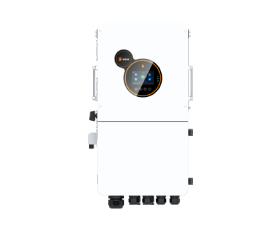
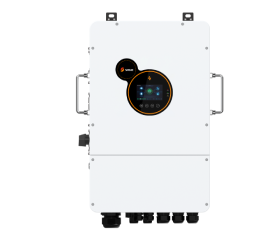
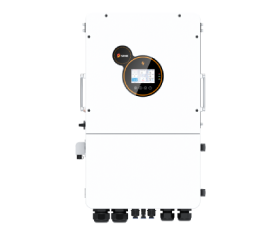
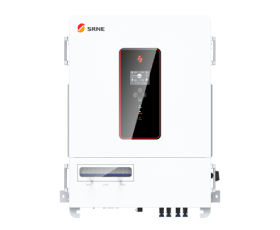
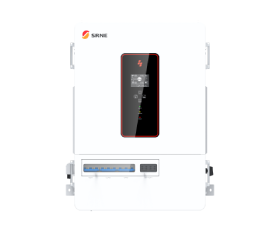
For higher power requirements, the SRNE HESP 8–12kW series provides 8.8kW, 10kW, and 12kW options for larger residential systems and backup power applications.
4. Consider Future System Expansion
Many users only consider current electricity needs but overlook future upgrades.If you plan to add more batteries, increase solar capacity, install additional appliances, or expand your energy storage system, choosing a 48V inverter from the beginning can provide more flexibility.
A suitable inverter should not only meet today's requirements but also support the future development of your power system.
Conclusion
There is no single best choice between a 24V inverter and a 48V inverter. The right option depends on your power demand, battery configuration, application requirements, and future plans.
For smaller systems with limited loads, a 24V inverter can be a practical and economical solution. For larger solar energy systems, higher-power applications, or future expansion needs, a 48V inverter is usually the better choice.
If you are unsure which inverter configuration fits your system, contact SRNE with your load requirements and application details. Our team can help you select the right inverter solution.
