



































How to Connect a Hybrid Solar Inverter to a Diesel Generator in Nigeria
In Nigeria, maintaining a stable electricity supply can be challenging for both homes and businesses. Solar panels and battery storage provide an alternative source of electricity, but during extended grid outages or periods of low solar production, a diesel generator may still be needed to cover additional power demand.
According to the World Bank's 2025 Enterprise Surveys, 82.49% of Nigerian firms experienced electrical outages. This illustrates why backup power remains an important consideration for businesses that depend on continuous electricity for production, refrigeration, and daily operations.
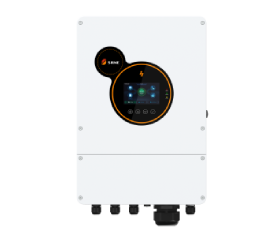
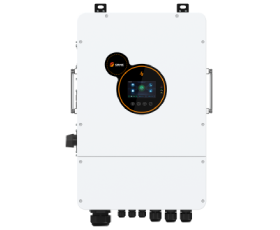
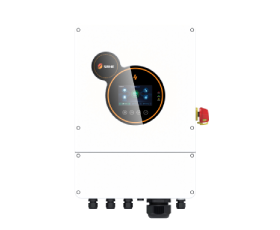
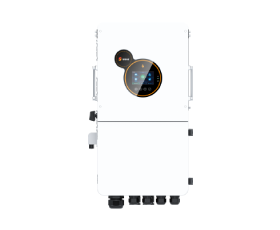
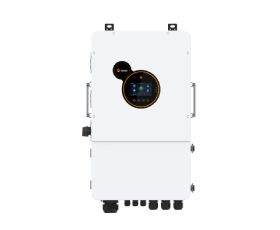
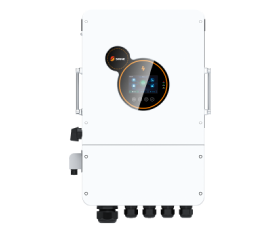
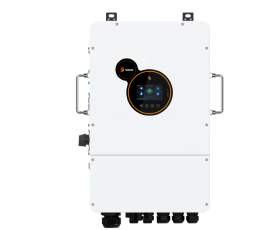
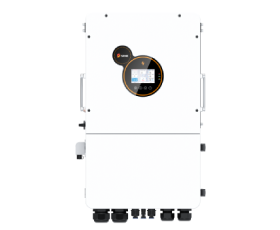
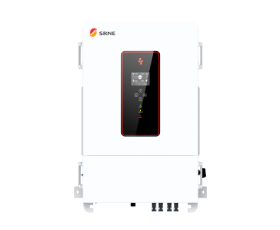
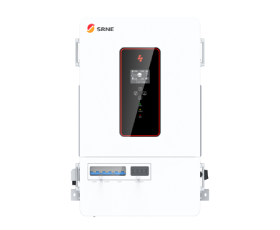
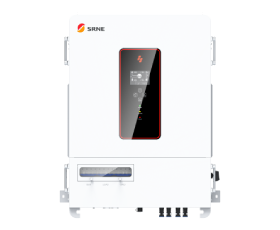
Combining a hybrid solar inverter with a diesel generator allows you to use solar energy, battery storage, and generator power within one system. However, the generator must match the inverter's AC input requirements, and its capacity must account for both connected loads and battery charging. In this guide, we explain how to plan the connection, select a suitable generator, and configure the system using the SRNE HESP48160SH3 16kW three-phase hybrid inverter as a practical example.
Can a Hybrid Solar Inverter Work with a Diesel Generator?
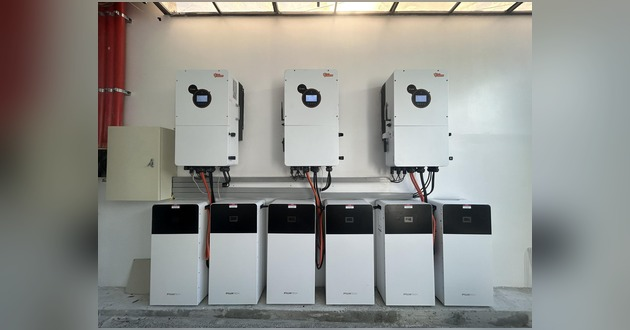
Yes. A compatible hybrid solar inverter can accept electricity from a diesel generator to supply connected loads and charge batteries when solar generation or stored energy cannot meet demand.
In this configuration, solar panels generate electricity during the day, while batteries store surplus energy for later use. When solar production decreases or battery capacity becomes insufficient, the generator can provide additional AC power through the inverter's generator input. This gives you another electricity source without operating the solar and generator systems as completely separate arrangements.
This configuration is particularly relevant to Nigeria's energy market. The World Bank Group's May 2025 Nigeria Country Private Sector Diagnostic reports that the country's electricity grid meets only 19.5% of domestic demand, while millions of homes and businesses continue to rely on diesel generators. The report also identifies solar energy as an area with potential for private investment. For homes and commercial facilities, combining solar, battery storage, and generator power provides another way to manage electricity supply during grid interruptions.
How Do You Connect a Diesel Generator to a Hybrid Inverter?
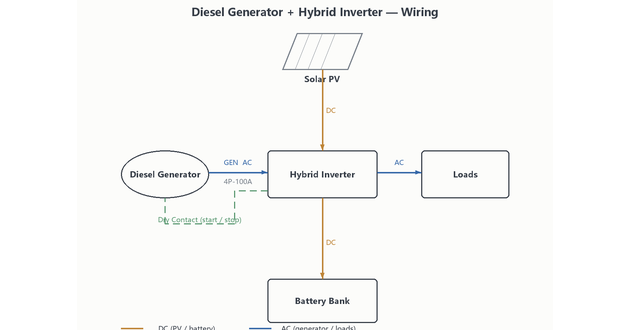
Before connecting a generator, check the inverter's designated input terminal, electrical ratings, and connection diagram. The generator must meet the inverter's AC input requirements, and the correct operating mode must be selected.
Select the Correct Generator Input Mode
The HESP48160SH3 GEN port supports three operating modes: Generator Input, Micro-Inverter Input, and Smart Load Output. When connecting a diesel generator, select Generator Input under Generator Work Mode. The other two settings serve different purposes and should not be used for a standard generator connection.
Check Generator Voltage, Frequency, and Phase
The HESP48160SH3 is a three-phase hybrid inverter with a rated AC configuration of 230V phase-to-neutral and 400V phase-to-phase. According to its official user manual, the generator input supports phase voltage from 170–280V, line voltage from 305–485V, and a frequency of 50/60Hz, with a maximum generator input current of 70A.
Before connecting the generator, measure its output under operating conditions and check the phase sequence, neutral, and protective earth. These measurements help confirm that the generator is compatible with the inverter rather than relying only on its nameplate rating.
Follow the Generator Wiring and Protection Requirements
For the HESP48160SH3, the user manual specifies a 21mm² / 6AWG cable for the generator connection (L1/L2/L3/N) and a 4-pole 100A circuit breaker. These specifications apply to this particular model. Cable selection, protective-device coordination, and grounding must also account for the actual installation conditions and applicable electrical requirements.
All AC connections should be completed by qualified personnel after isolating the relevant power sources. You can refer to the official HESP user manual for the terminal diagram and model-specific installation instructions.
SRNE HESP48160SH3 Generator Input Specifications
| Technical Parameter | Specification |
| Inverter Model | HESP48160SH3 |
| Rated Output Power | 16kW |
| AC Phase Configuration | Three-phase |
| Rated AC Voltage | 230V / 400V |
| Generator Input Phase Voltage | 170–280V |
| Generator Input Line Voltage | 305–485V |
| Generator Input Frequency | 50/60Hz |
| Maximum Generator Input Current | 70A |
| Generator Connection Cable | 21mm² / 6AWG |
| Generator Circuit Breaker | 4P-100A |
The generator must operate within these input specifications for the inverter to accept its AC supply. Before installation, check the generator's rated output and actual operating conditions, particularly voltage, frequency, and phase configuration. The cable and circuit breaker must also follow the manufacturer's requirements and applicable local electrical standards.
What Size Diesel Generator Do You Need for a Hybrid Solar Inverter?
The right generator size depends on the connected loads, battery charging demand, and the inverter's maximum AC input capacity. Matching the generator's rated power directly to the inverter's output rating is not sufficient because the generator may need to support electrical equipment and battery charging simultaneously.
Calculate Your Total Electrical Load
Start by identifying which equipment needs to remain operational during a power outage. This may include air conditioners, refrigerators, water pumps, lighting, and production equipment. Add their running power together, then account for appliances with high starting-current requirements, particularly motors and compressors.
You should also distinguish between essential and non-essential loads. If some equipment can be switched off or operated in stages, the generator does not necessarily need to support the maximum connected load at all times. This gives you a more realistic estimate of the required capacity.
Include Battery Charging Demand
Once the operating load has been calculated, include the power required to recharge the batteries. For example, if a commercial facility requires 8kW to operate essential equipment and also needs additional power for battery charging, the generator must have sufficient continuous output to support both demands.
The HESP48160SH3 has a rated output power of 16kW and a maximum generator input current of 70A. These specifications describe different electrical characteristics: the first is the inverter's rated output power, while the second defines its maximum generator-side AC input current. The final generator selection should consider continuous output, operating voltage, phase configuration, load profile, and intended charging demand. There is no fixed generator-to-inverter power ratio suitable for every installation.
Can a Hybrid Inverter Charge Batteries from a Diesel Generator?
Yes. A compatible hybrid inverter can use generator power to recharge connected batteries while supplying electrical loads. This is particularly useful when solar production remains low for several days or when battery capacity needs to be restored during an extended grid outage.
The HESP48160SH3 includes a Generator Charging Enable setting and a Max. chg. curr. by gen. parameter. The first controls whether generator-based battery charging is permitted, while the second sets the maximum charging current. Its maximum generator charging current is 300A DC, referring to the battery-side charging current rather than the generator's AC output current.
When configuring this setting, follow the battery manufacturer's permitted charging current and BMS restrictions. If you are using lithium batteries, also verify that inverter-battery communication is working correctly. The actual charging current should reflect the battery's capabilities and the generator's available power, rather than automatically using the maximum value.
Can a Hybrid Inverter Automatically Start and Stop a Diesel Generator?
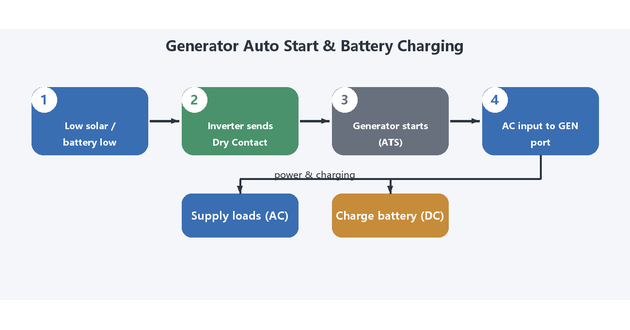
Yes, provided the inverter and generator support a compatible remote-control arrangement. This function allows the inverter to send a start or stop signal to the generator when the configured operating conditions are met.
The HESP48160SH3 provides a Dry Contact function for generator remote start and stop. According to its user manual, the generator must have an ATS and support remote start/stop. The Dry Contact supplies a control signal, not the electrical power needed to run the generator. Its designated terminals are pins 1–2 (Normally Closed) and pins 1–3 (Normally Open).
Before using this function, check the generator controller's remote-start requirements and confirm that its control circuit matches the inverter's terminal configuration. Having an ATS does not automatically mean that a generator supports remote operation, so both the power connection and control compatibility need to be verified.
Why Is a Hybrid Solar Inverter Not Accepting Generator Power?
If the inverter does not recognize or accept generator power, start by checking the generator's electrical output and the inverter's input configuration. The HESP48160SH3 user manual provides the relevant operating parameters and troubleshooting guidance for checking these conditions.
Generator Voltage or Frequency Is Outside the Input Range
Measure the generator's voltage and frequency while it is running under load. If the output falls outside the inverter's permitted input range, the inverter may reject the AC supply. Also check the phase sequence and neutral connections, particularly when using a three-phase generator.
The GEN Port Is Configured Incorrectly
Check the Generator Work Mode setting. If the GEN port is assigned to Micro-Inverter Input or Smart Load Output instead of Generator Input, it will not operate as intended for a diesel generator connection.
Battery Charging Is Disabled or Restricted
If the inverter accepts generator power but the battery does not charge, check whether Generator Charging Enable is activated. You should also review the maximum generator charging current and the battery's permitted charging limits. A disabled setting or BMS-imposed restriction may prevent the expected charging operation.
Wiring or Protective Devices Need Inspection
Check the generator-side breaker, cable connections, grounding, and relevant AC terminals. If the inverter displays a fault code, refer to the corresponding troubleshooting instructions in the user manual. This helps distinguish an electrical input problem from a configuration or battery charging issue.
What Should You Check Before Connecting a Diesel Generator to a Hybrid Inverter?
Before commissioning the system, confirm that the generator and inverter are compatible and that the battery charging and control functions are configured correctly. Check the generator's continuous output, voltage, frequency, and phase, then verify the inverter's input limits and the correct GEN connection mode.
Electrical protection and installation quality also need attention. The Nigerian Electricity Management Services Agency (NEMSA) publishes electrical safety rules and technical guidance, including guidelines for inspecting solar mini-grid installations. These provide a useful local reference for understanding the importance of electrical safety and installation compliance. For an individual inverter-generator installation, the specific requirements must still be checked against applicable standards and equipment manuals.
Once the connections and settings have been checked, test the generator under the expected operating load. Confirm that the inverter accepts the AC supply, connected loads operate correctly, and the battery charges within its permitted limits. Keeping the equipment specifications, wiring diagrams, and configuration records together will also make future maintenance easier.
Can the SRNE HESP48160SH3 Work with a Diesel Generator?
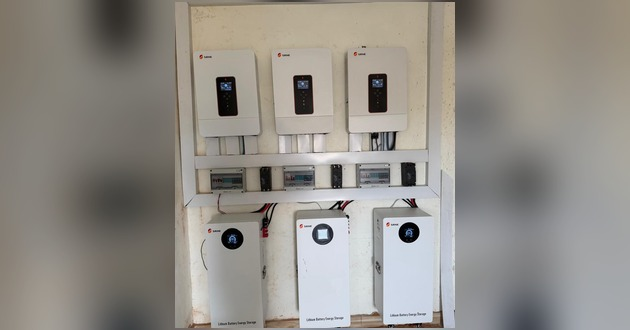
Yes. The SRNE HESP48160SH3 16kW three-phase hybrid inverter supports diesel generator input, battery charging, and compatible generator remote start/stop through its Dry Contact interface. These functions allow you to incorporate a generator into a solar and battery storage system.
The product's Generator Input mode, charging settings, and connection terminals are documented in the official user manual. If you are planning a project that requires a three-phase hybrid inverter with generator integration, you can review the SRNE HESP product information and official user manual for detailed electrical specifications and installation requirements.
Frequently Asked Questions
Can I use an existing diesel generator with a hybrid inverter?
Yes, provided its voltage, frequency, phase, and available continuous output meet the inverter's requirements. You should also account for the connected loads and any additional power needed for battery charging.
Can a diesel generator charge batteries and power appliances at the same time?
Yes. The SRNE HESP48160SH3 supports generator input for supplying loads and charging batteries simultaneously, subject to its AC input and battery charging limits.
Does the SRNE HESP48160SH3 support automatic generator start?
Yes. It provides a Dry Contact Generator Remote Start/Stop function. The connected generator must have an ATS and support remote start/stop as specified in the user manual.
Is the 300A generator charging current the same as the generator's AC output current?
No. The 300A specification refers to the maximum battery-side DC charging current. It is different from the generator's AC input current.
What happens if the generator frequency is unstable?
If the generator frequency falls outside the inverter's permitted input range, the inverter may not accept the supply. Check the generator's frequency under operating load and compare it with the inverter specifications.
Conclusion
A diesel generator can provide additional electricity and battery charging when solar generation and stored energy are insufficient. Reliable operation depends on choosing a suitable generator, matching its electrical output to the inverter, and configuring battery charging and generator control correctly.
When planning a solar-generator hybrid system in Nigeria, start with the actual electrical load and charging requirements rather than selecting a generator based only on the inverter's rated power. SRNE's HESP48160SH3 provides dedicated generator input, configurable battery charging, and Dry Contact control for compatible three-phase installations. Always follow the model-specific user manual when designing and commissioning the system.
References
World Bank – Enterprise Surveys: Firms Experiencing Electrical Outages in Nigeria (2025)
URL: https://data.worldbank.org/indicator/IC.ELC.OUTG.ZS?locations=NG
Used for: Statistics on the percentage of Nigerian firms experiencing power outages.
World Bank Group – Nigeria Country Private Sector Diagnostic (May 2025)
Source: International Finance Corporation (IFC) / World Bank Group
URL: https://www.ifc.org/content/dam/ifc/doc/2025/nigeria-country-private-sector-diagnostic-en.pdf
Used for: Nigeria's electricity supply gap, dependence on diesel generators, solar energy investment opportunities, and the country's energy market conditions.
Nigerian Electricity Management Services Agency (NEMSA) – Guidelines for the Inspection of Solar Mini-Grids in Nigeria
Source: Nigerian Electricity Management Services Agency
Used for: Electrical installation safety, technical inspection, and compliance considerations for solar energy systems in Nigeria.
SRNE – HESP 16–20kW EU Three-Phase Hybrid Solar Inverter Product Information
Source: SRNE Official Website
URL: https://www.srnesolar.com/productdetail/Hybrid-Inverter-HESP-16-20kW-EU.html
Used for: Product specifications and hybrid inverter features.
SRNE – HESP 16–20kW EU Three-Phase Hybrid Solar Inverter User Manual (V03)
Source: SRNE Official Technical Documentation
Used for: Generator input configuration, electrical connection requirements, battery charging settings, and Dry Contact generator control.