







































Can Solar Panels Power a House During a Power Outage?
You have solar panels on your roof, the sun is shining, but a neighborhood power outage leaves your house without electricity. Why can't your solar system keep the lights on?
The answer depends on your inverter and how your home is connected to the grid. Most rooftop solar installations are designed to generate electricity during normal grid operation, not to function as independent backup power systems.
Quick Answer: Yes, solar panels can power a house during a power outage, but only when the system supports independent backup operation. Conventional grid-tied solar systems usually shut down during blackouts. A properly configured backup-capable inverter, battery storage, and suitable electrical isolation equipment can keep essential appliances running. Some specialized systems can also provide limited daytime electricity without batteries.
Why Do Solar Panels Stop Working During a Power Outage?
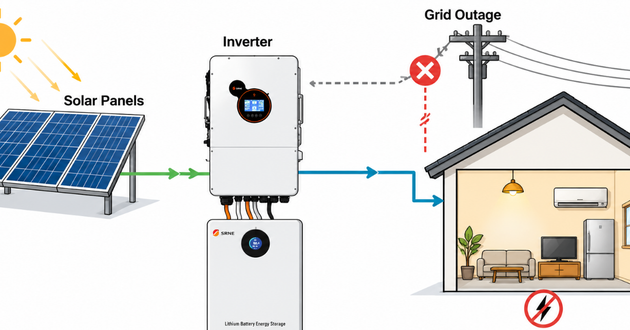
A conventional grid-tied solar inverter converts electricity from solar panels into AC power synchronized with the utility grid. When the grid fails, the inverter automatically disconnects, even if the panels are receiving plenty of sunlight.
This safety function is called anti-islanding protection. It prevents electricity from flowing into utility lines that may be undergoing repairs.
Imagine your solar panels are capable of producing 4 kW on a sunny afternoon. If the utility supply suddenly fails, a standard grid-connected inverter will stop delivering electricity. The problem is not necessarily insufficient sunlight or a faulty solar panel. The system simply isn't designed to maintain a separate electrical supply.
To keep a home powered during a blackout, the installation needs a way to isolate household circuits from the grid and supply stable electricity independently.
Which Solar Power Systems Can Operate During a Blackout?
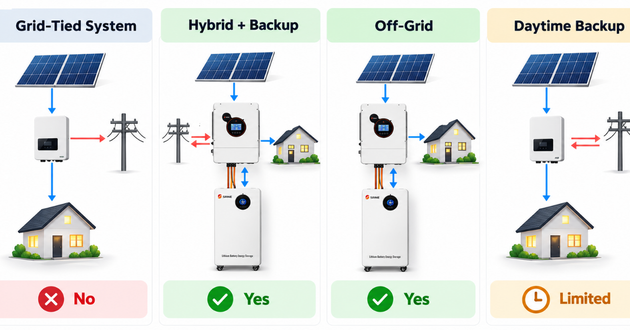
Not every rooftop solar installation responds to a power outage in the same way. The following comparison shows the main differences.
Solar System | Can It Supply Power During an Outage? | Main Limitation |
Conventional grid-tied system | No | Requires normal grid conditions |
Hybrid system with backup | Yes, when properly configured | Depends on backup output and available energy |
Off-grid system | Yes | Limited by solar generation and stored energy |
Specialized daytime backup | Limited daytime power | Depends on sunlight and supported loads |
A conventional grid-tied system generally stops operating when utility electricity is lost.
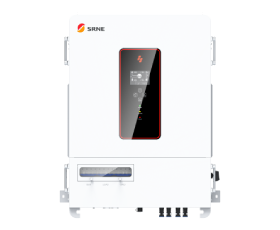
A system using a backup-capable hybrid inverter can disconnect from the utility grid and supply designated circuits from solar generation, battery storage, or both. However, not every hybrid inverter installation has its backup function connected or enabled.
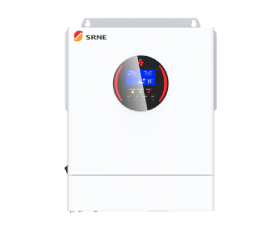
An off grid solar system works differently because it does not depend on utility electricity for normal operation. Its off grid solar inverter supplies household loads using available solar and stored energy.
There is also an exception worth understanding. Certain specialized systems can provide limited electricity directly from solar panels during daylight hours without batteries. Such systems require dedicated equipment and cannot reliably maintain power when sunlight changes or disappears.
For homeowners, the important question is therefore not simply what type of solar panels are installed, but whether the complete system is designed to operate safely without the grid.
What Equipment Allows Solar Panels to Power a Home During an Outage?
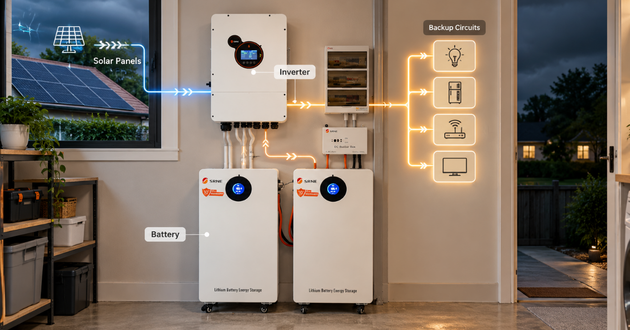
Three elements work together in a typical solar-plus-storage backup installation: an inverter that supports independent operation, a battery to store electricity, and suitable switching equipment to isolate the backed-up circuits.
The inverter determines how much power can be supplied at once. The battery determines how much stored energy is available. The electrical connections determine which parts of the home can receive that electricity.
1.Backup-Capable Inverter
A backup-capable inverter keeps electricity available to supported household circuits when the utility grid goes down. Beyond supplying enough power for everyday appliances, it also needs to manage the transition from grid electricity to backup operation.
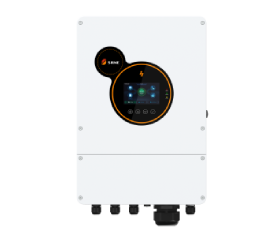
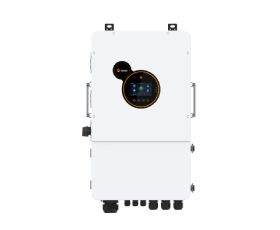
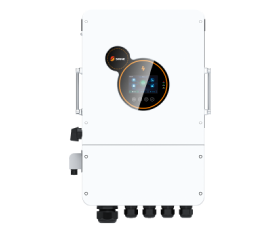
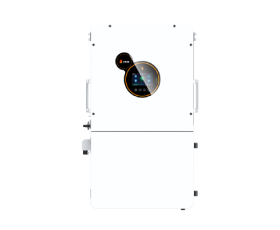
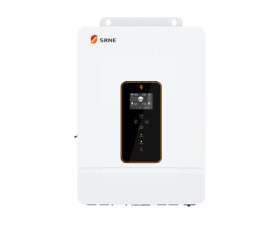
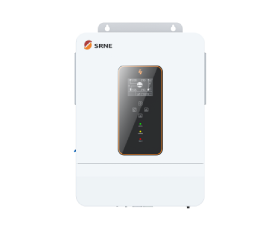
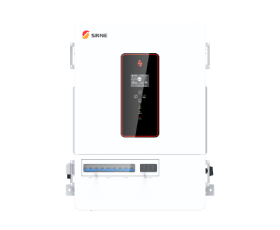
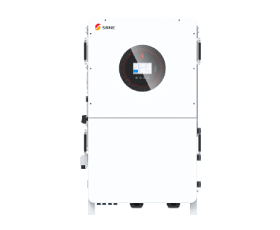
How quickly this transition happens can matter at home, particularly for devices that may restart when power is briefly interrupted. For example, the SRNE HESP 3.6–6kW EU hybrid inverter series has a typical backup transfer time of 10ms, illustrating how modern hybrid inverters are designed to reduce interruptions during the changeover.
However, a fast transfer does not guarantee uninterrupted operation for every appliance. Homeowners should also consider the inverter's backup output capacity and the power demands of the devices they want to keep running.
2.Battery Storage and Backup Connections
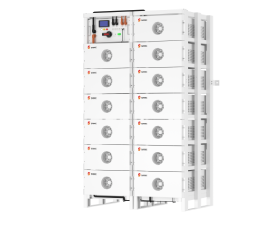
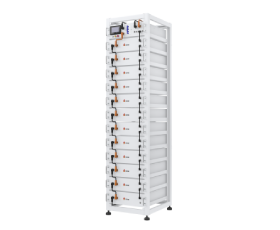
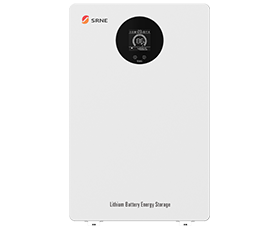
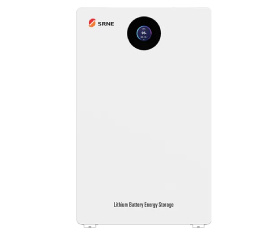
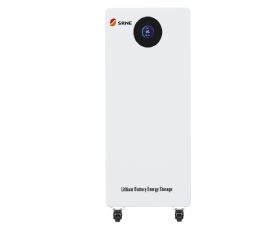
A battery allows a home to use stored electricity after sunset or when solar production falls below demand. Its capacity is measured in kilowatt-hours (kWh), while the inverter's output is measured in kilowatts (kW).
These ratings answer different questions: how long electricity may last and how much power the system can deliver at a particular moment.
The installation also needs approved isolation and switching equipment. Some homes have a dedicated essential-loads panel that keeps selected circuits running, while larger systems may be designed to supply most household circuits.
A battery alone does not guarantee backup capability. The electrical design must support safe independent operation, and the inverter and battery must be compatible.
How Long Can Solar Panels and Batteries Power a House?
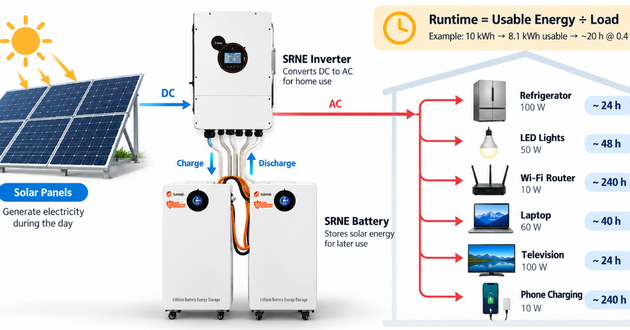
There is no single answer because electricity consumption differs considerably between households.
A home keeping only its refrigerator, lighting, and internet connection running may need relatively little stored energy. Adding air conditioning, electric water heating, or other large appliances changes the calculation significantly.
How Much Electricity Do Essential Appliances Use?
Consider a household that wants to keep several everyday appliances running during a blackout.
Appliance | Estimated Daily Energy Use |
Refrigerator | 1.20 kWh |
LED lighting | 0.36 kWh |
Wi-Fi router | 0.36 kWh |
Laptop | 0.24 kWh |
Television | 0.40 kWh |
Phone charging | 0.06 kWh |
Total | 2.62 kWh |
These figures are illustrative estimates. Actual consumption varies with appliance models, operating cycles, and usage habits.
This household would need approximately 2.62 kWh of electricity per day for the listed appliances, excluding additional system losses.
A home requiring whole home power backup would typically need considerably more inverter capacity and stored energy, particularly when several high-demand appliances operate simultaneously.
How to Estimate Battery Backup Time
A basic estimate uses the following formula:
Backup Runtime (hours) = Usable AC Battery Energy (kWh) ÷ Average Load (kW)
Suppose a home has a 10 kWh battery. For this example, assume 90% of its nominal capacity is available for discharge and 90% of that energy reaches the AC loads after conversion.
Usable AC energy:
10 × 0.90 × 0.90 = 8.1 kWh
If the average connected load is 400 W, or 0.4 kW:
8.1 ÷ 0.4 = 20.25 hours
Under those assumptions, the battery could theoretically support the average load for about 20 hours without additional solar production.
Actual runtime may be shorter because of inverter standby consumption, battery condition, temperature, reserve settings, and changing loads.
Solar panels can extend backup time when the system supports solar generation and battery charging during outages. However, the benefit depends on weather and how much electricity the household uses while the battery is charging.
How Can You Tell If Your Existing Solar System Supports Backup Power?
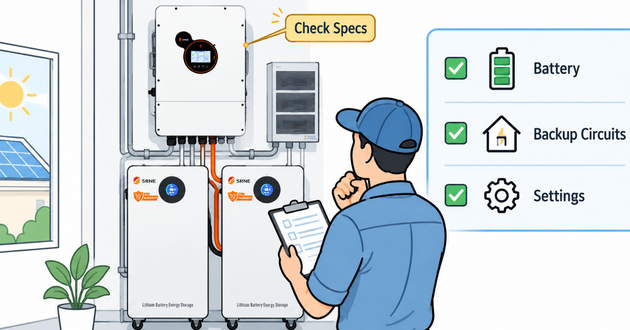
Having solar panels or a battery doesn't automatically mean your home has backup power. Start by checking your inverter's model and specifications for Backup Output, EPS, or Off-Grid Operation.
Then review your installation documents to confirm:
Battery configuration: Whether storage is connected and available for backup operation.
Backup circuits: Which household appliances and outlets will receive power.
Operating settings: Whether battery reserve levels or other conditions limit backup availability.
These details help establish what your existing solar inverter for home use can support during a blackout. If anything is unclear, ask your installer to verify the system rather than inspecting internal electrical connections yourself.
What Happens During a Long or Unexpected Power Outage?
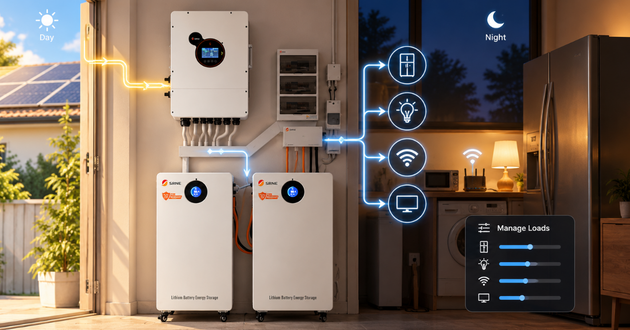
A short blackout may have little impact on a well-charged backup system. An outage lasting several days is different, especially when sunlight is limited.
During the day, solar generation may supply household loads and replenish the battery. After sunset, stored energy becomes the main power source. Consecutive cloudy days can gradually drain battery reserves if electricity consumption exceeds solar production.
The best approach is to adjust electricity use to available sunlight. Run nonessential appliances when solar generation is strongest, avoid unnecessary high-power loads, and reserve battery energy for nighttime essentials such as refrigeration, lighting, and communication.
Can You Add Backup Power to an Existing Solar System?
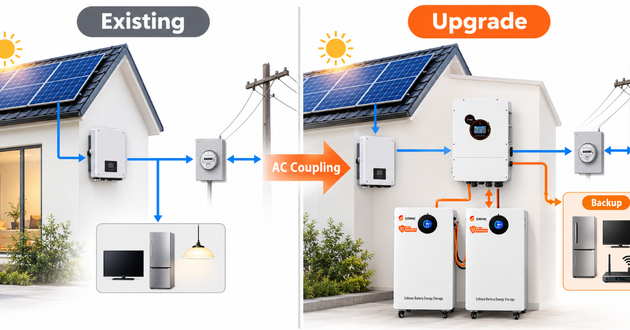
Many existing grid-tied solar installations can be upgraded for backup power without replacing their solar panels. Depending on equipment compatibility, homeowners may add an AC-coupled battery system or upgrade to a backup-capable hybrid inverter.
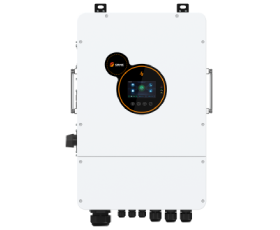
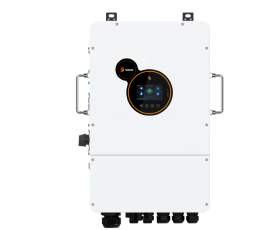
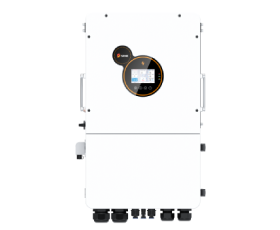
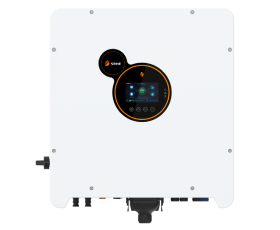
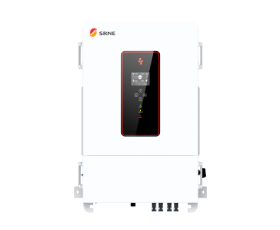
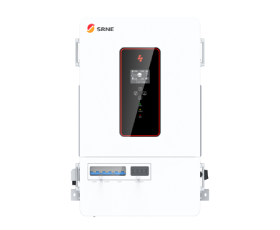
For example, the SRNE HESP 8–12kW EU single-phase hybrid inverter series supports AC coupling, which can help integrate compatible existing solar installations with battery storage. Backup operation still requires appropriate system configuration and electrical isolation.
The most suitable upgrade depends on existing equipment and the household's backup requirements. An installer can determine whether additional storage, inverter replacement, or changes to the electrical connections are necessary.
Frequently Asked Questions
1.Will Solar Panels Work at Night During a Power Outage?
Solar panels cannot generate electricity after sunset. However, a properly configured battery backup system can continue supplying supported household circuits using stored energy. How long it lasts depends on the remaining battery charge and electricity consumption.
2.Can Solar Panels Power an Entire House During a Blackout?
Yes, provided the backup system has sufficient inverter output and usable energy capacity. Homes with air conditioning, electric heating, or other high-power appliances typically require more capacity than systems designed for essential loads.
3.Does a Hybrid Inverter Automatically Switch to Backup Power?
Some hybrid inverters support automatic backup switching, but the function depends on the model, installation, and operating conditions. Transfer times vary, so devices that cannot tolerate even a brief interruption may need additional power protection.
4.Can Solar Panels Recharge Batteries While the Grid Is Down?
Yes, if the system supports solar charging during independent backup operation. Solar production can supply household loads and replenish battery storage, although charging performance depends on available sunlight and electricity demand.
5.What Happens When Grid Power Comes Back?
Most modern grid-connected systems can reconnect automatically once utility voltage and frequency return to acceptable levels. The inverter may wait through a required reconnection period before resuming normal operation, depending on its settings and local grid requirements.
Conclusion
Solar panels can keep a home powered during an outage, but only when the system is equipped for independent backup operation. The key is having the right inverter, battery storage, and electrical configuration to support your household's essential needs.
Before the next blackout, understanding your system's backup capabilities and energy requirements can help you prepare more effectively.
Looking to add reliable backup power to your home? Explore SRNE's hybrid inverter solutions or contact our team to discuss a suitable solar backup configuration for your existing system.
