








































How Much Is a Solar Inverter in the Philippines?
The price of a solar inverter in the Philippines usually ranges from PHP 20,000 to PHP 150,000+, depending on the inverter type, power capacity, battery compatibility, and system requirements. Small residential systems may require a lower-cost inverter, while hybrid and commercial solar systems with energy storage functions usually require a higher investment.
This guide explains the typical solar inverter price in the Philippines, the factors that influence cost, and how to select the right inverter for different applications.
Solar Inverter Price Range in the Philippines
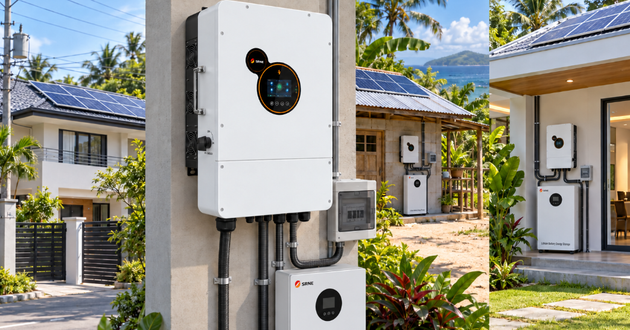
The cost of a solar inverter varies mainly based on its working mode and power capacity. The three most common types used in the Philippines are grid-tied inverters, off-grid inverters, and hybrid inverters.
Solar Inverter Type | Typical Application | Approximate Price Range |
Grid-tied inverter | Homes and businesses connected to the utility grid | PHP 20,000–70,000 |
Off-grid inverter | Remote areas without stable grid access | PHP 25,000–80,000 |
Hybrid inverter | Solar + battery storage + backup power systems | PHP 30,000–150,000+ |
The final cost depends on the inverter power rating, battery compatibility, efficiency level, communication functions, and supplier selection.
Different Types of Solar Inverters and Their Costs
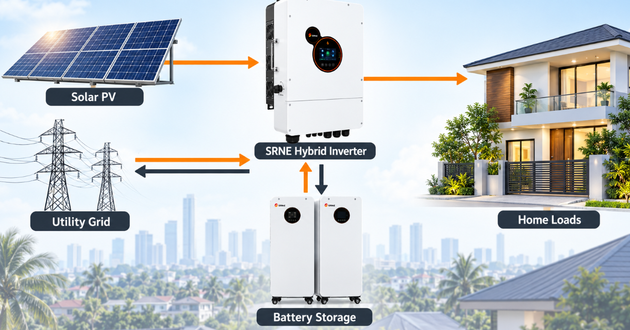
The price of a solar inverter in the Philippines depends largely on the type of system required. Grid-tied, off-grid, and hybrid inverters are the three main options available, each serving different energy needs — from lowering electricity costs to improving power availability in areas with unstable grid conditions.
1.Grid-Tied Solar Inverter
A grid-tied solar inverter is commonly used in residential and commercial solar systems that are connected to the utility grid. It converts solar energy into usable AC electricity and works alongside the grid to maximize solar power utilization. With a typical price range of PHP 20,000–70,000, it is a cost-effective choice for users who mainly want to reduce electricity expenses. Since battery storage is not normally included, these systems are generally not suitable for providing backup power during grid outages.
2.Off-Grid Solar Inverter
An off-grid solar inverter provides an independent power solution for locations where grid electricity is unavailable or unreliable. It is commonly used in remote homes, agricultural sites, islands, and other applications where maintaining a stable power supply is important. Prices usually range from PHP 25,000–80,000, with the system working together with battery storage to supply electricity when solar generation is unavailable.
3.Hybrid Solar Inverter
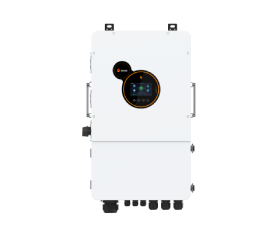
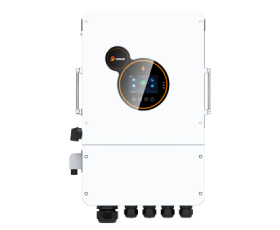
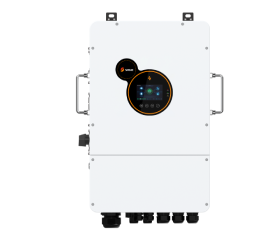
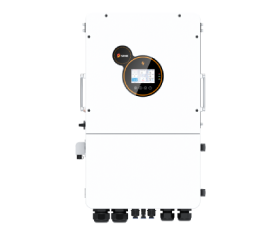
A hybrid solar inverter combines grid connection, solar power conversion, and energy storage management in one system. It enables users to make better use of solar energy while maintaining backup capability when grid power is interrupted. With prices generally ranging from PHP 30,000–150,000+, hybrid inverters are widely considered for residential and commercial projects that require both energy savings and greater power reliability.
What Factors Affect Solar Inverter Cost in the Philippines?
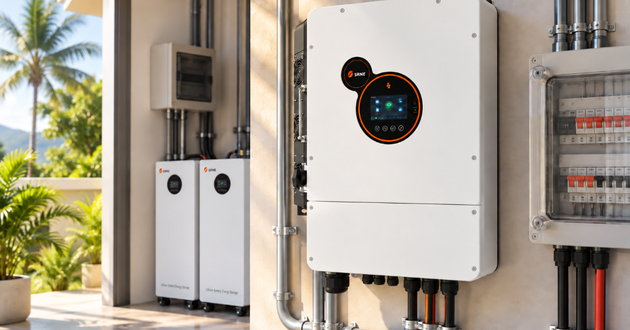
The price of a solar inverter in the Philippines depends on multiple factors, including inverter capacity, system configuration, battery compatibility, technical functions, and supplier support. These factors determine not only the initial equipment cost but also the suitability of the inverter for different energy requirements and applications.
1.Inverter Capacity and System Size
Inverter capacity is one of the main factors affecting the overall cost. Smaller residential systems commonly use 3kW or 5kW solar inverters for basic household electricity needs, while larger homes, commercial buildings, and industrial projects may require 8kW, 10kW, or higher-capacity models to support larger solar arrays and heavier electrical loads. The inverter size should be selected based on electricity consumption, peak load requirements, solar panel capacity, and future expansion plans.
2.Battery Compatibility and Energy Storage Requirements
Battery compatibility can also influence inverter pricing, especially for systems that require energy storage. Inverters that support lithium batteries, BMS communication, and advanced energy management functions usually involve more complex designs compared with standard grid-connected models. These capabilities allow the inverter to coordinate with storage systems and support different energy management strategies.
3.Technology and Smart Management Features
The internal technology and control functions of an inverter can create differences in both performance and cost. Features such as multiple MPPT channels, higher conversion efficiency, remote monitoring, and intelligent energy management help improve solar energy utilization and provide better system visibility. These functions are often considered in projects that require higher efficiency, easier operation, or more detailed performance monitoring.
4.Application Requirements
The intended application also plays an important role in inverter selection. Residential systems are usually focused on reducing electricity costs, while commercial and industrial projects may require higher power output, stronger reliability, and more advanced system management capabilities. Projects in remote areas may also require different configurations based on local power conditions and energy availability.
5.Supplier Support and After-Sales Service
The overall investment in a solar inverter is also affected by supplier capabilities beyond the product itself. Technical support, warranty coverage, product documentation, spare parts availability, and installation assistance are important considerations for installers, distributors, and commercial buyers when evaluating different suppliers.
Why Choose SRNE Solar Inverters?
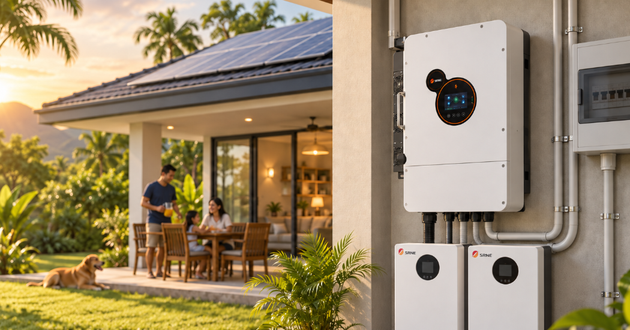
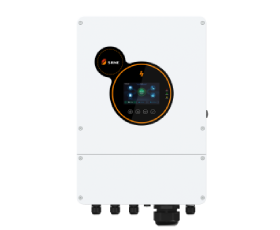
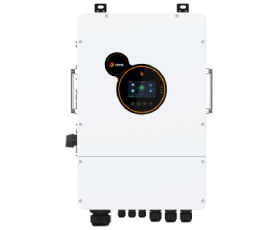
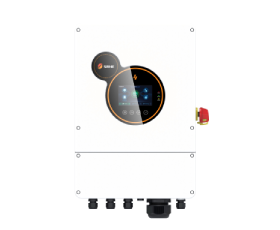
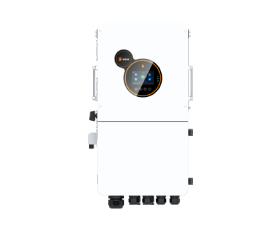
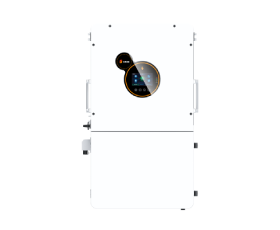
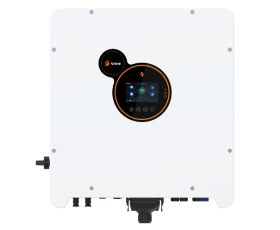
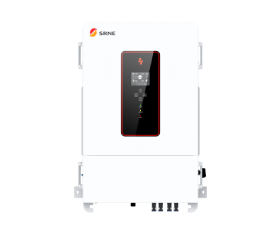
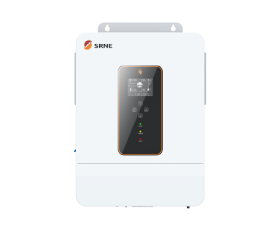
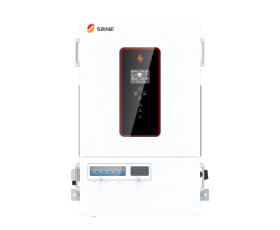
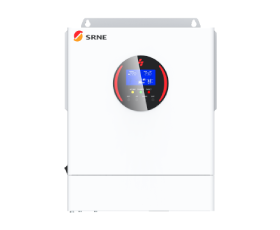
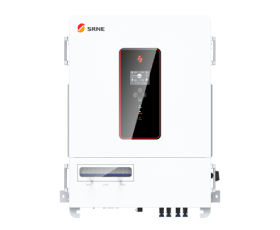
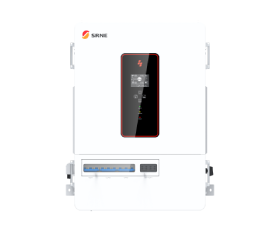
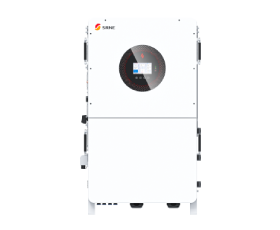
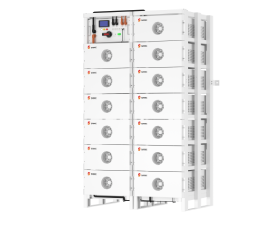
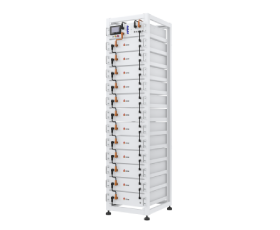
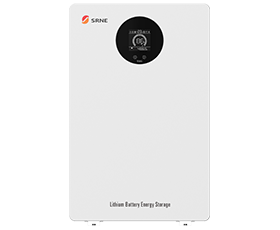
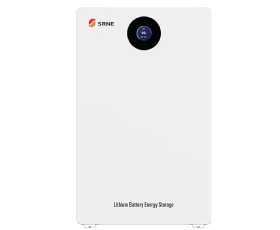
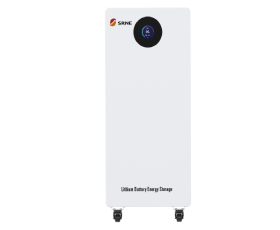
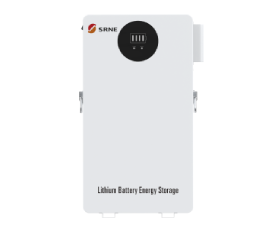
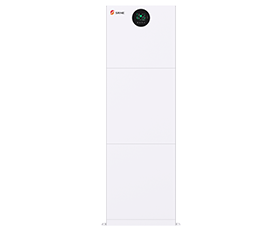
SRNE focuses on developing solar inverter and energy storage products for residential, commercial, and off-grid applications. Its product portfolio includes hybrid inverters, off-grid inverters, and battery-compatible solutions designed to meet different system requirements.
With support for flexible energy configurations, intelligent monitoring, and stable power conversion, SRNE inverters can be integrated into a wide range of solar projects. For installers, distributors, and system partners, SRNE offers technical resources, product support, and cooperation options to help meet local market and project needs.
Conclusion
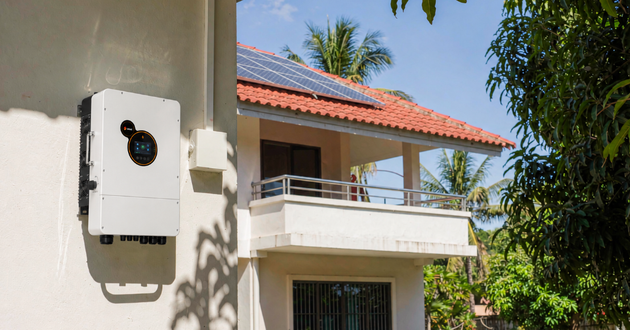
Choosing the right solar inverter in the Philippines requires more than comparing prices. The ideal option should match your power requirements, system design, energy storage needs, and future expansion plans. Whether for residential, commercial, or off-grid applications, selecting a suitable inverter can help improve system performance and long-term energy value.
