















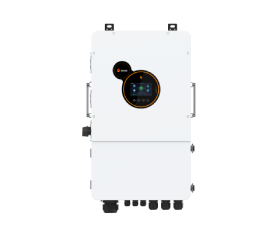

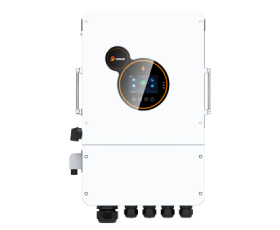

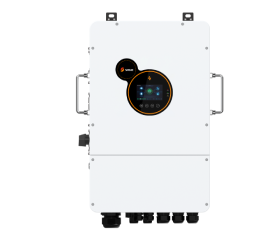
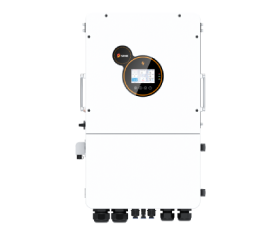






















Top 10 Solar Inverter Manufacturers in the Philippines 2026
In this guide, we compare the top 10 solar inverter manufacturers in the Philippines for 2026, including Huawei, Sungrow, Growatt, GoodWe, SRNE, Enphase, SMA, Fronius, Solis and Victron Energy.
Why the Philippines Needs Reliable Solar Inverters
The Philippines has strong solar potential, but its power environment also brings unique challenges. High electricity costs, hot and humid weather, frequent typhoons, coastal corrosion, and unstable grid conditions in some areas all increase the need for reliable solar inverter systems.
For many solar projects in the Philippines, performance is not only about energy conversion efficiency. Long-term stability, heat resistance, battery compatibility, system protection, and dependable after-sales support are also important factors. A solar inverter manufacturer that understands these local conditions can help reduce system failures, improve energy use, and support more stable solar power generation in real applications.
Comparison Table of Top 10 Solar Inverter Brands in the Philippines 2026
Brand | Founded | Core Products | Key Advantage | Best Fit in the Philippines |
Huawei | 1987 | SUN2000, C&I inverters, LUNA2000 | Smart monitoring and grid-tied performance | Residential, commercial and industrial solar projects |
Sungrow | 1997 | SH RS/RT, SG Series, ESS solutions | Strong hybrid and commercial inverter capability | Homes, businesses and large solar-plus-storage systems |
Growatt | 2011 | SPF, SPH, residential PV inverters | Cost-effective hybrid and off-grid solutions | Homes, farms and small commercial systems |
GoodWe | 2010 | ES, ET, EH Series | Advanced energy storage management | Residential and commercial battery backup systems |
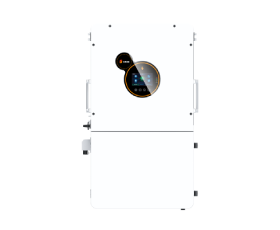
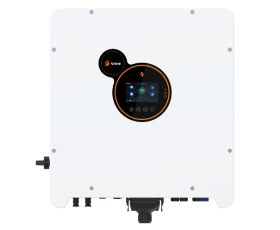
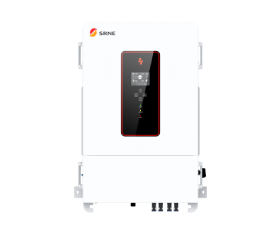
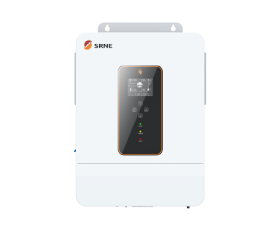
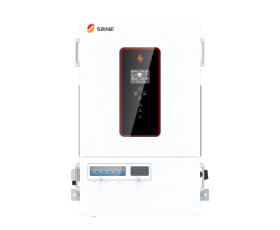
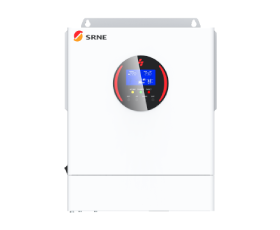
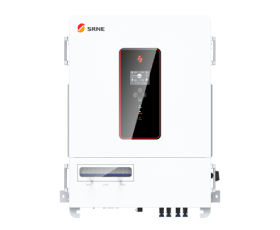
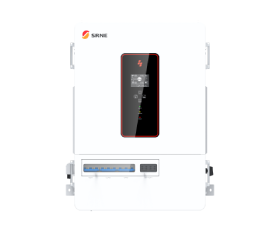
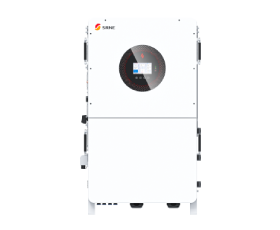
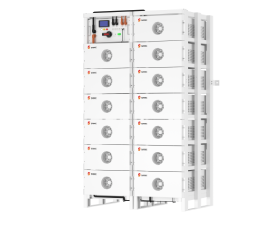
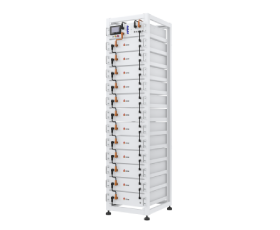
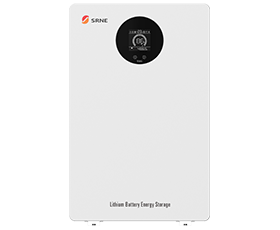
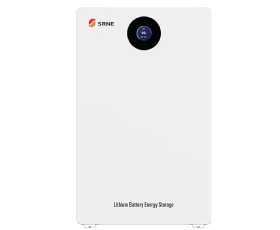
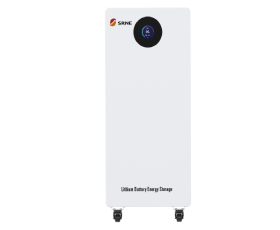
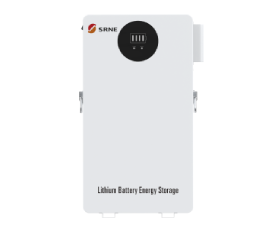
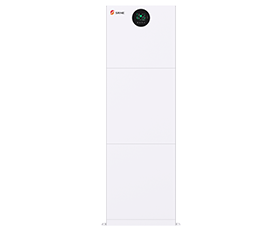
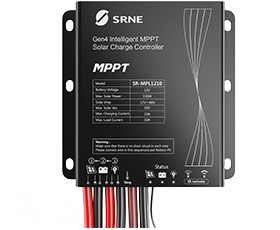
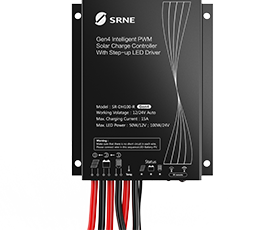
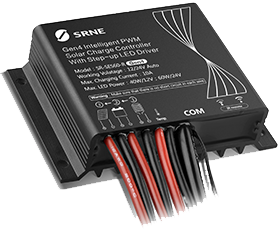
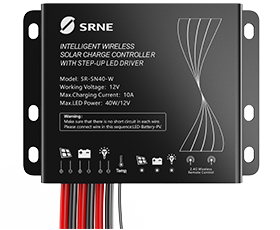
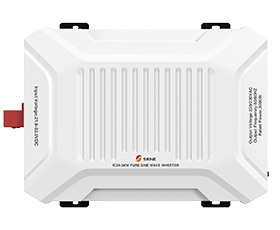
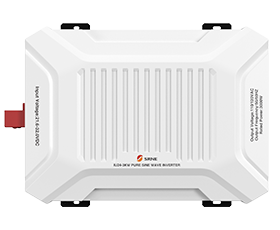
SRNE | 2009 | Hybrid inverters, off-grid inverters, charge controllers | Flexible solar storage and off-grid solutions | Islands, homes, farms, distributors and small projects |
Enphase Energy | 2006 | IQ8 microinverters, IQ Battery | Panel-level monitoring and safety | Residential rooftops and shaded roof conditions |
SMA Solar Technology | 1981 | Sunny Boy, Sunny Tripower, Sunny Island | Premium reliability and stable performance | High-end residential and commercial systems |
Fronius | 1945 | GEN24 Plus, Primo, Symo, Tauro | Durable string inverter technology | Residential and commercial rooftop projects |
Solis / Ginlong | 2005 | S6 hybrid, single-phase and three-phase inverters | Broad product range and flexible sizing | Homes, small businesses and distributed solar systems |
Victron Energy | 1975 | MultiPlus-II, Quattro, SmartSolar MPPT | Strong off-grid and marine system capability | Remote islands, marine solar and off-grid homes |
1. Huawei
Huawei was founded in 1987 and has built a strong position in smart PV and digital energy solutions. In the Philippines, its SUN2000 smart string inverter series is a practical choice for residential rooftops, commercial buildings and industrial grid-tied solar systems. Selected SUN2000 models support operation from -25°C to +60°C, 0%–100% relative humidity and AFCI arc fault protection, which are useful features for hot, humid and safety-sensitive solar installations.
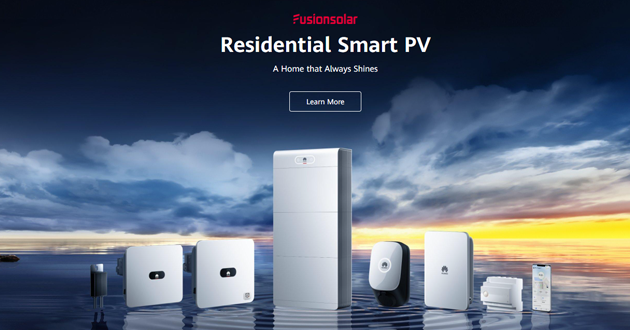
The value of Huawei in the Philippine environment is not only its conversion efficiency, but its ability to keep large rooftop and commercial systems visible and controllable. Heavy rain, unstable weather and grid fluctuation can make solar system operation harder to manage. Huawei’s remote monitoring and smart diagnostics help installers identify performance issues, fault warnings and system abnormality more quickly.
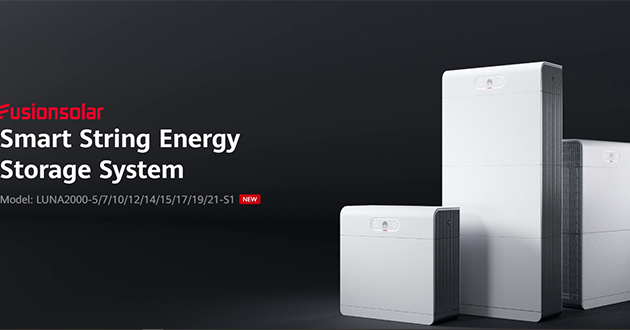
This makes Huawei suitable for commercial rooftops, factories, malls, office buildings and large residential systems where long-term system management is important. For customers who need high-efficiency grid-tied performance, safety protection and real-time energy data, Huawei is a strong solar inverter brand for the Philippines.
2. Sungrow
https://www.sungrowpower.com/au/en/
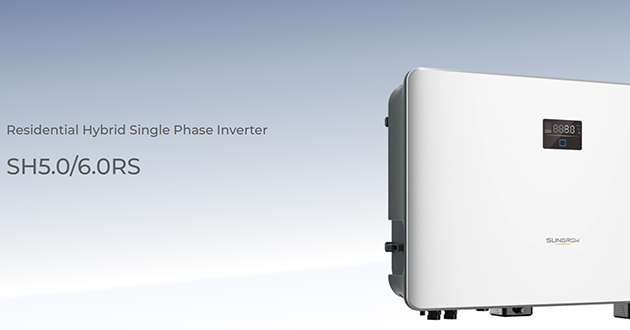
Since 1997, Sungrow has grown into one of the world’s major suppliers of solar inverters and energy storage systems. For the Philippines, its SH RS hybrid inverter series is especially relevant for residential and small commercial solar-plus-storage applications. The series supports an 80V–460V battery voltage range, iSolarCloud monitoring, IP65 protection, -25°C to 60°C operating temperature and 0%–100% relative humidity, making it more suitable for hot, humid and outdoor installation environments.
These specifications matter in the Philippines because solar equipment often has to deal with rooftop heat, heavy rain, high humidity and unstable weather. Sungrow’s IP65 enclosure helps support outdoor installation, while natural convection cooling reduces reliance on moving parts. Its built-in surge protection is also useful in areas exposed to electrical disturbances during storms, and the fast backup switch time of less than 10ms helps maintain power continuity when the grid becomes unstable.
Sungrow is a strong fit for high-load homes, commercial buildings, resorts and solar-plus-storage systems where both weather resistance and backup power matter. In locations affected by power interruptions, high daytime energy use or frequent rainy-season conditions, Sungrow can help users store solar energy, support essential loads and reduce dependence on grid export alone.
3. Growatt
Growatt was founded in 2011 and is widely used in distributed solar energy systems, especially residential hybrid and off-grid applications. For the Philippines, the SPF 3000–5000 ES series is relevant for homes, farms and small businesses that need battery-based power support. This series supports WiFi/GPRS remote monitoring, up to 6 units in parallel and compatibility with lithium, lead-acid and GEL batteries.
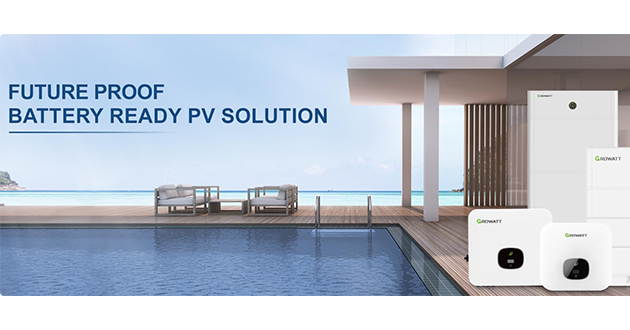
For tropical and island use, Growatt should be positioned correctly. Some SPF models are better suited for indoor or protected installation rather than direct outdoor exposure, with operating conditions such as 0°C–55°C and 5%–95% non-condensing humidity listed in available datasheets. This means installers should place them in dry, ventilated electrical rooms or protected enclosures when used in humid, coastal or rainy locations.
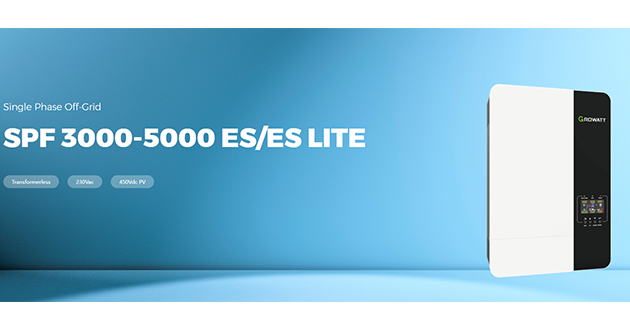
Growatt works well for residential backup systems, rural homes, small shops and farms where affordability and battery compatibility are key concerns. It is especially useful when users need off-grid or hybrid power at a controlled cost, but proper ventilation, moisture protection and installation location must be considered carefully.
4. GoodWe
GoodWe was founded in 2010 and focuses on PV inverters, hybrid inverters and smart energy management. Its ES, ET and EH series are commonly used in residential and commercial solar storage systems. For the Philippines, the ET Series is especially relevant because selected models offer IP66 ingress protection, -35°C to +60°C operating temperature, 0%–95% relative humidity and Smart Fan Cooling, helping the inverter work more reliably in hot, humid and outdoor rooftop environments.
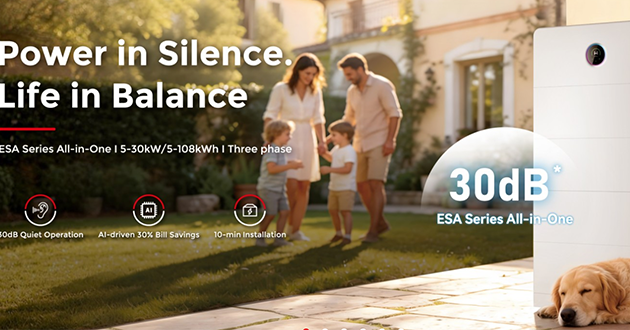
These features matter because solar installations in the Philippines often face strong sunlight, heavy rain, high humidity and coastal air. GoodWe’s IP66-rated design helps improve protection against dust and water exposure, while its cooling system supports more stable operation under high-temperature conditions. For rooftops with multiple orientations or partial shading, its multi-MPPT design also helps improve solar energy capture across different panel sections.
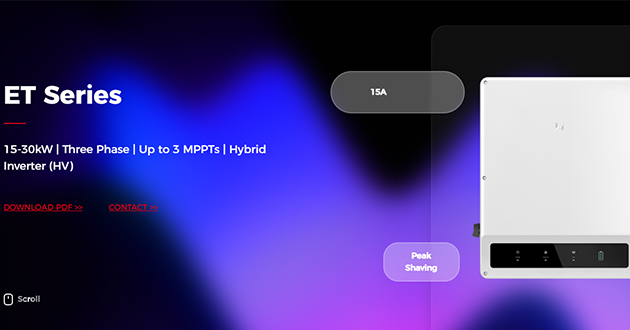
GoodWe is suitable for homes, small businesses and commercial buildings that need both weather-resistant inverter performance and energy storage control. It is a good option for users who want to store excess solar energy, maintain backup power during grid interruptions and keep the system operating more steadily under changing tropical weather conditions.
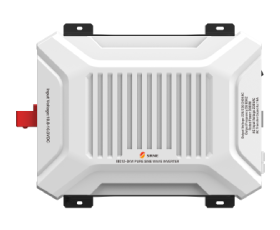
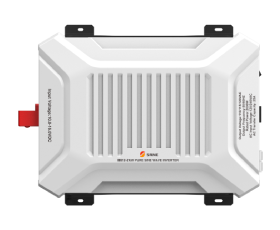
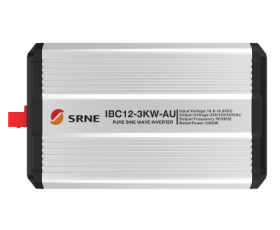
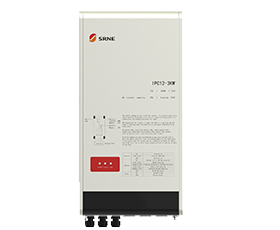
5. SRNE
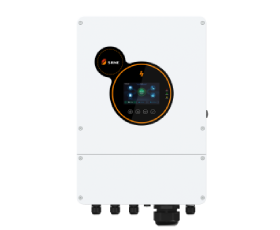
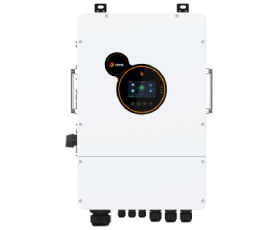
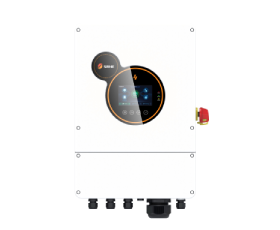
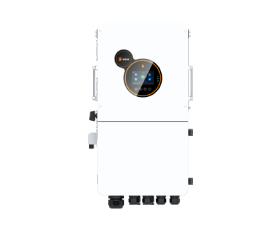
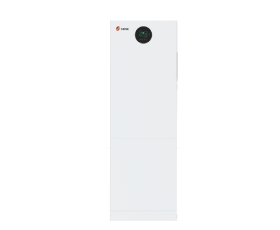
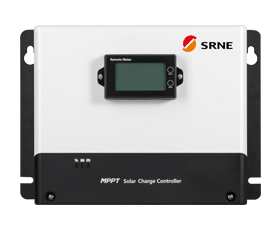
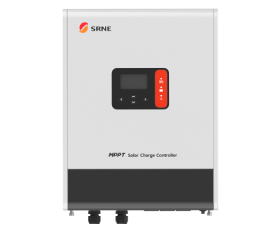
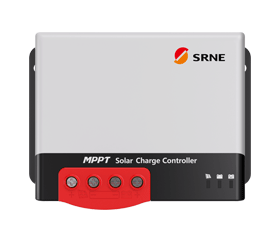
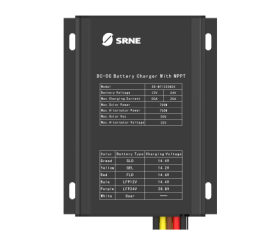
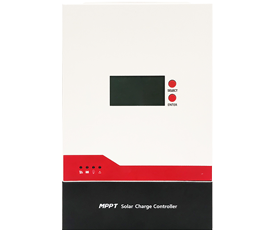
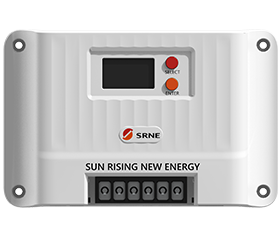
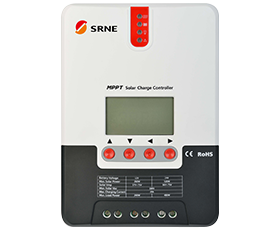
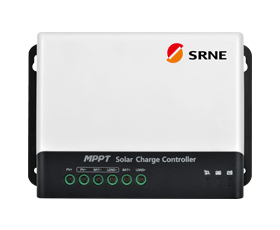
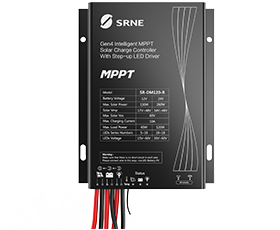
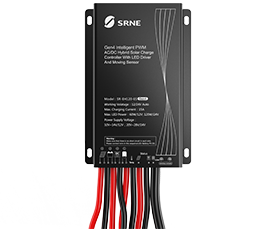
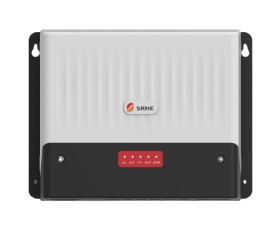
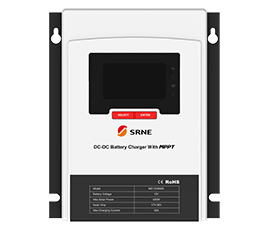
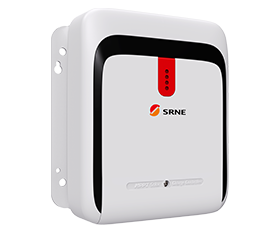
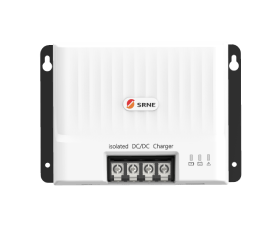
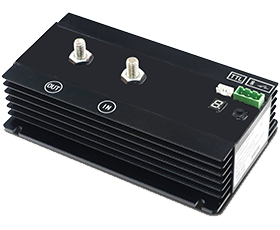
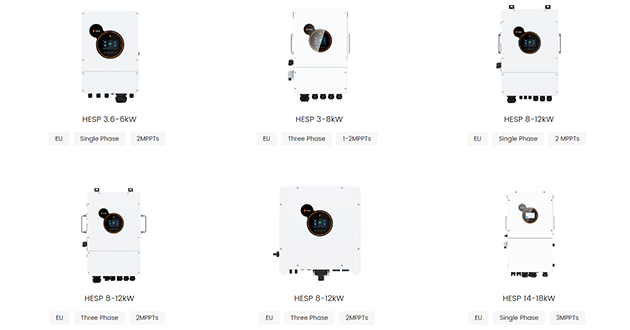
Founded in 2009, SRNE is a solar inverter manufacturer focused on hybrid, off-grid and energy storage applications. For the Philippines, its residential hybrid inverters, off-grid inverters and MPPT solar charge controllers are especially suitable for homes, farms, islands and small commercial systems. Selected SRNE models feature 99.9% MPPT tracking efficiency, while some outdoor-oriented series provide IP65 or NEMA 4X protection, helping improve durability in humid, rainy and dust-prone installation environments.
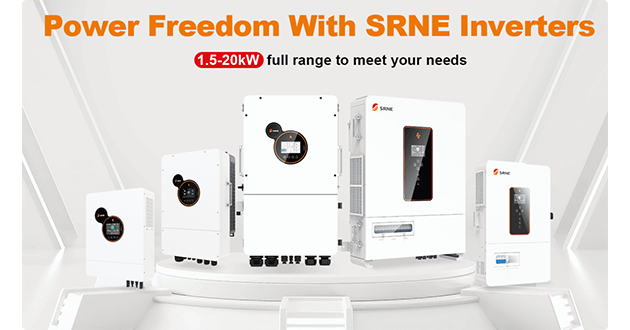
SRNE’s advantage becomes clearer when considering the Philippines’ climate and power conditions. Many areas face high humidity, strong sunlight, heavy rain, coastal air and unstable grid access. For these environments, SRNE’s hybrid and off-grid inverter solutions can work with solar panels, batteries and utility or generator input to keep essential loads running. Some models also use intelligent air cooling and heat-sink design, which helps support more stable operation under high-temperature conditions.
Another important advantage is local service support in the Philippines. For distributors, installers and project customers, SRNE can assist with pre-sales product selection, system matching, installation guidance, after-sales maintenance and repair-related service. This makes SRNE not only a solar inverter manufacturer, but also a practical partner for Philippine hybrid, off-grid and backup power projects that need both weather-adapted products and long-term technical support.
6. Enphase Energy
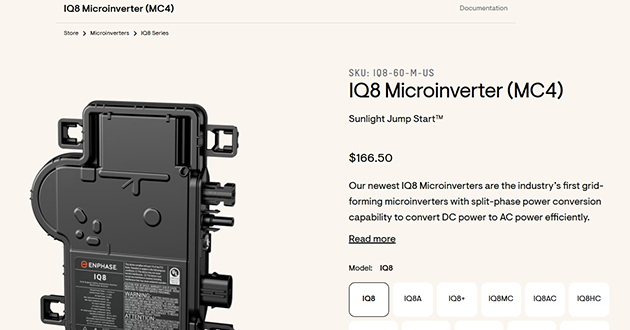
Enphase Energy was established in 2006 and is best known for microinverter-based solar and battery systems. Its IQ8 microinverters operate at the individual panel level, with around 97% CEC weighted efficiency. The IQ8 series is designed for outdoor use, supports -40°C to +60°C ambient temperature, 4%–100% condensing humidity and NEMA Type 6 environmental enclosure protection.
These features are especially relevant for the Philippines because rooftop solar equipment may face rain, humidity, heat and uneven roof conditions. Since microinverters are installed behind individual solar panels, outdoor protection and thermal performance are important. Enphase’s panel-level design also reduces the impact of shading, dirt or mismatch on one panel, which is helpful for homes with complex roofs or partial shading.
Enphase is best suited for premium residential rooftops, villas and homes where safety, module-level monitoring and outdoor durability are important. It is not usually the lowest-cost option, but it performs well when the user wants better control of each panel and more reliable monitoring under real rooftop conditions.
7. SMA Solar Technology
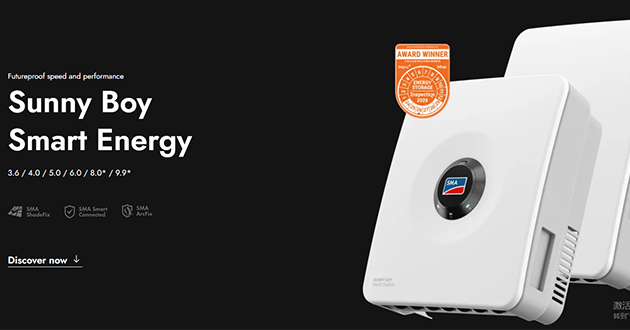
SMA Solar Technology was founded in Germany in 1981 and is known for grid-tied, battery and off-grid inverter systems. Its Sunny Boy, Sunny Tripower and Sunny Island product lines cover residential, commercial and backup power applications. The Sunny Boy Smart Energy hybrid inverter supports 3 or 4 MPPT channels, operates from -25°C to +60°C with derating and provides IP65 / Type 3R environmental protection.
For the Philippines, SMA’s value lies in long-term reliability under demanding conditions. High heat, humidity and unstable weather can increase stress on inverter components. SMA’s natural convection cooling, protected enclosure design and multi-MPPT capability make it suitable for users who need stable operation and flexible rooftop design rather than only basic conversion performance.
SMA is suitable for high-end homes, commercial buildings, resorts and backup power systems. It fits customers who are willing to invest more in system durability, professional design and long-term service life, especially where equipment failure would create high maintenance cost or operational disruption.
8. Fronius
https://www.fronius.com/en-us/
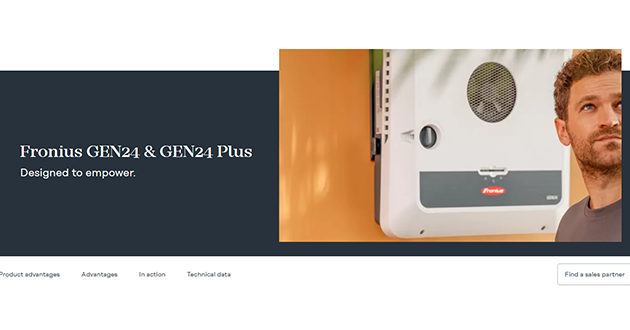
Fronius began in Austria in 1945 and has strong expertise in power electronics and solar inverter technology. Its GEN24 Plus, Primo, Symo and Tauro series are widely used in residential and commercial rooftop PV systems. For tropical markets such as the Philippines, selected GEN24 and GEN24 Plus models are especially relevant because they support indoor and outdoor installation, IP66 protection, -25°C to +60°C operating temperature and 0%–100% permissible humidity.
These specifications make Fronius more suitable for rooftop environments exposed to heat, moisture, heavy rain and long daily operating hours. Its Active Cooling Technology helps protect internal power electronics from heat buildup, which is important when inverters are installed on commercial rooftops or outdoor walls under strong sunlight. In humid or coastal areas, the IP66-rated enclosure also helps reduce the impact of rain and dust exposure when the inverter is installed correctly.
Fronius fits residential rooftops, commercial buildings and users who value European engineering and long-term reliability. It is especially useful for solar systems that need strong heat management, weather-resistant enclosure design and stable operation in demanding tropical rooftop conditions.
9. Solis / Ginlong Technologies
https://www.solisinverters.com/us/
Solis, developed by Ginlong Technologies, was established in 2005 and offers residential, commercial and hybrid solar inverter solutions. For Philippine applications, selected Solis S6 hybrid inverters are relevant because they support modern high-current PV modules, with models offering 16A DC input at each MPPT. Some S6 hybrid inverter datasheets also list IP66 ingress protection, -25°C to +60°C operating temperature and intelligent fan cooling.
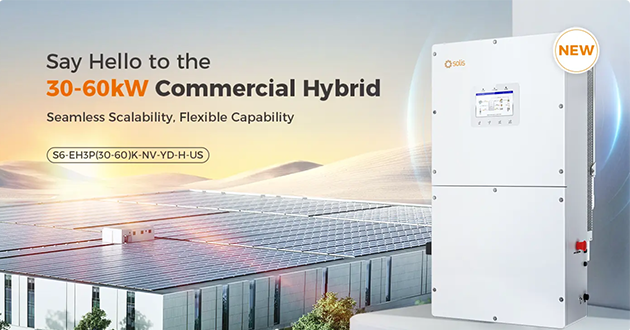
These specifications are useful for tropical rooftop and distributed solar systems. Strong ingress protection helps reduce exposure risks from rain and dust, while a wide temperature range and fan cooling support operation in hot environments. For installers handling different roof types, Solis’ product range also makes it easier to match inverter size and PV configuration.
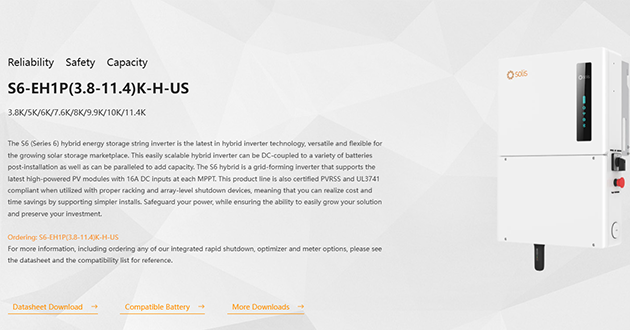
Solis is a practical choice for homes, small commercial buildings and distributed rooftop systems. It works well where customers need flexible inverter sizing, compatibility with newer solar modules and weather-resistant outdoor performance at a reasonable cost level.
10. Victron Energy
https://www.victronenergy.com/
Victron Energy is a Dutch brand widely used in marine, RV, off-grid, backup power and independent energy systems. In the Philippines, MultiPlus-II, Quattro and SmartSolar MPPT charge controllers are especially relevant for island power systems, boats, remote homes and off-grid applications. MultiPlus-II datasheets list a wide operating temperature range of -40°C to +65°C with fan-assisted cooling and maximum 95% non-condensing humidity, while the enclosure protection is typically IP22, meaning protected installation is still required.
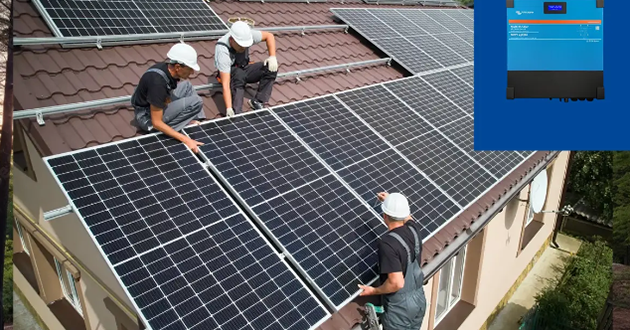
Victron’s strength is not outdoor waterproofing, but system flexibility in difficult power environments. Many Philippine islands, resorts, boats and remote sites need solar panels, batteries, generators and shore/grid power to work together. Victron’s modular architecture allows designers to build customized systems that combine solar charging, battery storage, generator backup and remote monitoring.
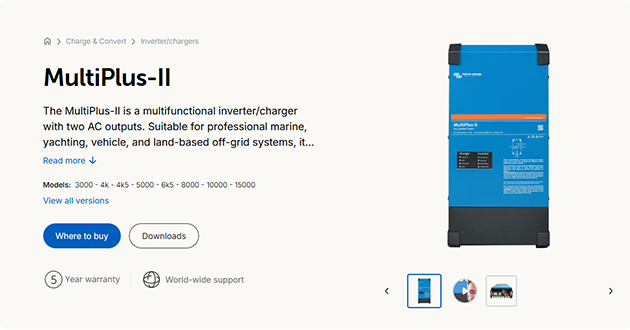
This makes Victron suitable for marine solar, island microgrids, off-grid homes, remote resorts and telecom power systems. It should be installed in protected, ventilated spaces, but when designed correctly, it is one of the strongest options for locations where stable grid access is unavailable and flexible backup power is required.
Key Factors to Consider When Choosing a Solar Inverter Manufacturer
A solar inverter manufacturer should be evaluated by more than brand reputation or price. The more important question is whether its products can match the system design, battery setup, operating environment and long-term service needs. In the Philippines, this matters because solar applications may involve rooftop power generation, commercial energy savings, backup power, island electricity supply or fully off-grid use.
1.Product Type and System Compatibility
Start by matching the inverter to the actual system structure. A grid-tied rooftop installation, a hybrid system with batteries and a standalone off-grid setup each require different inverter configurations. If the inverter is not designed for the right use case, the whole system may be limited in battery connection, load capacity or future expansion.
Battery compatibility also needs careful review. Some systems use lithium batteries, while others still rely on lead-acid batteries or high-voltage storage. A reliable manufacturer should clearly state supported battery types, PV input ranges, communication protocols and load conditions, so installers can design the system with fewer risks.
2.Efficiency and Energy Management
High inverter efficiency helps reduce energy loss, but real output also depends on MPPT performance, battery charging logic and power management. When rooftops have different orientations, changing sunlight or multiple PV strings, MPPT design can directly affect how much solar energy can be captured and used.
Smart monitoring makes daily operation easier. With remote access to solar generation, battery status, load consumption and fault warnings, users can understand system performance without frequent on-site checks. This is especially useful for commercial buildings, farms, island sites and other locations where maintenance access may not always be convenient.
3.Reliability in Tropical and Island Environments
Solar equipment in the Philippines often faces heat, humidity, heavy rain, coastal salt air and unstable weather. These conditions can shorten equipment life if the inverter lacks proper heat dissipation, electrical protection and environmental resistance.
Durability should therefore be treated as a core requirement. Overload protection, short-circuit protection, anti-islanding protection, battery protection and stable thermal control can help reduce downtime. In coastal, rural and island locations, a more reliable inverter is often more valuable than a lower-cost model that needs frequent maintenance.
4.Local Distribution and After-Sales Support
The inverter is only one part of the solar system. Once batteries, backup loads or off-grid operation are involved, technical support becomes much more important. Installers need clear product documents, wiring guidance, configuration support and troubleshooting assistance.
Local distribution and service capability can also affect long-term operation. If spare parts, technical response or repair support are difficult to access, even a good inverter may create problems after installation. For distributors, installers and system owners, a manufacturer with stronger service support can make procurement, installation and maintenance more predictable.
FAQs About Solar Inverter Manufacturers in the Philippines
1.What is the best solar inverter brand in the Philippines?
The best solar inverter brand depends on the system type, battery needs, roof condition and service support. Huawei, Sungrow and GoodWe are strong choices for smart grid-tied and energy storage systems, while Growatt, SRNE and Victron are better suited for hybrid, off-grid and backup power applications.
For complex rooftops or partial shading, Enphase microinverters offer panel-level monitoring and control. For commercial buildings, resorts and larger rooftops, Sungrow, Huawei, GoodWe, SMA, Fronius and Solis provide broader options for system expansion, remote monitoring and long-term operation.
2.Which solar inverter is best for off-grid homes in the Philippines?
The best solar inverter for off-grid homes should support battery charging, stable load output, high MPPT efficiency and strong system protection. Off-grid homes usually need reliable power from solar panels, batteries and sometimes generators, especially in rural or island areas.
SRNE, Growatt and Victron are common choices for off-grid and hybrid systems. SRNE is suitable for homes, farms and island applications with local service support. Growatt offers cost-effective residential off-grid solutions, while Victron is strong in modular off-grid, marine and island power system design.
3.Are hybrid inverters suitable for the Philippines?
Yes. Hybrid inverters are suitable because they connect solar panels, batteries and the grid in one system. They help users store excess solar energy, reduce grid electricity use and keep backup power available during outages.
Hybrid solar inverters are especially useful for homes, small businesses, farms, resorts and island communities that need flexible energy control. Brands such as Sungrow, GoodWe, SRNE, Growatt and Solis offer hybrid inverter options for residential and commercial solar-plus-storage systems.
4.What size solar inverter do I need for a home in the Philippines?
Most homes may use a 3kW, 5kW or 8kW solar inverter, depending on daily electricity use, peak load, solar panel capacity and battery backup requirements. A small household may only need 3kW, while homes with air conditioners, pumps, refrigerators or multiple appliances may require 5kW or higher.
Before choosing the inverter size, calculate the appliances that may run at the same time. If batteries are included, the inverter should also match the battery voltage, charging current and backup load demand. A qualified installer can confirm the final size based on the actual load profile.
5.What is the difference between a hybrid inverter and an off-grid inverter?
A hybrid inverter works with solar panels, batteries and the utility grid. It allows users to store solar energy, reduce grid consumption and provide backup power when needed.
An off-grid inverter is designed for locations without stable grid access. It relies on solar panels, batteries and sometimes generators to supply power independently. Off-grid inverters are commonly used in remote homes, farms, islands, telecom sites and rural power systems.
6.How do I choose a solar inverter supplier for a commercial project?
Choose a solar inverter supplier based on efficiency, MPPT design, weather resistance, scalability, remote monitoring, warranty terms and technical support. Commercial systems often run for long hours and may face high rooftop temperatures, so reliability and system management are critical.
A good supplier should also provide product selection support, installation guidance, technical documents, stable supply and after-sales service. For commercial buildings, factories, resorts and distributed solar systems, local support can reduce downtime and make long-term maintenance easier.
Conclusion
For Philippine solar projects, the final decision should consider more than efficiency or price. Weather resistance, heat dissipation, battery compatibility, MPPT performance, installation environment and after-sales support all affect long-term system stability.
Looking for hybrid or off-grid solar inverter solutions in the Philippines? SRNE can help you choose the right inverter system and provide local support from installation to after-sales service.
