






































Why Is My Solar Inverter Producing Less Power Than Expected?
Your rooftop solar system is rated at 6 kW, yet the monitoring app shows only 3 or 4 kW, even on a sunny afternoon. Does that mean something is wrong with your inverter?
Not necessarily. Solar output changes throughout the day, and the power shown on your monitoring screen depends on sunlight, panel conditions, inverter limits, and how the system manages electricity.
Quick Answer: A solar inverter producing less power than expected may be operating normally under reduced sunlight, high temperatures, or programmed power limits. Inverter clipping, grid restrictions, and system faults can also affect output. The best way to identify the cause is to compare production under similar conditions and examine the inverter's monitoring data before assuming the equipment has failed.
Is Your Solar Inverter Actually Producing Less Power Than It Should?
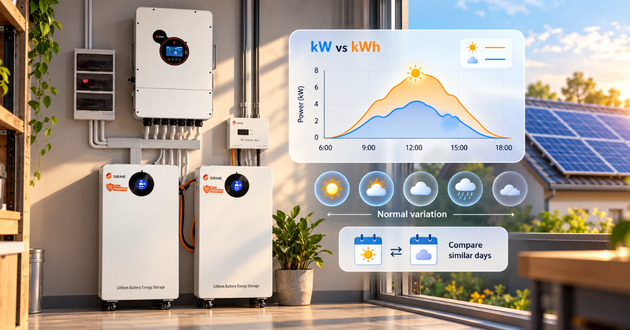
A lower inverter reading doesn't necessarily indicate a problem. A 6 kW solar panel array, for example, is rated under standard test conditions, but actual output varies with sunlight, temperature, and shading. Producing only 3 kW in the morning may be perfectly normal, even if the system can generate much more under favorable conditions.
The key is to look beyond a single power reading. While kW measures output at a particular moment, kWh shows how much energy the system generates over time. Comparing daily production with previous periods under similar weather and seasonal conditions gives a clearer indication of whether your solar inverter is genuinely underperforming.
What Causes a Solar Inverter to Produce Less Power?
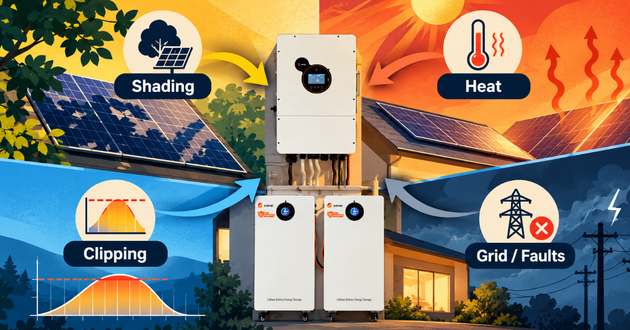
Lower solar inverter output can result from reduced solar generation, equipment operating limits, or electrical issues. Understanding these differences helps determine whether the system is operating normally or needs further inspection.
Reduced Sunlight, Shading, and Dirty Solar Panels
Cloud cover, seasonal changes, and shading from trees or nearby buildings can reduce the sunlight reaching solar panels. Even partial shading may affect an entire string of connected modules, depending on the system design.
Dust, leaves, and other deposits can further limit solar production, particularly in dry or polluted environments. With less DC power available from the panels, the inverter naturally delivers less electricity, even when it is operating correctly.
High Temperatures and Inverter Derating
Strong sunlight does not always translate into maximum output. As solar panels heat up, their electrical performance generally declines, which can reduce production during hot afternoons.
High temperatures can also affect the inverter itself. When internal temperatures exceed certain operating thresholds, the inverter may automatically reduce its output through thermal derating to protect its components. Repeated temperature-related reductions may warrant a review of installation ventilation and operating conditions.
Inverter Clipping and Output Limits
When a solar array can deliver more power than the inverter's rated AC capacity, the excess cannot be converted into additional AC output. This is known as inverter clipping. For example, a 7 kW solar array paired with a 6 kW inverter may reach the inverter's output ceiling during periods of strong sunlight.
Clipping is often a normal characteristic of system sizing rather than a fault. It can create a flattened peak on the daily production curve, although similar patterns may also result from configured power limits.
Grid Conditions and System Faults
Grid-connected inverters must operate within permitted voltage and frequency ranges. Unstable grid conditions may cause the inverter to reduce output or temporarily disconnect, depending on its protection settings.
PV string faults, damaged connections, or internal equipment problems can also interrupt normal production. Unlike predictable changes caused by sunlight or temperature, these issues may appear as sudden power drops, repeated shutdowns, or persistent warning messages that require professional investigation.
Why Is My Solar Inverter Output Low Even on a Sunny Day?
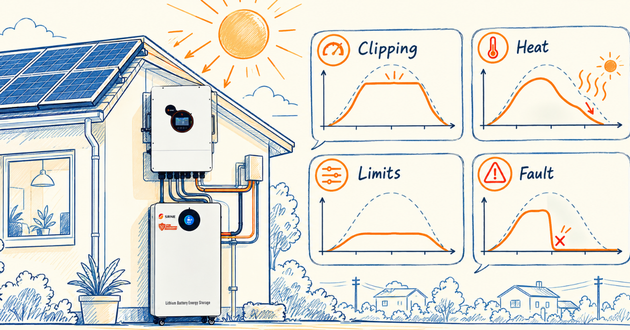
Strong sunshine can make low production seem especially unusual. However, the solar conditions outside don't tell you everything about what is happening inside the system.
Consider these common patterns:
What You Notice | Possible Explanation | What to Check |
Output rises in the morning, then stays flat near the inverter rating | Normal clipping | AC output rating and production curve |
Output decreases on very hot afternoons | Panel temperature effects or inverter thermal derating | Temperature and operating status |
Output remains consistently below expected levels | Power limits, PV input issues, or grid restrictions | Inverter settings and monitoring data |
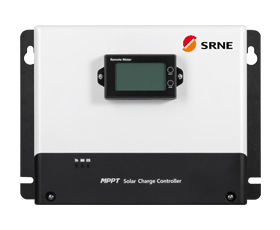
One MPPT input performs much worse than another | Shading, different array conditions, or a possible string issue | Individual MPPT readings |
Output suddenly falls or stops | Grid protection or equipment fault | Status messages and error history |
These patterns are clues, not definitive diagnoses. For example, two MPPT inputs may naturally produce different amounts of power if their solar panels face different directions or have unequal capacities.
A useful comparison considers the array configuration, local conditions, and previous production records together.
How to Read Solar Inverter Monitoring Data to Find the Problem
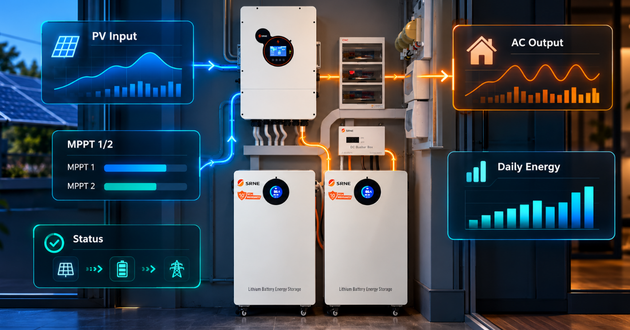
Your inverter's monitoring app can help identify the source of low solar production. Comparing PV input, AC output, and daily energy data provides a clearer picture than relying on a single power reading.
Check PV Input Power and Daily Energy Production
PV input power shows the electricity currently received from the panels, while daily energy production reflects output over time. If readings remain unusually low under comparable conditions, review historical data and individual MPPT readings to determine whether the reduction may originate from the solar array.
Compare PV Input with AC Output
Differences between DC input and AC output are normal due to conversion losses and, in hybrid systems, battery charging. However, if AC output repeatedly reaches a fixed limit while sufficient solar power is available, the inverter may be operating under a configured output restriction rather than experiencing a fault.
Review Grid Export and System Status
Lower grid export doesn't necessarily indicate reduced solar generation, as more electricity may be consumed at home or stored in batteries. Reviewing generation and consumption alongside inverter status can help distinguish normal energy distribution from warnings, communication issues, or genuine operating abnormalities.
Why Might a Hybrid Solar Inverter Limit Output Without a Fault?
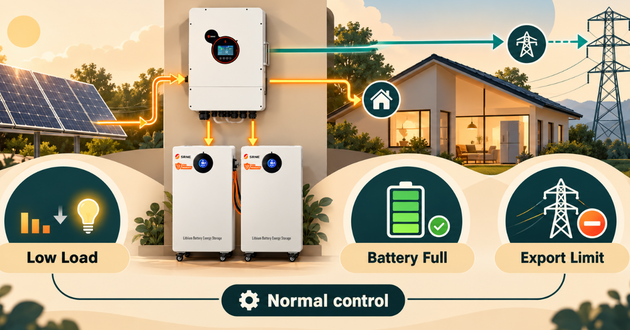
A hybrid inverter doesn't always operate at its maximum available power. When household demand is low, the battery is nearly full, or grid export is restricted, the system may reduce solar generation to match how much electricity can actually be used or stored.
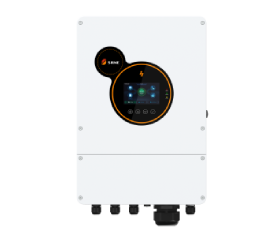
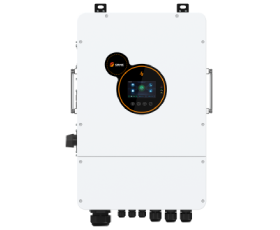
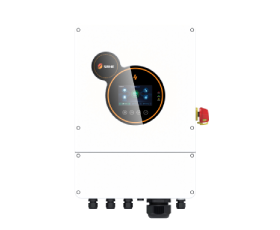
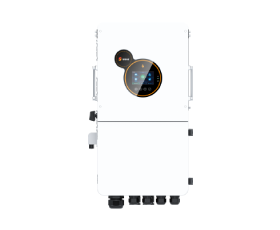
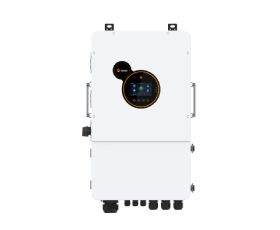
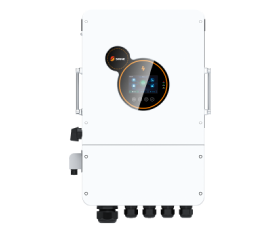
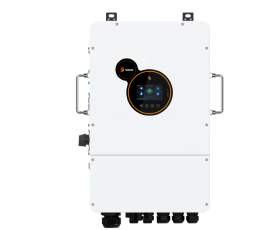
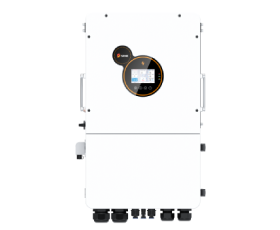
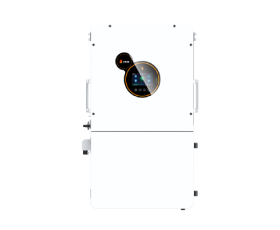
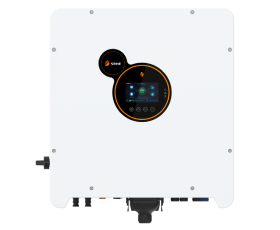
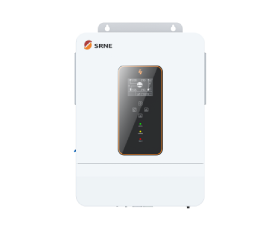
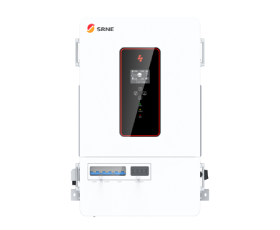
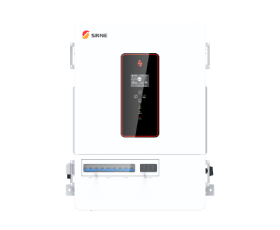
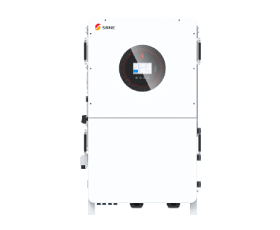
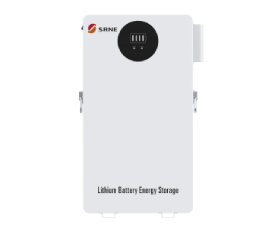
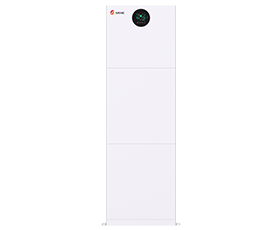
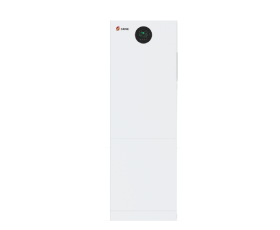
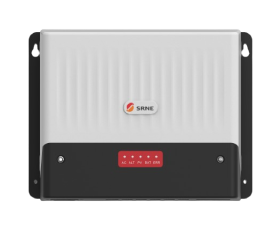
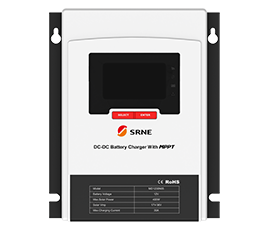
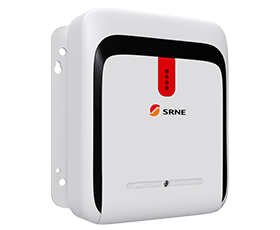
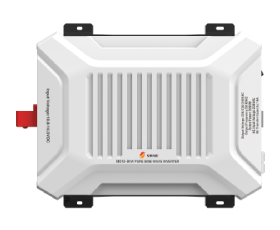
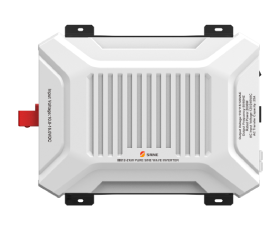
For example, SRNE's HESP hybrid inverter series includes energy management and export control functions that influence how solar electricity is distributed between household loads, battery storage, and the grid. A lower output reading under these conditions may reflect normal system operation rather than poor inverter performance.
Before treating reduced output as a fault, check whether battery charging limits or export settings are affecting the system's operation.
What Should You Check When Your Solar Inverter Output Is Low?
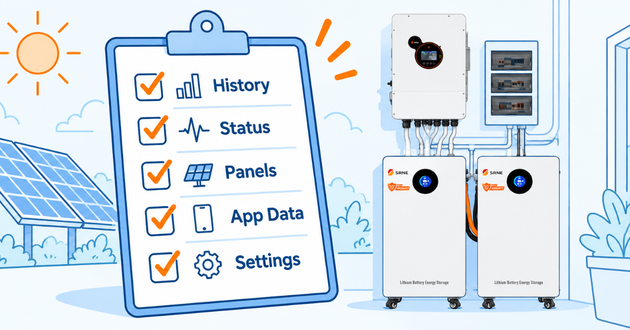
When solar production drops unexpectedly, start with the information available through your monitoring app and installation records. A few basic checks can help determine whether the change is temporary or requires closer attention.
1.Compare historical production. Check whether daily generation is unusually low compared with similar weather and seasonal conditions.
2.Review inverter status. Look for error codes, power limitations, or unusual operating messages.
3.Check visible panel conditions. New shading, accumulated dirt, or fallen leaves may affect solar generation.
4.Verify monitoring data. Make sure the app is updating correctly and displaying current information.
5.Review system settings. For hybrid systems, confirm with your installer whether battery charging or export limits are influencing output.
A brief reduction during poor weather is usually less concerning than a persistent decline under comparable conditions. Repeated shutdowns, unexplained power drops, recurring error codes, or significant differences between comparable PV strings should be reviewed by a qualified technician.
If you notice visible electrical damage, unusual smells, or signs of overheating, avoid handling the equipment and seek professional assistance promptly. Providing your installer with production records and screenshots of warnings can make troubleshooting more efficient.
Frequently Asked Questions
Why Is My Solar Inverter Not Reaching Its Rated Power?
An inverter's rated capacity represents its maximum specified output under applicable operating conditions, not its expected production at every moment. Actual output depends on available solar power, temperature, and system settings. A lower reading during morning or afternoon hours may be entirely normal.
Why Does My Solar Inverter Produce Less Power in Hot Weather?
Heat can reduce solar panel performance, leaving less DC electricity available for conversion. High internal inverter temperatures may also trigger thermal derating, which temporarily limits output to protect the equipment.
Is Solar Inverter Clipping Bad for My System?
Not necessarily. Inverter clipping occurs when available solar power exceeds the inverter's permitted AC output. Occasional clipping is common in systems with larger PV arrays and does not automatically indicate equipment damage. Its impact depends on how frequently and for how long clipping occurs.
Can a Hybrid Inverter Produce Less Power When the Battery Is Full?
Yes. If the battery is fully charged, household electricity demand is low, and grid export is restricted, a hybrid system may deliberately reduce solar generation. This can be normal energy management behavior rather than an equipment fault.
How Do I Know If My Solar Inverter Needs Repair?
Persistent low production under comparable conditions, repeated warnings, and unexpected shutdowns may indicate a problem requiring inspection. Compare monitoring records and note any error messages before contacting a qualified installer. Avoid attempting internal electrical repairs yourself.
Conclusion
A solar inverter producing less power than expected isn't necessarily faulty. Changes in sunlight, temperature, inverter limits, and energy management settings can all influence the output shown on your monitoring screen.
Comparing production history with current operating data can help identify whether the reduction is normal or needs professional attention.
Need help evaluating your solar system's performance? Explore SRNE's solar inverter solutions or contact our team for guidance on inverter selection and system configuration.
