









































How Commercial Solar Battery Storage Powers Up Businesses
In this article, we’ll break down how a commercial solar battery storage system works (daytime, evening peak, and outage scenarios), the core business benefits it delivers, the key questions to ask before choosing a solution, and why the SRNE 50–60kW commercial storage inverter is designed to meet these real-world requirements.
How the Commercial Solar Battery Storage Systems Work
Daytime (Solar Hours)
With commercial solar battery storage, your solar panels serve on-site loads first—so you’re consuming clean power the moment it’s produced. When generation exceeds what the facility needs, the surplus is automatically directed to the battery rather than exported or curtailed. In the background, the controller monitors state of charge (SOC), real-time demand, and your operating settings, then fine-tunes charging to keep the battery in its most efficient range—effectively “storing sunshine” for later.
Evening Peak (High-Tariff & High-Load Window)
As the sun sets (or weather reduces output), solar production drops while business demand often ramps up—right when electricity is typically most expensive. This is where commercial solar battery storage system delivers the biggest value: the battery discharges stored energy to cover part of the load (or specific priority circuits), cutting peak-rate grid purchases. The result is a smoother demand profile, fewer sudden spikes, and less exposure to demand charges. It can also cushion short bursts—like motor start-ups—helping keep peak demand under control.
Outage (Grid Failure or Severe Instability)
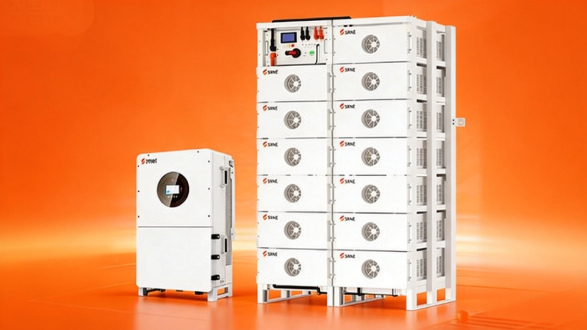
If the grid goes down or becomes unstable, commercial solar battery storage can transition into backup mode and keep critical systems running—such as IT equipment, security, emergency lighting, and key process controls. Most installations follow a load-priority plan (critical first, then important, then non-essential), so limited stored energy is used where it matters most. And with solar and/or a generator on-site, the system can coordinate multiple sources to support loads and recharge the battery when possible—extending backup runtime and reducing downtime risk.
Core Business Benefits of Commercial Solar Battery Storage for Solar
1.Save Money: Peak Shaving & Lower Demand Charges
For many businesses, the biggest driver of the monthly bill isn’t just total energy use—it’s the highest demand peak recorded during the billing cycle. With commercial battery storage for solar, the battery can discharge during those short, high-load periods to cap peaks and smooth your demand profile. In practice, that means lower demand charges and less exposure to costly peak-hour electricity—especially for sites with frequent ramp-ups.
Best-fit sites: manufacturing plants, cold storage/warehouses, and large commercial buildings.
2.Save Money: Load Shifting (Time-of-Use Savings)
When rates vary by time of day, battery storage helps you buy less power when it’s expensive. You can store surplus solar energy during daytime hours and then use it later when prices rise, cutting reliance on peak-rate grid power. Over time, this improves bill stability and gives you more control over how—and when—you consume electricity.
3.Stay Reliable: Backup Power for Critical Operations
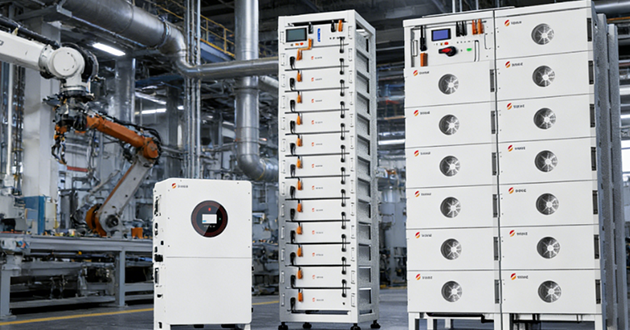
If downtime is costly or unacceptable, commercial solar battery storage provides a stronger safety net. When the grid is unstable or goes offline, the system can keep critical circuits running—supporting business continuity for production lines, data centers, hospitals, and other essential operations.
4.Strengthen ESG: Use More Renewables, Cut Carbon
Storage increases how much of your own solar power you use on-site, instead of pulling from the grid during peak periods—when electricity can be more carbon-intensive. The outcome is lower emissions, clearer progress toward sustainability goals, and stronger ESG reporting supported by real energy performance data.
5.Create New Value: Demand Response & Grid Services
Beyond savings, advanced systems can unlock new value streams. With the right controls and communications, commercial battery storage for solar can join demand response programs and certain grid support services (such as frequency or voltage support), earning incentives or generating additional revenue. These opportunities typically depend on fast response and reliable monitoring.
The 3 Questions Businesses Ask Most When Choosing Business Energy Storage
1) Will it handle real-world loads and peak demand?
When evaluating commercial solar battery storage, most businesses look beyond the nameplate rating. The real question is whether the system can stay stable through start-up surges, rapid load changes, and peak operating hours—without nuisance trips, derating, or performance bottlenecks.
2) How safe is it—especially on the DC side?
Safety is non-negotiable in business energy storage. Buyers want strong protection against DC-side risks such as arcing and fire, backed by reliable monitoring and fast fault response that reduces day-to-day operational risk.
3) Will it stay flexible as the site grows?
Commercial projects rarely stand still. The best business energy storage solutions are easy to integrate with existing equipment, straightforward to operate and maintain, and designed to scale—so future expansion feels like an upgrade, not a rebuild.
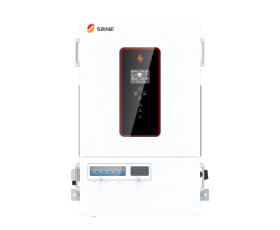
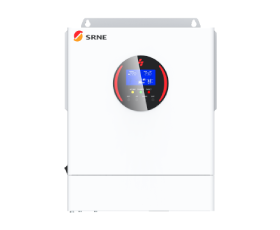
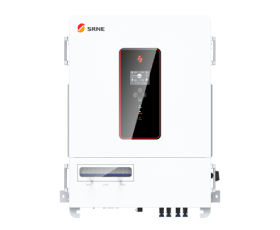
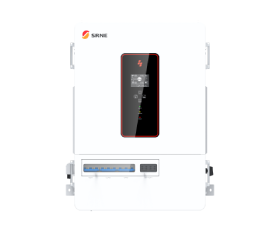
Why Choose the SRNE 50–60kW Commercial Storage Inverter?
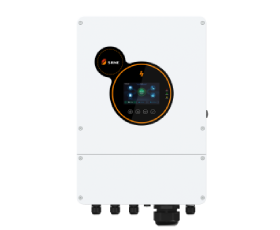
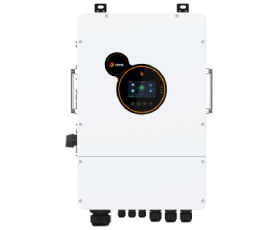
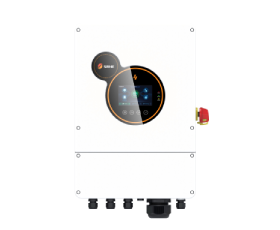
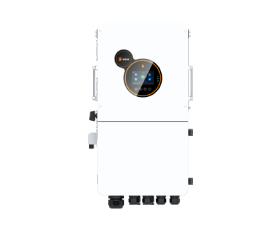
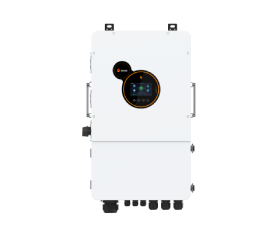
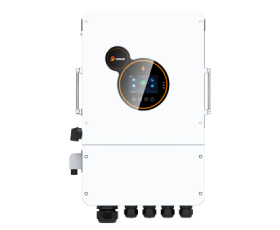
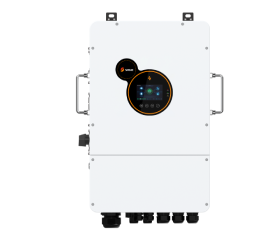
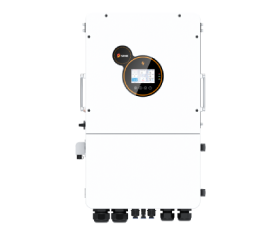
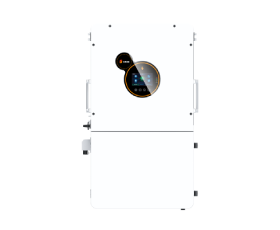
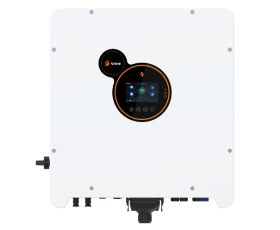
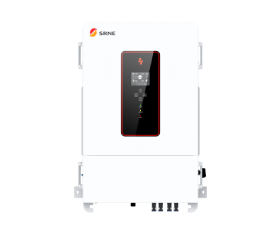
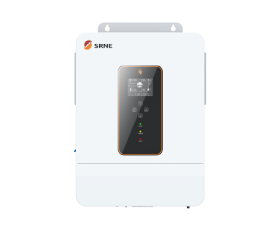
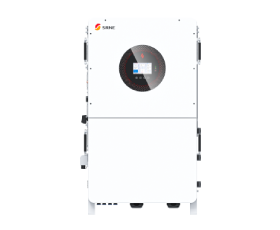
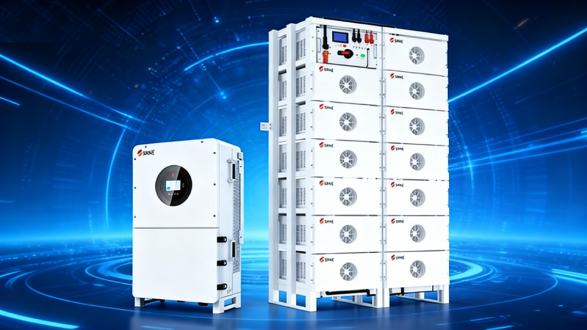
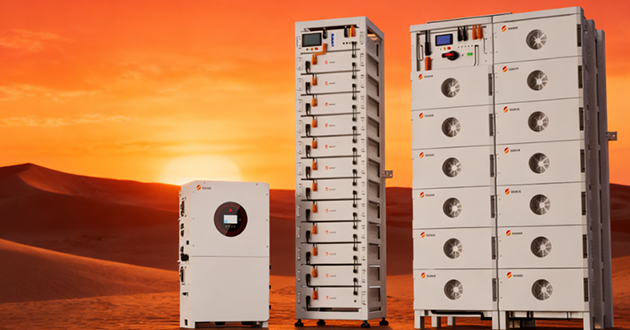
When you’re planning a commercial solar battery storage project, the inverter is the system’s “control center.” It’s what determines how smoothly the site runs day to day—how effectively you cut costs, how stable the power supply is, and how easily the system can scale as your needs grow. That’s why the SRNE 50–60kW commercial storage inverter is built around four practical strengths: Power, Safety, Flexibility, and Ease of Use.
1.Power: Strong Output + Continuous Overload Headroom
In commercial settings, performance isn’t only about the nameplate rating—it’s about how the system behaves under real operating conditions. SRNE delivers up to 60kW output with a strong value-to-performance balance, making it a solid fit for facilities that want reliable capacity without oversizing.
Even more important, it supports 1.1× continuous overload, meaning it can operate at up to 66kW continuously. That extra headroom helps during peak operating windows, high-load processes, and sudden ramps—so your commercial solar battery storage system is less likely to feel constrained when demand rises.
2.Safety: Standard AFCI Arc-Fault Protection
Safety is non-negotiable in commercial solar battery storage, especially on the DC side. SRNE includes AFCI (Arc-Fault Circuit Interrupter) as a standard feature, helping detect arc faults and shut down quickly when abnormal conditions are detected.
In simple terms, this adds another layer of protection to PV + storage installations, reduces fire risk, and supports safer long-term operation—particularly for sites that prioritize reliability and compliance.
3.Flexibility: Designed for Real-World Batteries, Rooftops, and Hybrid Setups
Commercial projects rarely follow a one-size-fits-all template. Battery choices differ, rooftops can be complicated, and many sites need backup power or multi-source coordination. SRNE is built to keep your options open—both at day one and as the project expands.
Dual battery inputs with independent management support staged deployments and make phased expansion more practical.
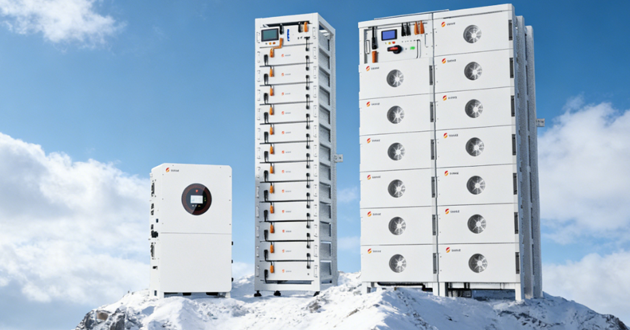
High battery current capability (75A per input, up to 150A with dual inputs paralleled) makes it easier to match common battery configurations and scale output on the battery side.
PV-friendly design for complex rooftops (4 MPPTs / 8 PV inputs, up to 90kW PV input) helps accommodate multiple orientations, partial shading, and distributed string layouts—while keeping array design manageable.
Hybrid-ready features such as generator input, smart load control, and AC coupling make it easier to build a solution that fits backup requirements or a microgrid-style architecture.
4.Ease of Use: Faster Deployment, Cleaner Integration, and Simpler O&M
A commercial system creates value only if it’s straightforward to deploy and easy to operate over the long term. SRNE focuses on practical details that reduce friction for both installers and operators.
Touchscreen + remote upgrades simplify commissioning, troubleshooting, and ongoing optimization—often without repeated site visits.
Integration-ready communications (dual Wi-Fi, dual CT, dual BMS communications) help connect monitoring, metering, and battery management more smoothly, improving system visibility.

Installer-friendly hardware such as lifting rings, mounting support, and quick-connection components can shorten installation time and reduce labor—especially for multi-site rollouts.
Read more:
https://www.srnesolar.com/articledetail/how-much-does-commercial-energy-storage-cost.html
Conclusion
Commercial solar battery storage isn’t just about adding batteries—it’s about gaining control over energy costs, protecting operations, and making your solar investment work harder. Whether your priority is peak shaving and demand-charge reduction, time-of-use savings, backup power, ESG progress, or even new revenue opportunities through grid programs, the right system turns solar power into a reliable, dispatchable resource.
