







































Solar Inverter vs Microinverter: Which Is Better for Home Solar?
Choosing the right inverter is an important step when planning a home solar system. While both solar inverters and microinverters convert solar energy into usable electricity, they use different system designs that affect cost, performance, monitoring, and installation requirements.
This guide explains the key differences between solar inverters and microinverters, including their advantages, limitations, and suitable applications, helping homeowners and solar professionals select the right inverter solution based on their energy needs and system conditions.
How Does a Solar Inverter Work?
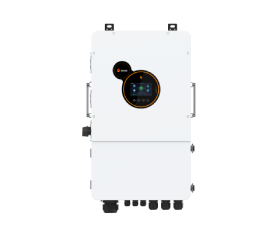
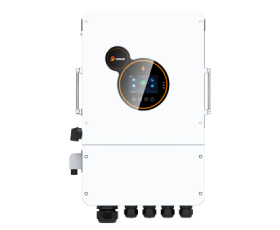
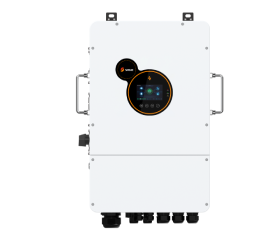
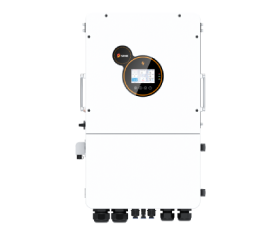
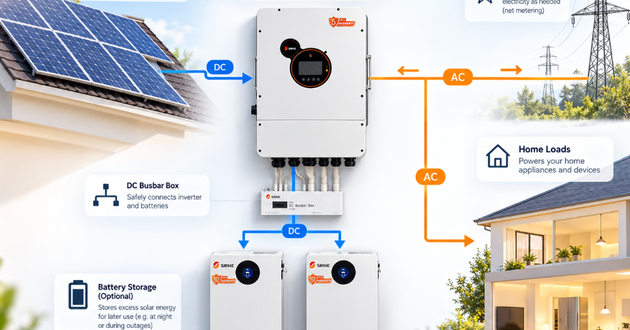
A solar inverter, also known as a string inverter, converts the DC electricity generated by multiple solar panels into AC power for household appliances or connection to the electrical grid. In a typical system, several solar panels are connected together to form one or more strings, and the combined DC output is delivered to a centralized inverter for conversion. The inverter then manages the power output and supplies usable electricity to the home or other electrical loads.
How Does a Microinverter Work?
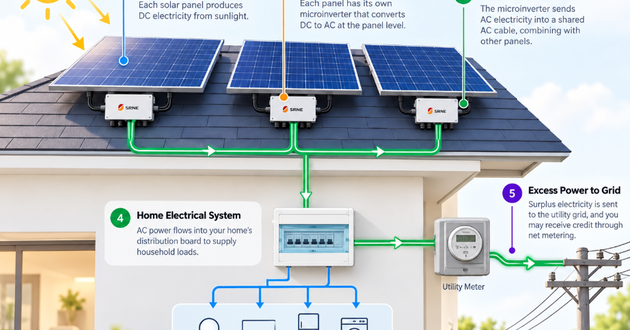
A microinverter operates by installing a small inverter directly on each individual solar panel. Instead of sending DC electricity from multiple panels to a single conversion unit, each panel converts its own DC power into AC electricity before it enters the building’s electrical system. This design allows the power conversion process to take place separately at each solar module rather than through one centralized device.
Solar Inverter vs Microinverter: Key Differences
Although both solar inverters and microinverters convert solar energy into usable electricity, their different system designs create differences in cost, performance, installation, and maintenance. The right choice depends on the roof conditions, energy requirements, and long-term goals of the solar project.
Comparison Factor | Solar Inverter (String Inverter) | Microinverter |
System Design | Multiple solar panels are connected to one centralized inverter | Each solar panel is equipped with its own inverter |
Initial Cost | Generally lower due to fewer components and simpler system design | Usually higher because each panel requires an individual inverter |
Shading Performance | Output can be affected when one or more panels in the same string receive less sunlight | Each panel operates independently, reducing the impact of partial shading |
Monitoring | Usually provides system-level performance monitoring | Allows panel-level monitoring and detailed performance tracking |
Installation | Faster and simpler for standard solar installations | Requires installation of multiple inverter units across the solar array |
Maintenance | Easier access because the inverter is usually installed in an accessible location | Maintenance may require rooftop access if an individual unit needs replacement |
System Expansion | Better suited for planned installations with fixed system sizes | More flexible for adding panels in some residential applications |
When comparing the two technologies, there is no universal winner. Solar inverters are often selected for systems where cost efficiency, simplicity, and larger power capacity are priorities, while microinverters are considered for projects where panel-level optimization and installation flexibility are more important.
Solar Inverter vs Microinverter: Which One Is More Cost-Effective?
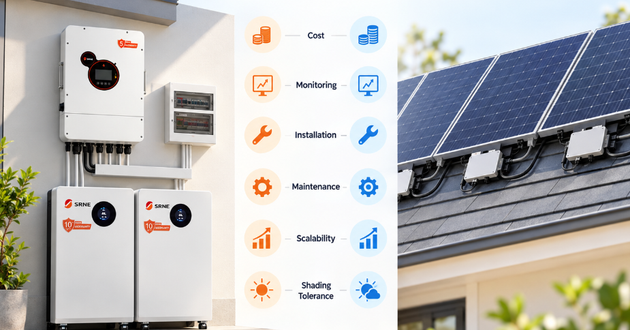
The cost-effectiveness of a solar inverter solution depends on how well the system design matches the installation requirements. While a lower upfront cost is important for many projects, factors such as installation complexity, maintenance needs, and long-term system performance also influence the overall value.
A solar inverter (string inverter) is often a practical choice for standard solar installations with simple roof designs and consistent sunlight conditions. Since multiple panels share one centralized inverter, the system requires fewer inverter units, which helps reduce equipment costs and simplifies installation. This design is commonly preferred for projects where budget control and straightforward maintenance are important considerations.
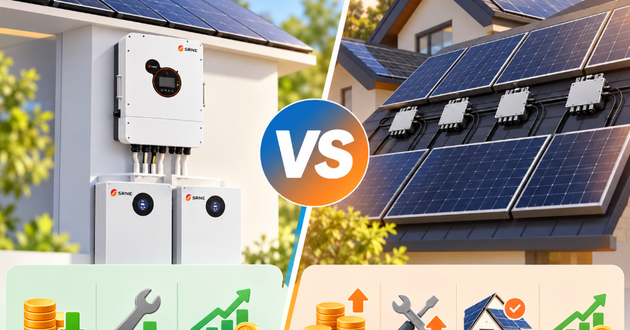
A microinverter system usually involves a higher initial investment because each solar panel requires an individual inverter. However, the additional cost can be justified in installations where roof layouts are complex, shading conditions vary, or detailed panel-level monitoring is needed. In these cases, the ability to manage each module independently can provide greater system flexibility.
The right choice should be based on the specific project environment, including roof structure, energy requirements, installation conditions, and future expansion plans. Selecting a suitable inverter architecture helps achieve a better balance between initial investment and long-term system value.
Solar Inverter vs Microinverter: Performance and Efficiency Comparison
The energy output of a solar system is influenced by how the inverter handles different operating conditions throughout the day. Factors such as roof orientation, shading, temperature changes, and variations in sunlight exposure can affect the amount of electricity generated by each solar panel.
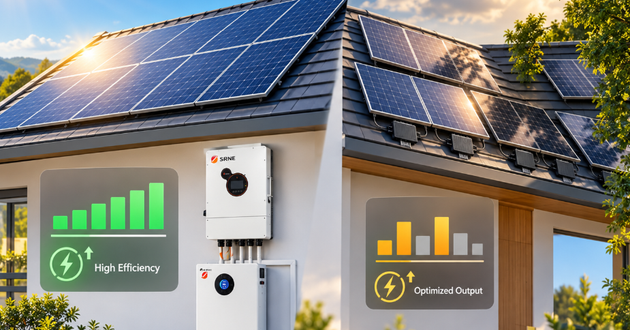
For solar installations where panels are positioned in the same direction and receive consistent sunlight, a solar inverter (string inverter) can provide reliable performance by managing power from multiple modules through a centralized system. This configuration is commonly used in residential and commercial projects with relatively simple roof layouts.
In more complex installations, where some panels may experience shading or different sunlight angles, microinverters can reduce the impact of uneven panel performance. Since each module is managed separately, changes in the output of one panel are less likely to affect the production of other panels within the system.
The practical performance difference between the two technologies is therefore closely related to the installation conditions, rather than the inverter type alone. Roof structure, panel placement, and operating environment all play an important role in determining the final energy yield.
Monitoring and Maintenance Differences Between Solar Inverters and Microinverters
Monitoring and maintenance requirements become more important as solar systems operate over time. The way performance data is collected and faults are identified differs between centralized inverter systems and panel-level inverter systems.
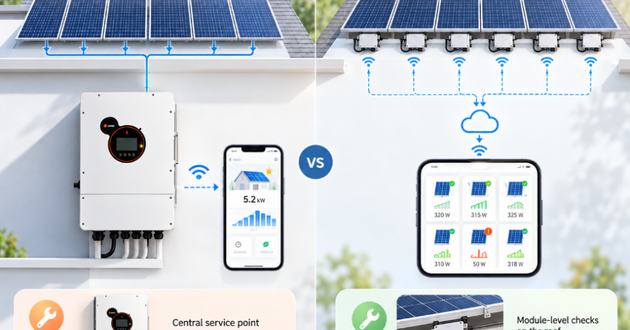
For systems using a solar inverter (string inverter), operational information is usually gathered through a single monitoring point. Users can check total energy production, inverter status, and error notifications from the central unit, while technicians typically diagnose issues by checking the inverter, wiring connections, and connected panel strings.
With microinverters, monitoring information is available at the individual panel level. Instead of viewing only the overall system output, installers can analyze the performance of each solar module separately, which makes it easier to locate specific underperforming components. Since the inverter units are installed together with the panels, any replacement or repair work may require access to the rooftop.
Which Solar Inverter Solution Is Right for Your Home?
The right inverter choice depends on the overall design of the solar system, including roof conditions, electricity demand, budget, and future energy plans. A solar inverter (string inverter) is often a practical option for homes with simple roof layouts and stable sunlight exposure, where a centralized system can provide reliable performance with straightforward installation and maintenance.
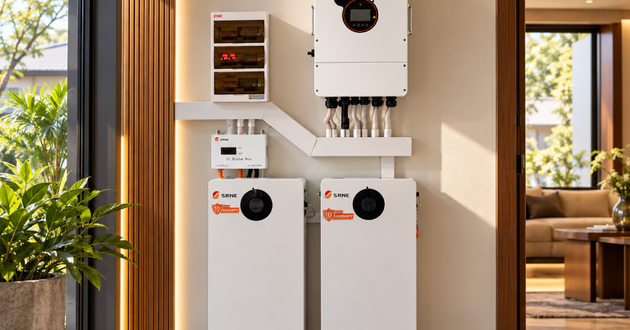
For homes with complex roof structures, partial shading, or different panel orientations, a microinverter may provide advantages by allowing each solar module to operate more independently. If backup power or energy storage is part of the plan, selecting a solar inverter with battery compatibility can provide additional flexibility for managing solar generation and stored energy.
Why Choose SRNE Solar Inverters?
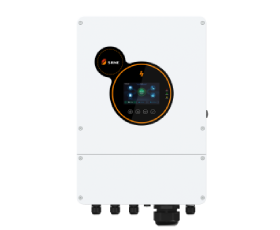
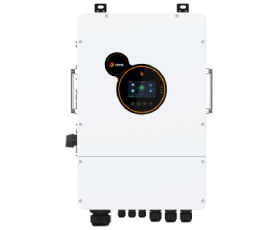
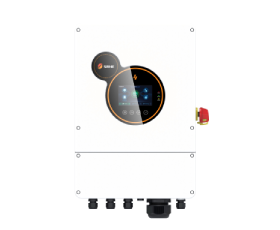
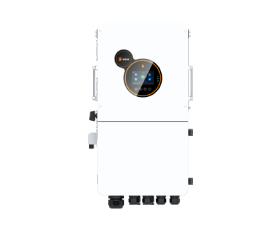
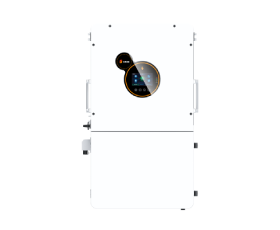
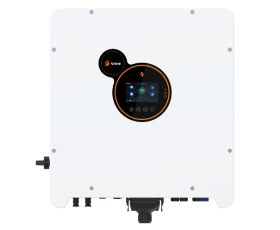
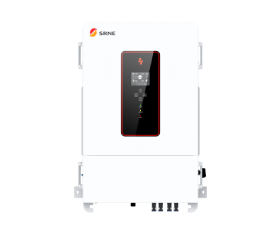
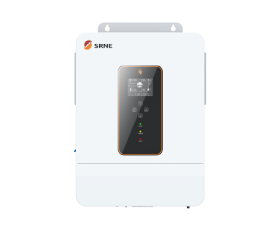
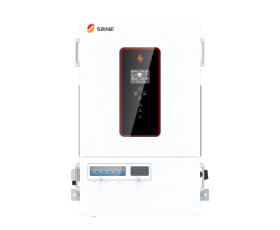
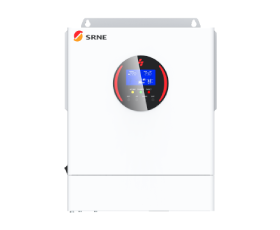
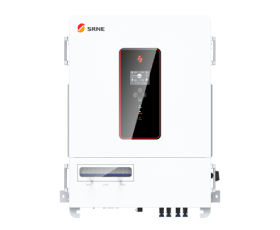
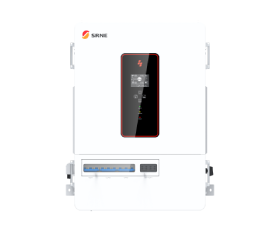
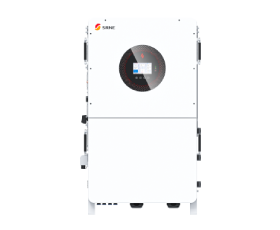
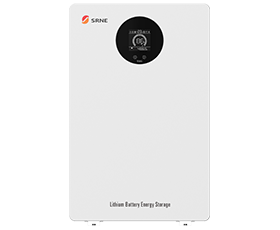
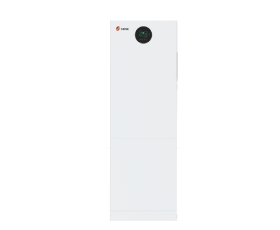
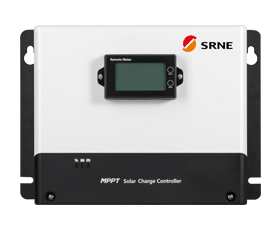
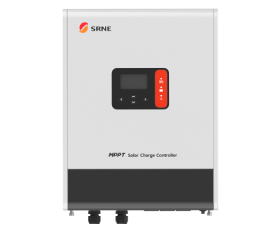
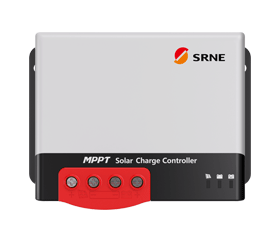
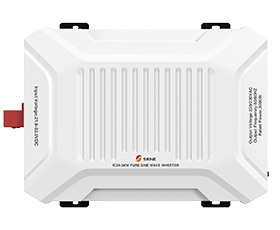
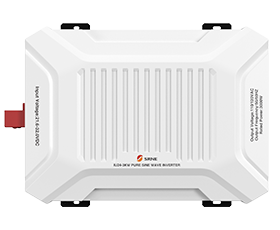
A suitable inverter needs to work reliably within the complete solar system, from power conversion and energy management to future storage integration. SRNE provides hybrid and off-grid inverter solutions that are designed for different residential, commercial, and independent energy applications.
For installers, distributors, and system partners, factors such as battery compatibility, product documentation, and technical assistance play an important role in project deployment. SRNE supports these needs with inverter solutions developed for flexible solar system configurations.
Conclusion
For homes requiring backup power or future energy storage, inverter selection should also consider battery compatibility and energy management capabilities. By matching the inverter technology with the actual installation requirements, users can build a more reliable and flexible solar energy system.
